Nana
Nana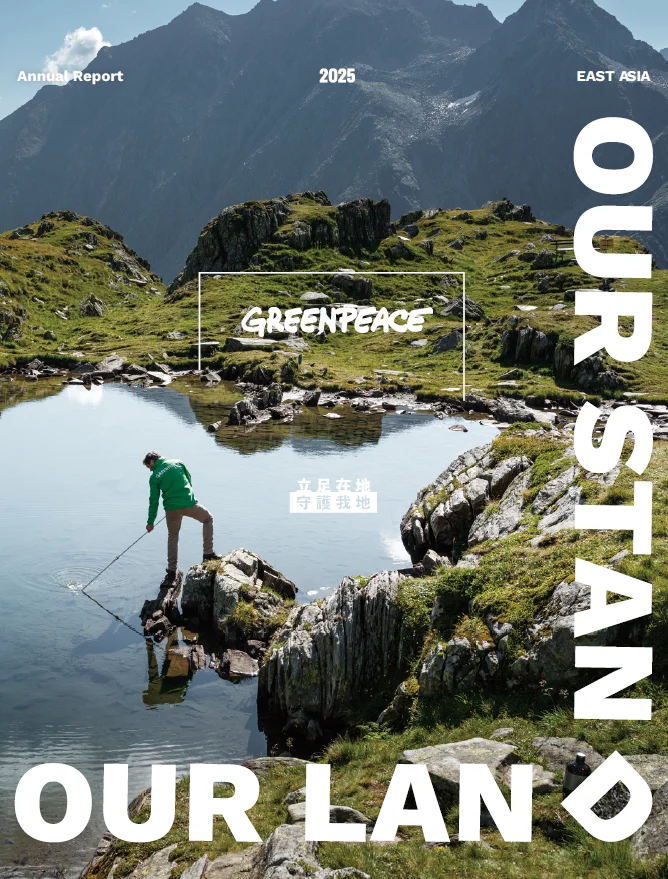
The profound narratives woven into the fabric of nature transcend mere statistical data; they represent the shared historical tapestry of humanity’s coexistence with the myriad forms of life that inhabit our planet. From the towering mountain ranges to the vast, encompassing oceans, these natural landscapes are repositories of collective memory, chronicling eons of interaction and interdependence. Environmental protection, at its core, is not an abstract academic pursuit but a fundamental re-evaluation of our living practices, a conscious endeavor to foster harmony with the Earth, and a solemn commitment to the generations yet to inherit this shared home. The urgent challenges confronting our terrestrial and marine environments are not confined to intellectual discourse; they are existential issues that demand universal engagement and collective responsibility.
This sentiment forms the bedrock of Greenpeace East Asia’s operations, as articulated in their recently released Annual Report for 2025. The report underscores the organization’s unwavering commitment to environmental advocacy, emphasizing its unique position of financial independence, a crucial element that shields it from the pervasive influence of political agendas and corporate interests. This independence, nurtured and sustained by the generous support of its stakeholders, serves as a potent catalyst for its impactful work. The organization’s efforts, originating in the vibrant metropolis of Hong Kong, extend their reach across the dynamic landscapes of East Asia and resonate with a global resonance, contributing to a worldwide movement for ecological preservation. The report expresses profound gratitude to its supporters, acknowledging that their "love for our land and seas" is being demonstrably translated into tangible actions aimed at safeguarding the planet, the singular dwelling place for all life.
A Foundation of Independence: Fueling Global Environmental Action
Greenpeace East Asia’s operational model is deeply rooted in its commitment to 100% financial independence. This strategic decision is not merely an internal policy but a foundational principle that underpins its ability to conduct advocacy and investigative work with uncompromised integrity. By refusing to accept funding from corporations, governments, or political parties, Greenpeace ensures that its campaigns are driven solely by its mission to protect the environment and promote peace. This autonomy allows the organization to rigorously challenge powerful entities whose actions may be detrimental to ecological health, free from the potential for conflicts of interest or undue pressure.
The report highlights the geographical scope of this independence, noting that its strength "begins in Hong Kong, scales across East Asia, and echoes around the world." This signifies a strategic approach to environmental advocacy, where local understanding and action are amplified to address regional and global environmental crises. Hong Kong, as a major international hub, provides a critical starting point for developing and testing innovative advocacy strategies. These strategies are then adapted and implemented across diverse East Asian nations, each facing unique environmental challenges ranging from industrial pollution and deforestation to marine degradation and climate change impacts. The subsequent global ripple effect demonstrates the interconnectedness of environmental issues and the power of collaborative action, even across vast geographical distances.
Key Themes and Achievements in 2025
While the full scope of Greenpeace East Asia’s activities in 2025 is detailed within the Annual Report, the introductory statement provides a compelling overview of its core philosophy and operational strengths. The emphasis on "nature’s stories" and "shared memories" suggests a campaign approach that seeks to connect with the public on an emotional and cultural level, moving beyond purely scientific or economic arguments. This narrative-driven advocacy can be particularly effective in fostering a deeper sense of responsibility and ownership over environmental issues.
The report’s mention of "coexistence with all living things" and living "in harmony with the Earth" points towards an advocacy strategy that promotes sustainable living practices and a holistic view of human-environment relationships. This could encompass campaigns focused on biodiversity conservation, sustainable agriculture, and the reduction of human impact on natural ecosystems. Furthermore, the commitment to remaining "connected to the generations that follow" underscores a long-term vision for environmental stewardship, emphasizing the intergenerational equity that is central to the concept of sustainability.
The Imperative of Action Beyond Academia
The statement "Real change should not remain within academic debate alone – the challenges facing our land belong to all of us" is a powerful call to action. It critiques the tendency for complex environmental issues to become siloed within academic circles, detached from the practical realities faced by communities and the broader public. Greenpeace East Asia positions itself as a bridge between scientific understanding and public engagement, translating complex environmental data into accessible information and motivating individuals to participate in solutions.
This perspective acknowledges that the most effective environmental solutions emerge from a broad societal consensus and active participation. It implies that campaigns are designed not only to raise awareness but also to empower individuals and communities with the knowledge and tools to make a difference. This can include advocating for policy changes, supporting grassroots initiatives, and promoting sustainable consumer choices. The report’s gratitude to supporters for "turning your love for our land and seas into actions" directly reflects this philosophy of translating passion into tangible impact.
Supporting Data and Context (Inferred from the report’s nature)
While the specific data points are within the downloadable report, the nature of Greenpeace’s work allows for inferences about the types of supporting data that would be presented:
- Biodiversity Loss: The report likely details efforts to protect endangered species and critical habitats across East Asia. This could be supported by data on declining populations of key species, habitat fragmentation statistics, and the economic and ecological consequences of biodiversity loss. For instance, data on the decline of specific marine species due to overfishing or plastic pollution in the South China Sea would be highly relevant.
- Climate Change Impacts: East Asia is particularly vulnerable to the impacts of climate change. The report might include data on rising sea levels affecting coastal communities in countries like Vietnam and the Philippines, increased frequency and intensity of extreme weather events such as typhoons in Japan and typhoons in China, and the implications for agriculture and water security in regions like the Korean Peninsula.
- Pollution Levels: Campaigns against industrial pollution, plastic waste, and air pollution are likely to be highlighted. Supporting data could include statistics on air quality indices in major cities, the volume of plastic waste entering oceans, and the health impacts associated with various forms of pollution. For example, data on the concentration of microplastics in East Asian waters or the prevalence of respiratory illnesses linked to air pollution in industrial zones would be pertinent.
- Deforestation and Land Degradation: Given the significant forest cover and agricultural lands in East Asia, the report may present data on deforestation rates, the impact of unsustainable land use practices, and the consequences for soil erosion, water resources, and local communities. Statistics on the loss of primary forests in countries like Indonesia and Malaysia, often driven by palm oil plantations, would be relevant.
- Advocacy Successes: The report would likely quantify the impact of campaigns, such as policy changes influenced by advocacy, the number of people mobilized for specific actions, or the reduction in environmental damage achieved through successful interventions.
Timeline and Chronology (Illustrative based on typical NGO reporting)
A typical annual report would provide a chronological overview of key activities throughout the year. While specific dates are not provided in the excerpt, a hypothetical timeline for Greenpeace East Asia in 2025 might include:
- Early 2025: Launch of a major campaign focused on plastic pollution in coastal East Asian communities, involving extensive public awareness initiatives and lobbying efforts for stronger waste management policies. This might be preceded by investigative work conducted in late 2024.
- Mid-2025: Participation in international climate negotiations, advocating for more ambitious emissions reduction targets from East Asian nations, potentially supported by research reports on the region’s vulnerability and renewable energy potential.
- Third Quarter 2025: Mobilization of public support for the protection of a critical marine ecosystem facing threats from industrial development, possibly involving large-scale petitions, public demonstrations, and media engagement.
- Late 2025: Release of a significant investigative report on the environmental impact of a specific industry in the region, leading to public outcry and calls for regulatory reform. This would be followed by ongoing advocacy to ensure the recommendations are implemented.
- Throughout 2025: Continuous engagement with local communities, providing educational resources, supporting grassroots environmental initiatives, and fostering a network of environmental defenders across the region.
Reactions and Inferences from Related Parties
While the excerpt focuses on Greenpeace’s internal perspective, a comprehensive news report would seek out reactions from various stakeholders. Based on the nature of Greenpeace’s work, potential reactions could be inferred:
- Government Officials: Some governments in the region might express appreciation for Greenpeace’s efforts in raising awareness and contributing to policy development. Others might be critical of Greenpeace’s confrontational tactics or disagree with specific policy recommendations, particularly if they challenge established economic interests. For example, a government might issue a statement acknowledging the importance of marine conservation but emphasizing the need for balanced development.
- Industry Representatives: Companies or industry bodies targeted by Greenpeace campaigns would likely issue statements defending their practices, highlighting their commitment to sustainability, or disputing the accuracy of Greenpeace’s findings. They might emphasize the economic contributions of their operations and the job creation they provide.
- Academic Experts: Environmental scientists and researchers might provide independent commentary on the issues raised by Greenpeace, validating or offering alternative perspectives on the data and scientific claims. They could also comment on the broader significance of the environmental challenges identified.
- Local Communities: Communities directly affected by environmental degradation would likely express strong support for Greenpeace’s advocacy, sharing personal testimonies of the impact on their lives and livelihoods. They might also voice concerns about the pace of change and the need for more robust enforcement of environmental regulations.
- Other Environmental Organizations: Collaborating or allied environmental NGOs might issue statements of solidarity, recognizing Greenpeace’s contributions and emphasizing the shared goals of the broader environmental movement in East Asia.
Broader Impact and Implications: A Call for Collective Stewardship
Greenpeace East Asia’s Annual Report 2025, as previewed in its introductory statement, serves as a potent reminder of the profound interconnectedness between environmental health and human well-being. The organization’s commitment to independence, amplified by supporter generosity, empowers it to engage in critical advocacy across East Asia and beyond. By transcending mere data presentation and emphasizing the "stories" held within nature, Greenpeace aims to foster a deeper, more resonant connection with its audience, urging them to see environmental protection not as a distant concern but as an integral part of how we live and how we safeguard the future.
The report’s implicit call for action beyond academic circles signifies a commitment to translating scientific understanding into tangible societal change. This approach acknowledges that the challenges facing our planet are not abstract intellectual puzzles but urgent realities that demand the collective engagement of all citizens. The implications of this philosophy are far-reaching: it suggests a strategic focus on empowering individuals and communities, fostering a sense of shared responsibility, and ultimately, driving systemic change through broad-based participation. As East Asia continues to navigate rapid economic development alongside escalating environmental pressures, the role of organizations like Greenpeace East Asia in advocating for a sustainable and harmonious future becomes increasingly critical. Their work, fueled by independent support and a deep-seated love for the planet, underscores the imperative for a global shift towards stewardship, ensuring that the rich tapestry of nature’s stories continues to unfold for generations to come.

 Pevita Pearce
 Siti Muinah