Iffa Jayyana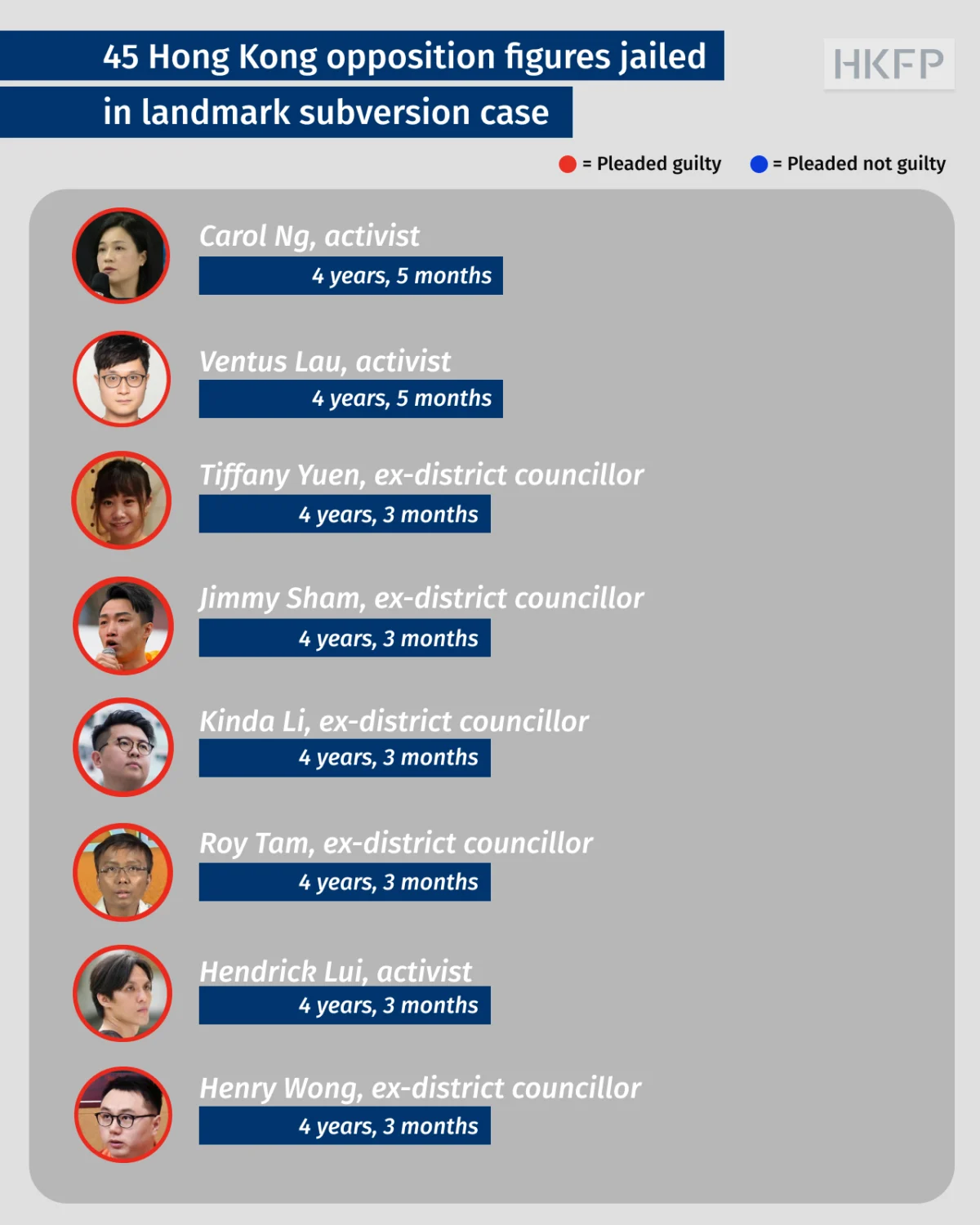
Eight individuals who were not formally charged in connection with the landmark "Hong Kong 47" national security case have had their passports returned by authorities, a significant development occurring more than five years after their initial arrests in January 2021. The individuals, who were suspected of involvement in a subversion plot related to an unofficial primary election held by the opposition, were among a broader group of 47 democrats ultimately charged under Beijing’s sweeping national security law.
The return of travel documents to these eight individuals marks a potential shift in their legal standing, offering them the possibility of international travel after a prolonged period of restriction. The Hong Kong 47 case, which saw 45 defendants eventually convicted and sentenced to lengthy prison terms for subversion, and two acquitted, has been a defining moment in the city’s political landscape and its relationship with mainland China.
Among those whose passports have been returned are prominent former lawmakers, including James To Kun-sun and Roy Kwong Chun-yu, both former legislative councillors from the now-disbanded Democratic Party. Joseph Lee, a former lawmaker representing the healthcare sector, has also had his travel documents reinstated. These individuals were initially arrested in early 2021 as part of a large-scale crackdown on opposition figures.

The arrests were precipitated by an unofficial primary election organized by the pro-democracy camp in July 2020. The intention behind these primaries was to select candidates for the since-postponed Legislative Council election, with the aim of securing a majority to wield greater influence over government policy. Authorities deemed the act of organizing and participating in these primaries as a conspiracy to subvert state power, a charge punishable under the national security law.
A Timeline of the Hong Kong 47 Case and Subsequent Developments
The events leading to the passport returns are rooted in a series of significant political and legal milestones:
- July 2020: The pro-democracy camp organizes an unofficial primary election for the Legislative Council election.
- January 2021: Hong Kong police arrest over 50 individuals, including many organizers and participants of the primaries, on suspicion of subversion.
- February 2021: 47 individuals are formally charged with conspiracy to commit subversion under the Beijing-imposed National Security Law.
- March 2021: The first court hearings begin, with many defendants being denied bail.
- May 2024: Two of the 47 defendants, Benny Tai and Owen Chow, are acquitted of the subversion charge.
- November 2024: The remaining 45 defendants are convicted of conspiracy to commit subversion.
- December 2024: Sentences are handed down, with terms ranging up to ten years imprisonment.
- April 2023 – Present: Reports emerge of several individuals who were arrested but not charged in the case having their passports returned by authorities.
The return of passports to these eight individuals, though not charged, signifies a protracted legal limbo for them. Their arrests in January 2021, followed by the charging of 47 others, placed them in a state of uncertainty regarding their travel rights and future legal standing for over five years.

Key Figures and Their Roles
Among the notable recipients of returned passports is Jeffrey Andrews, a social worker actively involved in advocating for ethnic minority rights in Hong Kong. His work has focused on fostering inclusivity and addressing the challenges faced by minority communities within the city. His passport was reportedly returned in April of the previous year, allowing him to resume international travel.
John Clancey, a US citizen who has been a resident and practicing lawyer in Hong Kong for decades, also had his passport returned. Clancey was identified as the sole organizer of the primaries who was not ultimately charged. His long-standing presence and legal career in the city underscore the complex intersection of international residents and Hong Kong’s evolving legal framework.
Other individuals who have had their travel documents reinstated include Yuen Wai-kit, former principal of the Union Hospital School of Nursing; Michael Lau, a nurse; and Lee Chi-yung, former chair of the Association of Family Carers of Severely Intellectually Disabled Persons. The inclusion of individuals from diverse professional backgrounds highlights the broad sweep of the initial arrests.

Official Response and Individual Statements
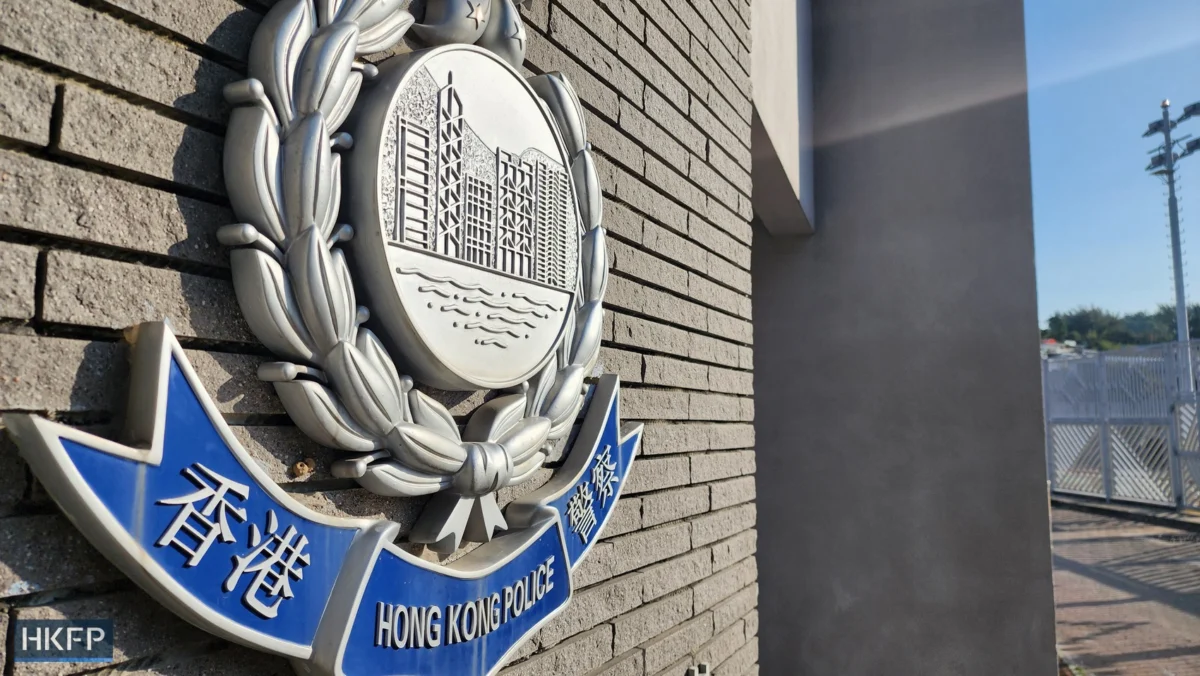
When approached for comment, the Hong Kong Police Force stated that they would not comment on individual cases, a standard response in matters involving ongoing investigations or legal proceedings.
However, some of the individuals have shared their experiences and perspectives. James To, who retired from politics following his arrest and subsequent release on bail, has reportedly reunited with his family in the United Kingdom, according to local media. The Democratic Party, once Hong Kong’s largest opposition group, announced its decision to disband in December of the previous year, a move reflecting the significant impact of the national security law on the city’s political landscape.
Jeffrey Andrews spoke to HKFP, expressing gratitude for the return of his passport. "I’ve been able to fly around the world again – just grateful that I can continue my social service work and, of course, it’s been a huge relief for my family!" he stated. Andrews also addressed what he termed "false news" about his emigration, reaffirming his deep affection for Hong Kong and his commitment to contributing to its development as an inclusive and diverse city. His Instagram posts have shown him in the United States, indicating his ability to travel internationally again. He also emphasized his continued dedication to his social work in Hong Kong, specifically within Chungking Mansions, aiming to foster racial, cultural, and religious inclusivity.

Broader Context and Implications
The return of passports to individuals not prosecuted in the Hong Kong 47 case, while a positive development for those concerned, also raises questions about the initial arrests and the prolonged period of legal uncertainty. The arrests, which occurred under the shadow of the newly enacted National Security Law in June 2020, were widely seen as a significant escalation of Beijing’s control over Hong Kong’s affairs.
The National Security Law, imposed by Beijing in June 2020, has dramatically altered the legal and political landscape of Hong Kong. It criminalizes acts of secession, subversion, terrorism, and collusion with foreign forces, carrying severe penalties. Critics argue that the law has been used to suppress dissent and erode the city’s promised freedoms and autonomy. Proponents, including the Hong Kong government and Beijing, maintain that the law is essential for restoring stability and preventing further unrest.
The Hong Kong 47 case itself is considered a watershed moment, representing one of the most significant legal actions taken under the National Security Law against the opposition. The convictions of 45 individuals have sent a strong signal about the government’s resolve to prosecute those deemed to be challenging its authority.

The return of passports to the eight individuals, while not a complete exoneration or reversal of their initial arrest, offers a degree of freedom that was previously denied. It suggests that the authorities may have concluded their investigations into these specific individuals without finding sufficient grounds for prosecution. However, the prolonged period of passport confiscation, exceeding five years, highlights the significant personal impact of such investigations, even for those who are not ultimately charged.
For individuals like John Clancey, a long-term resident and legal professional, the situation underscores the challenges faced by expatriates navigating Hong Kong’s evolving legal environment. His position as the only organizer of the primaries not charged also draws attention to the selective application of charges within the broader group of individuals involved.
The broader implications of these passport returns are multifaceted. For the individuals involved, it represents a personal reprieve and the potential to rebuild aspects of their lives that were on hold. For observers of Hong Kong’s political situation, it is a reminder of the far-reaching impact of the National Security Law and the complex legal processes that have unfolded in its wake. It also raises questions about the criteria used by authorities in deciding who to prosecute and who to release from travel restrictions, particularly in cases where individuals were initially arrested but not formally charged.
The continued operation of organizations like the Democratic Party, despite its disbandment, and the ongoing social work of individuals like Jeffrey Andrews, even after facing legal scrutiny, demonstrate a resilience within segments of Hong Kong society. However, the overall environment for political activism and civic engagement remains significantly constrained compared to the pre-National Security Law era. The return of passports signifies a partial normalization for some, but the larger questions surrounding the rule of law and political freedoms in Hong Kong persist.

 Nila Kartika Wati
 Basiran