Raul Delapena Setiawan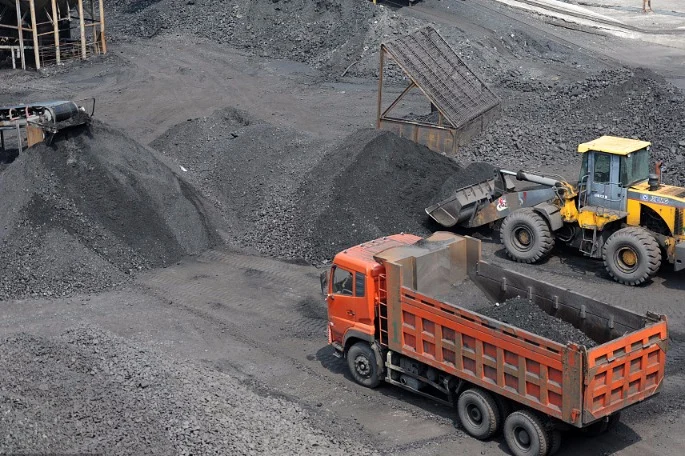
China is poised to significantly surpass its ambitious targets for reducing industrial overcapacity, particularly in the critical coal and steel sectors, well ahead of the original schedule. This aggressive push is a cornerstone of Beijing’s supply-side structural reform agenda, aimed at rebalancing the economy, combating severe pollution, and fostering higher-quality growth. Top industry officials have indicated that key objectives, initially set for a three-to-five-year timeline under the 13th Five-Year Plan (2016-2020), are now expected to be met or even exceeded by the end of 2018, demonstrating the government’s unwavering commitment to its industrial restructuring goals.
Overview of Key Achievements and Projections
According to Jiang Zhimin, vice-president of the China National Coal Association, the nation is on track to achieve its goal of reducing coal capacity by 500 million metric tons by next year, far sooner than anticipated. This rapid progress is marked by a substantial decrease in the number of coal mines across the country, projected to fall to approximately 7,000 by the end of this year, a sharp decline from 10,800 in 2015. The year 2016 saw a robust cut of over 290 million tons in coal capacity. Building on this momentum, the 2017 target of 150 million tons was successfully accomplished as early as November, as confirmed by data from the National Bureau of Statistics (NBS). This consolidation effort has also led to a significant shift in the industry’s structure, with more than 1,200 large-scale coal mines, each boasting an annual production capacity exceeding 1.2 million tons, now accounting for over 75 percent of China’s total coal capacity. This indicates a move towards more efficient and environmentally compliant operations.
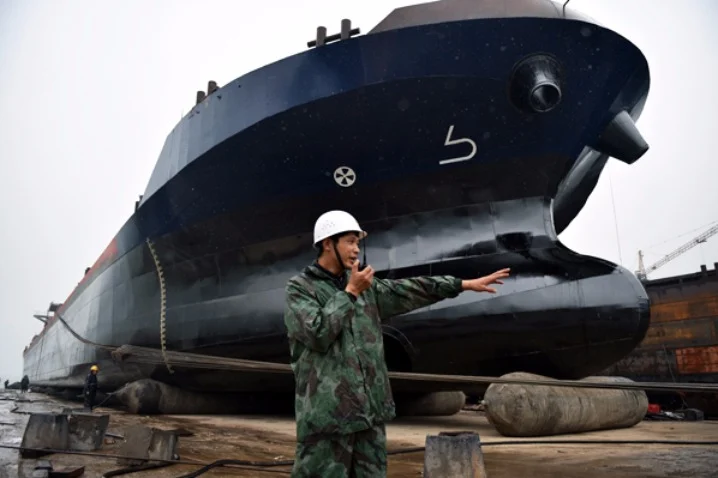
Similarly, the steel sector has witnessed dramatic reductions. Xu Wenli, head of the Iron and Steel Division at the Ministry of Industry and Information Technology (MIIT), reported that China has already cut more than 115 million tons of steel capacity. This achievement brings the country remarkably close to the upper limit of its 13th Five-Year Plan target for the steel sector, which aimed for a reduction of 150 million tons. A crucial component of this effort was the complete phasing out of 140 million tons of low-quality steel, often referred to as "tiao gang," made from scrap metal, by the end of June. This inferior product was not only environmentally inefficient but also posed significant safety and quality concerns. The year 2016 saw 65 million tons of steel production capacity eliminated, with the 2017 goal of 50 million tons achieved by the end of August, underscoring the consistent and accelerated pace of reforms.
Beyond these primary industrial cuts, China is also strategically adjusting its iron ore mining landscape. Lei Pingxi, chief engineer at the Metallurgical Mines Association of China, highlighted that the country is closing numerous small, polluting domestic mines to enhance air quality. This policy shift is expected to lead to increased reliance on iron ore imports. Imports are projected to rise by 5.5 percent year-on-year to 1.08 billion tons in 2017, with a further 3 percent increase anticipated for 2018, reaching 1.12 billion tons. The government’s crackdown on smog and outdated steelmaking capacity will result in the cancellation of over 1,000 mining licenses, primarily affecting small, environmentally detrimental operations. This represents about a third of the country’s iron ore mining licenses and 15 to 20 percent of its total domestic iron ore capacity.
Chronology and Policy Framework
China’s aggressive capacity reduction drive is intrinsically linked to its 13th Five-Year Plan (2016-2020), which outlined a comprehensive strategy for economic and social development. At its core, the plan emphasized "supply-side structural reform" to address imbalances caused by years of rapid, investment-led growth. These imbalances manifested as industrial overcapacity, severe environmental degradation, and a debt buildup in state-owned enterprises.
- 2015 Baseline: Prior to the official launch of the 13th Five-Year Plan, China’s industrial sectors, particularly coal and steel, faced severe overcapacity. The coal industry comprised over 10,800 mines, many of them small, inefficient, and unsafe. The steel sector, accounting for roughly half of global production, was plagued by an estimated 300 million tons of excess capacity, contributing to a global glut and sparking international trade disputes.
- 2016 – The Launch Year: The first year of the 13th Five-Year Plan saw immediate and decisive action. The government set ambitious annual targets and implemented stringent policies.
- Coal: Over 290 million tons of coal capacity were cut, signaling the beginning of a rapid consolidation phase.
- Steel: More than 65 million tons of steel capacity were eliminated, a substantial step towards the overall five-year goal.
- 2017 – Accelerated Progress: The momentum built in 2016 carried strongly into 2017, with targets being met well ahead of schedule.
- Coal: The annual target of 150 million tons in capacity reduction was accomplished by November, demonstrating heightened efficiency in policy implementation. The number of active coal mines continued to shrink significantly.
- Steel: The 2017 capacity reduction goal of 50 million tons was fulfilled by the end of August. Critically, the government launched a nationwide crackdown on "tiao gang" (low-quality steel produced from scrap), eliminating 140 million tons of such capacity by June. This move not only reduced overall capacity but also improved product quality and environmental standards.
- Iron Ore: The year also marked the intensification of closures for small, polluting domestic iron ore mines, leading to a projected increase in iron ore imports to 1.08 billion tons.
- 2018 – Ahead of Schedule: Projections for 2018 indicate that the 500 million metric tons coal capacity reduction target, originally set for the entire five-year period, will be met. Further increases in iron ore imports to 1.12 billion tons are also anticipated as domestic mining reforms continue.
Supporting Data and Economic Context
The scale of China’s industrial capacity is immense, making these reduction figures particularly significant. For context, China’s total raw coal production peaked at over 3.97 billion tons in 2013. By 2016, this had fallen to around 3.41 billion tons, with further reductions expected. The planned 500 million tons reduction represents a substantial cut from peak production levels, impacting global energy markets and the domestic energy mix. While coal remains a dominant energy source, these cuts align with China’s commitment to peak carbon emissions by 2030 and increase the share of non-fossil fuels in primary energy consumption.
In the steel sector, China’s production capacity far outstripped domestic demand and global consumption. In 2016, China produced 808 million tons of crude steel, representing nearly half of the world’s total. The targeted reduction of 150 million tons, alongside the elimination of 140 million tons of low-quality steel, signals a transformative shift in the industry’s structure and output. This move is projected to lead to a more balanced market, higher product quality, and potentially less friction in international trade relations. The closure of "tiao gang" mills was particularly impactful, as these operations often bypassed environmental regulations and produced substandard materials, undermining legitimate steel manufacturers.
The shift towards increased iron ore imports is also a significant economic indicator. China is the world’s largest consumer of iron ore, with its domestic mines often producing lower-grade ore compared to major international suppliers like Australia and Brazil. Closing small, inefficient domestic mines, which are significant contributors to local air and water pollution, aligns environmental goals with economic efficiency. While it increases reliance on global markets, it ensures a higher quality input for the remaining, more advanced steel mills, which are crucial for producing sophisticated materials for modern infrastructure and manufacturing.
Official Responses and Rationale
The proactive statements from officials like Jiang Zhimin, Xu Wenli, and Lei Pingxi underscore the government’s resolve and confidence in the reform agenda. Their reports, often presented at industry forums and policy briefings, serve to communicate progress, reinforce policy direction, and manage expectations within the affected sectors.
The primary motivations behind these sweeping capacity cuts are multifaceted:
- Environmental Protection: China’s "war on pollution," declared in 2014, is a major driving force. Heavy industry, particularly coal mining and steel production, is a leading cause of air pollution (smog), water contamination, and land degradation. Reducing outdated and inefficient capacity directly contributes to cleaner air and water, a critical public demand. The closure of polluting iron ore mines is a direct response to this imperative.
- Economic Rebalancing and Supply-Side Reform: For years, China’s economy relied heavily on investment in heavy industry, leading to overcapacity in many sectors. This resulted in depressed prices, low profitability, and a misallocation of resources. Supply-side reform aims to reduce inefficient supply, boost consumption, encourage innovation, and shift the economy towards higher-value manufacturing and services. By cutting "zombie enterprises" and outdated capacity, the government seeks to improve the overall health and competitiveness of the economy.
- Technological Upgrading and Industrial Modernization: The closure of inefficient mills and mines creates space for more advanced, environmentally friendly, and technologically sophisticated operations. The consolidation of coal production into larger mines, for instance, reflects a move towards greater efficiency and safety. In the steel sector, the elimination of "tiao gang" pushes remaining producers to adhere to higher quality and environmental standards.
- Addressing Global Trade Imbalances: China’s massive steel output, particularly the export of excess capacity, has been a source of tension with major trading partners, who often accuse China of "dumping" steel at below-market prices. By reining in production, China aims to alleviate these tensions and foster a more stable global trade environment.
Broader Impact and Implications
The accelerated pace of industrial capacity reduction in China carries significant implications across economic, social, environmental, and global spheres.
Economic Implications:
- Commodity Markets: The cuts have already influenced global commodity prices. Reduced domestic coal supply, combined with stricter environmental controls, can lead to price fluctuations. Similarly, steel capacity cuts can help stabilize global steel prices, although China’s sheer volume means its actions continue to have a profound effect. Increased iron ore imports will bolster demand from major suppliers, potentially supporting iron ore prices.
- Regional Restructuring: The closures have a substantial impact on regions historically dependent on heavy industry, leading to job losses and economic dislocation. The government is implementing policies for worker retraining and relocation, and investing in new industries to diversify local economies. This process is complex and requires careful management to ensure social stability.
- Corporate Profitability: By reducing oversupply, the reforms aim to improve the profitability of remaining, more efficient enterprises. This can lead to healthier balance sheets and greater investment in research and development.
- Economic Growth: While short-term cuts might impact headline GDP growth in specific industrial sectors, the long-term goal is to achieve more sustainable, higher-quality growth driven by innovation and domestic consumption rather than raw industrial output.
Social Implications:
- Employment: The closure of numerous mines and mills inevitably leads to job losses. Estimates suggest millions of workers could be affected. The government has allocated significant funds for unemployment benefits, re-employment services, and vocational training to mitigate social unrest and facilitate the transition for affected workers.
- Quality of Life: For citizens in heavily industrialized regions, the environmental benefits of cleaner air and water directly translate into an improved quality of life and better public health outcomes. This addresses a major source of public dissatisfaction.
Environmental Implications:
- Air Quality: The most immediate and visible impact is on air quality. Reduced coal consumption and cleaner industrial processes contribute directly to fewer smog days and lower concentrations of particulate matter (PM2.5) in urban centers, especially during winter months.
- Carbon Emissions: While coal cuts contribute to reducing carbon emissions, China’s overall energy demand remains high. The long-term environmental success hinges on the accelerated transition to renewable energy sources and improved energy efficiency across all sectors.
- Resource Management: The focus on higher-quality domestic iron ore and increased imports reflects a more sustainable approach to resource exploitation, reducing the environmental footprint of domestic mining activities.
Global Implications:
- Trade Relations: The capacity cuts, particularly in steel, are seen by many international partners as a positive step towards addressing global oversupply and reducing trade tensions. However, ongoing vigilance is required to ensure that capacity reductions are genuine and not merely a relocation of production.
- Climate Change: China’s efforts in decarbonizing its heavy industry are crucial for global climate action. As the world’s largest emitter, its success in reducing coal dependency and improving industrial efficiency has significant implications for achieving global climate targets, including those set under the Paris Agreement.
- Global Commodity Markets: China’s policy decisions continue to be a dominant factor in global commodity markets, impacting producers and consumers worldwide. The shift in its industrial strategy will necessitate adjustments in global supply chains and investment decisions.
In conclusion, China’s accelerated capacity reduction initiatives in coal, steel, and iron ore mining represent a profound and transformative shift in its industrial policy. By exceeding targets ahead of schedule, Beijing underscores its commitment to environmental protection, economic rebalancing, and industrial modernization. While the process presents significant economic and social challenges, the long-term benefits of a cleaner, more efficient, and sustainable industrial sector are expected to contribute to China’s continued development and its role as a responsible global economic power. The next few years will be critical in observing how these structural reforms fully unfold and reshape China’s industrial landscape and its global economic footprint.

 Evan Lee Salim
 Suro Senen