Asro
Asro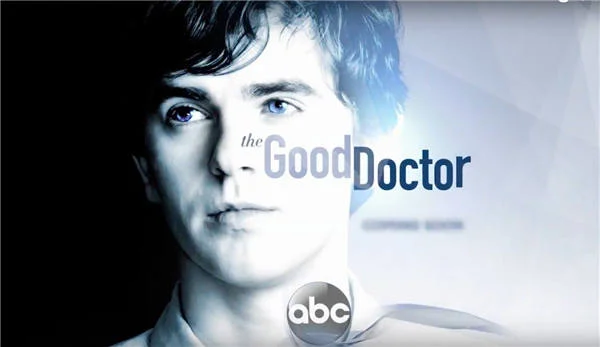
Television viewers and those familiar with individuals on the autism spectrum are largely in agreement: The Good Doctor has emerged as a compelling and impactful television series. The drama, which centers on Dr. Shaun Murphy, a brilliant young surgeon grappling with autism and savant syndrome, has captivated audiences and critics alike, becoming a significant ratings success for ABC and the top new drama of the fall television season. The show’s ability to blend medical intrigue with profound emotional resonance has resonated deeply, prompting widespread discussion about its portrayal of neurodiversity in a high-stakes professional environment.
The Rise of Dr. Shaun Murphy: A Surgical Prodigy Navigates the Medical World
At the heart of The Good Doctor is the character of Shaun Murphy, portrayed with remarkable depth and nuance by Freddie Highmore. Murphy, a gifted surgeon with an extraordinary capacity for observation and problem-solving, is recruited into the prestigious surgical unit of St. Bonaventure Hospital. However, his ascension is met with considerable skepticism from many members of the hospital staff, who perceive his autism and savant syndrome as significant liabilities that could jeopardize patient safety. The series meticulously chronicles Murphy’s journey as he strives to prove his capabilities, overcome ingrained prejudices, and earn the trust and respect of his colleagues.
The narrative arc of The Good Doctor is built upon the inherent tension between Murphy’s undeniable medical genius and the challenges posed by his neurodivergent neurology. Viewers witness his unique approach to diagnosis and treatment, often stemming from his exceptional spatial reasoning and ability to recall vast amounts of medical information. Simultaneously, the show delves into the social and interpersonal hurdles he encounters, from navigating complex hospital politics to forming meaningful connections with his peers and mentors. This delicate balance between showcasing his extraordinary talents and acknowledging his lived experiences as an individual with autism has been a key factor in the show’s widespread appeal.
Critical Reception and Audience Embrace: A Hit Beyond the Operating Room
While some critics have characterized The Good Doctor as overly sentimental, this very emotional core appears to be precisely what has endeared it to a broad viewership. The show’s willingness to explore raw human emotion, coupled with its intricate medical storylines, has struck a chord with audiences. The series has not only achieved significant commercial success, becoming a top-rated program for ABC, but it has also garnered critical praise for its ambitious subject matter and the performances of its cast, particularly Freddie Highmore.
The success of The Good Doctor can be analyzed through several lenses. Firstly, it taps into the enduring fascination with medical dramas, a genre that has consistently proven popular with television audiences. The inherent drama of life-or-death situations, coupled with the intellectual puzzle of diagnosis and treatment, provides fertile ground for compelling storytelling. Secondly, the show addresses a growing societal interest in representation and authentic portrayals of diverse individuals. By placing a neurodivergent protagonist at the center of a mainstream medical drama, The Good Doctor offers a platform for understanding and empathy, challenging preconceived notions about the capabilities of individuals with autism.
Behind the Scenes: The Genesis and Evolution of a Groundbreaking Series
The Good Doctor is an adaptation of a South Korean television series of the same name, which first aired in 2013. The American adaptation, developed by David Shore, premiered on ABC on September 25, 2017. The decision to adapt the series for a Western audience was driven by the universal themes of overcoming adversity and the pursuit of excellence, themes that resonate across cultures.
The development process involved extensive research and consultation to ensure an accurate and sensitive portrayal of autism. Freddie Highmore, in particular, has spoken about the importance of understanding the nuances of autism spectrum disorder to bring the character of Shaun Murphy to life authentically. This commitment to verisimilitude has been widely recognized and appreciated by viewers and advocacy groups alike.
The show’s narrative has evolved over its seasons, allowing for the exploration of various facets of Dr. Murphy’s life and career. Early seasons focused on his initial integration into the hospital and the challenges he faced in proving his worth. Subsequent seasons have delved deeper into his personal relationships, his development as a surgeon, and his ongoing efforts to navigate a world that doesn’t always understand him. This consistent commitment to character development and thematic exploration has contributed to the show’s sustained popularity.
Supporting Data: Ratings and Recognition
The ratings success of The Good Doctor has been undeniable. Upon its premiere, the show drew a significant audience, and its viewership has remained strong throughout its broadcast history. For the 2017-2018 television season, The Good Doctor was ranked as the 10th most-watched show on broadcast television, averaging 11.7 million viewers. It also secured its position as the top new drama of the fall 2017 season.
Beyond its commercial success, the series has also garnered critical acclaim and numerous awards nominations. Freddie Highmore has been particularly lauded for his performance, earning Golden Globe and Critics’ Choice Television Award nominations for Best Actor in a Television Series – Drama. The show itself has been recognized by various organizations for its contribution to authentic representation and its compelling storytelling.
Voices from the Spectrum: Community Reactions and Impact
The portrayal of autism in media has often been a subject of debate, with past depictions sometimes criticized for being stereotypical or inaccurate. The Good Doctor, however, has largely been embraced by the autism community for its nuanced and empathetic representation of Dr. Shaun Murphy. Many individuals on the autism spectrum and their families have expressed their appreciation for the show’s efforts to showcase the strengths and challenges of neurodivergent individuals in a professional setting.
Advocacy groups have often highlighted the show’s potential to foster greater understanding and acceptance of autism. By presenting Dr. Murphy as a competent and valuable member of the medical team, the series challenges negative stereotypes and promotes a more inclusive perspective. Statements from organizations like Autism Speaks have often acknowledged the show’s positive impact in raising awareness and promoting dialogue. While no portrayal can encompass the entirety of the autism spectrum, The Good Doctor has made a significant effort to present a multifaceted and relatable character.
Broader Implications: Neurodiversity in the Workplace and Beyond
The success of The Good Doctor has far-reaching implications that extend beyond the realm of entertainment. The show has sparked important conversations about neurodiversity in the workplace, particularly in demanding professions like medicine. It raises critical questions about how we can create more inclusive environments that accommodate diverse cognitive styles and abilities.
The series implicitly argues for a shift in perspective, encouraging employers and colleagues to look beyond perceived limitations and recognize the unique talents and contributions that neurodivergent individuals can offer. Dr. Murphy’s journey demonstrates that with appropriate support and understanding, individuals with autism can excel in challenging roles, bringing valuable skills and perspectives to their fields.
Furthermore, The Good Doctor contributes to a broader cultural dialogue about empathy and understanding. By allowing viewers to connect with Dr. Murphy on an emotional level, the show fosters a sense of shared humanity and encourages a more compassionate approach to individuals who may navigate the world differently. This increased understanding can have a ripple effect, influencing how people interact with and perceive neurodiversity in all aspects of life.
The show’s impact also extends to aspiring professionals. For young individuals on the autism spectrum who may harbor dreams of careers in STEM fields or other demanding professions, Dr. Shaun Murphy serves as an inspiring role model, demonstrating that their aspirations are not only valid but achievable. The visibility of such a character can empower and encourage a new generation to pursue their passions without the limitations of societal prejudice.
In conclusion, The Good Doctor has transcended its status as a mere television program. It has become a cultural touchstone, a catalyst for important conversations, and a powerful advocate for neurodiversity. Its continued success underscores a growing societal appetite for authentic storytelling that challenges stereotypes and celebrates the unique contributions of all individuals. The series stands as a testament to the power of television to educate, inspire, and foster a more inclusive and understanding world.

 Asep Darmawan
 Rifan Muazin