Lina Irawan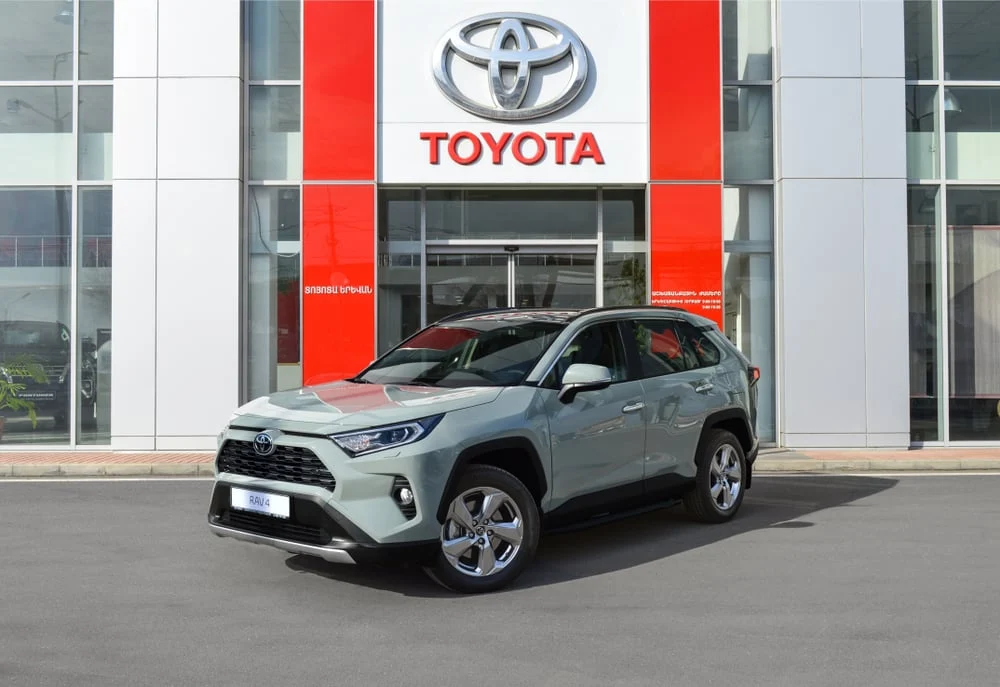
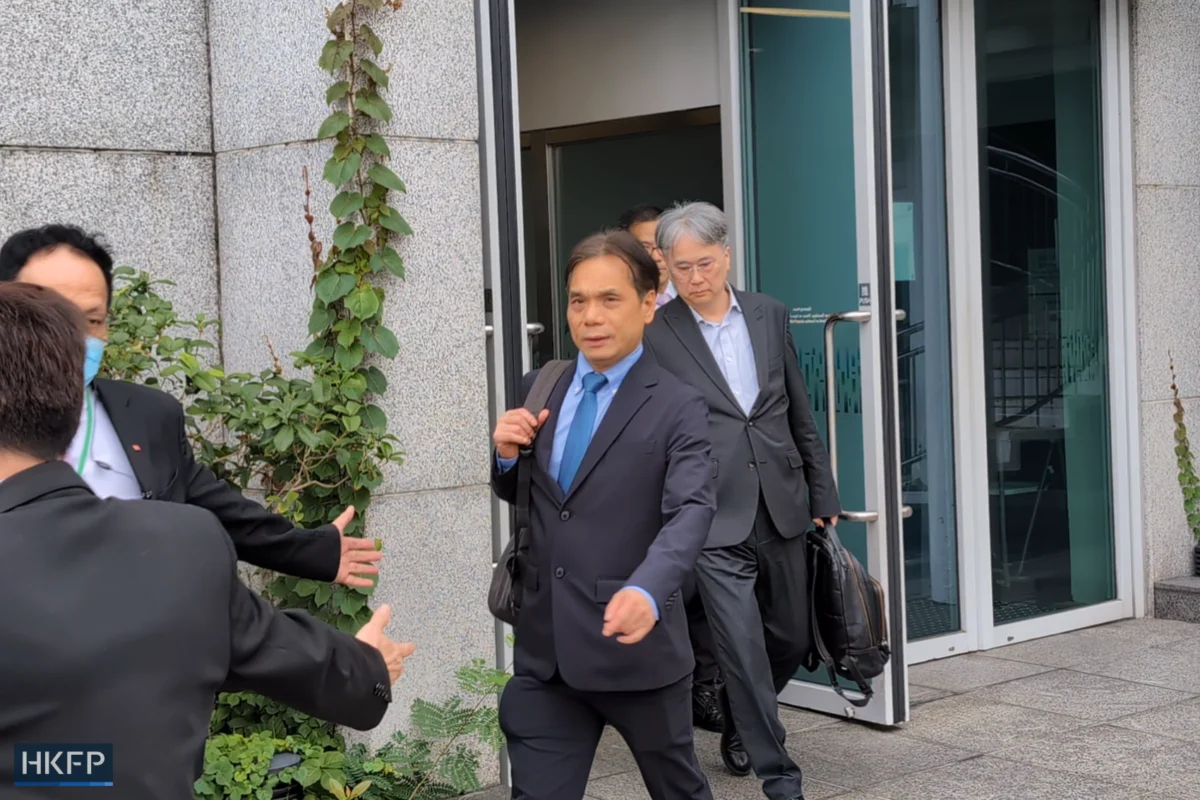
TOKYO – Toyota Motor Corporation’s Annual Ordinary General Shareholders’ Meeting, held today in Toyota City, Aichi Prefecture, saw the re-election of Akio Toyoda to the pivotal role of chairman. Shareholders also overwhelmingly endorsed the appointment of the company’s new President and CEO, Kenta Kon, to the board of directors. This decisive vote signifies sustained investor confidence in Toyota’s controversial "multi-pathway" strategy, a direction that has drawn significant criticism from climate advocates and environmental organizations who argue it impedes the global transition towards zero-emission electric vehicles (EVs).
Following the conclusion of the meeting, Toyota’s leadership addressed reporters, with President and CEO Kenta Kon reaffirming the company’s unwavering commitment to its multi-pathway approach. Kon emphasized Toyota’s intention to continue developing and utilizing a diverse range of powertrains, stating that the automaker would not be "hitting the brakes suddenly" on its established course. This assertion underscores Toyota’s strategic decision to balance its investments across various technologies, including hybrid vehicles, hydrogen fuel cells, and internal combustion engines, alongside a more gradual integration of battery electric vehicles.
Greenpeace East Asia Criticizes "Corporate Complacency"
In a pointed response to the shareholder meeting’s outcomes and Toyota’s continued adherence to its strategy, Erin Eunseo Choi, climate and energy campaigner at Greenpeace East Asia, issued a strong statement. Choi highlighted the increasing vulnerability of fossil fuel-dependent industries, citing geopolitical volatility and escalating oil prices as key factors accelerating global demand for EVs. She contended that Toyota’s pace of adaptation is insufficient in this rapidly evolving landscape.
"Geopolitical volatility and soaring oil prices have exposed the vulnerability of our fossil fuel-dependent industries, accelerating EV demand while Toyota slows to adapt," Choi stated. "In a reply to Greenpeace, Toyota said it supports the Paris Agreement, yet concrete steps remain invisible. Its executives speak of a ‘multi-pathway strategy,’ but there is no time for corporate complacency. An ambulance carrying a critically ill patient needs a clear destination and speed. The climate crisis is that patient, and the hospital is not getting any closer."
Greenpeace’s critique centers on the perceived lack of urgency from Toyota in fully embracing electrification. The organization argues that while Toyota’s multi-pathway approach offers flexibility, it ultimately delays the necessary scale-up of zero-emission technologies, which are crucial for meeting global climate targets.
Toyota’s Market Position and Environmental Scrutiny
Despite the criticisms, Toyota maintained its position as the world’s largest automotive manufacturer by volume in 2025. However, this scale comes with significant environmental responsibility. The company’s reported total lifecycle greenhouse gas emissions in 2024 reached 589.57 million tonnes of CO2 equivalent, encompassing Scope 1 (direct operations), Scope 2 (purchased energy), and Scope 3 (value chain/vehicle use) emissions. For comparative context, Japan’s total national annual emissions for the same period were 961.87 million tonnes.
The company’s commitment to decarbonization and EV adoption has faced increasing scrutiny. In the 2026 Lead the Charge ranking, an annual assessment of automakers’ EV policies, Toyota dropped to 16th place out of 18 global manufacturers. This marks its second consecutive annual decline in the rankings, a trend attributed to criticisms regarding slow supply-chain decarbonization efforts and less robust human-rights tracking within its operations.
Further illustrating this trend, battery electric vehicles (BEVs) accounted for a mere 2% of Toyota’s total sales in 2025. This figure significantly lags behind many global competitors, and Toyota has yet to set a clear internal combustion engine (ICE) phase-out target. This strategic ambiguity contrasts sharply with the ambitious electrification goals set by many of its rivals, particularly in the rapidly growing Chinese automotive market.
Adding to the controversy, Toyota, along with the Japan Automobile Manufacturers Association, has been subject to examination for its lobbying activities in emerging markets such as Indonesia, Brazil, and Colombia. Reports suggest these efforts have advocated for biofuels and transitional powertrains, measures that critics argue are designed to intentionally postpone the widespread adoption of fully electric vehicles in these regions.
Economic Headwinds and Shifting Market Dynamics
The automotive industry is navigating a complex economic landscape. Toyota recently experienced an estimated US$4.3 billion financial impact due to a combination of surging material costs and lost sales within the current year. These macroeconomic headwinds underscore the financial pressures facing global automakers.
However, even amidst these challenges, global EV sales have demonstrated a robust and accelerating growth trajectory. This trend is particularly evident in key automotive markets. In Southeast Asia, a region considered Toyota’s primary market for its combustion engine vehicles, and in Japan, where EV sales doubled year-on-year in March, the market is undergoing a rapid transformation. This shift suggests a growing consumer preference for electric mobility, potentially leaving automakers heavily invested in traditional powertrains vulnerable.
Akio Toyoda’s "Loneliness" and the Imperative for Electrification
In a notable admission earlier this year, Chairman Akio Toyoda expressed a sense of isolation regarding his continued conviction in the internal combustion engine. He stated he felt "very alone" as his viewpoint appeared to be becoming a minority opinion within the automotive industry’s broader shift towards EVs.
"Chairman Toyoda recently admitted he feels ‘alone’ that his conviction in the internal combustion engine is becoming a minority view," Choi remarked. "But loneliness is not a strategy, and it’s costing Toyota its market dominance. To stay competitive against Chinese rivals—who now lead in pricing and technology and are already displacing Japanese automakers in Southeast Asia—Toyota needs an immediate, long-term electrification target."
The competitive pressure from Chinese automakers is a significant factor. These companies have rapidly advanced in EV technology and cost-effectiveness, posing a substantial challenge to established global players like Toyota. Their aggressive expansion into markets like Southeast Asia is already impacting market share for traditional Japanese manufacturers.
The Broader Implications: Climate Crisis and Corporate Responsibility
The intensifying impacts of climate change, manifested in increasingly frequent and severe extreme weather events, add a layer of urgency to the automotive industry’s transition to cleaner technologies. Environmental advocates argue that delays in electrification translate directly into a greater burden on communities and ecosystems.
"As climate-driven extreme weather intensifies, Toyota’s customers and communities will bear the cost of this hesitation," Choi emphasized. "Its recent US$800 million investment in Kentucky, which includes EV production, is a start, but Toyota has the scale to lead this transition globally. We call on Mr. Toyoda to match his company’s resources with genuine ambition."
While Toyota’s recent US$800 million investment in its Kentucky facility, which includes provisions for EV production, has been acknowledged as a step forward, critics maintain that the scale and speed of this investment are insufficient given Toyota’s global reach and resources. The call from organizations like Greenpeace is for Toyota to leverage its substantial influence and financial capacity to accelerate its electrification efforts and align its strategy with the global imperative to combat climate change.
The ongoing debate surrounding Toyota’s "multi-pathway" strategy highlights a fundamental tension between established business models and the urgent need for a rapid transition to sustainable energy. The shareholder meeting’s outcome indicates that, for now, Toyota’s leadership remains committed to its chosen path, even as external pressures and market shifts continue to mount. The coming years will be critical in determining whether Toyota’s strategy proves to be a prudent diversification or a missed opportunity in the race towards a zero-emission future.
Historical Context and Timeline of Toyota’s Strategy
Toyota’s multi-pathway strategy is not a recent development. The company began exploring a broader range of powertrain technologies in the early 2000s, partly in response to fluctuating fuel prices and evolving environmental regulations. The introduction of the Prius in 1997, a pioneering hybrid electric vehicle, established Toyota as a leader in alternative powertrains. This success, however, appears to have fostered a cautious approach to fully electric vehicles, with the company prioritizing the development of hybrid and fuel-cell technologies alongside traditional internal combustion engines.
- 1997: Toyota launches the Prius, the world’s first mass-produced hybrid electric vehicle, marking a significant early step in alternative powertrain development.
- Early 2000s: Toyota begins to articulate and refine its "multi-pathway" approach, emphasizing the need for diverse solutions to meet varied global needs and infrastructure limitations.
- 2010s: As global concerns about climate change intensify and EV technology matures, competitors begin to accelerate their BEV development and sales targets. Toyota continues to invest heavily in hybrid technology and explores hydrogen fuel cells (e.g., Mirai).
- Late 2010s – Early 2020s: Criticism mounts from environmental groups and some investors regarding Toyota’s slower-than-average transition to battery electric vehicles and its perceived lobbying efforts against stricter EV mandates.
- 2024-2025: Toyota faces a significant drop in its "Lead the Charge" ranking, and reports emerge of its lobbying activities in emerging markets. Simultaneously, global EV sales experience accelerated growth.
- June 2026: Toyota Motor Corporation’s Annual Ordinary General Shareholders’ Meeting re-elects Akio Toyoda as chairman and approves Kenta Kon as a board member, signaling continued support for the company’s existing strategy.
This timeline illustrates a consistent, albeit debated, strategic direction from Toyota, one that prioritizes technological diversity over an exclusive focus on full electrification.
Analysis of Implications
The sustained endorsement of Toyota’s multi-pathway strategy by its shareholders carries significant implications for the global automotive industry and the broader fight against climate change.
- Market Dominance vs. Sustainability: Toyota’s ability to maintain its position as the world’s largest automaker while pursuing a less aggressive electrification path suggests that traditional business models can still yield significant commercial success. However, this success is increasingly being weighed against its environmental footprint and its contribution to global decarbonization efforts. The risk for Toyota is that its market dominance could erode if consumer preferences and regulatory landscapes shift decisively towards EVs faster than the company can adapt.
- Competitive Landscape: The strong performance of Chinese EV manufacturers and the rapid progress of other global automakers in electrification put pressure on Toyota. If Toyota’s multi-pathway strategy does not yield comparable advancements in zero-emission technology at a competitive cost, it could fall further behind in key markets, particularly those prioritizing advanced EV technology and affordability.
- Climate Goals: From an environmental perspective, Toyota’s strategy is seen by critics as a barrier to achieving urgent climate goals. The slower adoption of zero-emission vehicles means continued reliance on fossil fuels for transportation, contributing to ongoing greenhouse gas emissions. The argument is that a company of Toyota’s scale has a moral and practical imperative to lead, not lag, in the transition to sustainable mobility.
- Investor Relations: While shareholders have backed the current leadership, ongoing environmental, social, and governance (ESG) pressures from institutional investors and activist funds could create future challenges. Companies are increasingly being evaluated not just on financial performance but also on their sustainability credentials and their alignment with global climate targets.
Toyota’s decision-making process is influenced by a complex interplay of historical strengths, market analysis, technological development, and investor sentiment. The outcome of this year’s shareholder meeting suggests that the company believes its current strategy, while subject to criticism, is the most prudent path forward for its long-term viability and profitability. However, the accelerating global shift towards electrification and the escalating urgency of the climate crisis suggest that this strategy will continue to be closely scrutinized and challenged in the years to come.
END

 Asep Darmawan
 Asro
Asro