Reynand Wu
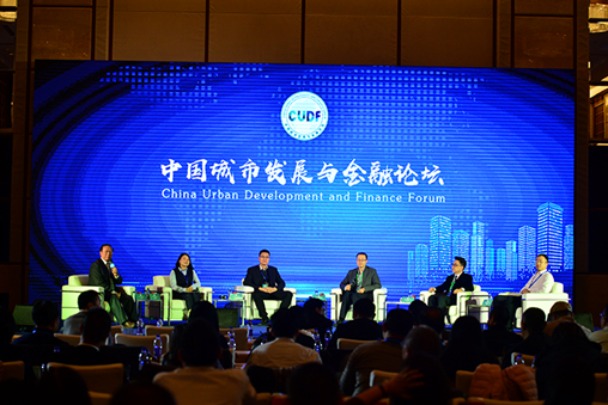
A pivotal forum convened in Beijing on December 9, 2017, bringing together a diverse assembly of experts, policymakers, and industry leaders to confront the intricate challenges of urban development and champion a vision for greener, more sustainable cities across China. The China Urban Development and Finance Forum, spearheaded by Shunxin Construction, served as a critical platform for deliberating strategies aligned with the nation’s overarching commitment to high-quality growth and ecological civilization, following the recently concluded 19th National Congress of the Communist Party of China.
The Evolving Landscape of China’s Urbanization
China’s urbanization trajectory has been nothing short of transformative, propelling hundreds of millions from rural areas into burgeoning cities over the past four decades. This rapid demographic shift, while fueling unprecedented economic growth, has also engendered a complex array of challenges. By 2017, China’s urban population had surpassed 58 percent, a stark contrast to less than 20 percent in the late 1970s. This relentless expansion, however, often came at a significant cost: rampant environmental degradation, including severe air and water pollution, depletion of natural resources, and the loss of arable land. Furthermore, cities grappled with issues of congestion, inadequate public services, widening wealth disparities, and the erosion of local cultural identities as historic districts gave way to modern concrete structures.
Recognizing these accumulating pressures, the central government initiated a profound reorientation of its development philosophy. The 19th CPC National Congress, held in October 2017, underscored a strategic shift from an extensive, quantity-driven growth model to one that prioritizes quality, efficiency, and sustainability. This seminal event solidified the "innovative, coordinated, green, open, and shared" development concept as the guiding principle for all national endeavors, with urban planning and development standing at its forefront. The forum, therefore, was not merely a discussion but a timely articulation of how these national directives would translate into tangible urban strategies, fostering a collaborative ecosystem where government, enterprises, and research institutions could collectively pursue win-win outcomes for urban resilience and prosperity.
Forging a Path Towards Sustainable Urbanism: Key Concepts

The discussions at the forum revolved heavily around the "Five Development Concepts," which served as a robust framework for envisioning China’s urban future. These principles are not isolated tenets but an integrated approach designed to address the multifaceted nature of modern urban challenges:
- Innovative Development: This concept champions the integration of cutting-edge technologies and new methodologies into urban planning, construction, and management. It encourages smart city initiatives, leveraging big data, artificial intelligence, and IoT to optimize resource allocation, enhance public services, and improve urban governance. For instance, innovative financing mechanisms, smart infrastructure, and digital platforms for citizen engagement are all facets of this principle, aiming to foster dynamic and future-proof urban environments.
- Coordinated Development: This principle emphasizes balanced regional growth, seeking to bridge the disparities between highly developed mega-cities and underdeveloped second- and third-tier cities and townships. It advocates for integrated urban-rural development, ensuring equitable access to resources, infrastructure, and public services across different areas. The goal is to prevent excessive concentration in a few urban centers while revitalizing smaller cities and rural communities, thereby creating a more harmonious national urban system.
- Green Development: Arguably one of the most critical pillars, green development places ecological protection and sustainable resource management at its core. It calls for low-carbon urban planning, the adoption of renewable energy, comprehensive waste management systems, water conservation, and the creation of extensive green spaces. This concept directly responds to the environmental crises exacerbated by rapid industrialization and urbanization, aiming to build cities that coexist harmoniously with nature and enhance the ecological well-being of their inhabitants.
- Open Development: This principle promotes greater openness and international cooperation in urban development. It encourages cities to attract global talent, investment, and advanced technologies, fostering a more interconnected and competitive urban landscape. Openness also implies adopting best practices from around the world in urban governance, planning, and sustainability, positioning Chinese cities as integral nodes in the global urban network.
- Shared Development: This concept focuses on inclusive growth, ensuring that the benefits of urban development are shared equitably among all residents. It addresses social inequalities by prioritizing access to affordable housing, quality education, healthcare, and robust social safety nets. Shared development seeks to create cities where every citizen, regardless of background, has opportunities to thrive and participate in urban life, thereby fostering social harmony and reducing disparities.
Industry Leadership and Strategic Commitments
Shunxin Construction, the forum’s sponsor, demonstrated its commitment to these national directives. Wang Yawei, the board chairman, articulated his company’s resolve to fully embrace the "innovative, coordinated, green, open, and shared" development philosophy. He emphasized that Shunxin would actively "push forward supply-side reform" within the construction sector, signaling a shift towards higher quality, more sustainable, and technologically advanced building practices rather than simply maximizing output. This commitment reflected a broader industry trend where construction and real estate companies were being urged to align their business models with national sustainability goals, moving beyond traditional, resource-intensive methods.

Wei Wuqun, General Manager of Shunxin Construction Investment and Fund, highlighted the indispensable role of robust financial mechanisms in realizing sustainable urban development and facilitating state-owned enterprise (SOE) reform. His remarks underscored that innovative funding solutions, such as public-private partnerships (PPPs), green bonds, and specialized urban development funds, are crucial for mobilizing the vast capital required for ambitious urban transformation projects. Furthermore, by linking urban development to SOE reform, Wei pointed to the potential for state-owned entities to become leading forces in sustainable investment and project implementation, leveraging their scale and resources to drive national strategic objectives. This perspective acknowledged that while government policy sets the direction, financial engineering and corporate engagement are vital for execution.
The Imperative of Urban Restoration: The Sanya Model
One of the forum’s most illuminating discussions centered on the concept of "urban restoration" (城市修补), a holistic approach to rejuvenating existing urban environments. Wang Zhongjie from the China Academy of Urban Planning and Design elaborated on this concept, using the coastal city of Sanya in Hainan province as a compelling case study. Sanya, renowned for its pristine beaches and burgeoning tourism industry, had faced challenges typical of rapidly developed tourist destinations: uncontrolled construction, environmental degradation of coastal ecosystems, and a loss of local character due to generic architectural styles.

Urban restoration, as explained by Wang, transcends mere renovation. It is a comprehensive strategy aimed at restoring the urban environment, enhancing the city’s aesthetic appeal, and reviving its unique cultural connotations. For Sanya, this would entail several key initiatives:
- Ecological Rehabilitation: Reversing the damage to coral reefs and coastal wetlands, improving water quality, and creating more green public spaces.
- Architectural Harmonization: Encouraging building designs that complement the natural landscape and local cultural heritage, potentially through strict zoning laws and design guidelines.
- Infrastructure Upgrading: Modernizing utilities, transportation networks, and public amenities to support sustainable tourism and improve residents’ quality of life.
- Cultural Preservation: Protecting and revitalizing historical sites, traditional neighborhoods, and local customs to imbue the city with a stronger sense of identity.
The Sanya example served as a powerful illustration of how urban restoration could transform cities from centers of economic activity into vibrant, livable, and culturally rich spaces that prioritize both ecological integrity and human well-being. This approach resonated deeply with the national push for "ecological civilization," which seeks to integrate environmental protection into all aspects of economic and social development.
Deep Dive into Forum Seminars: Balancing Resources and Smart Finance

The forum’s agenda was further structured around two specialized seminars, allowing for more focused discussions on critical sub-themes.
1. The Balance Between Urban Development and Environmental Resources:
This seminar delved into the delicate equilibrium required to sustain urban growth without depleting natural assets. Participants discussed the pressing environmental challenges facing Chinese cities, including severe air pollution (smog), water scarcity and contamination, efficient waste management, and the preservation of biodiversity within urban boundaries. Key policy instruments and strategies were explored:
- Ecological Redlines: Strict zones where development is prohibited or severely restricted to protect vital ecosystems.
- Emission Reduction Targets: Setting ambitious goals for industries and transportation to reduce pollutants.
- Circular Economy Principles: Promoting recycling, reuse, and waste-to-energy initiatives to minimize resource consumption.
- Green Infrastructure: Investing in natural solutions like permeable pavements, urban forests, and constructed wetlands to manage stormwater, improve air quality, and enhance urban biodiversity.
Representatives from pilot cities engaged in urban restoration initiatives shared their firsthand experiences, offering practical insights into overcoming implementation hurdles and achieving measurable environmental improvements. These exchanges highlighted the importance of localized solutions tailored to specific urban contexts, while adhering to national environmental standards.
2. Smart Urban Finance:
The second seminar focused on the innovative financial strategies essential for funding the transition to sustainable cities. "Smart urban finance" encompasses leveraging technology and novel financial instruments to optimize capital allocation, enhance transparency, and attract diverse investment streams for urban projects. Discussions covered:

- Public-Private Partnerships (PPPs): Structuring agreements that allow private sector capital and expertise to contribute to public infrastructure and service delivery, distributing risks and rewards more effectively.
- Green Bonds and Funds: Developing financial products specifically for environmentally friendly projects, appealing to investors committed to sustainable development.
- Data-Driven Investment: Utilizing big data analytics to assess project viability, manage risks, and ensure accountability in urban development financing.
- Digital Platforms for Transparency: Implementing blockchain or similar technologies to enhance transparency in financial flows and project monitoring, building investor confidence.
The seminar emphasized that without a robust and innovative financial ecosystem, the ambitious goals of urban restoration and sustainable development would remain aspirational. It underscored the need for regulatory frameworks that encourage private investment in green projects and for financial institutions to develop expertise in assessing and managing these new types of urban assets.
Broader Impact and Future Implications
The China Urban Development and Finance Forum in December 2017 was more than a mere conference; it was a strategic gathering reflecting China’s profound commitment to re-envisioning its urban future. The discussions and commitments made at the forum carried significant implications for various stakeholders and for the nation’s long-term development trajectory.
For Citizens: The shift towards "green" and "shared" development promises a tangible improvement in the quality of life for urban residents. This includes cleaner air and water, more accessible green spaces, better public services (healthcare, education, transportation), and more inclusive urban environments that cater to diverse needs. Urban restoration projects aim to create more livable, aesthetically pleasing, and culturally vibrant communities.

For Businesses and Investors: The new development paradigm opens up immense opportunities for innovation and investment in green technologies, smart city solutions, sustainable construction, and urban infrastructure. Companies that align with these national priorities, like Shunxin Construction, are poised to lead the market. The emphasis on smart urban finance and PPPs signals a welcoming environment for private capital, albeit with a stronger focus on social and environmental returns alongside financial ones.
For Policymakers and Planners: The forum provided a clear mandate and a framework for integrating national strategic objectives into local urban planning. It highlighted the need for inter-agency coordination, data-driven decision-making, and continuous learning from pilot projects. The challenges of implementation, including overcoming bureaucratic inertia, securing adequate funding, and ensuring equitable development, remain significant but are now addressed with a clearer policy direction.
Global Context: China’s efforts in sustainable urban development resonate with global aspirations, particularly the United Nations Sustainable Development Goals (SDGs), especially SDG 11: "Make cities and human settlements inclusive, safe, resilient and sustainable." By tackling its unique urbanization challenges with a comprehensive and integrated approach, China is not only shaping its own future but also potentially offering valuable lessons and models for other developing nations grappling with similar pressures.

In conclusion, the 2017 China Urban Development and Finance Forum marked a critical juncture in China’s urban evolution. It solidified the "Five Development Concepts" as the bedrock of future urban planning, emphasized the crucial role of finance and innovation, and highlighted "urban restoration" as a practical pathway to creating more livable, resilient, and environmentally harmonious cities. As China continues its ambitious urbanization campaign, the principles and strategies discussed at this forum will undoubtedly guide its journey towards a truly sustainable urban future.

 Sagoh
Sagoh
 Asro
Asro