Azzam Bilal Chamdy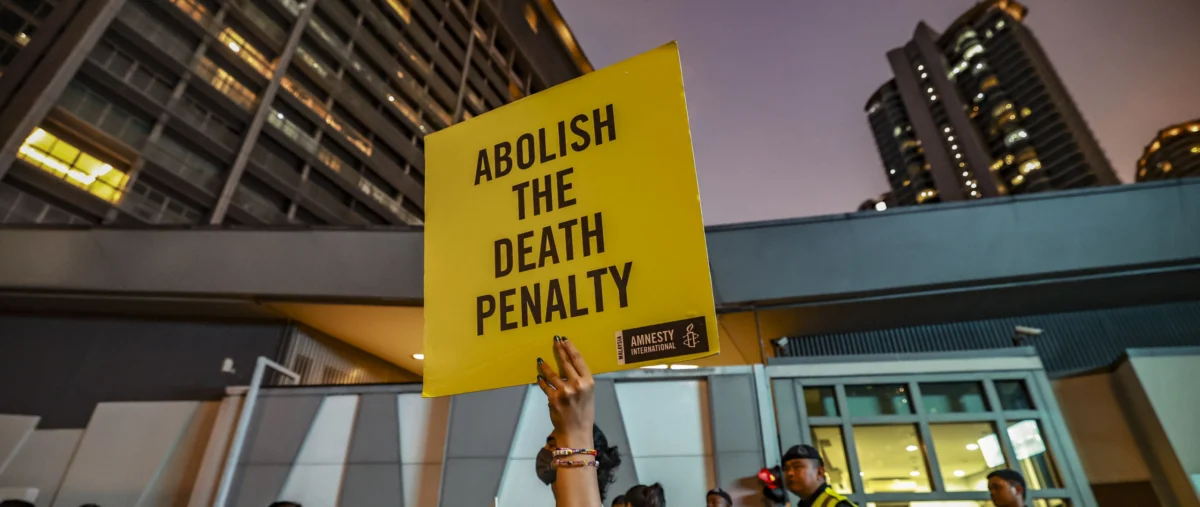
As the international community prepares to observe the International Day Against Drug Abuse and Illicit Trafficking on June 26, prominent human rights organizations are intensifying their pressure on the United Nations to address a burgeoning crisis in the application of capital punishment for narcotics offenses. Amnesty International and Harm Reduction International (HRI) have issued a joint call to the UN Office on Drugs and Crime (UNODC) and the Commission on Narcotic Drugs (CND), demanding immediate and decisive action to condemn the use of the death penalty for drug-related crimes. The organizations argue that the current silence from these global bodies undermines international human rights standards and fails to address a significant spike in state-sanctioned killings that have reached levels not seen in decades.
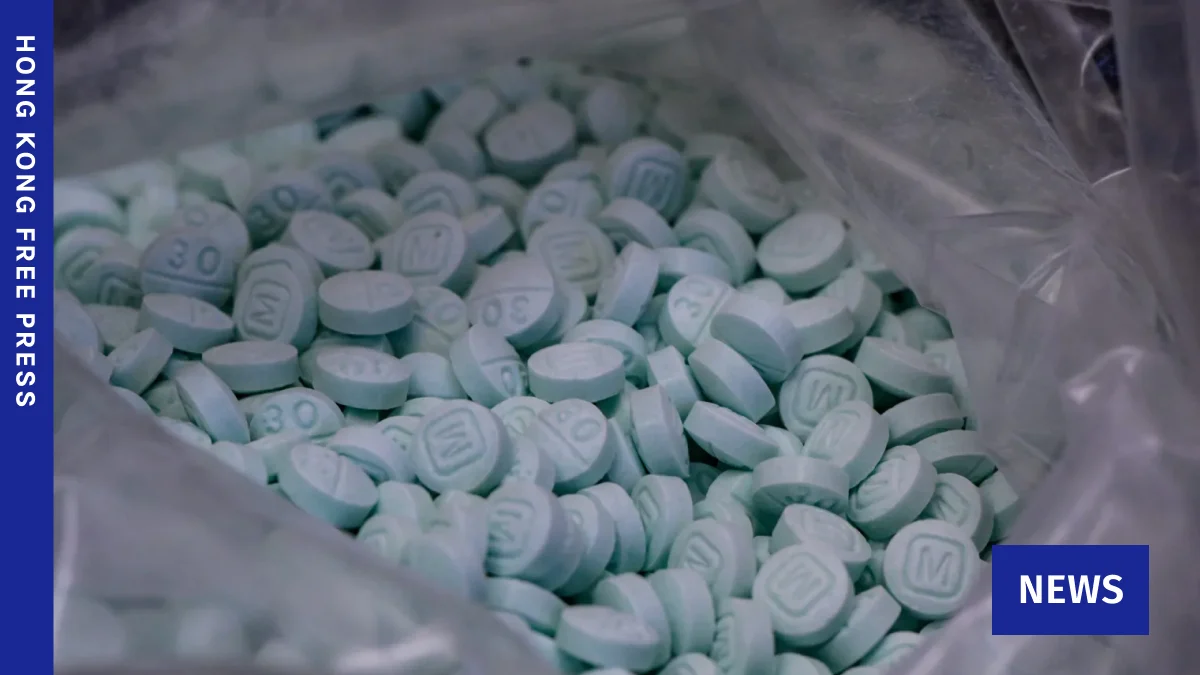
The plea for intervention comes at a critical juncture in global drug policy. Despite a general international trend toward the abolition of capital punishment, a small but determined group of "retentionist" states has significantly ramped up executions for non-violent drug offenses. According to data compiled by Amnesty International and HRI, drug-related executions now account for more than 40% of the total recorded executions worldwide. In 2025 alone, 1,257 individuals were executed for drug-related crimes—representing approximately 46% of all known executions globally. These figures represent the highest recorded numbers in nearly half a century, signaling a regression in human rights protections within the context of global drug control efforts.
A Growing Geographic and Legislative Crisis
The surge in executions is primarily concentrated in a handful of nations that maintain a hardline, punitive approach to drug control. The 2025 data identifies five countries as the primary drivers of these statistics: China, Iran, Kuwait, Saudi Arabia, and Singapore. While China remains the world’s most prolific executioner, the exact number of its drug-related deaths remains a state secret, leading experts to believe the global total is significantly higher than the confirmed 1,257 cases.
In Iran, the situation has reached what advocates describe as a "human rights emergency." The country has seen a massive uptick in executions following domestic unrest, with drug-related charges often used as a tool of state control. Similarly, Saudi Arabia has drawn international condemnation for ending a moratorium on executions for drug offenses, leading to a rapid increase in the use of the sword for narcotics-related crimes. Singapore, despite its high-income status and reputation for judicial stability, continues to execute individuals for relatively small amounts of drugs, maintaining that the death penalty serves as an effective deterrent—a claim that human rights organizations and many criminologists dispute.
Beyond those carrying out executions, a concerning trend of legislative expansion is emerging. Algeria, Kuwait, and the Maldives have recently undertaken efforts to expand the scope of their penal codes, seeking to include drug-related offenses among the crimes punishable by death. Perhaps most alarming is the recent development in Jordan, which ended a nine-year hiatus on capital punishment this week. The Jordanian government executed six individuals and concurrently announced plans by the Prime Minister to broaden the legal framework of the death penalty to encompass specific drug-related offenses. This shift represents a significant step backward for a region that had shown signs of moving toward more moderate sentencing.
International Law and the "Most Serious Crimes" Threshold
The central legal argument presented by Amnesty International and Harm Reduction International is that the death penalty for drug offenses is inherently unlawful under international law. Article 6 of the International Covenant on Civil and Political Rights (ICCPR), which many of these executing nations have ratified, stipulates that in countries which have not abolished the death penalty, the sentence may be imposed only for the "most serious crimes."
International human rights bodies, including the UN Human Rights Committee, have repeatedly clarified that "most serious crimes" must be interpreted restrictively to mean only those involving intentional killing. Drug offenses, which do not meet this threshold of lethal intent, are therefore considered outside the legal scope for capital punishment. Chiara Sangiorgio, Amnesty International’s expert on the death penalty, emphasized that the current application of the law is "unlawful, arbitrary, and discriminatory."
Catherine Cook, Executive Director of Harm Reduction International, echoed these sentiments, stating that any use of the death penalty is a violation of human rights. "But its use for drug-related offences is prohibited under international law and standards," Cook noted. "It is high time that the UN bodies overseeing international drug policy confronted the harms caused by punitive practices and make the abolition of the death penalty a priority worldwide."
The Role of the UNODC and the World Drug Report
The UNODC, as the primary UN entity responsible for drug control and crime prevention, is currently under fire for its perceived inaction. Each year on June 26, the UNODC launches its flagship "World Drug Report," a comprehensive analysis of global drug markets and policy trends. Human rights advocates argue that this platform is consistently underutilized as a tool for reform.
To date, the World Drug Report has been criticized for failing to provide a dedicated, rigorous analysis of the human rights impacts of drug policies, specifically regarding the death penalty. Amnesty International and HRI, backed by a coalition of 61 other non-governmental organizations, are demanding that the UNODC integrate human rights into its core strategy. Specifically, they are calling for:
- A dedicated chapter in the World Drug Report focused on the human rights implications of drug control.
- Updated and transparent data on the use of the death penalty for drug offenses across all member states.
- An explicit commitment within the new UNODC strategy to promote the global abolition of the death penalty.
- Recommendations for specific measures that retentionist countries can adopt to bring their domestic laws into alignment with international standards.
The organizations argue that the UNODC’s silence provides a "veneer of legitimacy" to states that use the UN’s drug control framework to justify their punitive measures. By not explicitly condemning these executions, the UNODC is seen as being complicit in the erosion of the right to life.
Socio-Economic Implications and the Burden of Punishment
Analysis of the demographics of those on death row for drug offenses reveals a stark pattern of discrimination. The death penalty for drugs rarely targets the "kingpins" or high-level organizers of international trafficking syndicates. Instead, it overwhelmingly impacts the most vulnerable members of society, including those living in poverty, foreign nationals with limited legal support, and members of marginalized ethnic or racial groups.
In many cases, individuals are recruited as "mules" due to economic desperation. Once caught, they often face legal systems where they lack access to adequate representation or translation services. In countries like Saudi Arabia and Malaysia (the latter of which recently took steps toward reform), a significant portion of those on death row for drugs are foreign nationals. This highlights a systemic failure where the ultimate punishment is reserved for those at the bottom of the criminal hierarchy, while the structural issues driving the drug trade remain unaddressed.
Furthermore, the "deterrence" argument frequently cited by governments in Singapore and Iran has been challenged by numerous studies. Data suggests that there is no credible evidence that the death penalty is more effective at reducing drug trafficking or consumption than other forms of punishment, such as long-term imprisonment or harm reduction strategies. The persistence of drug markets in countries with the harshest penalties suggests that the threat of death is an ineffective tool for social engineering and public health management.
A Chronology of Policy and Execution Trends
To understand the current urgency, it is necessary to look at the timeline of global drug policy and capital punishment over the last decade:
- 2016: The UN General Assembly Special Session (UNGASS) on the World Drug Problem is held. While many member states call for the abolition of the death penalty, the final outcome document fails to include a clear condemnation due to opposition from retentionist states.
- 2019: The UN System Coordination Task Team on the Implementation of the UN System Common Position on Drug-related Matters is established, theoretically committing UN agencies to support the abolition of the death penalty.
- 2021-2023: A significant surge in executions is noted in Iran and Saudi Arabia following a period of relative decline. Singapore resumes executions after a pandemic-related pause.
- 2024 (Early): Jordan signals a shift in policy, ending its moratorium. Reports emerge of expanded drug-related death penalty legislation in Kuwait and the Maldives.
- June 2024: Amnesty International and HRI release data showing that drug-related executions have reached nearly half of all global executions, prompting the current demand for UN intervention.
The Path Forward: Demanding Accountability
The message from the international human rights community is clear: the UNODC and the CND can no longer remain neutral observers. The "War on Drugs" has historically been used to justify a wide range of human rights abuses, and the death penalty represents the most extreme end of this spectrum.
"The world is watching, and we will not stop demanding action until the world is free from the shadows of the gallows," said Chiara Sangiorgio. The upcoming World Drug Day serves as a litmus test for the UN’s commitment to its own Charter. If the UNODC fails to address the 1,257 lives lost to drug-related executions in the past year, it risks rendering its stated commitment to human rights "empty of meaning."
As the June 26 deadline approaches, the global community is being asked to reconsider the efficacy and morality of drug control. The push for reform is not merely about legal technicalities; it is about reclaiming a human-centric approach to drug policy that prioritizes health, rehabilitation, and the fundamental right to life over state-sponsored retribution. Whether the UNODC will rise to the occasion and provide the leadership requested by these 63 organizations remains to be seen, but the pressure for change has never been higher.


 Rifan Muazin
 Raul Delapena Setiawan