Nana
Nana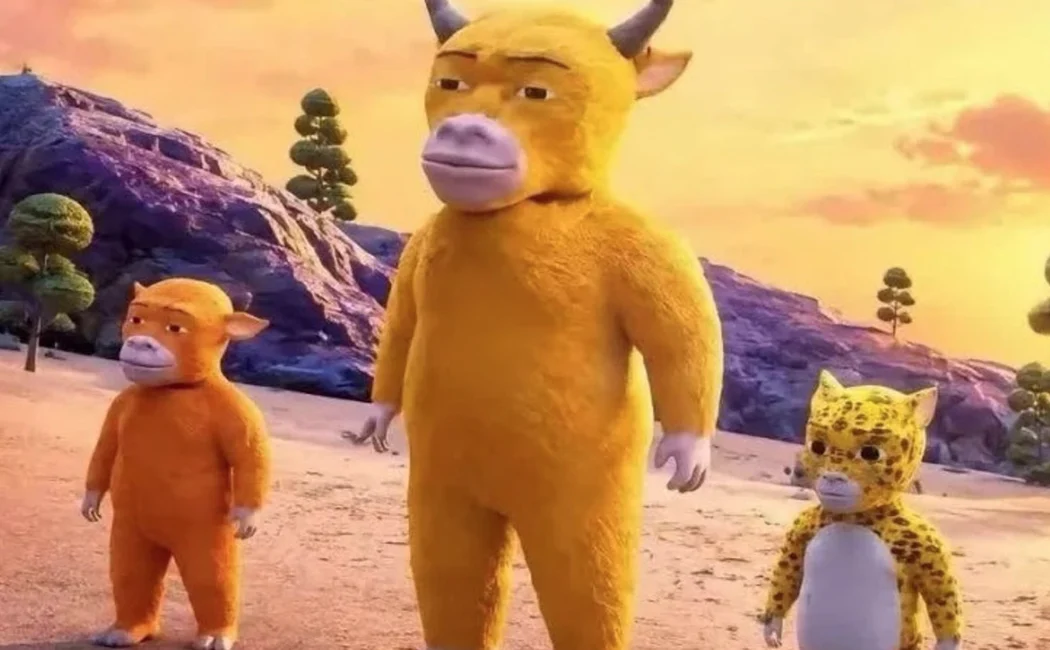
A low-budget Chinese animated film, initially met with widespread mockery for its overtly crude visuals and unconventional storytelling, has defied all expectations to become an unexpected viral sensation, drawing massive crowds to cinemas eager to witness its peculiar charm firsthand. Titled "Niu Lai," which translates to "Here Comes the Cow," the film’s improbable journey from obscure independent project to a box office phenomenon underscores a unique shift in audience appreciation, celebrating authenticity and heart over technical polish. This cinematic anomaly has not only captivated the public imagination but also sparked broader conversations about filmmaking, viral marketing, and the evolving landscape of media consumption in China.

The film’s initial theatrical release on August 5 saw a modest intake, earning approximately 7,000 yuan, equivalent to about $1,000 USD, in its opening week. This figure, typical for an independent production with minimal marketing, offered no hint of the seismic shift that was about to occur. However, propelled by an unprecedented wave of social media buzz and word-of-mouth recommendations, "Niu Lai" experienced an extraordinary surge in popularity. Within weeks, its cumulative box office revenue skyrocketed to an astounding 33.06 million yuan, or roughly $4.92 million USD, according to data from the prominent Chinese ticketing platform Maoyan. This dramatic leap from obscurity to mainstream success represents one of the most remarkable turnarounds in recent Chinese cinematic history, especially for an animated feature.
The Genesis of a Cult Classic: Five Years of Passion and Dedication
At the heart of "Niu Lai"’s improbable success lies a story of immense dedication and passion. The film is the brainchild of a mother and son duo, who meticulously crafted the entire animation frame by frame over a painstaking period of five years. This labor-intensive process, undertaken with presumably limited resources, involved not only the visual animation but also the composition of original musical scores for the film’s end credits, highlighting a truly independent and holistic creative endeavor. The narrative follows the journey of a young calf named Niu Lai, exploring themes that resonate with audiences despite (or perhaps because of) the film’s unpolished presentation. This deeply personal and handcrafted approach stands in stark contrast to the highly industrialized and technologically advanced animation studios that dominate the global market, lending "Niu Lai" an undeniable sense of authenticity that has clearly struck a chord with viewers.

The Aesthetics of ‘Crude Charm’ and Viral Spread
The animation style of "Niu Lai" is undeniably distinct. Characterized by stiff 3D models, often simplified backgrounds, and what has been described as "awkward dialogue," the film’s visuals deviate significantly from the sleek, high-fidelity standards typically expected of contemporary animated features. These perceived technical imperfections, however, became the very catalyst for its viral spread. Screenshots, short clips, and humorous commentary dissecting the film’s unique aesthetic flooded Chinese social media platforms like Weibo and Douyin (the Chinese version of TikTok). What began as online mockery quickly transformed into a genuine curiosity, evolving into a cultural phenomenon where audiences actively sought out the film to experience its "badness" firsthand.
Caelan Moriarty, an American musician working in China, articulated this sentiment perfectly in an interview with AFP, stating that the film is "so bad that it’s so good." Moriarty emphasized the underlying sincerity, noting, "I appreciate how bad it is, but there’s some heart (put) into it, so you can’t hate that." This observation encapsulates the prevailing sentiment: while the animation might be rough, the evident human effort and genuine intent behind it resonated deeply. Moriarty further highlighted the distinction between "Niu Lai" and the burgeoning field of artificial intelligence in content creation. "Artificial intelligence could make the movie in like ten seconds or even faster," he remarked, "but the fact that they didn’t use AI, they took time" was profoundly impressive. He concluded that its imperfection is precisely "why this is trending," showcasing its inherent humanity in an increasingly automated world.

Student Stella Xing, who joined the throngs watching the film in Beijing after encountering countless memes online, echoed this appreciation for its quirks. She told AFP, "Even though it’s pretty rough around the edges, there are so many funny details — like the way (Niu Lai) walks, for instance." Xing’s comments underscore how the film’s perceived flaws became endearing characteristics, transforming potential criticisms into sources of amusement and conversation. "It’s hilarious and really makes people want to come see it," she added, highlighting the communal joy derived from experiencing a film that dares to be different.
The Unconventional Marketing Phenomenon
"Niu Lai"’s success story is also a masterclass in unintentional, grassroots marketing. Unlike major studio productions that invest heavily in multi-platform advertising campaigns, the mother-son filmmaking duo conducted barely any conventional marketing for their animated feature. Instead, the film’s ascent was almost entirely organic, fueled by the digital chatter and viral spread among internet users. In cinemas across Beijing, the film’s promotional materials stood in stark contrast to the glossy, high-budget posters of other major releases, such as Christopher Nolan’s fictional "The Odyssey" (within the article’s implied timeline). Hand-drawn banners depicting human-like cows with exaggerated eyebrows became an iconic symbol of "Niu Lai"’s quirky appeal, further emphasizing its DIY charm.

This authentic, unpolished presentation resonated powerfully in an age often saturated with slick, heavily commercialized content. The memes, the audience reactions, and the sheer novelty of a film so overtly imperfect yet so genuinely made created a compelling narrative that spread far more effectively than any traditional advertising campaign could have achieved. It demonstrated the immense power of collective internet culture to elevate a niche product into a mainstream sensation, driven purely by public engagement and shared amusement.
From Screen to Store: The Merchandise Boom
The virality of "Niu Lai" quickly transcended the cinematic experience, spilling over into the realm of consumer products. As the film took China’s internet by storm, online retailers on popular e-commerce platforms like Taobao were quick to capitalize on its newfound fame. A wide array of merchandise featuring the film’s distinctive yellow cow character rapidly appeared, ranging from T-shirts and figurines to more unusual items like boxer shorts and keychains. One online merchant confirmed to AFP that he began selling "Niu Lai" keychains specifically because of the movie’s explosive popularity. This swift and spontaneous commercialization further cemented "Niu Lai"’s status as a genuine cultural phenomenon, indicating a deep level of public attachment and affection for its unique aesthetic and narrative. The merchandise boom serves as a tangible metric of the film’s impact, demonstrating how a creative work, regardless of its production budget or initial critical reception, can inspire widespread consumer interest when it captures the public imagination.

Broader Implications for the Chinese Animation Industry
The unexpected triumph of "Niu Lai" carries significant implications for the broader Chinese animation industry, which has been experiencing rapid growth and diversification. Pan Wang, an associate professor at Australia’s University of New South Wales, offered an insightful perspective on the film’s appeal. She suggested that "Niu Lai" provides "something different from the polished, sophisticated productions we are used to." Drawing an evocative analogy, Wang explained, "It is a bit like eating refined grains every day and then suddenly having some coarse grains for a change – the contrast itself feels refreshing." She concluded that "its roughness, absurdity and imperfection become part of its appeal," highlighting a potential fatigue with overly polished, homogenous content and a craving for authenticity.
This success story could serve as an inspiration for independent animators and filmmakers in China, demonstrating that creative vision and heartfelt execution can overcome budgetary constraints and conventional industry expectations. It challenges the prevailing notion that only high-budget, technically flawless productions can achieve commercial success and cultural relevance.

China’s animation market has historically shown a strong appetite for animated films. Last year, the more polished Chinese blockbuster "Ne Zha 2" (referencing the original article’s implied timeline) notably surpassed Disney’s "Inside Out 2" to become the highest-grossing animated film of all time, signaling the immense potential and growing sophistication of domestic productions. However, "Niu Lai" carved out its own niche, proving that there is also a significant audience for productions that embrace a different kind of value – one rooted in raw creativity and human touch rather than sheer technical prowess. This dichotomy suggests a maturing market capable of appreciating a diverse spectrum of animated content, from grand epics to quirky, independent features.
The debate sparked by Caelan Moriarty’s comparison to AI is also particularly pertinent. In an era where artificial intelligence is increasingly capable of generating sophisticated visuals and narratives, "Niu Lai"’s success as a human-made, imperfect creation serves as a powerful testament to the enduring value of human artistry and the unique charm of imperfections. It suggests that while AI can streamline production, it cannot replicate the genuine "heart" that audiences found so compelling in "Niu Lai." This film, therefore, contributes to a wider cultural conversation about the future of creative industries and the irreplaceable role of human effort and authentic expression.

A Cultural Touchstone of Authenticity
Ultimately, "Niu Lai" has become more than just a low-budget animated film; it has transformed into a cultural touchstone, a symbol of how authenticity and a distinctive voice can cut through the noise of mass media. Its journey from being widely mocked to widely celebrated underscores a shift in audience values, embracing the human element, the underdog story, and the joy found in shared, unconventional experiences. The film’s success demonstrates that in an increasingly refined and technologically advanced world, there remains a deep appreciation for the "coarse grains" – the raw, the imperfect, and the genuinely heartfelt. "Niu Lai" stands as a vivid reminder that sometimes, the most unexpected successes emerge from the most unlikely of places, driven not by conventional metrics of perfection but by the universal appeal of sincerity and the irresistible allure of the truly unique. Its legacy may not be in its animation techniques, but in its ability to connect with millions through its unvarnished soul, proving that in the realm of art, imperfection can indeed be the ultimate perfection.

 Jia Lissa
 Nana Wu