Pevita Pearce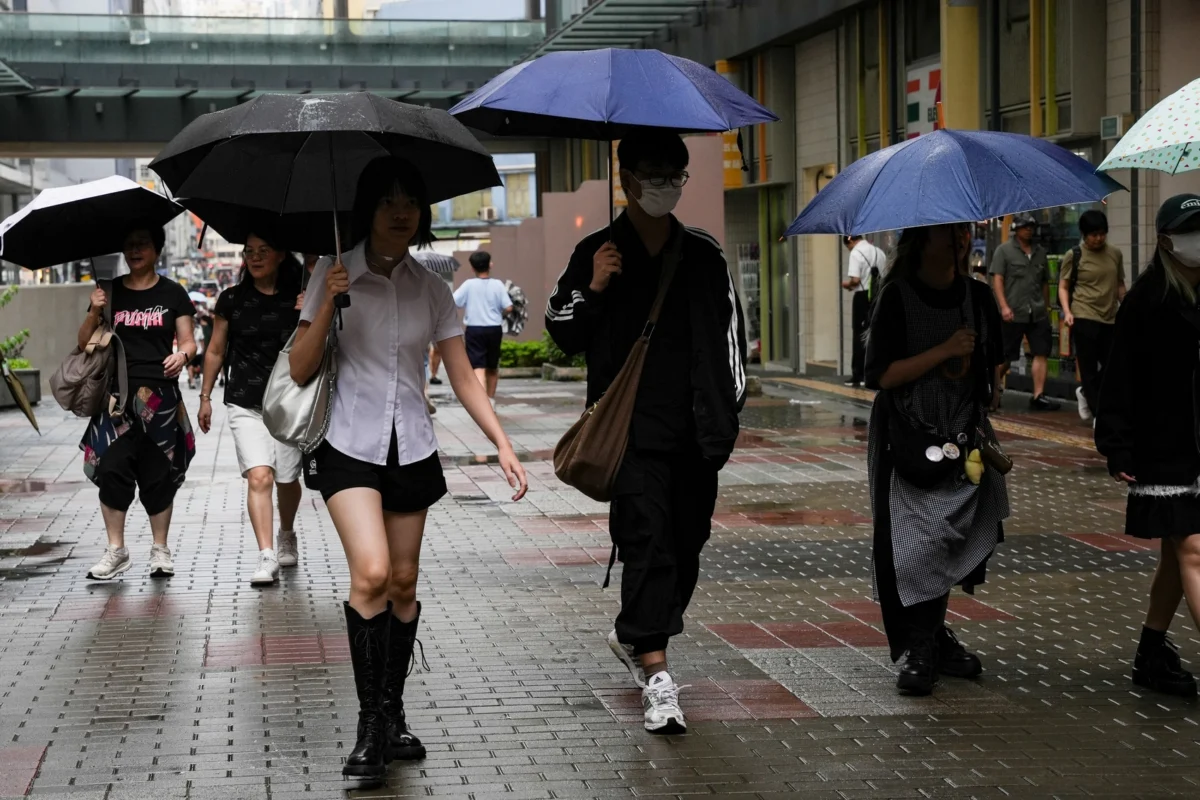
The rate of suicide among children and adolescents in Hong Kong has reached a distressing 10-year peak, according to a recent report by the non-governmental organization Samaritan Befrienders Hong Kong (SBHK). The NGO has issued an urgent plea to the government to bolster its existing suicide prevention mechanisms for students, highlighting a significant surge in cases within this vulnerable demographic.
The grim statistics, derived from data provided by the Coroner’s Court, reveal that Hong Kong recorded a total of 1,019 suicide cases in 2025. While the overall suicide rate in the city experienced a slight decrease, falling from 15.1 per 100,000 people in 2024 to 13.57 – the lowest since 2020 – this broader trend masks a deeply concerning rise in youth suicides.
Specifically, the number of suicides among individuals aged 0 to 19 years old surged by an alarming 30 percent in 2025 compared to the previous year, reaching 47 cases. This translates to a youth suicide rate of 4.72 per 100,000 individuals, marking the highest point recorded in a decade. This figure underscores a growing crisis that demands immediate and comprehensive intervention.

A Deep Dive into Youth Crisis Cases
Beyond confirmed suicides, SBHK also reported a significant number of crisis cases involving children and teenagers. In 2025, the organization handled 228 such cases, with males outnumbering females by a ratio of two to one. The primary drivers behind these crisis situations, as identified by SBHK, are multifaceted, with family issues cited as the most prevalent concern, accounting for 29.4 percent of cases. Mental health challenges were the second most frequently reported issue, at 20.2 percent, followed by interpersonal relationship problems, which contributed to 17.1 percent of cases.
These figures suggest a complex interplay of factors contributing to the distress experienced by young people in Hong Kong. Family discord, often characterized by conflict, lack of support, or unstable environments, appears to be a significant stressor. The prevalence of mental health issues, ranging from anxiety and depression to more severe conditions, highlights the urgent need for accessible and effective mental healthcare services for youth. Furthermore, difficulties in navigating social circles, peer pressure, and romantic relationships can also have a profound impact on adolescent well-being.
Calls for Enhanced School-Based Support

In response to these alarming trends, David Cheng, chief executive of SBHK, emphasized the organization’s commitment to strengthening its services for families and young people. He also made a direct appeal to the government, urging for the inclusion of specialized suicide prevention NGOs like SBHK within the "Three-tier School-based Emergency Mechanism." This mechanism, introduced by the Hong Kong government in late 2023, aims to facilitate the early identification of students facing mental health challenges and ensure appropriate referrals for support.
"We believe that by integrating the expertise and on-the-ground experience of organizations like ours into the existing school-based framework, we can create a more robust and responsive network of support for young people at risk," Cheng stated at a press conference. "Our aim is to bridge the gap between identifying a need and providing effective, timely intervention."
The government’s "Three-tier School-based Emergency Mechanism" is designed to provide a tiered approach to student well-being. The first tier focuses on promoting positive mental health and well-being for all students. The second tier targets students identified with mild to moderate mental health issues, offering early intervention and counseling services. The third tier is for students with severe mental health problems, requiring professional assessment and referral to external services. The inclusion of NGOs like SBHK could significantly enhance the capacity and reach of the second and third tiers, ensuring that specialized support is readily available.
The Persistent Challenge of Elderly Suicides

While the focus has intensified on the rise of youth suicides, the issue of elderly suicide remains a significant concern in Hong Kong. In 2025, a total of 257 suicides were recorded among individuals aged 70 and above. This represents a suicide rate of 21.1 per 100,000 people within this age group. Although the elderly suicide rate has seen a decline and reached its lowest point in nearly a decade, this demographic continues to account for the largest number of suicide deaths across all age brackets.
The underlying factors contributing to elderly suicides are often complex and can include social isolation, chronic illness, financial difficulties, and the loss of loved ones. The stark contrast between the declining overall suicide rate and the persistent high number of elderly suicides highlights the need for targeted interventions and continued support for this population.
A Wider Perspective on Hong Kong’s Suicide Rate
Despite the recent decrease, SBHK pointed out that Hong Kong’s overall suicide rate of 13.57 per 100,000 people remains higher than the international average. According to a World Health Organization (WHO) report published in 2025, the global age-standardized suicide rate stands at 8.9 per 100,000 people. This comparison underscores the fact that suicide prevention remains a critical public health challenge for Hong Kong.

The NGO urged the public to remain vigilant and attentive to the emotional well-being of those around them, emphasizing the importance of offering support and fostering a culture of care. Simple acts of reaching out, listening without judgment, and connecting individuals with professional help can make a significant difference in preventing tragedies.
Historical Context and Broader Implications
The rise in youth suicides in Hong Kong is not an isolated incident and mirrors similar concerns observed in other developed East Asian societies. Factors such as intense academic pressure, a highly competitive environment, and societal expectations have been frequently cited as contributing to stress and mental health issues among young people in the region. The COVID-19 pandemic also had a profound impact on the mental well-being of adolescents globally, exacerbating existing vulnerabilities.
The implications of this trend are far-reaching. High youth suicide rates not only represent immense personal tragedy for the individuals and their families but also have broader societal consequences. They signal potential shortcomings in mental health support systems, educational pressures, and the overall social fabric that is meant to protect and nurture its youngest members.

Addressing this crisis requires a multi-pronged approach involving government agencies, educational institutions, healthcare providers, NGOs, and the community at large. Enhanced funding for mental health services, destigmatization of mental illness, improved access to counseling and therapy, and a greater focus on well-being within the education system are all crucial steps. Furthermore, fostering open conversations about mental health and providing accessible crisis support are paramount.
The Samaritan Befrienders Hong Kong’s report serves as a stark reminder that the work of suicide prevention is ongoing and requires continuous adaptation and strengthened collaboration. As the city grapples with this escalating concern, a united effort will be essential to safeguard the mental health and future of its young population.
If you are in need of support, please call:
- The Samaritans: 2896 0000 (24-hour, multilingual)
- Suicide Prevention Centre: 2382 0000
- Government Mental Health Hotline: 18111
- The Hong Kong Society of Counselling and Psychology WhatsApp hotline (English and Chinese): 6218 1084
For a comprehensive guide to mental health services in Hong Kong, please refer to: HKFP’s comprehensive guide to mental health services in Hong Kong.


 Azzam Bilal Chamdy
 Lina Irawan