Ammar Sabilarrohman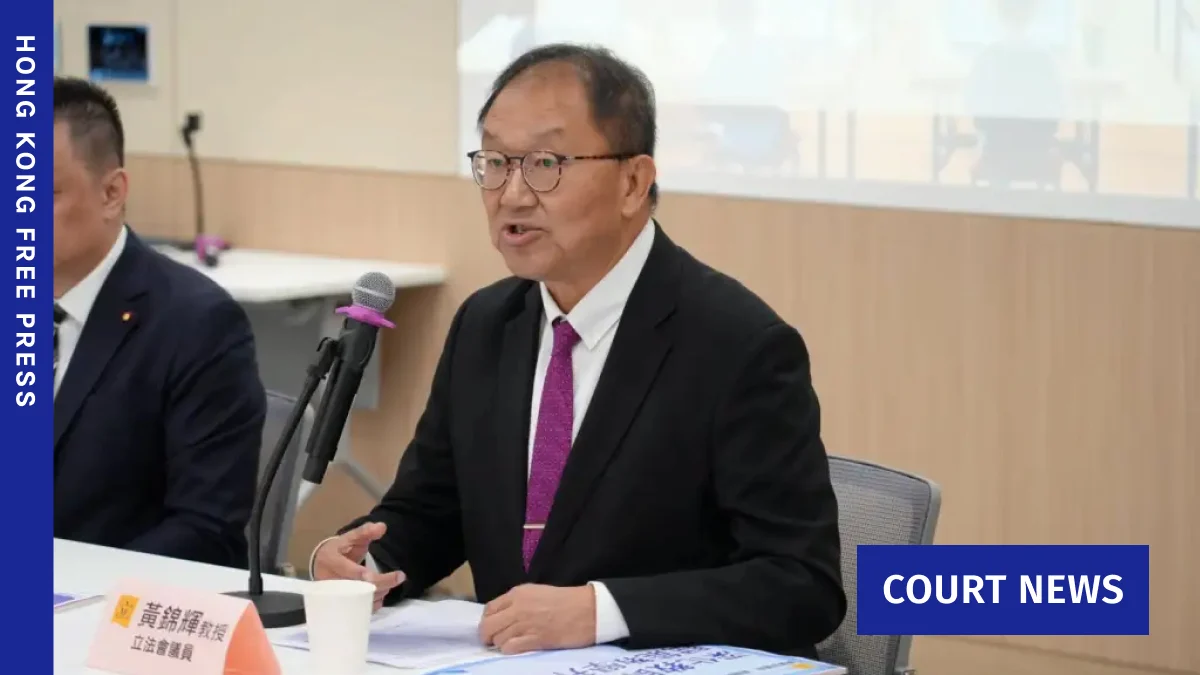
Former Legislative Council member William Wong has been formally charged with four offences, including drink driving, dangerous driving, failing to stop after a traffic accident, and failing to report an accident involving damage. These charges stem from an incident that occurred on June 29, approximately two months prior to the court appearance, and which ultimately led to Wong’s resignation from the Legislative Council.
The 66-year-old Wong made his first appearance at the Shatin Magistrates’ Court on Wednesday morning to address the charges. The prosecution alleges that Wong was driving with an alcohol concentration significantly above the legal limit, engaged in dangerous driving, and subsequently fled the scene of an accident involving damage to property before failing to report the incident.
The incident in question took place on the grounds of the Chinese University of Hong Kong (CUHK). Wong, who previously held the position of associate dean in CUHK’s Faculty of Engineering, is accused of striking two parked vehicles outside a residential hall on the university campus on the night of June 29. Following the collision, Wong reportedly left the scene. However, he later returned for a police investigation, during which he failed a breathalyser test.

The breathalyser results indicated a blood alcohol level of 45 micrograms per 100 millilitres of breath, which is more than double the prescribed legal limit of 22 micrograms in Hong Kong. This elevated alcohol level is a key factor in the drink-driving and dangerous driving charges.
Chronology of Events
The legal proceedings against William Wong follow a swift series of events that began with the alleged traffic incident:
- June 29, 2026: The alleged hit-and-run incident involving two parked cars occurs on the campus of the Chinese University of Hong Kong (CUHK). William Wong, then an associate dean at CUHK’s Faculty of Engineering and a member of the Legislative Council, is involved. He reportedly leaves the scene before returning for a police investigation.
- Post-June 29: Wong undergoes a breathalyser test, which registers a reading significantly above the legal limit for alcohol consumption while driving.
- July 3, 2026: Just days after the incident and his failed breathalyser test, William Wong announces his resignation from the Legislative Council. He issues an apology for the "trouble" his actions have caused society.
- July 3, 2026: CUHK announces the suspension of William Wong from his role as associate dean of external affairs in the Faculty of Engineering. However, his status as a professor at the university remains listed on the faculty’s website.
- September 9, 2026: William Wong appears at Shatin Magistrates’ Court for the first mention of the case, facing multiple charges related to the June 29 incident.
Legal Ramifications and Bail Conditions

The charges brought against Wong carry potential legal penalties, reflecting the seriousness with which Hong Kong authorities treat drink-driving and related offences. Driving with alcohol concentration above the prescribed limit is a criminal offence that can lead to significant fines and imprisonment. Failing to stop after an accident and failing to report such an accident are also serious offences that undermine road safety and accountability.
During his court appearance, Wong was released on bail amounting to HK$5,000. The conditions attached to his bail are stringent, designed to ensure his appearance at future hearings and to prevent further breaches of the law. These conditions include a prohibition on driving any vehicle, a requirement to report to a police station fortnightly, and a bar on contacting any prosecution witnesses.
Wong is scheduled to return to court on November 11 for the next stage of the legal proceedings. His legal representative, Paul Tse, who is also a former lawmaker, stated that Wong would not be making any public comments while the case is ongoing, indicating a strategy of allowing the legal process to unfold without external commentary.
Background and Previous Standing

William Wong’s involvement in this incident is particularly noteworthy given his previous public roles. As a member of the Legislative Council, he was part of Hong Kong’s primary law-making body, a position that carries a significant degree of public trust and responsibility. His resignation from this role underscored the gravity of the allegations against him and the public scrutiny that accompanies such positions.
His academic role as an associate dean at CUHK’s Faculty of Engineering also placed him in a position of leadership within the higher education sector. The university’s decision to suspend him from this specific administrative role, while maintaining his professorial title, suggests a nuanced approach to the situation, balancing disciplinary action with his ongoing academic contributions.
The legal limit for blood alcohol concentration for drivers in Hong Kong is 22 micrograms per 100 millilitres of breath. Exceeding this limit can lead to various penalties, depending on the circumstances and the severity of the infraction. For first-time offenders with a concentration between 22 and 35 micrograms, a fixed penalty of HK$1,500 is typically issued, along with 10 demerit points. However, concentrations above 35 micrograms, or repeat offences, can result in more severe consequences, including court prosecution, substantial fines, and imprisonment. Wong’s reading of 45 micrograms clearly places him in the category requiring court intervention.
Broader Implications and Public Perception

The case of William Wong raises important questions about accountability and public trust, particularly for individuals in positions of power and influence. The incident and subsequent charges highlight the importance of upholding the law equally for all citizens, regardless of their professional standing.
The public resignation and apology from Wong indicate an acknowledgment of wrongdoing, but the formal charges signify the legal system’s process for addressing such alleged transgressions. The legal proceedings will determine the final outcome and any associated penalties.
The reaction from his legal counsel, emphasizing a no-comment policy during the ongoing legal process, is standard practice in such cases. It allows the defence to prepare its arguments without prejudice from public statements or media pressure.
The timing of the charges, two months after the incident and resignation, suggests a thorough investigation by law enforcement agencies, including the analysis of evidence such as the breathalyser results and witness statements, if any. The subsequent court appearance marks a formal step in the judicial process, moving beyond the initial arrest and investigation.

The fact that Wong was released on bail with specific conditions underscores the court’s assessment of the case and the need for precautionary measures. These conditions are designed to mitigate any potential risks while the legal process is underway.
The broader impact of such cases can extend to public perception of elected officials and academic leaders. High-profile individuals are often held to a higher standard, and lapses in judgment can lead to significant reputational damage, in addition to legal consequences. Wong’s case serves as a reminder of the responsibilities that come with public office and the importance of maintaining public confidence.
As the legal proceedings continue, the focus will remain on the evidence presented and the legal arguments made by both the prosecution and the defence. The outcome will be determined by the court, based on the established legal framework and the facts of the case. The public will await further developments as the legal process unfolds, with the next court date set for November 11.

 Muslim
 Rifan Muazin