Suro Senen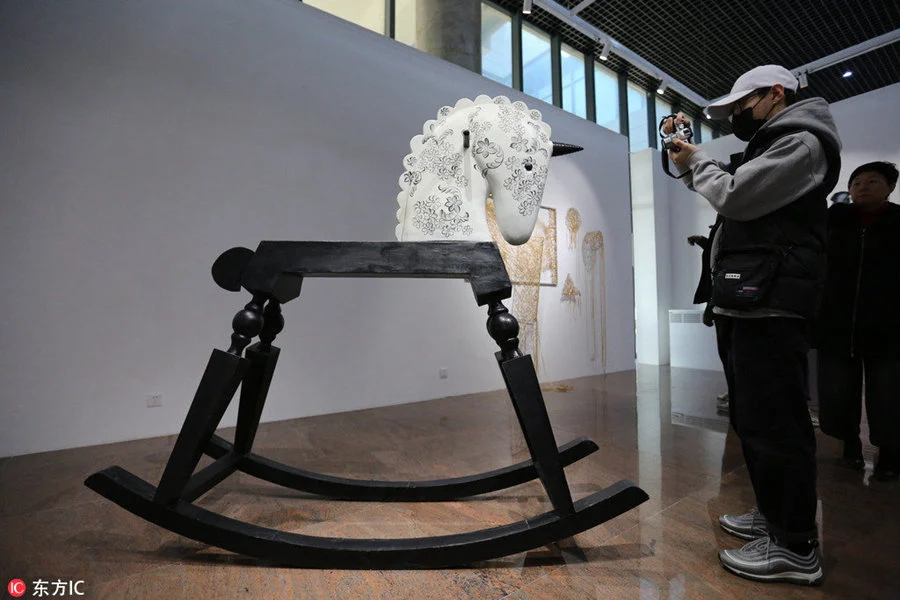
Dalian, China – A vibrant showcase of the nation’s burgeoning artistic talent has opened its doors to the public at the art museum of Luxun Academy of Fine Arts in Dalian, Liaoning province. The exhibition, which commenced on December 3, 2017, features over 300 diverse and innovative artworks crafted by students from nine of China’s most prestigious art universities. This significant cultural event offers a compelling glimpse into the creative minds and technical prowess of the younger generation of Chinese artists, presenting a broad spectrum of artistic disciplines. The exhibition will remain accessible to visitors, free of charge, until December 24, 2017, providing ample opportunity for enthusiasts and the general public to engage with contemporary Chinese art.
A Nexus of Artistic Innovation
The exhibition serves as a critical platform for art education institutions to present their students’ finest works, fostering a competitive yet collaborative environment that pushes the boundaries of artistic expression. The selection of participating universities is noteworthy, comprising institutions that have historically shaped and continue to influence the trajectory of art education in China. These nine key art schools represent a significant cross-section of artistic pedagogy and practice, from traditional disciplines to cutting-edge contemporary forms. The sheer volume and variety of the pieces on display – ranging from traditional Chinese ink paintings and intricate calligraphy to bold sculptural forms, delicate porcelain creations, and forward-thinking industrial designs – underscore the comprehensive training and diverse creative outputs fostered within these academic environments.
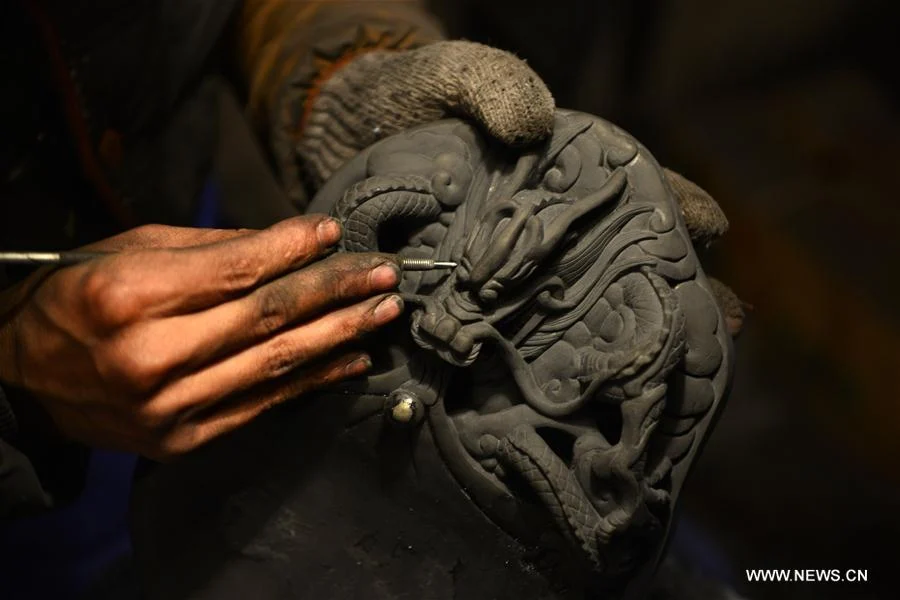
The curation of the exhibition meticulously highlights the multifaceted nature of artistic development in China today. Chinese paintings, a cornerstone of the nation’s artistic heritage, are presented with contemporary interpretations, demonstrating how young artists are both honoring tradition and infusing it with modern sensibilities. Similarly, calligraphic works explore new aesthetic possibilities beyond mere textual representation, often integrating abstract elements and innovative material applications. The sculptural entries showcase a range of materials and techniques, from classical bronze casting to experimental mixed-media installations, reflecting a global awareness of sculptural trends. The presence of porcelain art speaks to a renewed appreciation for traditional craftsmanship, reimagined with contemporary designs and thematic concerns. Perhaps most indicative of future trends are the industrial design pieces, which offer practical yet aesthetically refined solutions to everyday challenges, hinting at the growing role of artists and designers in shaping the material culture of tomorrow.
Genesis and Evolution of the Exhibition
The concept behind such a comprehensive exhibition of student work from leading art academies is rooted in a broader national initiative to elevate the status and impact of art education in China. While the specific genesis of this particular Dalian exhibition can be traced to the planning stages in early 2017, the underlying principles are consistent with decades of evolving educational policies aimed at nurturing creative talent. For years, art academies have grappled with the challenge of showcasing their collective output and fostering inter-institutional dialogue. This exhibition represents a significant step forward in addressing that challenge, creating a unified front for Chinese art education on a national scale.
The timeline leading up to the opening on December 3rd would have involved a rigorous selection process within each participating university. Art departments and faculty would have identified promising student projects from the academic year, likely considering not only technical merit but also originality, conceptual depth, and the successful integration of diverse artistic approaches. This internal vetting process would have culminated in the submission of a curated selection to the organizing committee in Dalian. The logistics of transporting over 300 delicate and often large-scale artworks from various parts of the country to Dalian would have been a considerable undertaking, requiring careful planning and specialized handling. The installation and arrangement of the pieces within the Luxun Academy of Fine Arts museum would then have been the final crucial phase, ensuring an optimal viewing experience for the public.
Data-Driven Insights into China’s Art Education Landscape
Understanding the significance of this exhibition is amplified by considering the broader landscape of art education in China. As of recent statistical reports, China boasts a substantial number of art and design institutions, with a growing enrollment of students pursuing degrees in various artistic fields. For instance, data from the Ministry of Education often indicates a steady increase in art-related majors, reflecting a societal shift that increasingly values creative industries and artistic pursuits. This exhibition, by bringing together students from "key" art universities, implicitly highlights institutions that are recognized for their robust academic programs, distinguished faculty, and strong track records of producing accomplished artists and designers.
The number of participating institutions – nine – is significant, representing a concentrated effort to present a unified vision from a select group of leading academies. This number is not arbitrary; it suggests a deliberate choice to focus on institutions that are widely considered benchmarks in Chinese art education. These institutions often have the most experienced faculty, access to cutting-edge facilities, and the most competitive admission rates, all of which contribute to the high caliber of student work presented. The sheer volume of over 300 artworks further underscores the depth and breadth of creative output from these academies. If each of the nine universities contributed an average of 33 pieces, it signifies a substantial commitment from each institution to participate and showcase their best talent.
Voices from the Artistic Community (Inferred)
While direct quotes from organizers or students are not provided in the initial content, it is reasonable to infer the sentiments that would surround such an event. Organizers from Luxun Academy of Fine Arts would likely express pride in hosting such a prestigious exhibition, emphasizing its role in fostering cultural exchange and promoting the development of young artists. They might speak about the importance of providing a public platform for emerging talent, allowing these students to gain invaluable exposure and recognition.
Faculty members from the participating universities would likely express satisfaction with their students’ achievements, highlighting the rigorous training and the dedication of both students and educators. They might view the exhibition as a testament to the evolving curriculum and teaching methodologies within their respective institutions.
For the students themselves, the opportunity to exhibit their work in a prominent art museum would be a momentous occasion. They would likely feel a mix of excitement, pride, and perhaps a degree of nervousness as their creations are presented to a wider audience. This exposure could serve as a significant stepping stone in their nascent careers, potentially leading to further opportunities, commissions, or even graduate studies. The act of seeing their work alongside peers from other leading institutions would also foster a sense of community and shared purpose within the national art student body.
Analysis of Implications: Shaping the Future of Art and Design
The implications of this exhibition extend far beyond the immediate appreciation of individual artworks. It serves as a crucial barometer for the current state of art education in China and offers insights into the future direction of artistic trends. The diversity of mediums and disciplines represented suggests that Chinese art schools are embracing a holistic approach to art education, encouraging students to explore interdisciplinary practices and engage with a wide range of creative challenges.
The emphasis on industrial design, in particular, signals a growing recognition of the role that artists and designers play in innovation and economic development. As China continues its transition towards a more innovation-driven economy, the skills and perspectives of young artists will become increasingly vital in developing products, services, and urban environments that are both functional and aesthetically pleasing. This exhibition demonstrates that these institutions are actively preparing students to contribute to this evolution.
Furthermore, the free public access to the exhibition democratizes art appreciation and aims to cultivate a broader public engagement with contemporary art. By making these creative works accessible to everyone, the exhibition contributes to art literacy and encourages a more informed and engaged citizenry. This aligns with broader governmental goals to promote cultural enrichment and foster a more vibrant cultural landscape across the nation. The exhibition also implicitly fosters a sense of national pride in the creative capabilities of its youth, showcasing China’s growing influence in the global art scene. The presence of visitors photographing installations, as noted in the initial content, indicates a positive public reception and an active engagement with the displayed works, suggesting that the exhibition is successfully capturing the public’s imagination.
The choice of Dalian as the host city is also strategically significant. Dalian, a major port city in Northeast China, has a developing cultural infrastructure and a history of hosting significant artistic events. Its location makes it accessible to a broad audience from across the region and beyond. The Luxun Academy of Fine Arts itself is a well-established institution with a strong reputation, lending prestige and credibility to the exhibition. The fact that the exhibition runs for nearly a month, until December 24th, indicates a well-thought-out plan to maximize public engagement and allow for a sustained period of cultural dialogue.
In conclusion, this exhibition at the Luxun Academy of Fine Arts in Dalian is more than just a display of student art; it is a significant cultural event that reflects the dynamism and forward momentum of art education in China. It highlights the creative potential of its youth, the evolving pedagogical approaches of its leading institutions, and the growing importance of art and design in shaping the nation’s future. The continued success and evolution of such exhibitions will undoubtedly play a crucial role in solidifying China’s position as a global leader in artistic innovation and cultural production.

 Asep Darmawan
 Rifan Muazin