Asro
Asro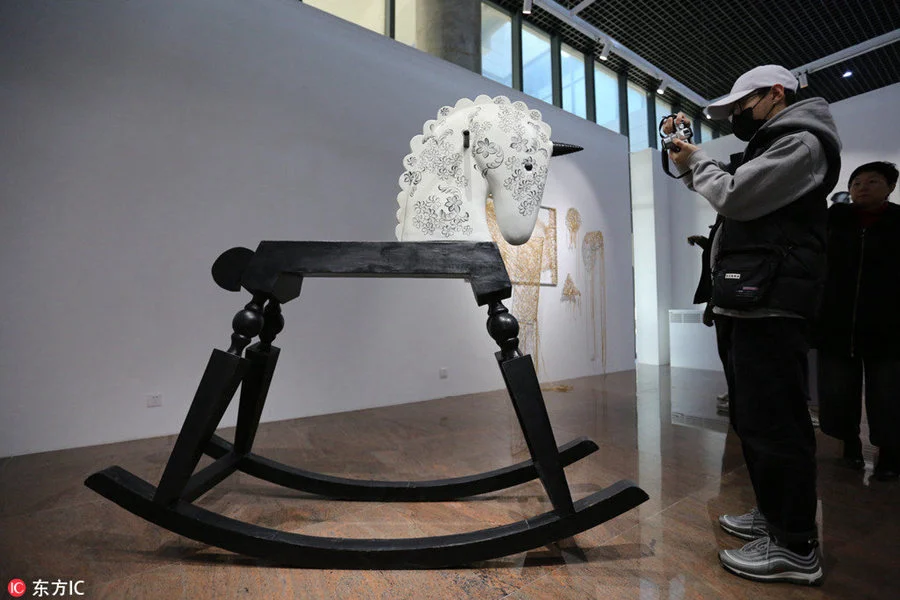
Dalian, China – The art museum of Luxun Academy of Fine Arts in Dalian, Liaoning province, has become a vibrant hub of youthful creativity, showcasing over 300 diverse artworks by students hailing from nine of China’s most prestigious art universities. The exhibition, which commenced on December 3, 2017, and will run until December 24, offers the public a free opportunity to witness the innovative spirit and burgeoning talent of China’s next generation of artists and designers. The collection spans a wide array of artistic disciplines, including traditional Chinese paintings and calligraphies, contemporary sculptures, intricate porcelains, and forward-thinking industrial designs, providing a comprehensive panorama of artistic expression.
A Platform for Emerging Talent
This significant exhibition serves as a crucial platform for art students to present their work to a wider audience, receive critical feedback, and gain invaluable exposure. By bringing together students from leading art institutions, the event fosters a sense of national artistic community and encourages cross-pollination of ideas. The selection of artworks is a testament to the rigorous training and creative exploration undertaken at these institutions, reflecting not only technical proficiency but also a deep engagement with contemporary societal themes and artistic discourse. The sheer volume of pieces—over 300—underscores the depth and breadth of artistic output from these esteemed academies.
Chronology of the Exhibition
The genesis of such an exhibition typically involves months of planning, including the selection of participating institutions, the curation of artworks, and logistical arrangements. While specific details of the planning timeline for this particular event are not publicly available, similar national art exhibitions often begin their organizational phase at least six months prior to opening.
- Early to Mid-2017: Initial discussions and invitations likely extended to the nine key art universities. This phase would involve establishing the exhibition’s theme, scope, and the number of pieces each institution could contribute.
- Late Summer/Early Autumn 2017: Student submissions would have been solicited and reviewed by faculty and potentially an exhibition committee. This would be a critical period for selecting the strongest and most representative works.
- Autumn 2017: The chosen artworks would undergo preparation for display, including framing, mounting, and any necessary conservation. Transportation logistics to Dalian would also be finalized.
- Late November 2017: Installation of the exhibition at the Luxun Academy of Fine Arts museum would commence, requiring meticulous arrangement of each piece to create a cohesive and engaging visitor experience.
- December 3, 2017: The exhibition officially opened its doors to the public, marking the culmination of months of preparation and the beginning of its month-long run.
- December 24, 2017: The exhibition is scheduled to conclude, offering a defined period for public engagement and appreciation.
Participating Institutions and Their Significance
The selection of "nine key art universities" suggests a deliberate choice of institutions that are recognized for their historical importance, academic excellence, and significant contributions to art education in China. While the specific names of these universities are not provided in the initial report, these are likely institutions such as the Central Academy of Fine Arts (CAFA) in Beijing, the China Academy of Art (CAA) in Hangzhou, the Luxun Academy of Fine Arts itself, and other prominent art colleges across the country. These institutions often have specialized departments that nurture distinct artistic traditions and contemporary practices, contributing to the rich diversity seen in the exhibition.
For instance, universities with strong traditions in Chinese painting and calligraphy would naturally contribute pieces that demonstrate mastery of these ancient art forms, potentially incorporating modern interpretations or thematic explorations. Similarly, institutions renowned for their sculpture programs would showcase works that push the boundaries of form, material, and concept. The inclusion of industrial design highlights the evolving landscape of art education, where practical application and innovation are increasingly integrated with artistic principles.
A Spectrum of Artistic Disciplines
The exhibition’s broad categorization of artworks—Chinese paintings, calligraphies, sculptures, porcelains, and industry designs—reflects the multifaceted nature of contemporary art education in China.
-
Chinese Paintings and Calligraphies: These traditional forms, while deeply rooted in history, are continually being reinterpreted by young artists. Visitors can expect to see not only masterful renditions of classical subjects and techniques but also innovative approaches that integrate contemporary themes, materials, or stylistic fusions. The preservation and evolution of these cultural heritage arts are vital aspects of national identity, and this exhibition provides a glimpse into how they are being carried forward.
-
Sculptures: The sculptural works on display are likely to represent a wide range of materials, from traditional bronze and stone to contemporary mediums like mixed media, recycled materials, and digital fabrication. Students are often encouraged to explore conceptual depth, social commentary, and aesthetic innovation through their three-dimensional creations. The scale and ambition of student sculptures can be particularly striking, demonstrating ambitious artistic vision.
-
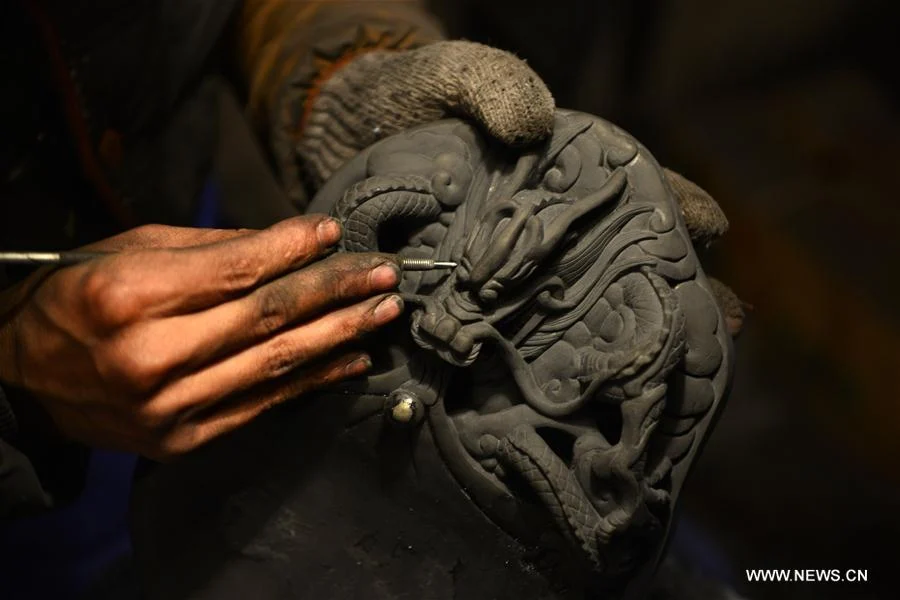
Porcelains: The art of porcelain, with its long and storied history in China, continues to be a vibrant field of study. Student works in this medium may range from exquisitely crafted traditional pieces to avant-garde explorations of form, glaze techniques, and conceptual applications. The delicate nature and aesthetic appeal of porcelain make these pieces particularly captivating for viewers.
-
Industry Designs: This category represents the growing intersection of art and practical application. Students in industrial design programs often tackle real-world problems through innovative product design, user experience design, and conceptual prototypes. Their work can offer insights into future trends in manufacturing, technology, and consumer goods, showcasing a blend of creativity, functionality, and market awareness. The inclusion of industrial design underscores the evolving role of artists and designers in shaping the material world.
Supporting Data and Trends in Art Education
The increasing emphasis on comprehensive art education, as evidenced by this exhibition, aligns with broader trends in China’s development. The nation has made significant investments in higher education, including specialized art academies, aiming to cultivate a highly skilled and innovative workforce.
- Growth in Art and Design Programs: Over the past two decades, China has witnessed a substantial increase in the number of art and design programs offered at universities and colleges. This growth reflects a societal recognition of the economic and cultural value of creative industries.
- Government Support for the Arts: The Chinese government has actively promoted the development of cultural industries, including visual arts, design, and creative media. This support often translates into funding for art institutions, exhibitions, and cultural exchange programs.
- Internationalization of Art Education: Chinese art schools are increasingly engaging with international art communities through collaborations, exchange programs, and the adoption of global pedagogical approaches. This exposure helps students to develop a broader artistic perspective and to compete on an international stage.
- Focus on Innovation and Entrepreneurship: Modern art education often emphasizes not just technical skill but also critical thinking, problem-solving, and entrepreneurial spirit. This prepares graduates for diverse career paths within the creative economy and beyond.
Potential Reactions and Broader Implications
The exhibition is likely to elicit positive reactions from art enthusiasts, educators, and the general public. Visitors would have the opportunity to engage with art in a direct and accessible manner, fostering a greater appreciation for creative endeavors.
- For Students: The exhibition provides invaluable validation of their hard work and a chance to see how their work resonates with others. It can also inspire them by exposing them to the diverse talents of their peers from across the country.
- For Educators: The event serves as a benchmark for assessing the effectiveness of their teaching methodologies and the overall quality of art education at their respective institutions. It also offers an opportunity for professional networking and sharing best practices.
- For the Public: The free access aspect of the exhibition democratizes art, making it accessible to a wider demographic. It offers a window into the minds of young creatives and a chance to experience the cultural vibrancy of China.
- For the Art Market and Cultural Industries: Such exhibitions can act as a talent scout for galleries, collectors, and design firms, identifying emerging artists and designers who may go on to significant careers. This contributes to the growth and dynamism of China’s cultural sector.
The long-term implications of this exhibition extend beyond the immediate showcase of talent. By nurturing and promoting young artists, China is investing in its future cultural landscape and its global artistic standing. The creative ideas and skills displayed are not merely aesthetic; they often reflect a generation’s engagement with societal challenges, technological advancements, and evolving cultural values. This exhibition, therefore, serves as a vital barometer of contemporary artistic thought and a powerful indicator of the direction of art and design in China. The dedication of the Luxun Academy of Fine Arts in hosting such a significant event further solidifies Dalian’s role as a cultural center in Northeast China. The sheer diversity of mediums and styles on display underscores a dynamic and evolving art scene, eager to communicate and innovate.

 Asep Darmawan
 Rifan Muazin