Lina Hope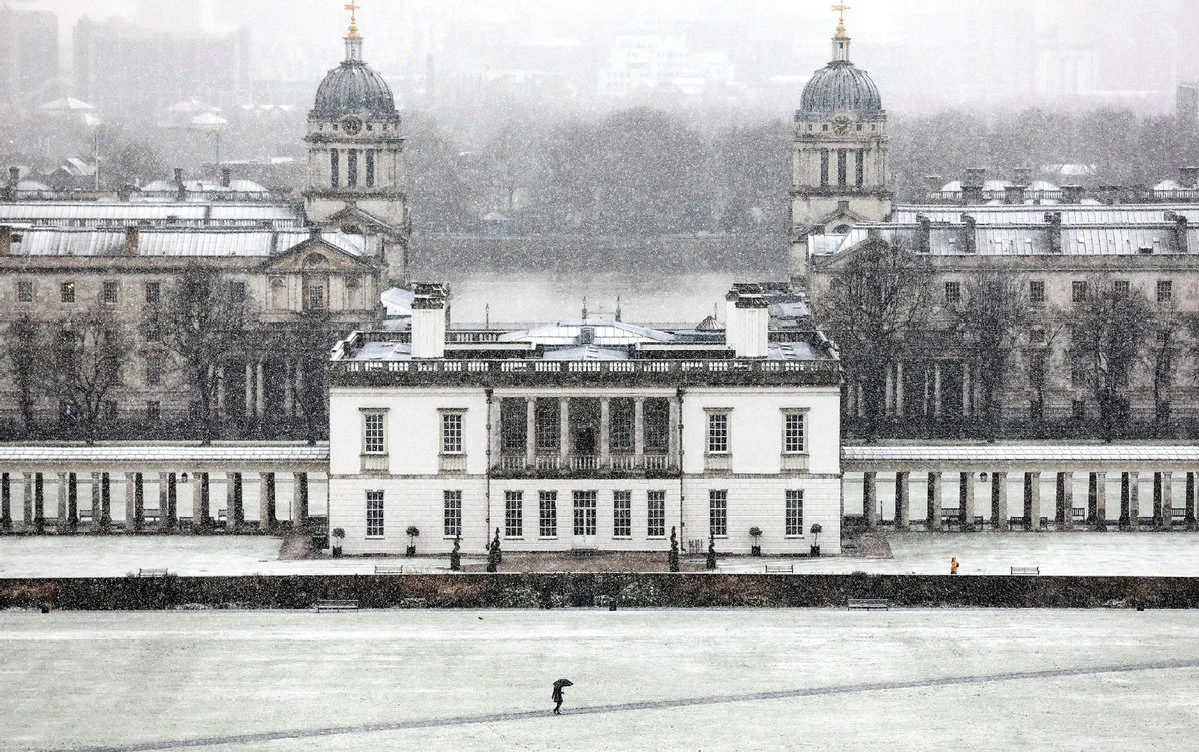
Severe frost, persistent rain, and treacherous icy roads following heavy snowfall have plunged large swathes of Britain into significant travel disruption on Monday, a day local media has starkly dubbed "Black Ice Monday." The adverse weather conditions have led to widespread cancellations across air and sea travel, forced hundreds of schools to close their doors, and left thousands of homes without power, painting a grim picture of a nation struggling to cope with the winter’s harsh grip.
Widespread Travel Paralysis
By Monday morning, the impact of the severe weather was palpable. Heathrow Airport, one of the world’s busiest aviation hubs, reported that a quarter of its scheduled flights had been cancelled, a stark indicator of the challenges faced by air travelers. The Port of Calais, a crucial gateway for trade and passenger traffic between Britain and mainland Europe, was also forced to close its operations due to the perilous conditions, further exacerbating logistical nightmares for businesses and commuters alike.
The disruption was not confined to Heathrow. Airports such as Birmingham and Stansted experienced flight suspensions, while many other aviation facilities advised passengers to exercise extreme caution, to meticulously check with their respective airlines for updates, and to allocate significantly more time for their journeys. This advice underscored the unpredictable and hazardous nature of the prevailing weather, which made pre-travel planning a complex and often futile exercise.
On the ground, the situation was equally dire. Hazardous road conditions, characterized by a pervasive layer of black ice, presented a significant threat to motorists. Highway England, the national roads agency, issued urgent guidance to drivers, imploring them to consult weather forecasts meticulously before embarking on any travel. The agency also stressed the importance of being adequately prepared for the severe conditions, recommending that drivers carry "warm clothing, food, drink … and a torch" as essential provisions. This pragmatic advice highlighted the potential for extended delays and the need for self-sufficiency in the face of unforeseen circumstances.
The Grim Reality of ‘Black Ice Monday’
The moniker "Black Ice Monday" emerged organically from the widespread reporting of the perilous road conditions. Black ice, a thin, transparent coating of ice on roads that is notoriously difficult to see, forms when temperatures hover around freezing and moisture freezes on contact with the road surface. This phenomenon, combined with the residual effects of heavy snowfall, created a treacherous environment for drivers, leading to numerous reports of accidents and near-misses across the country.
The Met Office, the United Kingdom’s national weather service, had issued a yellow warning for ice across significant portions of central England and Wales. This warning indicated that residents could expect icy conditions, particularly during the overnight period and into the morning commute, with temperatures plummeting to as low as -12 degrees Celsius in some rural areas. Such frigid temperatures amplified the risk of ice formation and its persistence throughout the day.
The amber warning for snow, which had come into force at 4 am UTC on Sunday, continued to affect Wales, the Midlands, and parts of northern and eastern England. This warning signified a higher level of risk, suggesting that the public should be prepared for significant disruption and potential danger. The combination of heavy snow, freezing temperatures, and subsequent icy conditions created a multi-faceted weather threat that tested the resilience of infrastructure and the preparedness of the populace.
Power Outages and Educational Disruptions
Beyond travel, the severe weather had a profound impact on daily life, with widespread power outages affecting tens of thousands of households. According to reports from power suppliers, over 140,000 homes experienced power losses on Sunday amidst the heavy snowfall and high winds. While some of these outages were resolved, several thousand homes remained cut off from electricity supplies on Monday, compounding the discomfort and challenges faced by residents. The intermittent nature of power supply also presented difficulties for essential services and for individuals reliant on electricity for heating and communication.
The impact on education was also substantial, with hundreds of schools across the country forced to close their doors on Monday. This decision was driven by safety concerns for students and staff, both in terms of travel to school and the operational integrity of school buildings in the face of extreme weather. The closures meant that thousands of students were unable to attend classes, leading to disruptions in their learning and posing logistical challenges for parents who had to make alternative childcare arrangements.
A Timeline of Winter’s Onslaught
The current period of severe weather did not materialize overnight. The seeds of this widespread disruption were sown in the preceding days, with a progressive deterioration of weather conditions.
- Late Saturday/Early Sunday: The initial signs of significant winter weather began to emerge. Temperatures started to drop, and precipitation in the form of snow began to fall in many regions.
- Sunday Morning (4 am UTC): The Met Office issued an amber warning for snow, signifying a heightened risk of disruption. This warning specifically targeted Wales, the Midlands, and parts of northern and eastern England, indicating that these areas were expected to bear the brunt of the snowfall.
- Sunday Throughout the Day: Heavy snowfall continued across the affected regions, accompanied by strong winds in some areas. This combination led to the initial power outages, with over 140,000 homes losing electricity by the end of the day. Road conditions began to deteriorate, with early reports of difficult driving conditions.
- Sunday Night/Monday Morning: As temperatures plummeted, particularly in rural areas where they reached as low as -12 degrees Celsius, a pervasive layer of black ice began to form on roads. This phenomenon, coupled with residual snow and ongoing precipitation, created the treacherous conditions that led to the widespread travel chaos on Monday. The Met Office issued a yellow warning for ice across central England and Wales, underscoring the pervasive risk.
- Monday: The full impact of the adverse weather became apparent. Heathrow and other airports experienced significant flight cancellations. The Port of Calais was closed. Hundreds of schools were shut. Power outages persisted for thousands of homes. Highway England issued urgent travel advisories. Local media coined the term "Black Ice Monday" to capture the severity of the situation.
- Tuesday (Projected): The Met Office indicated that the snow and ice were expected to continue affecting parts of the UK, suggesting that the period of severe disruption might extend into Tuesday.
Official Responses and Public Advisories
In response to the escalating crisis, various authorities and organizations issued advisories and implemented measures to mitigate the impact of the severe weather.
The Met Office: As the primary meteorological authority, the Met Office played a crucial role in disseminating weather warnings and forecasts. Their yellow and amber warnings served as vital alerts for the public and emergency services, enabling them to prepare for the impending conditions. The continuous updates provided by the Met Office were instrumental in guiding travel decisions and informing preparedness strategies.
Highway England: Recognizing the extreme danger posed by icy roads, Highway England’s proactive advice to drivers was a critical component of public safety efforts. Their recommendations to check forecasts and carry essential supplies underscored the severity of the situation and the need for individual responsibility. The agency also likely deployed resources for road gritting and snow clearance where feasible, though the scale of the challenge often overwhelmed such efforts.
Airport Authorities and Airlines: Airport operators and airlines were engaged in a constant battle to manage the disruption. Cancellations and delays were an unfortunate necessity to ensure the safety of passengers and crew. Communication with passengers, advising them to check flight status and allow extra travel time, was paramount.
Local Authorities and Schools: Local councils and school administrators made difficult decisions regarding school closures, prioritizing the safety and well-being of students and staff. These decisions, while disruptive, were essential in preventing potential accidents and ensuring the smooth functioning of emergency services.
Power Suppliers: Energy companies worked to restore power to affected homes. However, the challenging weather conditions, including high winds and icy access routes, likely hampered repair efforts, leading to prolonged outages in some areas.
Broader Implications and Future Preparedness
The events of "Black Ice Monday" highlight several broader implications for the United Kingdom:
- Vulnerability of Infrastructure: The widespread disruption underscores the inherent vulnerability of the UK’s transportation infrastructure to severe winter weather. Reliance on road networks, in particular, makes the country susceptible to significant paralysis when icy conditions prevail.
- Economic Impact: The cancellations and closures have a tangible economic cost, affecting businesses, supply chains, and the tourism industry. The loss of productivity due to school closures and power outages also contributes to this economic burden.
- Public Preparedness: While official advisories are issued, the effectiveness of public preparedness can vary. The incident serves as a reminder of the importance of individual and community-level preparedness for extreme weather events, including having emergency supplies and contingency plans.
- Climate Change Context: While attributing any single weather event to climate change is complex, the increasing frequency and intensity of extreme weather events globally, including severe winters, are consistent with projections of a changing climate. This raises questions about the long-term need for greater climate resilience in infrastructure and planning.
The recurring nature of significant winter weather disruptions in the UK suggests that a more robust and forward-looking approach to infrastructure resilience and public preparedness may be necessary. Investing in more resilient transportation networks, improving emergency response capabilities, and fostering a culture of proactive preparedness are crucial steps in mitigating the impact of future extreme weather events. As Britain grapples with the immediate aftermath of "Black Ice Monday," the lessons learned from this period of severe disruption will undoubtedly inform strategies for navigating the challenges of an increasingly unpredictable climate. The nation will be looking to see how well it can adapt and respond when winter’s fury returns.


 Nana Wu
 Suro Senen