 Rifan Muazin
Canberra, Australia – Australia and Vietnam have announced a significant expansion of their military cooperation, a move signaling strengthening ties between two key middle powers increasingly concerned by Beijing’s assertive territorial claims and growing military presence in the Pacific and the hotly contested South China Sea. The announcement followed high-level discussions in Canberra on Tuesday between Australian Prime Minister Anthony Albanese and Vietnamese leader To Lam, marking a pivotal moment in their evolving bilateral relationship.
Enhanced Defence Collaboration and Strategic Alignment
The core of the new agreement focuses on enhanced collaboration between their respective defence forces. Key areas identified for deeper engagement include maritime security, intelligence sharing, and the conduct of joint training exercises. This strategic alignment underscores a shared commitment to maintaining a rules-based international order and ensuring freedom of navigation in critical waterways. Prime Minister Albanese, in his opening remarks during the meeting with the Vietnamese leader, emphasized the increasing interconnectedness of their defence industries and forces. "Our defence industries, as well as our defence forces, are cooperating more and more," Albanese stated, highlighting the necessity of such partnerships in a volatile global landscape. He further articulated the broader rationale, noting, "Today’s uncertain world means that it is more important than ever that friends engage with each other on all levels – economic, social, environmental – to meet the challenges that are before us."

The sentiment was echoed by Australian Defence Minister Richard Marles, who affirmed that the deepening cooperation with Vietnam would "directly contribute to the stability and security of our region." This rhetoric reflects a broader strategic pivot by Australia, outlined in its 2023 Defence Strategic Review, towards projecting power and influence in the immediate region and collaborating with like-minded partners to deter potential adversaries.
The Shadow of the South China Sea
The timing and nature of this enhanced cooperation are deeply intertwined with the escalating tensions in the South China Sea. Vietnam is one of several Southeast Asian nations with competing territorial claims against China in this resource-rich and strategically vital waterway. Beijing claims nearly the entirety of the South China Sea, including features far from its mainland, under its expansive "nine-dash line." This claim, which lacks any basis in international law, was definitively rejected by a 2016 ruling from the Permanent Court of Arbitration in The Hague, a ruling China has consistently ignored.
China’s rapid militarization of artificial islands and reefs in the South China Sea, including the deployment of anti-ship and surface-to-air missile systems, fighter jets, and electronic jamming equipment, has profoundly altered the regional security landscape. This aggressive posture has directly impacted Vietnamese fishermen, oil and gas exploration activities, and naval patrols, leading to frequent confrontations and diplomatic protests. For Vietnam, strengthening partnerships with countries like Australia offers a crucial diplomatic and strategic counterbalance to China’s overwhelming military and economic might.
Australia’s Growing Strategic Role in the Indo-Pacific
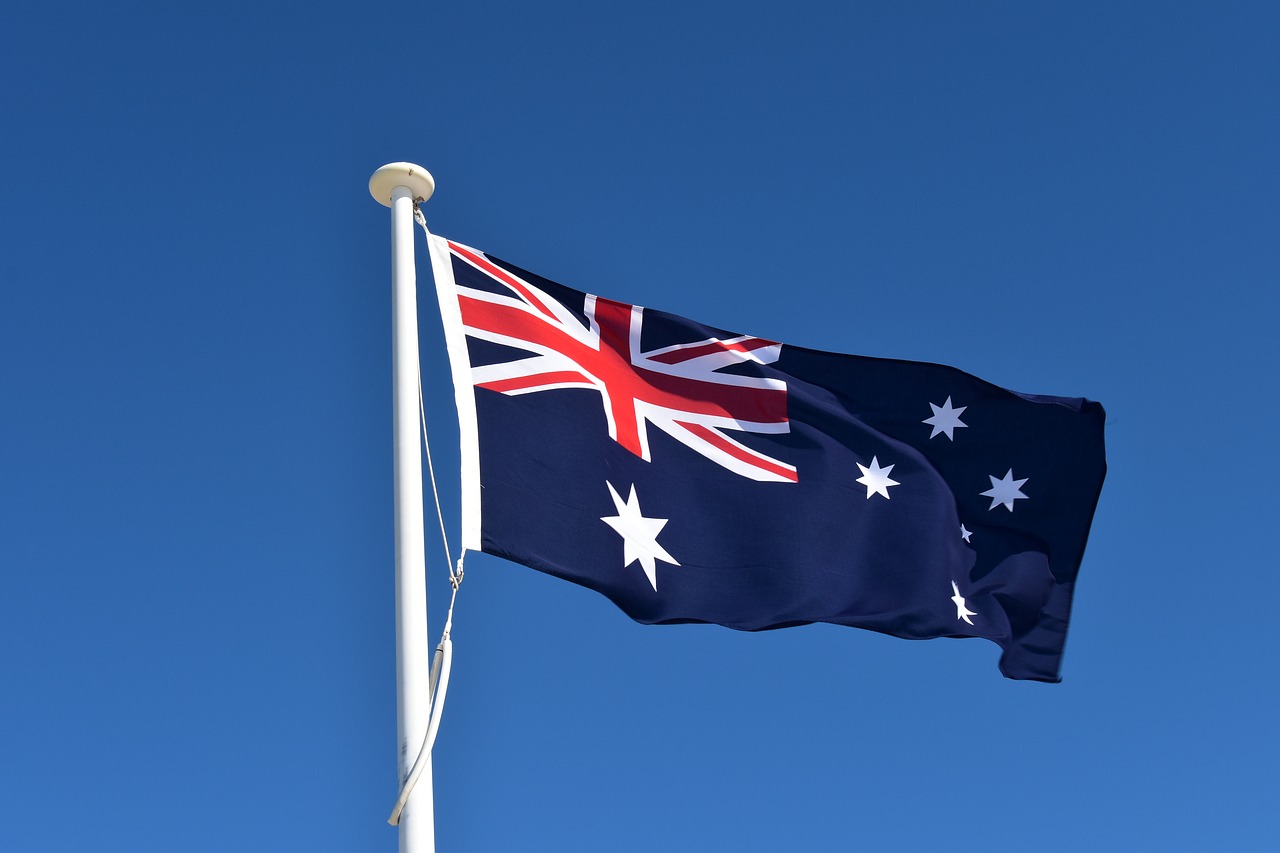
Australia, though geographically further removed from the immediate flashpoints of the South China Sea, views the stability of the Indo-Pacific as paramount to its national security and economic prosperity. The nation is currently undertaking a once-in-a-generation expansion of its defence forces, a comprehensive overhaul designed to project power and deter aggression across the region. This includes significant investments in advanced capabilities, such as long-range strike missiles, and the acquisition of nuclear-powered submarines under the AUKUS security pact with the United States and the United Kingdom.
Furthermore, Australia has been increasingly accommodating a growing U.S. military footprint on its territory, with enhanced rotations of U.S. Marines in Darwin and increased visits by U.S. air and naval assets. This expanded presence is part of a broader strategy to bolster regional deterrence and ensure freedom of navigation and overflight, directly challenging China’s attempts to assert exclusive control over international waters and airspace. Canberra’s strategic rationale is clear: by building a network of resilient partnerships and enhancing its own capabilities, it aims to contribute to a stable and secure regional environment where international law prevails.
Vietnam’s "Bamboo Diplomacy" and Strategic Balancing Act

Vietnam’s foreign policy is often characterized by "bamboo diplomacy," a flexible and pragmatic approach that seeks to maintain good relations with multiple major powers while safeguarding national interests and sovereignty. This strategy involves navigating the complex geopolitical currents of the Indo-Pacific, balancing its economic dependence on China with its security concerns regarding Beijing’s actions in the South China Sea.
Vietnam has been actively diversifying its partnerships, elevating ties with various nations, including the United States, Japan, India, and now Australia, to Comprehensive Strategic Partnerships. This signifies a recognition of the importance of these relationships in providing diplomatic leverage, economic opportunities, and security cooperation. While Hanoi remains cautious not to provoke Beijing directly, its actions clearly indicate a desire to bolster its defence capabilities and regional standing through multilateral engagements. The expanded military cooperation with Australia fits squarely within this strategic framework, offering a credible partner with shared concerns about maritime security and regional stability.
Timeline of Engagement and Bilateral Evolution
The relationship between Australia and Vietnam has steadily deepened over recent decades, evolving from post-conflict reconciliation to a robust strategic partnership.

- 1973: Diplomatic relations established.
- 1990s-2000s: Significant growth in trade, investment, and education links. Australia became a popular destination for Vietnamese students.
- 2018: Australia and Vietnam elevated their relationship to a Strategic Partnership, recognizing mutual interests in regional security and economic prosperity.
- 2023: During Prime Minister Albanese’s visit to Hanoi, the two nations agreed to elevate their relationship further to a Comprehensive Strategic Partnership, reflecting the increasing breadth and depth of their cooperation across all sectors, including defence, trade, education, and climate change.
- Early 2024: High-level visits and dialogues intensify, laying the groundwork for Tuesday’s defence cooperation announcement.
This trajectory demonstrates a deliberate and sustained effort by both nations to build a multifaceted relationship that extends beyond economic ties to encompass critical security dimensions.
Economic Resilience and Broader Bilateral Deals
Beyond military cooperation, the Canberra talks yielded a slate of other significant agreements aimed at bolstering economic resilience and strengthening trade links. Australia and Vietnam committed to deepening "economic resilience," a broad term that likely encompasses efforts to diversify supply chains, enhance investment, and facilitate trade to mitigate global economic shocks.
A notable, albeit more niche, outcome was the agreement to restart market access for Australian game meat, including kangaroo, to Vietnam. This seemingly minor detail highlights the comprehensive nature of the bilateral discussions, covering a wide array of economic sectors. Bilateral trade between Australia and Vietnam has seen robust growth in recent years, reaching approximately AUD $25 billion (USD $16.5 billion) in 2023. Australia is a significant investor in Vietnam, particularly in education, agriculture, and manufacturing, while Vietnam’s exports to Australia include textiles, footwear, and seafood. This economic interdependence provides a strong foundation for the broader strategic partnership, creating shared interests in regional stability and unimpeded trade routes.

Implications for Regional Security Architecture
The deepening Australia-Vietnam defence partnership carries significant implications for the broader Indo-Pacific security architecture. It represents a tangible step by middle powers to assert their agency in a region increasingly defined by great power competition. By enhancing their collective capabilities and interoperability, Australia and Vietnam aim to:
- Strengthen Deterrence: A more coordinated and capable network of regional partners can make potential acts of aggression or coercion less attractive, thereby contributing to overall regional stability.
- Promote International Law: The emphasis on maritime security and freedom of navigation reinforces the importance of international law, particularly the UN Convention on the Law of the Sea (UNCLOS), in managing disputes.
- Diversify Security Options: For Vietnam, this partnership offers an alternative to over-reliance on any single major power, aligning with its "bamboo diplomacy." For Australia, it broadens its network of security partners beyond traditional alliances.
- Enhance Information Sharing: Improved intelligence sharing on maritime activities in the South China Sea and beyond will provide both nations with better situational awareness, crucial for responding to emerging threats.
While this cooperation is not explicitly aimed at encircling or containing China, it undeniably contributes to a regional environment where China’s actions are subject to greater scrutiny and potential pushback from a growing coalition of concerned nations.
Challenges and the Path Forward

Despite the positive momentum, challenges remain. Both Australia and Vietnam must carefully manage their relationships with China, which remains a vital economic partner for both. The delicate balance between economic engagement and strategic deterrence will require astute diplomacy. Furthermore, enhancing military interoperability, sharing sensitive intelligence, and conducting complex joint exercises will demand sustained commitment and investment from both sides.
The expanded military cooperation between Australia and Vietnam underscores a shared recognition of the evolving strategic landscape in the Indo-Pacific. It highlights a growing determination among regional middle powers to actively shape their security environment, promote a rules-based order, and safeguard their national interests amidst increasing geopolitical complexities. This partnership represents a significant contribution to the collective effort to ensure a peaceful, stable, and prosperous future for the region.

 Jia Lissa
 Azzam Bilal Chamdy