Raul Delapena Setiawan
A catastrophic mudslide, triggered by an ice-rock avalanche, has swept through a remote valley along the China-Nepal border in the Himalayas, leaving a trail of devastation. The disaster, which occurred on the morning of Wednesday, August 26, has resulted in over a thousand people missing and hundreds confirmed dead. Communities in both the Tibet Autonomous Region of China and Nepal have been severely impacted, facing the immediate aftermath of destruction and the daunting task of recovery.
The Genesis of a Catastrophe
Initial assessments suggest that the devastating event began with a colossal ice-rock avalanche that struck the river at the valley’s base. This impact unleashed a flash flood, which in turn fueled a massive mudslide that surged downhill, engulfing everything in its path. The exact cause of the ice-rock avalanche is still under investigation, but experts are urging caution against attributing Wednesday’s disaster solely to climate change as the immediate trigger. However, they widely acknowledge that rising global temperatures and the consequent melting of glaciers likely played a significant contributing role in destabilizing the fragile high-altitude environment.
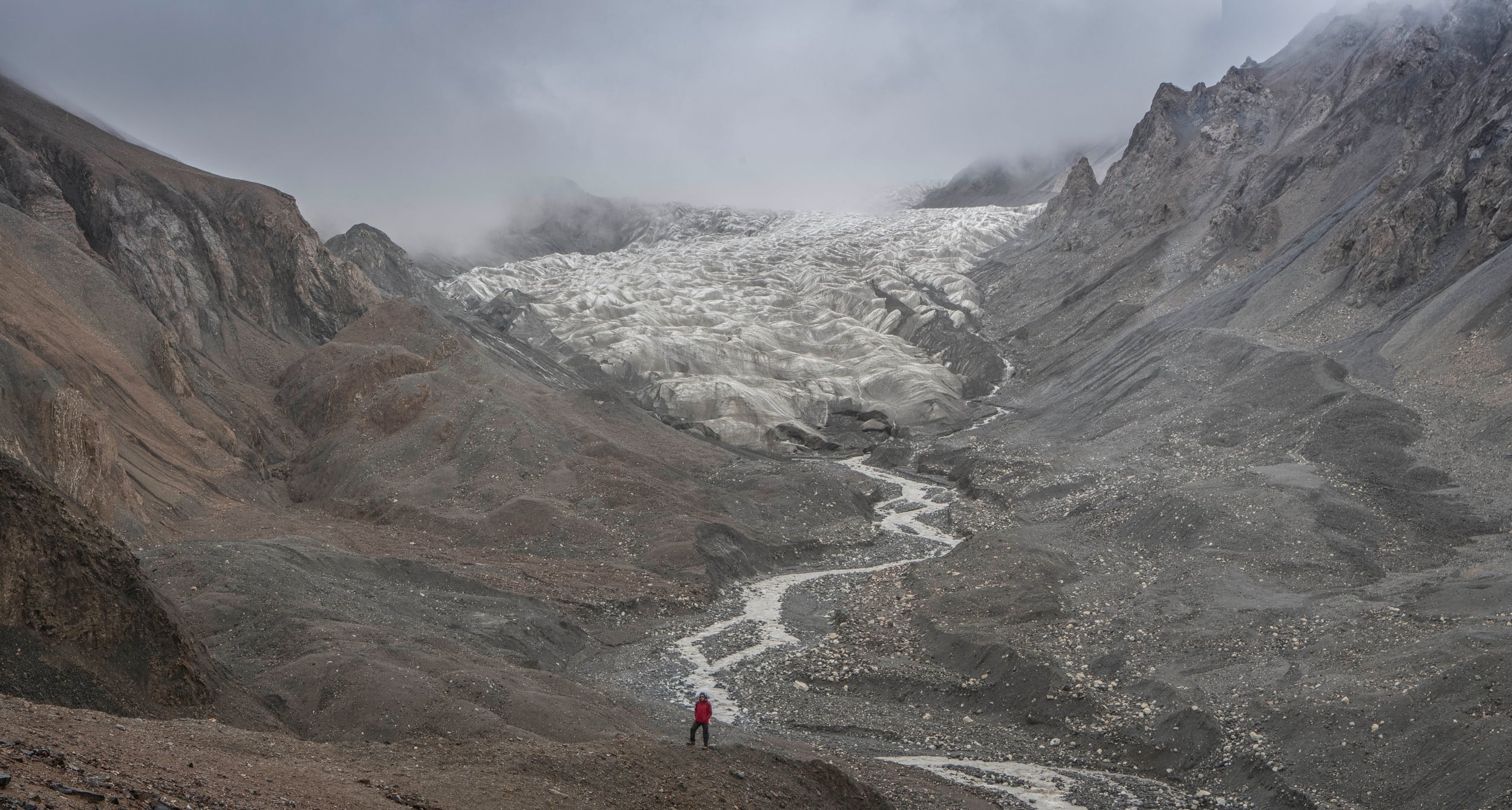
This tragic event echoes a similar disaster that struck the same border region last year. That incident was identified as a glacial outburst flood, a phenomenon occurring when meltwater accumulates behind natural dams of ice and debris at the base of a glacier. When these moraine walls fail, the immense pressure of the trapped water is released, leading to a sudden and destructive flood.
A Region Under Threat: Climate Change and Himalayan Fragility
The mudslide serves as a stark reminder of the inherent fragility of permafrost regions, particularly in the Himalayas and on the Tibetan Plateau. These high-altitude, mountainous areas, historically characterized by extreme cold, are warming at a rate alarmingly twice the global average. Between 1981 and 2020, the region experienced an average temperature increase of +0.5°C every ten years, accompanied by a rise in precipitation of +14 millimeters every ten years.
These statistics, while alarming, fail to fully capture the profound geological implications of such rapid climate change in these sensitive ecosystems. The delicate balance of soils, river stability, and the interconnectedness of natural processes means that localized events can cascade into chain reactions with devastating consequences. Furthermore, the human populations residing in these mountainous areas are particularly vulnerable to both natural and climate-induced disasters.

A Troubling Precedent and Growing Concerns
The increasing frequency and intensity of such catastrophic events in the Himalayas are a growing concern for scientists and policymakers. A 2018 report by Greenpeace East Asia, in collaboration with the Chinese Academy of Sciences and the Gansu Provincial Academy, provided a comprehensive analysis of climate change’s impact on glaciers across China and Asia. The report highlighted the urgent need for enhanced early warning systems and robust risk prevention measures to mitigate the escalating dangers posed by the growing instability of high-altitude glacial regions.
Since the publication of that report, the Chinese government has implemented several national strategy documents, including the "National Climate Change Adaptation Strategy 2035" and the "Qinghai-Tibet Plateau Ecological Protection Law." These initiatives underscore a commitment to addressing climate risks and bolstering monitoring and early warning systems in vulnerable areas. However, significant gaps remain in climate adaptation strategies for these complex, high-altitude environments, particularly concerning the warming permafrost. Real-time risk monitoring and effective on-the-ground emergency management mechanisms require substantial upgrades to cope with the escalating threats.
The Grim Reality of Glacial Outburst Floods
Over the past decade, numerous glacial outburst floods have been documented in the region, underscoring the persistent threat posed by melting glaciers and the formation of glacial lakes. Both Nepal and China have undertaken measures to address these risks, including disaster assessments, the deployment of remote sensing technologies, flood simulations, and cross-border information exchange.
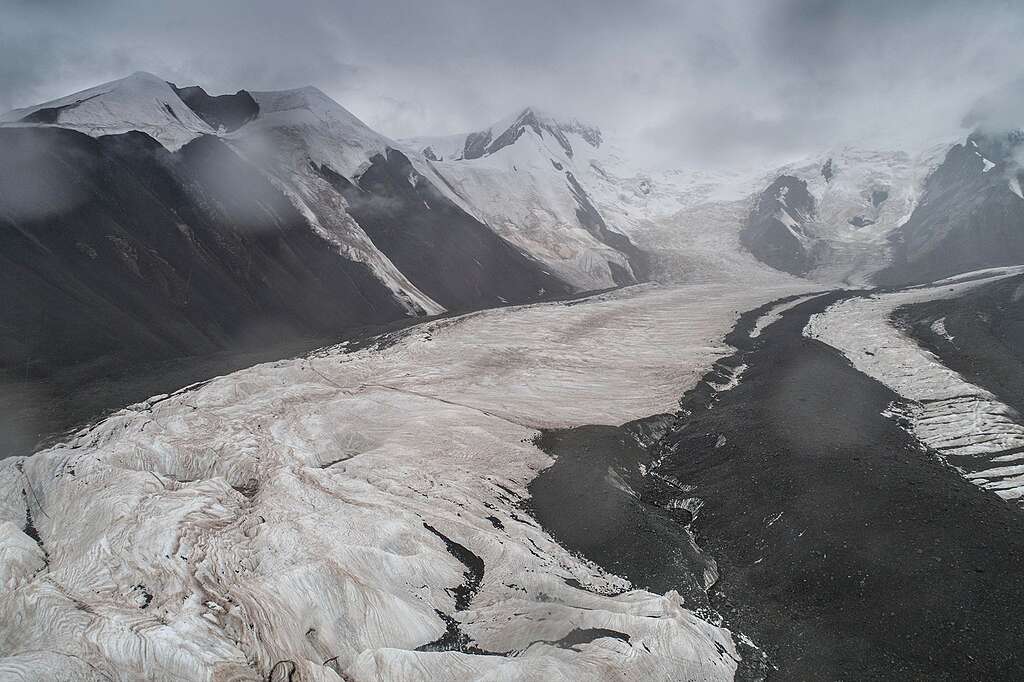
A chilling simulation conducted in 2022 of a neighboring river valley, which shares striking geological and geographical similarities with the valley hit by the recent mudslide, provided a stark glimpse into the potential speed of such disasters. This simulation, which included a glacial lake, a deep canyon, and a border crossing, predicted that a glacial lake outburst flood could reach a nearby town in a mere 5 to 11 minutes and the China-Nepal border in approximately 30 minutes. Such short response times leave communities with perilously little opportunity to evacuate or prepare.
The Human Toll and the Path Forward
The immediate aftermath of the mudslide is a scene of profound loss and devastation. Search and rescue operations are underway, hampered by the treacherous terrain and the scale of the destruction. The missing are feared to be buried under tons of mud and debris, while the confirmed dead represent a significant loss for the communities involved. Families are grappling with uncertainty and grief, while local authorities are mobilizing resources to provide emergency aid and support.
The disaster has intensified calls for greater international cooperation and investment in climate adaptation and disaster risk reduction in mountainous regions. The interconnectedness of the Himalayas means that events in one country can have far-reaching consequences for its neighbors. Sharing best practices, investing in advanced monitoring technologies, and developing robust cross-border early warning systems are crucial steps in building resilience against the growing threat of climate-induced disasters.
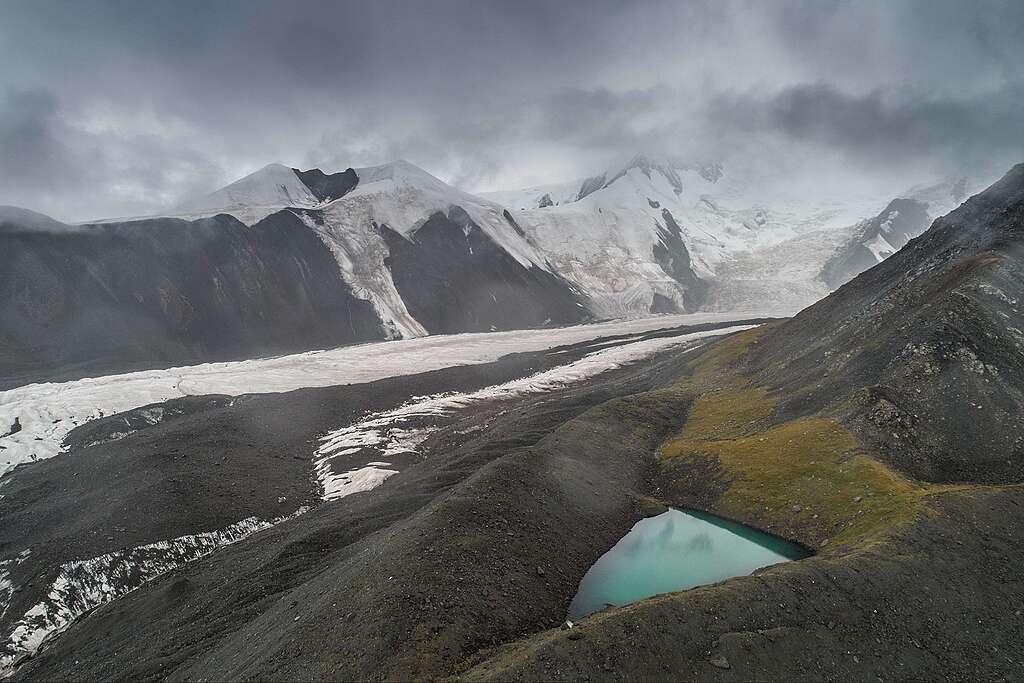
The mudslide in the Himalayas is more than just a tragic natural disaster; it is a potent manifestation of the escalating climate crisis. It underscores the urgent need for a global commitment to ambitious climate action, a transition to renewable energy sources, and a significant scaling up of adaptation measures to protect vulnerable communities and fragile ecosystems in the face of an increasingly unpredictable planet. The lessons learned from this catastrophe must drive a more concerted and effective response to safeguard lives and livelihoods in the world’s most vulnerable regions.
The long-term implications of this disaster are multifaceted. Beyond the immediate human tragedy, the economic impact on the affected communities, which often rely on agriculture and local resources, will be substantial. The destruction of infrastructure, including roads and bridges, will hinder recovery efforts and isolate communities. Furthermore, the ecological impact on the valley, including the disruption of water systems and the loss of biodiversity, will require extensive environmental rehabilitation.
As the world watches, the focus remains on the ongoing rescue and recovery efforts. However, this disaster serves as a critical wake-up call, demanding a re-evaluation of our preparedness for the intensifying impacts of climate change and a renewed commitment to building a more resilient future for all. The fragile beauty of the Himalayas has once again been marred by destruction, a somber testament to the planet’s changing climate and the urgent need for decisive action.

 Nila Kartika Wati
 Layla Zulfa