Lina Hope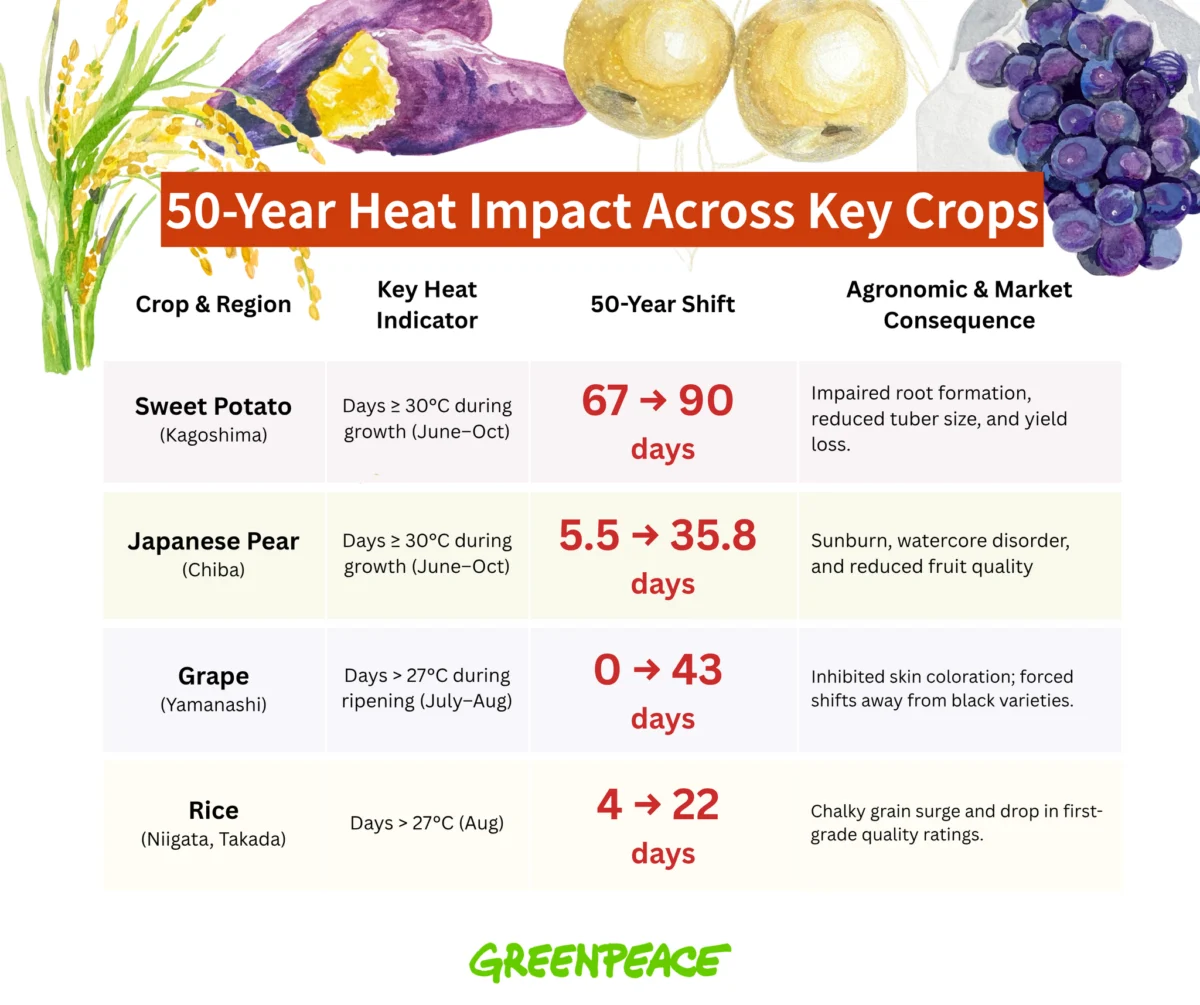
TOKYO (September 17, 2026) – Days with temperatures detrimental to crop growth across Japan’s vital agricultural regions have increased by as much as 43 days over the past half-century, signaling a significant threat to the yield and quality of four iconic autumn harvests, according to a new report released today by Greenpeace Japan. The analysis, titled Climate Change as Told by Autumn Flavours, meticulously examines five decades of climatic shifts, comparing decadal temperature averages from 1966-1975 against those from 2016-2025. This extensive period allows for a clear understanding of the escalating impact of global warming on the nation’s agricultural heartlands.
The report zeroes in on four key agricultural areas, each renowned for a specific autumn staple: Kagoshima for its sweet potatoes, Chiba for its Japanese pears, Yamanashi for its grapes, and Niigata for its rice. Researchers specifically tracked the incidence of days where physiological heat thresholds are exceeded, a phenomenon known to disrupt critical growth stages in plants. These disruptions are particularly impactful during vital periods such as fruit coloration and grain filling, directly affecting the final product’s marketability and nutritional value.
The findings paint a stark picture: crop exposure to extreme heat during these crucial developmental phases has surged dramatically. This escalation is attributed to a confluence of factors, including increasingly hotter summers, milder winters, and a rise in the frequency and intensity of tropical nights – nights where temperatures remain above 25°C (77°F), preventing plants and soil from cooling adequately. The report’s authors warn that these climate-induced impacts are not isolated incidents but are accumulating to threaten harvest stability, diminish farm incomes, and ultimately drive up retail food prices. This is particularly concerning in an agricultural sector already facing structural challenges, with a significant portion of its core workforce – 69.5% – aged 65 or older, as indicated by data from the Ministry of Agriculture, Forestry and Fisheries (MAFF) [1].
This alarming trend in crop damage occurs against a backdrop of intensifying nationwide heat extremes, a direct consequence of human-induced climate change. In 2025, Japan experienced its hottest summer since record-keeping began in 1898, marking the third consecutive year of record-breaking heat. During this period, temperatures in 25 locations across the country reached or exceeded 40°C (104°F), a phenomenon colloquially known as kokushobi (intense heat days), which has become a familiar and concerning aspect of daily life for many Japanese citizens. The Intergovernmental Panel on Climate Change (IPCC) has consistently warned that such extreme weather events pose a direct and severe threat to global food security and the livelihoods of farmers worldwide [4].
Deep Dive into the Data: A 50-Year Trajectory of Heat Impact on Key Crops
The Greenpeace Japan report meticulously details the escalating heat stress on specific crops:
-
Kagoshima (Sweet Potatoes): The report highlights a significant increase in heat stress days impacting sweet potato cultivation. High temperatures during the tuber development phase can lead to reduced starch content and impaired sugar formation, affecting both yield and taste. This region, a major producer of sweet potatoes, is increasingly vulnerable to prolonged periods of scorching heat, which can cause wilting, stunted growth, and a higher incidence of sunscald on the tubers. The cumulative effect of such conditions over 50 years suggests a substantial decline in the resilience of traditional farming methods without significant adaptation strategies.
-
Chiba (Japanese Pears): Japanese pears, prized for their crisp texture and delicate sweetness, are highly susceptible to heat stress, particularly during flowering and fruit set. Excessive heat can lead to poor pollination, resulting in misshapen or undersized fruit. Furthermore, intense heat can cause "sunburn" on the pear skins, rendering them unsaleable. The report indicates a growing number of days where temperatures exceed the optimal range for pear development in Chiba, impacting the delicate balance required for a successful harvest.
-
Yamanashi (Grapes): Yamanashi Prefecture is synonymous with high-quality grapes, including prized varieties like Kyoho. The development of sugar content and the characteristic deep coloration of grapes are directly influenced by temperature. While some warmth is beneficial, prolonged exposure to extreme heat can accelerate ripening unevenly, leading to a loss of acidity and a less desirable flavor profile. The report points to an increase in heat days that disrupt the optimal sugar-to-acid ratio, potentially diminishing the premium quality of Yamanashi grapes.
-
Niigata (Rice): As Japan’s leading rice-producing region, Niigata faces immense challenges from rising temperatures. Rice plants are particularly vulnerable to heat stress during the flowering and grain-filling stages. High temperatures during flowering can lead to poor pollen viability, resulting in fewer grains per panicle. During grain filling, excessive heat can accelerate starch deposition, leading to smaller, chalky grains with reduced taste and texture. The report’s findings suggest that Niigata is experiencing a greater number of heat-stressed days during these critical periods, jeopardizing the quantity and quality of the nation’s staple food.
The qualitative data gathered through field interviews with farmers further underscores the severity of the crisis. These interviews reveal that the challenge extends far beyond mere temperature charts. Farmers are engaged in a continuous battle against a barrage of climate-related adversities, including extreme heat, water scarcity due to altered rainfall patterns, shifting seasonal windows that disrupt traditional planting and harvesting schedules, and a surge in pest populations that thrive in warmer conditions. While producers are demonstrating remarkable resilience and innovation – experimenting with changes in planting dates and trialing heat-tolerant crop varieties – these farm-level adaptations are increasingly insufficient to counteract the systemic shocks driven by climate change.
A Farmer’s Perspective: Ingenuity Versus Systemic Shocks
"Over 50 years of accelerating heat waves have pushed Japan’s most iconic agricultural hubs past their thermal limits, placing both crop viability and supermarket prices on the line," stated Ikumi Toyota, Climate and Energy Campaigner at Greenpeace Japan. "While farmers are showing incredible ingenuity to adapt, single operations cannot outrun systemic climate disruption. When the people who feed us run out of options, national food security becomes everyone’s crisis."
Toyota’s statement encapsulates the dual nature of the problem: individual farmers are striving to cope, but the overarching environmental changes are systemic and demand a broader, more coordinated response. The report’s analysis implies that without significant intervention, the economic viability of these agricultural regions and the cultural significance of their iconic produce are at stake. The interconnectedness of agriculture, economy, and food security means that challenges faced by farmers in these regions have ripple effects across the entire nation.
Chronology of Escalating Heat Events
The Greenpeace Japan report provides a historical perspective on the intensifying heat, demonstrating a clear trend over the past 50 years:
-
1966-1975 (Baseline Period): This decade serves as a benchmark, representing a period with generally more stable and predictable climatic conditions for agriculture. While heat events occurred, they were less frequent and less intense than in later periods.
-
Mid-to-Late 20th Century: Gradual increases in global temperatures began to be observed, with subtle but measurable impacts on agricultural yields in some regions. However, these were often attributed to localized weather patterns rather than systemic climate change.
-
Early 21st Century (2000s-2010s): The acceleration of global warming became undeniable. Japan began to experience more frequent and intense heatwaves, leading to documented instances of crop damage. Reports from the Japan Meteorological Agency (JMA) started to highlight unusual temperature trends.
-
2020s (Focus of the Report): This decade, particularly the period from 2016-2025 analyzed in the report, shows a dramatic surge in crop-damaging heat days. The record-breaking summer of 2025, as reported by the JMA [2], is a stark indicator of the escalating severity. The rise of kokushobi as a common term [3] reflects the pervasive nature of extreme heat during this period.
This chronological progression highlights that the current crisis is not an overnight phenomenon but a culmination of decades of warming trends, amplified in recent years.
Broader Implications: Food Security and Economic Stability
The implications of these findings extend far beyond the agricultural sector. A decline in domestic food production due to climate change directly impacts Japan’s food security, increasing its reliance on imports, which are themselves vulnerable to global climate disruptions and geopolitical instability. The aging farming population, coupled with the economic pressures of reduced yields and increased input costs (e.g., for irrigation or pest control), creates a precarious situation for the future of Japanese agriculture.
The economic fallout can be substantial. Reduced harvests translate to lower incomes for farmers, potentially leading to farm closures and a loss of traditional farming knowledge. For consumers, this could mean higher prices for staple foods like rice and fruits, and a reduced availability of high-quality, locally produced goods. This also has a significant impact on rural economies, which are often heavily dependent on the agricultural sector.
The report’s focus on iconic autumn crops also touches upon Japan’s rich culinary heritage and cultural identity, which are deeply intertwined with its agricultural produce. The potential degradation or loss of these crops represents not just an economic or food security issue, but a cultural one as well.
Greenpeace Japan’s Call to Action: A Multi-pronged Approach
Recognizing the urgency and complexity of the issue, Greenpeace Japan has outlined a series of actionable recommendations for the Japanese government. These calls to action aim to address the root causes of climate change while supporting the agricultural sector in adapting to its impacts. The organization urges the government to act swiftly on four key fronts:
-
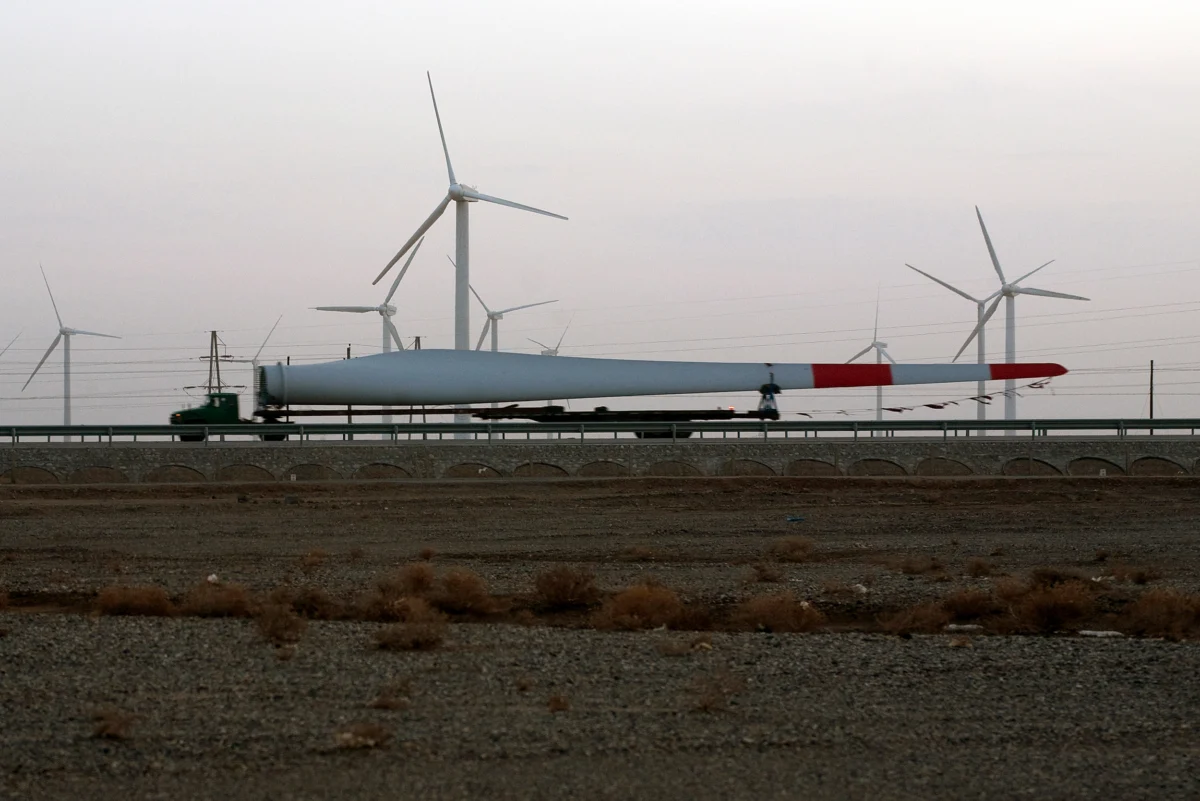
Accelerate the Transition to Renewable Energy: This is a fundamental step to reduce greenhouse gas emissions, the primary driver of climate change. Greenpeace advocates for a rapid phase-out of fossil fuels and a significant investment in solar, wind, and other renewable energy sources. This would not only mitigate future warming but also contribute to cleaner air and energy independence.
-
Strengthen Climate Resilience in Agriculture: Beyond immediate adaptation measures, this involves investing in long-term strategies that build resilience into farming systems. This could include promoting agroecological farming practices, supporting research and development of climate-resilient crop varieties, and improving water management infrastructure to cope with drought and flood risks.
-
Support Farmers in the Transition to Sustainable Practices: Farmers need financial and technical support to adopt more sustainable methods. This could involve subsidies for organic farming, training programs on climate-smart agriculture, and incentives for reducing the use of synthetic pesticides and fertilizers, which can have negative environmental impacts.
-
Implement Robust Climate Adaptation Plans: The government needs to develop and implement comprehensive national and regional climate adaptation plans that address the specific vulnerabilities of different sectors, including agriculture. This requires inter-agency coordination, engagement with local communities, and the allocation of sufficient resources to implement adaptation measures effectively.
The comprehensive nature of these recommendations underscores Greenpeace Japan’s view that a multifaceted approach is necessary to safeguard Japan’s agricultural future and ensure food security in the face of a changing climate. The report serves as a critical warning, urging policymakers and the public alike to confront the reality of climate change and to take decisive action to protect the nation’s vital food systems and the livelihoods of those who sustain them.
Notes:
[1] Ministry of Agriculture, Forestry and Fisheries (MAFF). Statistics on Agricultural Workforce. [Link to MAFF website]
[2] Japan Meteorological Agency (JMA). (March 11, 2026). Climate Change Monitoring Report. [Link to JMA data]
[3] New York Times. (July 23, 2026). It’s So Hot That Japan Needs a New Word for It. [Link to NYT article]
[4] Intergovernmental Panel on Climate Change (IPCC) Special Report on Climate Change, Land, and Food Security. [Link to IPCC report]
Media Contacts:
Yujie Xue, International Communications Officer, Greenpeace East Asia, +852 5127 3416, [email protected]
Kahoko Sato, Communications Officer, Greenpeace Japan, +81 70 1228 7611, [email protected]

 Basiran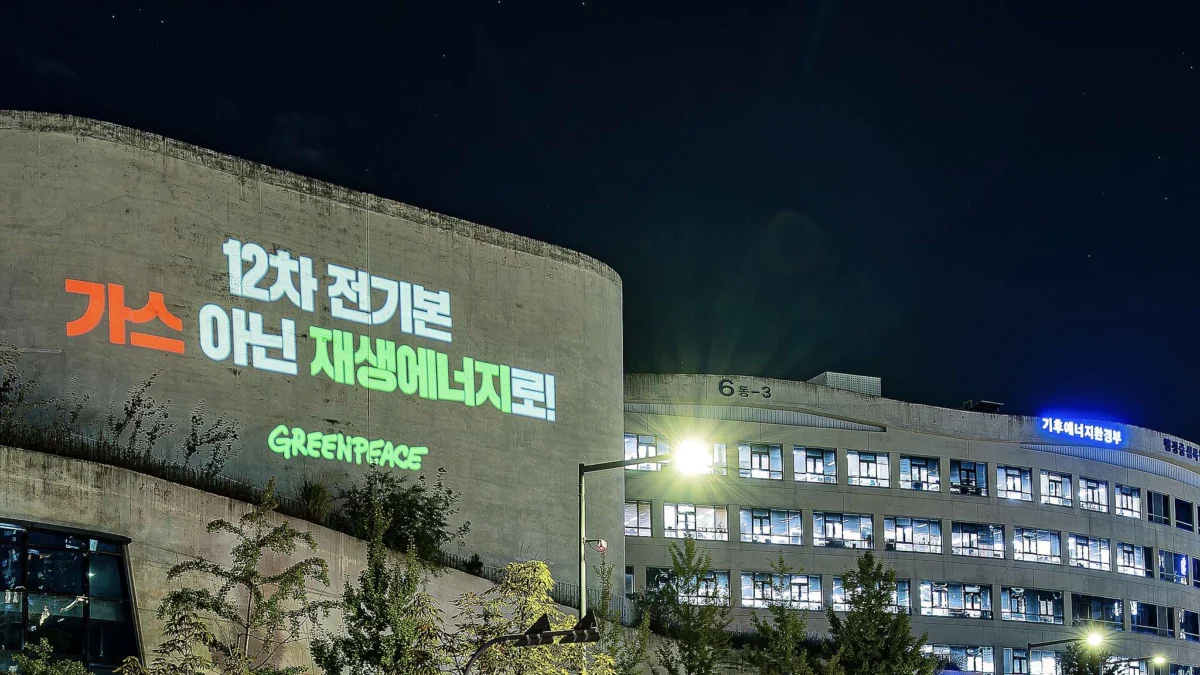
 Pevita Pearce