Reynand Wu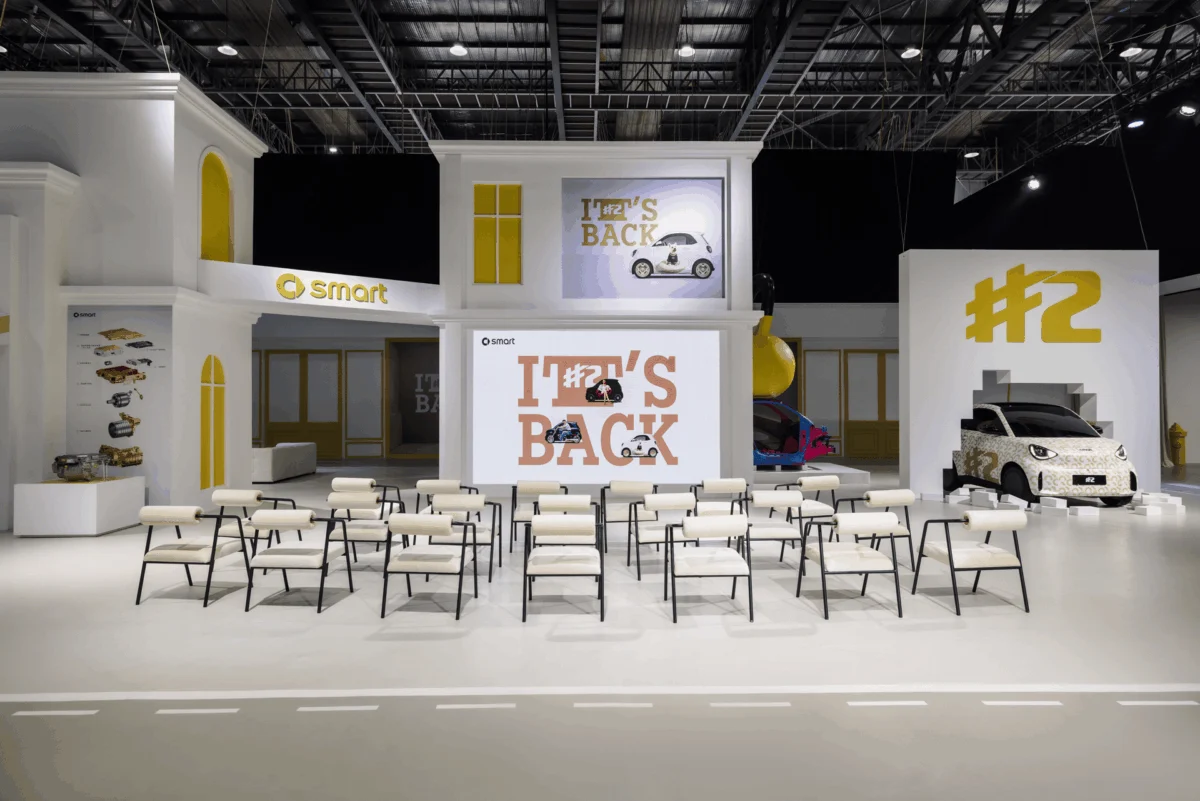
The smart #2 is poised to become a significant entry in the burgeoning urban electric vehicle segment, offering a blend of compact dimensions, efficient performance, and rapid charging capabilities. Central to its design is a 35.8 kWh battery pack utilizing advanced cells from CATL, a global leader in EV battery manufacturing. This power unit is seamlessly integrated with an 11-in-1 electric drive system, an engineering marvel designed to optimize space, efficiency, and power delivery within the car’s diminutive footprint. smart targets an impressive approximately 300 km of WLTP (Worldwide Harmonized Light Vehicles Test Procedure) range, positioning the #2 as a highly capable city commuter and beyond. Furthermore, the vehicle boasts DC fast charging capabilities, allowing the battery to replenish from 10% to 80% in a mere 20 minutes, a crucial feature for drivers seeking convenience and minimal downtime.
Engineering Unveiled: A Deep Dive into the smart #2’s Core
The Beijing workshop served as a critical platform for smart to showcase the innovative engineering principles underpinning the #2. The Electric Compact Architecture (ECA) is not merely a chassis; it is a bespoke foundation specifically developed for compact electric vehicles, distinguishing it from platforms adapted from internal combustion engine (ICE) designs. This dedicated EV architecture allows for optimal packaging of electric components, maximizing interior space despite the vehicle’s small exterior dimensions and contributing to enhanced safety, ride dynamics, and aerodynamic efficiency. For a vehicle measuring less than three meters, this architectural approach is paramount, ensuring that every millimeter is utilized effectively to deliver a premium driving experience.
At the heart of the smart #2’s powertrain is its 35.8 kWh battery, a capacity well-suited for its intended urban and suburban usage. The integration of CATL cells speaks volumes about smart’s commitment to quality and performance. Contemporary Amperex Technology Co. Limited (CATL) is renowned for its cutting-edge battery technology, supplying many of the world’s leading automotive brands. While specific chemistry (e.g., LFP or NMC) for the #2’s cells was not detailed, CATL’s expertise ensures high energy density, thermal stability, and a long lifecycle. The battery’s placement within the ECA platform typically contributes to a low center of gravity, enhancing stability and handling characteristics, which are vital for nimble urban driving.
Complementing the battery is the highly integrated 11-in-1 electric drive system. This innovative unit consolidates multiple powertrain components—such as the motor, gearbox, inverter, DC/DC converter, on-board charger, and power distribution unit—into a single, compact housing. Such high integration offers several significant advantages: it reduces the overall weight and size of the powertrain, frees up valuable space for occupants and cargo, simplifies manufacturing, and improves overall system efficiency by minimizing energy losses between components. This level of integration is a testament to the advanced engineering capabilities being leveraged by smart under its new strategic direction.
Strategic Pre-Launch: Beijing as a Global Stage
The choice of Beijing for the engineering preview on September 28 was a highly strategic move, underscoring the critical importance of the Chinese market for smart’s global ambitions. China is not only the world’s largest automotive market but also the undisputed leader in electric vehicle adoption and manufacturing. Hosting a technical workshop in Beijing allowed smart to engage directly with key stakeholders, media, and potential partners in a region that is at the forefront of EV innovation. This pre-premiere event offered a focused opportunity to highlight the technical prowess of the #2, appealing to a tech-savvy audience and demonstrating smart’s commitment to delivering cutting-edge solutions for the Chinese consumer.
The workshop format, as opposed to a full reveal, allowed for a deeper dive into the technical specifications and engineering philosophy behind the smart #2. This approach can generate significant interest and anticipation ahead of a broader public debut, giving technical details the spotlight before the vehicle’s aesthetic design takes center stage. It also provides an opportunity to gather early feedback from industry experts and analysts, refining messaging and market positioning before the official launch. The dual-event strategy—a technical preview in China followed by a global design reveal in Europe—reflects a sophisticated understanding of different market dynamics and communication strategies.
The Evolution of smart: A Brand Reimagined
The smart brand has undergone a profound transformation in recent years. Founded in 1994 as a joint venture between Mercedes-Benz (then Daimler-Benz) and Swatch, smart was initially conceived to offer revolutionary urban mobility solutions with its iconic two-seater smart ForTwo. For decades, smart cars were synonymous with compact design, easy parking, and a distinctive urban flair. However, the brand faced challenges in profitability and market expansion, particularly with its transition to electric powertrains.
In 2019, a pivotal moment arrived when Daimler AG and Zhejiang Geely Holding Group Co., Ltd. (Geely) announced a 50:50 joint venture to operate smart globally as a premium all-electric vehicle manufacturer. This strategic alliance brought together Mercedes-Benz’s design expertise with Geely’s advanced engineering and manufacturing capabilities, particularly in electric vehicle platforms. The new smart Automobile Co., Ltd. was established, headquartered in Ningbo, China, marking a significant shift in the brand’s operational base and strategic direction.
Under this new leadership, smart embarked on a complete reinvention, moving beyond its traditional two-seater offerings to a broader portfolio of premium all-electric vehicles. This transformation was first showcased with the introduction of the smart #1, a compact SUV, and subsequently the smart #3, a compact SUV coupé. These models, built on Geely’s advanced Sustainable Experience Architecture (SEA) platform, signaled smart’s ambition to enter more competitive segments while retaining its core values of urban agility and intelligent design. The smart #2, while returning to the brand’s heritage of a two-seater, does so with a thoroughly modern, all-electric, and technologically advanced interpretation, leveraging the full benefits of the joint venture’s R&D capabilities. It represents a strategic move to cater to both loyal smart enthusiasts and a new generation of urban commuters seeking compact, efficient, and technologically sophisticated electric vehicles.
Powering the Future: CATL and Integrated Drivetrains
The choice of CATL as the battery cell supplier for the smart #2 reinforces the vehicle’s commitment to cutting-edge technology and performance. CATL is not just a major supplier; it is an innovator in battery technology, continually pushing boundaries in energy density, charging speeds, and safety. Its global market share in EV battery production is among the highest, testament to its reliability and technological leadership. For a compact EV like the smart #2, the selection of high-quality, efficient battery cells is paramount, as space and weight are at a premium. CATL’s expertise ensures that the 35.8 kWh pack delivers not only the targeted range but also consistent performance over the vehicle’s lifespan.
The 11-in-1 integrated electric drive system is another highlight of smart’s advanced engineering. This level of integration is a hallmark of modern EV design, moving away from disparate components to a holistic, optimized unit. By combining the motor, power electronics, and transmission into a single housing, manufacturers can achieve significant benefits. Firstly, it reduces the number of cables and connectors, decreasing potential points of failure and simplifying assembly. Secondly, it allows for more efficient thermal management of the entire system, leading to better sustained performance and longevity. Thirdly, the compact nature of such a system directly contributes to improved vehicle packaging, allowing designers more freedom to optimize cabin space and exterior aesthetics. This comprehensive approach to powertrain design is crucial for maximizing the efficiency and performance of electric vehicles, especially those designed for urban environments where quick acceleration and regenerative braking are frequently utilized.
Range and Rapid Charging: Addressing Urban EV Demands
The targeted WLTP range of approximately 300 km for the smart #2 positions it as a highly practical option for urban and even some inter-city travel. The WLTP standard, widely adopted in Europe and other regions, provides a more realistic assessment of a vehicle’s range compared to older test cycles. For most urban commuters, 300 km is more than sufficient for a week’s worth of driving, often exceeding typical daily requirements by a significant margin. This range alleviates "range anxiety," a common concern among potential EV buyers, making the smart #2 a compelling choice for those transitioning to electric mobility.
Equally important for convenience is the vehicle’s rapid DC fast charging capability, allowing the battery to charge from 10% to 80% in just 20 minutes. This feature is a game-changer for urban dwellers who may not have access to home charging or who need to quickly top up their battery during a busy day. A 20-minute charge time is comparable to a coffee break or a short grocery run, effectively integrating charging into daily routines rather than demanding dedicated stops. This speed is achieved through advanced battery management systems and high-power charging architecture, ensuring that the smart #2 remains ready for action with minimal interruption. The accessibility of fast-charging infrastructure, particularly in urban centers, will further enhance the appeal and usability of the #2.
Anticipation Builds: The Paris Motor Show Premiere
The world premiere of the smart #2 at the Paris Motor Show on October 12 is eagerly awaited. The Paris Motor Show, one of the oldest and most prestigious automotive exhibitions globally, provides an ideal stage for smart to unveil the full design, interior, and comprehensive specifications of its new two-seater. While the Beijing workshop focused on the engineering, Paris will likely showcase the vehicle’s aesthetic appeal, premium materials, and smart’s signature design language. This event will be crucial for smart to connect with a European audience, a traditional stronghold for the brand, and to solidify its position as a modern, premium EV manufacturer.
At the Paris reveal, industry analysts and consumers alike will be keen to learn about the smart #2’s interior features, connectivity options, safety systems, and crucially, its pricing and market availability. Given smart’s recent move into the premium segment with the #1 and #3, it is expected that the #2 will also offer a sophisticated cabin experience with advanced infotainment and driver-assistance technologies. The European market, with its dense urban centers and strong push for sustainable mobility, is a natural fit for a compact, efficient electric vehicle like the smart #2. The show will serve as a launchpad for the #2’s market entry, potentially across Europe and other international markets in the subsequent months.
Broader Implications: Redefining Urban Mobility
The introduction of the smart #2 carries significant implications for the urban mobility landscape and smart’s strategic trajectory. By reintroducing a modern two-seater, smart is not only paying homage to its roots but also addressing a persistent demand for ultra-compact, efficient vehicles tailored for congested city environments. The #2 will compete in a niche yet growing segment, offering a compelling alternative to larger EVs and traditional city cars. Its advanced engineering, impressive range, and rapid charging capabilities position it strongly against existing and upcoming rivals.
Furthermore, the smart #2 reinforces the success of the Daimler-Geely joint venture, showcasing how strategic partnerships can accelerate innovation and market expansion in the rapidly evolving automotive industry. The synergy between Mercedes-Benz’s design philosophy and Geely’s prowess in EV platform development and manufacturing is evident in the #2’s technical specifications. This collaboration allows smart to leverage global resources, scale production efficiently, and access cutting-edge technologies that might be cost-prohibitive for a smaller, independent entity.
The smart #2 is more than just a new car; it is a statement about the future of urban transport. As cities worldwide grapple with air quality concerns, traffic congestion, and the need for sustainable solutions, compact electric vehicles like the #2 offer a tangible path forward. Its design optimizes space, minimizes environmental impact, and provides intelligent connectivity, aligning perfectly with the evolving demands of modern urban living. The smart #2 represents a renewed commitment to its founding vision—to offer smart solutions for city life—now fully electric and technologically advanced, poised to redefine what a premium urban vehicle can be in the 21st century.


 Azzam Bilal Chamdy
 Siti Muinah