Suro Senen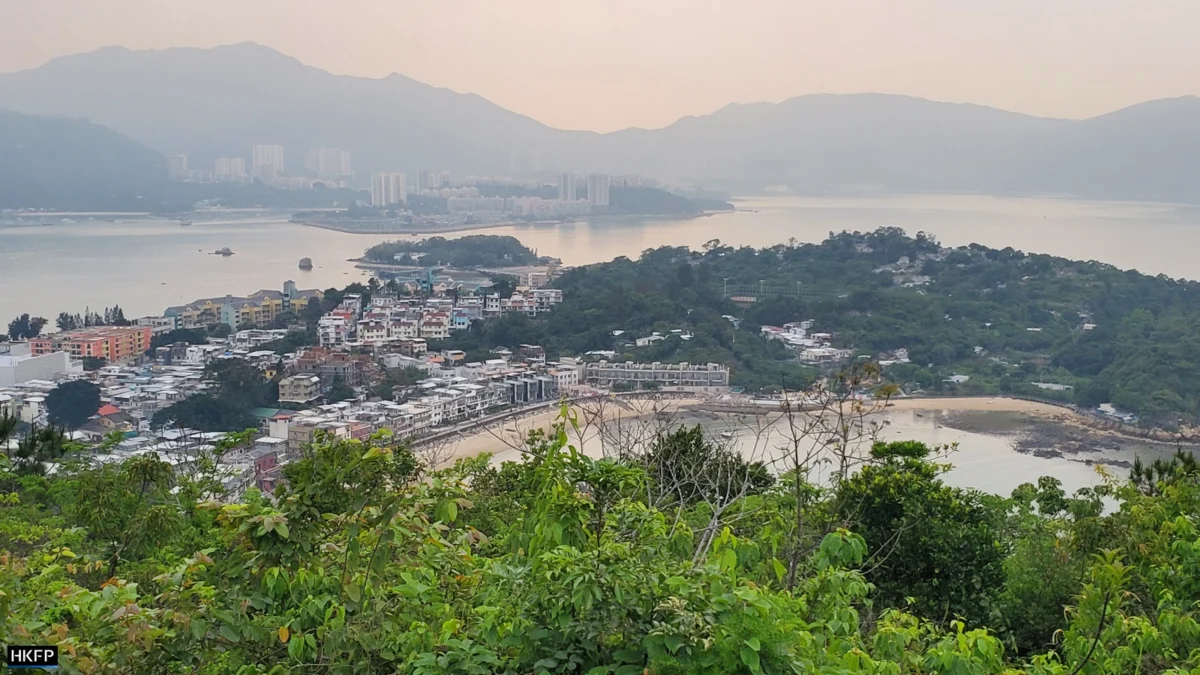
A tragic incident has cast a somber shadow over the Peng Chau Challenge Open Water Swim Race, resulting in the death of a 58-year-old New Zealand national. The man was participating in the event on Thursday when he was found unresponsive in the water, prompting an immediate rescue effort. Despite swift medical attention, he was later pronounced dead at a hospital. The event, a popular fixture in Hong Kong’s sporting calendar, has now become the scene of a profound loss, raising questions about safety protocols and emergency response in open water swimming competitions.
Chronology of Events
The incident unfolded on Thursday, with police receiving a report at approximately 12:21 PM concerning a male participant falling unconscious. The exact circumstances leading to the man losing consciousness remain under investigation. Emergency responders were immediately dispatched to the scene. Rescuers located the man in the waters off Tung Wan Beach and initiated life-saving measures, including the use of an automated chest compression device.

Following initial resuscitation efforts on-site, the participant was transported to Peng Chau Clinic for further medical assessment. Due to the critical nature of his condition, he was subsequently airlifted to Pamela Youde Nethersole Eastern Hospital. It was at this hospital that he was officially pronounced deceased. The timeline indicates a rapid response from emergency services, underscoring the urgency of the situation.
The Peng Chau Challenge: An Overview
The Peng Chau Challenge Open Water Swim Race is an annual event, often held as part of National Day celebrations. Organized by Event Horizons, the competition typically features multiple distances, catering to a range of swimming abilities. The races involved in this year’s challenge included a 5.5km, a 3.4km, and a 1.7km swim, all circumnavigating the picturesque outlying island of Peng Chau. The appeal of the event lies not only in the athletic challenge but also in the scenic beauty of the course.
According to the event’s website, safety is a paramount concern, and participants are often required to adhere to specific guidelines. The website indicates that the mandatory use of inflatable safety buoys was a requirement for all swimmers participating in the race. These buoys are designed to enhance visibility and provide an additional flotation aid in open water conditions. The inclusion of such safety measures highlights the organizers’ awareness of the inherent risks associated with open water swimming.

Emergency Response and Medical Intervention
Upon receiving the distress call, emergency services acted with commendable speed. The deployment of an automated chest compression device suggests a commitment to providing the highest standard of immediate medical care. The subsequent airlift to a major hospital further emphasizes the severity of the participant’s condition and the critical need for advanced medical facilities.
Despite these efforts, the participant’s passing underscores the unpredictable nature of open water swimming and the challenges in responding to medical emergencies in such environments. The success of resuscitation efforts can be influenced by numerous factors, including the duration of unconsciousness, the underlying cause, and the immediate availability of advanced medical care.
Organizers’ Statement and Initial Response
Initially, Event Horizons did not respond to inquiries from Hong Kong Free Press (HKFP) on the day of the incident. There was also no immediate public statement or expression of condolences from the organization on Thursday. This initial silence, while perhaps attributed to the unfolding crisis and the need to gather information, was noted by observers.

However, on Friday, Event Horizons issued a statement posted on their website. In this message, they confirmed that their emergency response mechanism was activated when a male participant suddenly felt unwell during the race. The statement detailed that the participant received on-site medical assistance and was transported to the hospital. It concluded by expressing their "deepest condolences for the participant’s passing and extend their sincerest sympathies to his family," acknowledging that he passed away despite resuscitation efforts. The statement also noted the ongoing efforts to support the family during this difficult time.
Broader Context of Open Water Swimming Safety
Open water swimming, while exhilarating and rewarding, carries inherent risks that differ significantly from pool swimming. Factors such as unpredictable currents, variable water temperatures, marine life, and the sheer distance involved can pose challenges to even experienced swimmers. The safety of participants in open water events relies heavily on a multi-layered approach, encompassing:
- Participant Preparedness: Swimmers are expected to be adequately trained and acclimatized to open water conditions. This includes understanding their own physical limits and being aware of the specific challenges of the chosen course.
- Event Organization and Safety Measures: Organizers play a crucial role in risk assessment, course selection, and the implementation of robust safety protocols. This includes providing adequate water safety personnel, rescue boats, medical support, and clear communication channels. Mandatory safety equipment, such as high-visibility swim caps and safety buoys, are essential components.
- Emergency Response Capabilities: The swiftness and effectiveness of the emergency response team are critical in mitigating the consequences of medical emergencies. This involves well-trained lifeguards, paramedics, and efficient communication systems to facilitate rapid medical intervention and transport.
- Environmental Conditions: Weather and sea conditions can significantly impact the safety of an open water swim. Organizers must monitor these conditions closely and be prepared to postpone or cancel events if conditions become too hazardous.
The Peng Chau Challenge, like many similar events, aims to balance the thrill of competition with the imperative of safety. While organizers often implement stringent measures, the unpredictable nature of open water swimming means that incidents, though rare, can occur.

Investigations and Potential Implications
The Hong Kong Police are expected to conduct a thorough investigation into the circumstances surrounding the man’s death. This will likely involve reviewing the event’s safety protocols, interviewing witnesses, and potentially examining medical records. Such investigations are standard procedure in cases of fatalities during organized sporting events.
The tragic loss of life will inevitably lead to a review of the safety measures in place for the Peng Chau Challenge and potentially for other open water swimming events in Hong Kong. This could involve assessing the adequacy of lifeguard staffing, the deployment of rescue craft, the effectiveness of communication systems, and the specific requirements for participant safety equipment.
The incident also serves as a poignant reminder of the importance of continuous vigilance and adherence to safety best practices in all forms of competitive sports, particularly those conducted in challenging environments like the open sea. The sporting community will undoubtedly be looking for answers and reassurance that all possible steps are being taken to prevent similar tragedies in the future.

Supporting Data and Trends
Open water swimming has seen a surge in popularity globally in recent years, attracting a diverse range of participants. While statistics on fatalities are not always readily available or consolidated, it is an acknowledged fact that open water swimming carries a higher risk of drowning compared to pool swimming. According to various drowning prevention organizations, factors such as cardiac events, hypothermia, fatigue, and poor judgment can contribute to fatalities in open water.
The sport’s growth has led to increased scrutiny of safety standards. Governing bodies for swimming and triathlon, such as World Aquatics and the International Triathlon Union, provide comprehensive guidelines for organizing safe open water events. These guidelines often cover aspects such as course marking, safety boats, medical support, and participant eligibility.
The mandatory use of safety buoys, as reportedly required by the Peng Chau Challenge, is a measure increasingly adopted in open water events worldwide. These brightly colored devices, often attached to the swimmer’s waist, serve a dual purpose: enhancing visibility to safety personnel and providing an emergency flotation aid. Their effectiveness in improving swimmer safety is widely recognized.

Reactions and Wider Impact
The news of the participant’s death has evoked a wave of sadness and sympathy within the swimming community and the wider Hong Kong public. Tributes and messages of condolence have begun to appear on social media platforms, reflecting the shock and sorrow felt by many.
The incident raises important questions for sports organizers, participants, and authorities regarding the balance between promoting participation in outdoor sports and ensuring the highest level of safety. The outcome of the police investigation will be keenly awaited, as it may inform future safety regulations and best practices for open water swimming events in the region.
The memory of the 58-year-old New Zealander serves as a solemn reminder of the risks involved in open water swimming and the critical importance of robust safety measures, vigilant oversight, and effective emergency response in safeguarding participants. The Peng Chau Challenge, an event typically associated with athleticism and scenic beauty, will now also be remembered for this profound loss.


 Azzam Bilal Chamdy
 Jia Lissa