Siti Muinah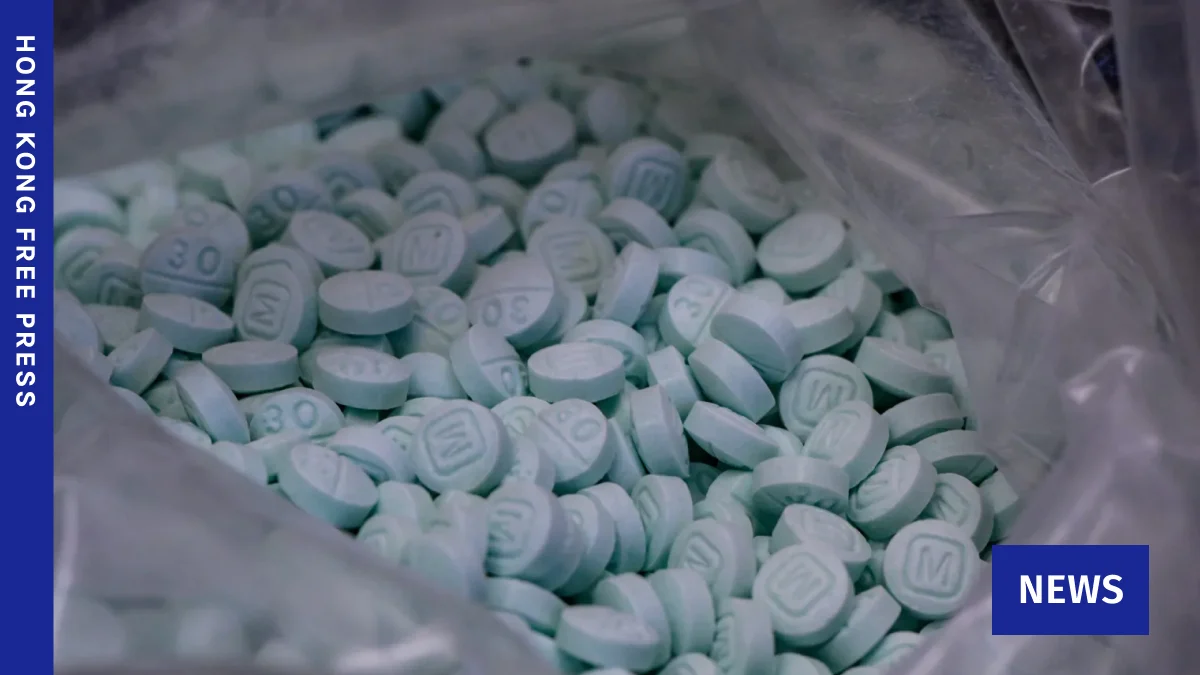
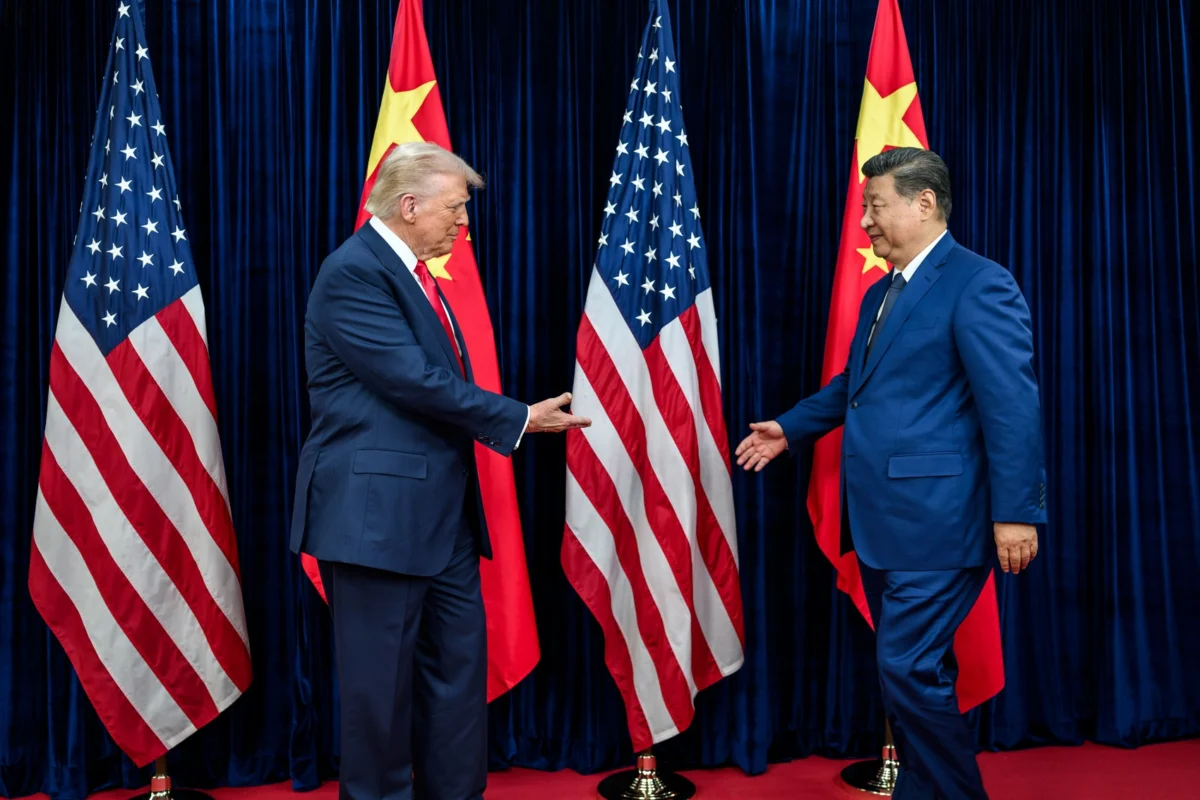
Beijing, China – China on Tuesday unveiled immediate export restrictions on two varieties of precursor chemicals that can be utilized in the illicit manufacturing of drugs, a significant move that comes just days before a highly anticipated meeting between Chinese President Xi Jinping and his US counterpart, Donald Trump. The announcement, made by Beijing’s commerce ministry, signals a potentially crucial development in the ongoing diplomatic efforts to combat the devastating global fentanyl epidemic, a public health crisis that has profoundly strained relations between Washington and Beijing.
The newly implemented regulations took effect immediately upon their announcement. Under these rules, any entity seeking to export the specified substances to the United States, Mexico, or Canada will now be required to undergo an application process. While the specific chemical names were not disclosed in the ministry’s statement, the context clearly indicates they are critical components in the synthesis of powerful synthetic opioids, most notably fentanyl. This targeted approach towards North American countries underscores the perceived nexus of illicit drug production and distribution involving these regions.
The Global Scourge of Fentanyl and China’s Pivotal Role

Fentanyl, a synthetic opioid, is estimated to be 50 to 100 times more potent than morphine, making even a small dose lethal. Originally developed as a powerful pain medication, its illicit manufacture and distribution have fueled an unprecedented drug crisis, particularly in the United States. The Centers for Disease Control and Prevention (CDC) consistently reports a staggering number of overdose deaths linked to synthetic opioids, primarily fentanyl, which has become the leading cause of accidental death for Americans under 50. The crisis has overwhelmed public health systems, law enforcement agencies, and communities across the nation, costing the US economy billions of dollars annually in healthcare, lost productivity, and criminal justice expenses.
China has long been identified by international drug enforcement agencies, including the US Drug Enforcement Administration (DEA), as the primary origin point for the precursor chemicals essential for manufacturing fentanyl. These chemicals are often legally produced by Chinese chemical companies for legitimate industrial or pharmaceutical purposes but are then diverted to clandestine laboratories, both within China and abroad, to produce illicit fentanyl and its analogues. The ease with which these precursors could be obtained and shipped globally, often disguised in legitimate cargo, has presented a formidable challenge to international drug interdiction efforts. The sheer volume and sophistication of China’s chemical industry make it a critical node in the global supply chain for a vast array of compounds, including those with dual-use potential.
A History of Tensions and Diplomatic Maneuvering
The issue of fentanyl precursors has repeatedly complicated the already intricate relationship between Washington and Beijing. For years, US officials have pressed China to intensify its crackdown on the production and export of these substances, arguing that more stringent controls are vital to stem the flow of illicit drugs into the United States. Beijing, while asserting its commitment to combating drug trafficking and emphasizing its own strict domestic drug control laws, has historically pushed back against what it perceives as disproportionate blame, often highlighting the demand-side issues within the US and the complexities of regulating a vast chemical industry.

A significant development in this ongoing dialogue occurred in May of the previous year, when China imposed export controls on another set of drug precursor chemicals. This move followed a visit by President Trump to Beijing, during which the fentanyl crisis was a prominent topic of discussion with President Xi. That earlier action was seen as a gesture of goodwill and a step towards addressing US concerns, though American officials continued to advocate for broader and more effective measures. The current restrictions build upon these prior actions, indicating a potential escalation in China’s commitment or a strategic response to persistent US pressure.
Details of the New Regulatory Framework
The commerce ministry’s statement outlined that the new rules apply to "two varieties of substances" now requiring export applications. While not explicitly named, these chemicals are understood to be key intermediate compounds vital for the synthesis of fentanyl. The requirement for export applications specifically targets shipments bound for the United States, Mexico, and Canada. This tripartite focus is highly significant. The US is the primary consumer market for illicit fentanyl. Mexico has increasingly emerged as a major hub for the final production of fentanyl, often using precursors sourced from China, before smuggling the finished product across the US border. Canada also faces a severe opioid crisis and serves as both a destination and a transit point for illicit drugs.
The application process likely involves rigorous scrutiny of the end-user, the purpose of the chemicals, and the legitimacy of the importing company. Such controls aim to prevent diversion by requiring exporters to demonstrate that their shipments are intended for legitimate industrial or pharmaceutical uses, rather than for illicit drug manufacturing. This regulatory tightening reflects an international standard for controlling dual-use chemicals, similar to measures implemented for weapons-grade materials or other hazardous substances.

The High-Stakes Summit: Fentanyl as a Diplomatic Lever
The timing of this announcement is undoubtedly strategic, coming just days before President Xi Jinping’s visit to Washington for crucial talks with President Donald Trump. This summit is expected to cover a wide array of pressing global and bilateral issues, including the escalating trade war, which has seen both nations impose billions of dollars in tariffs on each other’s goods. Other critical topics on the agenda include intellectual property rights, cybersecurity, the global competition in artificial intelligence, and regional security concerns, such as the US’s ongoing military posture in the Middle East and its relationship with Iran.
In this context, China’s new fentanyl precursor controls can be interpreted as a significant diplomatic overture. From Beijing’s perspective, it demonstrates a proactive approach to addressing a key US national security and public health concern, potentially aiming to de-escalate tensions or gain leverage in other contentious areas of negotiation, particularly trade. By showing a willingness to cooperate on an issue of such high importance to the US, China may be signaling its desire for a more constructive overall relationship or seeking concessions in return.
From the US perspective, this move could be welcomed as a long-awaited step in the right direction, potentially seen as a direct result of sustained diplomatic pressure. However, US officials will likely remain cautious, emphasizing the need for robust enforcement and continued vigilance. The effectiveness of these new controls will ultimately depend on their implementation and the ability of Chinese authorities to prevent illicit circumvention.

Implications for the Illicit Drug Trade and Global Cooperation
The imposition of these export restrictions has several potential implications for the global illicit drug trade. Firstly, it could significantly disrupt the supply chain for fentanyl production, particularly for manufacturers reliant on Chinese precursors shipped directly to North America. This might lead to an initial reduction in the availability of illicit fentanyl or an increase in its street price.
However, drug traffickers are notoriously adaptable. They may seek alternative sources for precursor chemicals from other countries with less stringent regulations, or they might attempt to synthesize precursors themselves using more readily available base chemicals. Another potential outcome is a shift in manufacturing locations, with illicit labs moving to countries where oversight is weaker or where China’s export controls do not apply. This highlights the "whack-a-mole" nature of combating drug trafficking and the need for comprehensive international cooperation beyond just China and North America.
The measure also sends a powerful message about China’s role as a responsible global actor. By taking concrete steps to address a major international drug crisis, Beijing aims to bolster its international standing and counter narratives that portray it as a passive or complicit player in the fentanyl epidemic. This commitment could pave the way for broader cooperation on other transnational crimes and global health challenges.

Past US Actions and the Path Forward
The current restrictions also invite a look back at previous US attempts to address the fentanyl crisis through economic measures. Last year, the Trump administration imposed additional tariffs on certain Chinese goods, explicitly citing China’s role in the fentanyl epidemic as a justification. However, these tariffs were subsequently struck down by the US Supreme Court in February, highlighting the legal and practical limitations of using trade penalties to address complex public health and security issues. The ruling underscored that direct regulatory and law enforcement cooperation, rather than broad economic sanctions, might be a more effective path.
The new Chinese export controls represent a direct regulatory approach, focusing on the source of the problem. This shift towards targeted chemical control is widely considered by drug policy experts to be a more effective strategy than tariffs, which often have unintended economic consequences and may not directly impact the illicit supply chain.
Looking ahead, the success of these new restrictions will hinge on robust enforcement mechanisms, transparency, and continued dialogue between China and the affected North American nations. Regular information sharing, intelligence cooperation, and joint investigations will be critical to monitor the impact of these controls and adapt to potential shifts in illicit manufacturing and trafficking patterns. The fentanyl crisis is a global challenge that demands a sustained, multifaceted, and cooperative international response, and China’s latest move, while significant, is but one step in a long and complex battle. The upcoming summit will undoubtedly provide an opportunity for both leaders to reaffirm their commitment to tackling this shared threat and to explore further avenues for collaboration.

 Sagoh
Sagoh
 Evan Lee Salim