Lina Irawan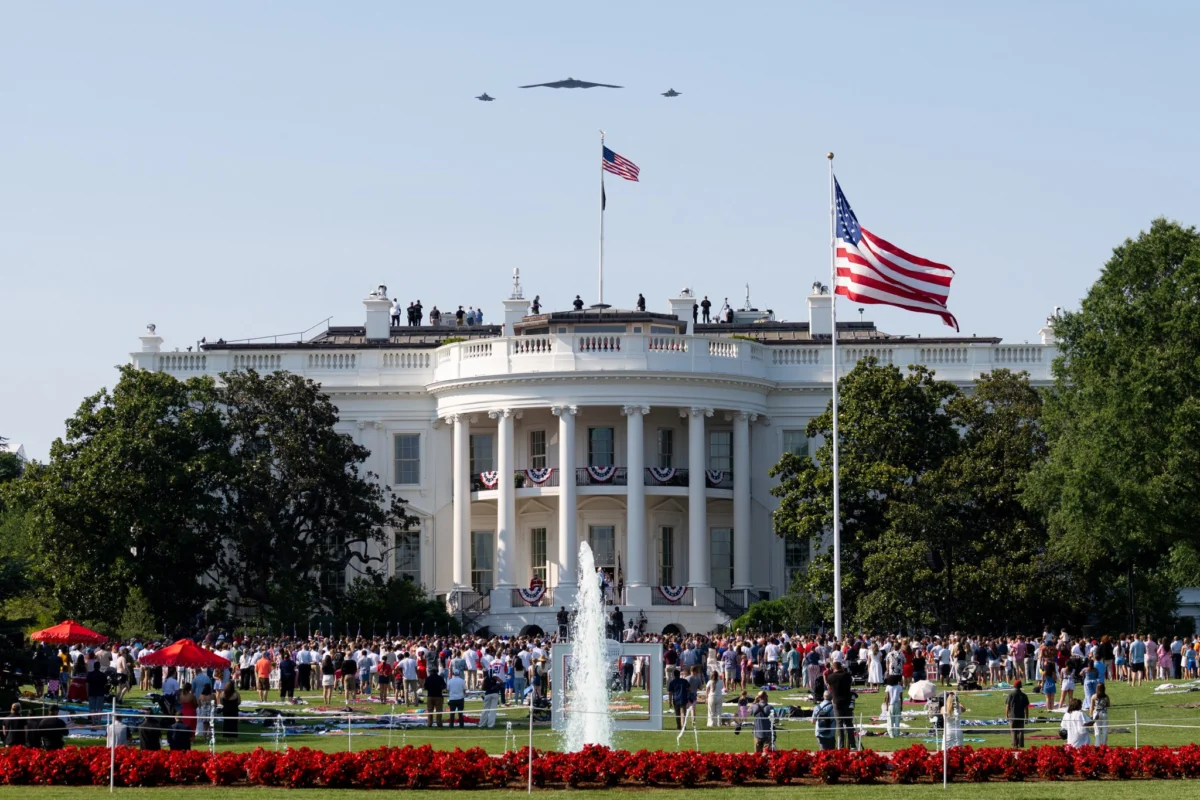
Chinese President Xi Jinping departed Beijing on Wednesday, embarking on a highly anticipated state visit to Washington D.C. where he is slated to meet with U.S. President Donald Trump. The summit, confirmed by state media, represents a critical juncture in the increasingly complex relationship between the world’s two largest economies, with a packed agenda spanning advanced artificial intelligence (AI) systems, contentious trade disputes, and sensitive geopolitical flashpoints.
The arrival of the Chinese delegation in the U.S. capital marks the culmination of weeks of diplomatic preparations, underscoring the profound global significance attached to these bilateral talks. Both nations find themselves grappling with the rapid evolution of AI technology, which presents both unprecedented opportunities and significant strategic risks, alongside a persistent need to de-escalate long-standing trade tensions that have reverberated across global markets.
A Crucial Diplomatic Overture

President Xi’s delegation, traveling aboard a special plane, included his wife, Peng Liyuan, a prominent figure in China’s soft diplomacy, along with key political and diplomatic figures such as his trusted aide Cai Qi and Foreign Minister Wang Yi. This high-level entourage signals the importance Beijing places on this direct engagement with the American leadership.
The White House confirmed that President Trump himself is scheduled to personally greet President Xi upon his arrival at Joint Base Andrews. This gesture of personal welcome from the U.S. President is notable, reflecting a higher level of diplomatic protocol compared to President Trump’s previous state visit to Beijing in May of the preceding year, where he was received by China’s vice president. Such symbolic gestures often carry significant weight in international diplomacy, indicating a perceived elevation of the relationship or a desire to project a particular image of warmth and respect.
The formal itinerary for the visit is meticulously planned to foster both substantive dialogue and ceremonial displays of bilateral relations. On Thursday morning, President Xi and First Lady Peng Liyuan will be honored with a grand ceremony at the White House, complete with a military flyover, a traditional mark of respect for visiting heads of state. Following these ceremonies, the two leaders are expected to engage in extensive talks covering the full spectrum of their countries’ relationship. The day will conclude with President Trump hosting President Xi for a state dinner at the White House, an event typically designed to foster goodwill and provide a less formal setting for discussions.
The visit will extend into Friday morning, featuring a more intimate gathering where the two presidential couples will share tea at the White House. The trip is scheduled to conclude with a joint visit to the National Archives, an institution housing foundational documents of American history, which could be interpreted as a symbolic gesture towards understanding and shared historical perspectives, or simply as a cultural exchange. The White House, in an official statement, characterized the visit as "a significant milestone in the relationship between the two countries," emphasizing the potential for constructive engagement despite persistent challenges.

Navigating a Minefield of Tensions
Despite the formal cordiality, the substance of the discussions is expected to be fraught with complex and sensitive issues. President Trump, in comments to reporters, indicated his intention to be "discussing almost everything" with President Xi, highlighting the breadth of the challenges that define the U.S.-China relationship.
Artificial Intelligence: The New Frontier of Competition
One of the most pressing concerns on the agenda is the rapidly accelerating development and deployment of artificial intelligence systems. Both nations are at the forefront of AI innovation, and the implications for economic competitiveness, national security, and societal structures are immense. The "rising fears about increasingly capable artificial intelligence systems" stem from concerns over autonomous weapon systems, the potential for AI-driven surveillance, intellectual property theft, ethical considerations in AI development, and the risk of an arms race in advanced computing capabilities. The urgency of establishing norms and safeguards in this nascent field is paramount.

Preliminary discussions between U.S. Treasury Secretary Scott Bessent and his Chinese counterpart, Vice Premier He Lifeng, during their meeting in Seoul on May 13, 2026, revealed efforts to establish a communication channel for AI concerns. Secretary Bessent announced that the two sides discussed creating a "U.S.-China AI dialogue," proposing a "notification mechanism between the two countries." While details remain scarce, this initiative aims to prevent misunderstandings and manage potential escalations in the rapidly evolving AI landscape. Experts suggest such a dialogue could focus on areas like responsible AI development, data governance, safety protocols for advanced AI models, and preventing the weaponization of AI. However, bridging the gap between two vastly different technological and governance ecosystems poses a formidable challenge.
Trade Relations: Seeking an Uneasy Truce
The specter of a trade war, which has significantly impacted global supply chains and economic growth, remains a central concern. The world’s two largest economies have been locked in a cycle of tariffs and retaliatory measures for several years, creating uncertainty for businesses and consumers worldwide. While both sides have expressed a desire to "ease tensions on trade," fundamental disagreements persist regarding market access, intellectual property protection, state subsidies for Chinese industries, and the persistent trade deficit.
China’s economic policies, including its industrial strategies and state-owned enterprise model, continue to be points of contention for the U.S. and its allies, who argue they create an uneven playing field. Conversely, Beijing views U.S. restrictions on technology exports, particularly in semiconductors and advanced computing, as attempts to stifle its economic development. Analysts caution that achieving a comprehensive trade deal during this summit is unlikely, but a commitment to continued dialogue and efforts to reduce existing tariffs or prevent new ones would be seen as a significant positive outcome. The goal is to "mitigate the fallout from Trump’s global tariffs" and explore pathways toward a more stable and predictable trade relationship.

Geopolitical Hotspots: A Litany of Friction Points
Beyond AI and trade, several critical geopolitical issues cast a long shadow over the summit, reflecting the deep strategic rivalry between Washington and Beijing.
-
Iran and Regional Stability: President Trump’s "Iran war casts a long shadow," creating a complex dilemma for China. As the U.S. maintains stringent sanctions against countries dealing with Tehran, China finds itself navigating its energy needs and strategic interests in the Middle East. Reports alleging that Beijing supplied Tehran with intelligence for a strike on U.S. troops, though unconfirmed by either government, would, if true, represent a severe escalation of tensions and a direct challenge to U.S. interests. China’s continued engagement with Iran, despite U.S. pressure, highlights its independent foreign policy and its quest for energy security, complicating any potential U.S.-China cooperation on non-proliferation or regional stability.
-
Taiwan: A Red Line: The issue of Taiwan remains perhaps the most volatile flashpoint. China views Taiwan as an inseparable part of its territory, to be reunified with the mainland, by force if necessary. The U.S., while acknowledging the "One China" policy, maintains unofficial relations with Taiwan and provides it with defensive capabilities, a policy known as "strategic ambiguity." Recent increases in military activity in the Taiwan Strait by both China and the U.S., alongside heightened rhetoric, have intensified fears of a potential conflict. Any perceived shift in the delicate balance of this issue could have catastrophic global consequences, particularly given Taiwan’s critical role in the global semiconductor supply chain. President Xi is expected to reiterate China’s firm stance on sovereignty, while President Trump will likely emphasize the importance of peace and stability across the Taiwan Strait.

-
Human Rights Concerns: Human rights issues consistently feature in U.S.-China dialogues, often serving as a significant source of friction. The plight of jailed Hong Kong pro-democracy media mogul Jimmy Lai, 78, remains a prominent concern for U.S. lawmakers and human rights advocates. His son made an appeal to President Xi from Washington for his father’s release, an issue that President Trump acknowledged discussing with Xi during his May visit to Beijing, though he indicated Lai’s release was "unlikely." Conversely, the release of Ezra Jin, the founder of an underground church, after President Trump raised his case with President Xi, demonstrated that direct engagement can sometimes yield results on specific human rights cases. Broader concerns about human rights in Xinjiang, Tibet, and the erosion of freedoms in Hong Kong are also likely to be implicitly or explicitly addressed by the U.S. delegation, reflecting bipartisan congressional pressure and public sentiment.
-
South China Sea and Cyber Security: While not explicitly mentioned in the initial reports, these long-standing points of contention are almost certain to be part of the broader discussion, given President Trump’s stated intention to discuss "almost everything." The militarization of artificial islands in the South China Sea by China and its expansive territorial claims are a source of regional instability and concern for freedom of navigation. Similarly, allegations of state-sponsored cyber espionage and intellectual property theft continue to plague the bilateral relationship, prompting calls for greater transparency and accountability.
China’s Strategic Leverage: Rare Earths
In these high-stakes negotiations, China possesses significant strategic leverage. Its dominance in the supply of rare earths—a group of 17 critical materials essential for manufacturing high-tech products, from smartphones to electric vehicles and advanced defense systems—is a powerful economic tool. Beijing demonstrated its willingness to wield this leverage last year when it imposed stringent controls on rare earth exports, successfully pressuring Washington to scale back some of its tariffs. This precedent underscores China’s capacity to disrupt vital global supply chains, adding another layer of complexity to trade negotiations and reminding the U.S. of its strategic vulnerabilities.

Tempered Expectations and the Path Forward
Analysts have largely tempered expectations for groundbreaking concrete deals emerging from the summit. The sheer complexity and entrenched nature of the issues, coupled with the deeply competitive framework of the U.S.-China relationship, suggest that incremental progress rather than sweeping breakthroughs is the more probable outcome. The primary objective for both sides is often to manage disagreements, prevent escalation, and maintain open lines of communication, especially on issues with global ramifications like AI.
The summit provides an essential platform for the leaders to directly convey their respective nation’s red lines, strategic priorities, and areas of potential cooperation. While public pronouncements might be carefully calibrated, the private discussions will be crucial for shaping the trajectory of U.S.-China relations in the coming months and years. The global community will be closely watching, as the outcomes of these talks will undoubtedly resonate far beyond Washington and Beijing, impacting global stability, economic prosperity, and the future of technological governance. The long-term implications of this meeting will be measured not just in immediate agreements, but in the subtle shifts in tone, policy, and mutual understanding that emerge from this critical diplomatic engagement.

 Dwi Wanna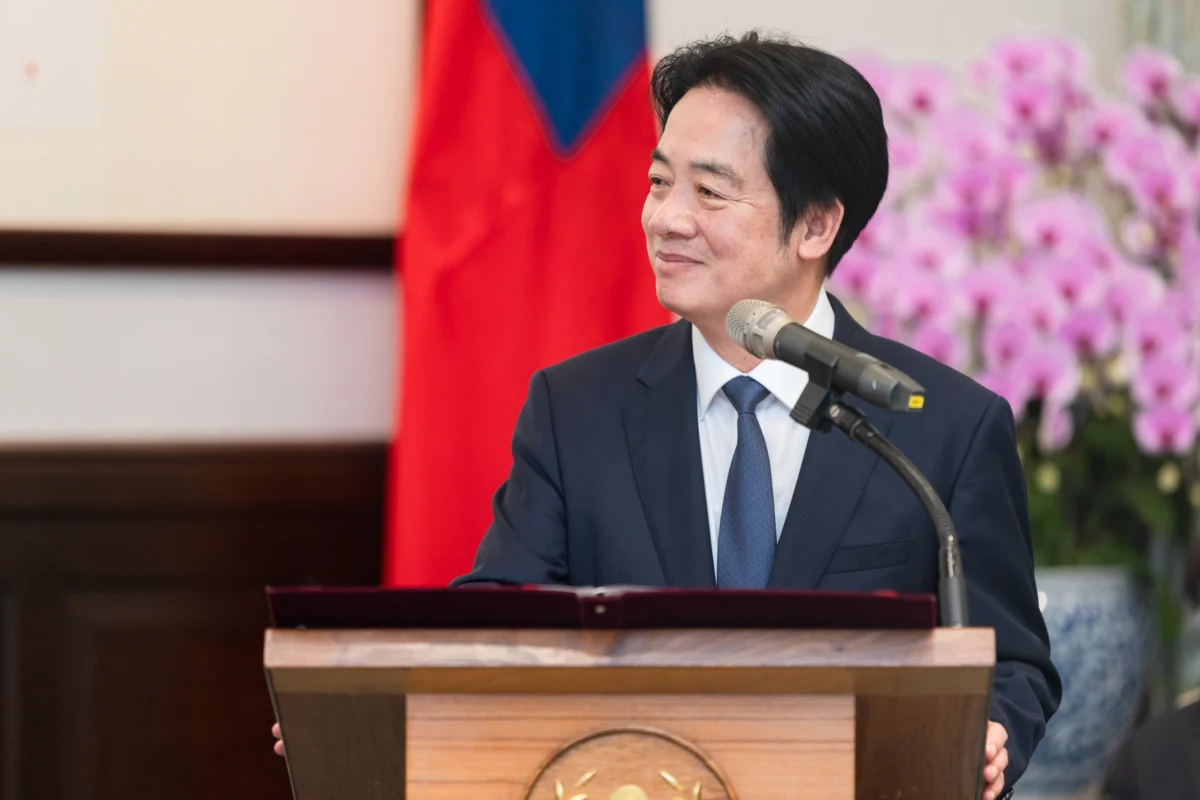
 Asep Darmawan