 Asro
Asro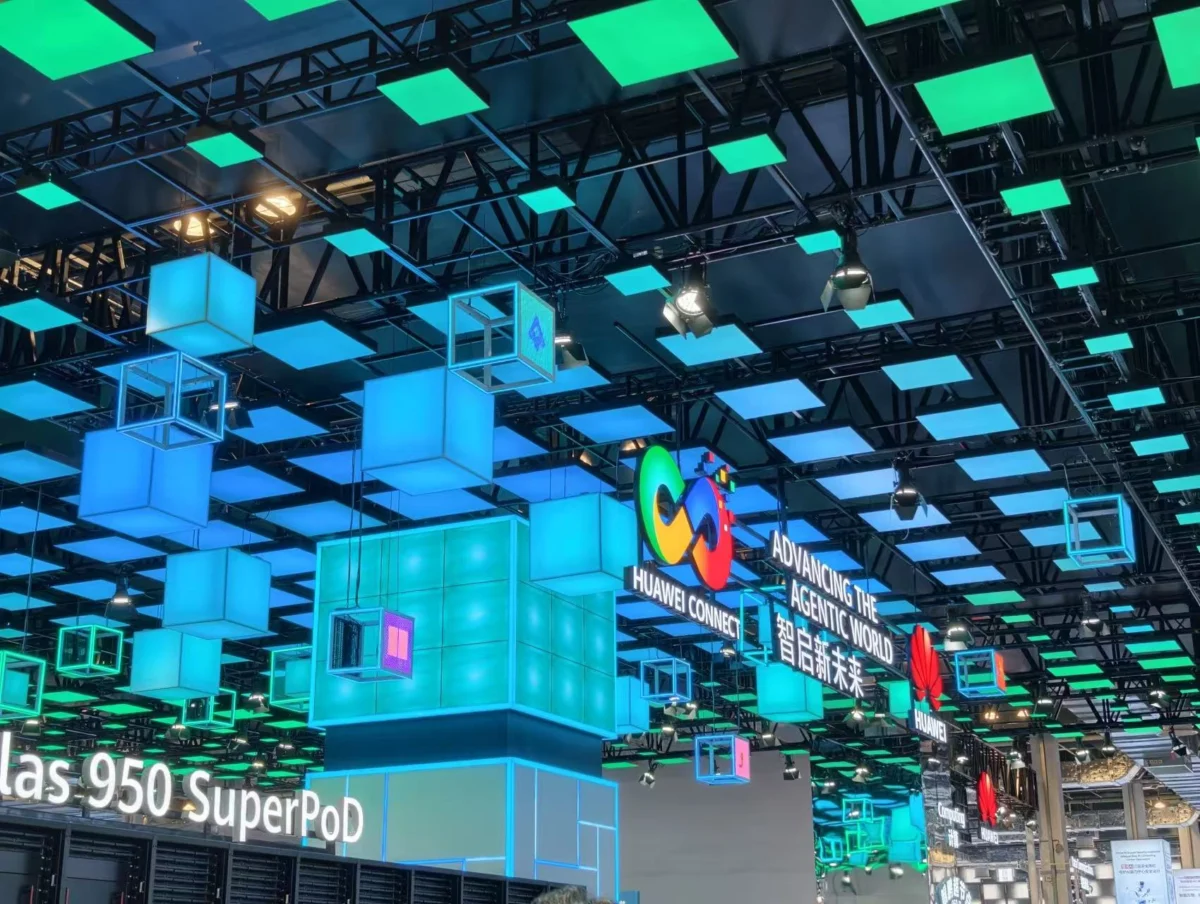
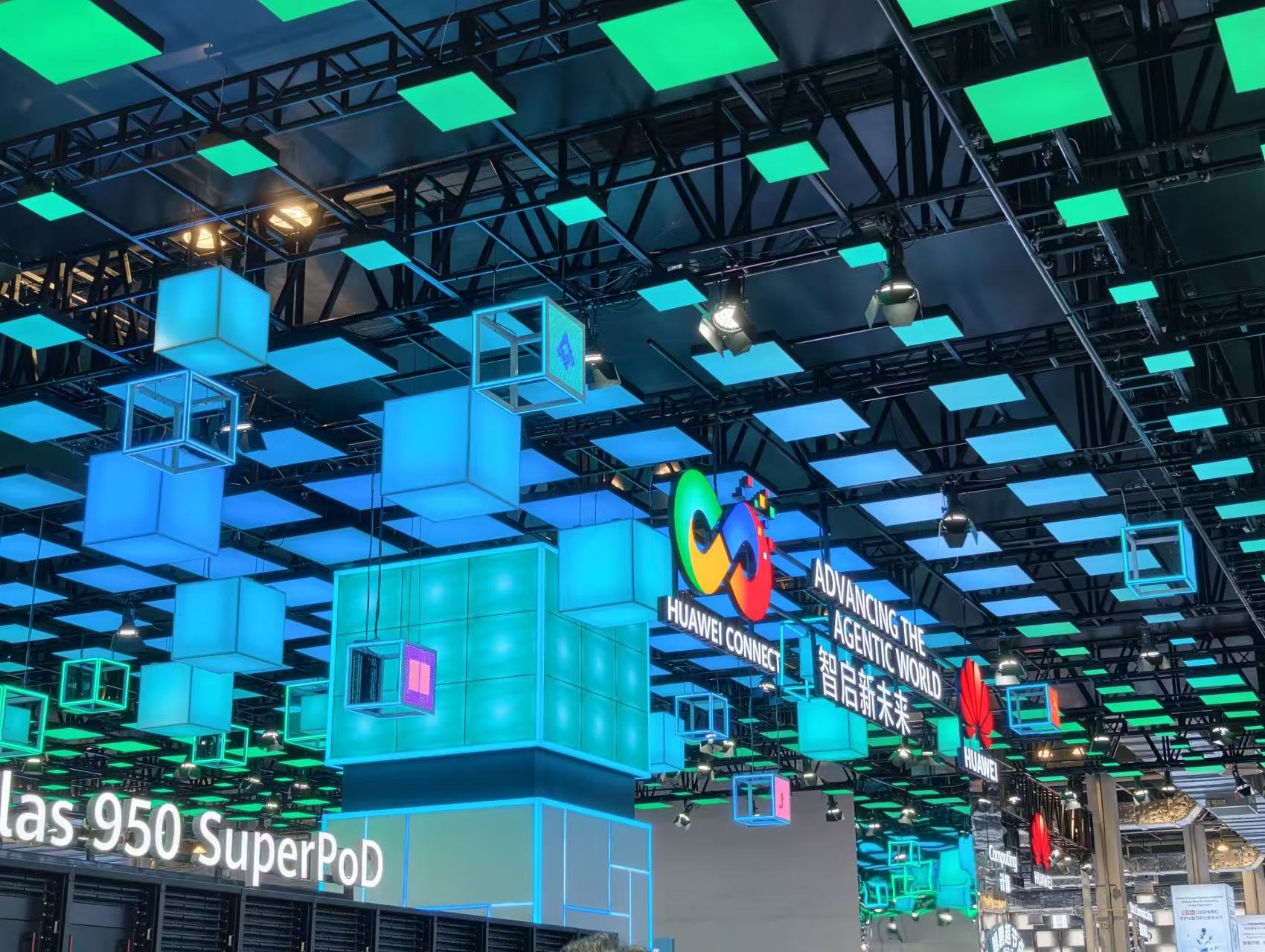
HUAWEI CONNECT 2026, Huawei’s premier annual event for the global ICT industry, served as a pivotal platform this year, drawing intense focus onto the escalating demands of artificial intelligence. As the technological frontier pushes towards increasingly sophisticated and expansive AI models, the fundamental question for industry leaders has shifted from merely exploring "what AI can do" to tackling the monumental challenge of "what it takes to run AI models at this unprecedented scale." The resounding answer, underscored by Huawei’s latest innovations, points squarely to the critical importance of advanced computing power and an entirely reimagined infrastructure.
The event’s highlight was undoubtedly the keynote address delivered by Huawei Deputy Chairman and Rotating Chairman, Wang Tao (David Wang). His presentation, titled "Advancing the Agentic World, Building a Solid Silicon Foundation," meticulously outlined Huawei’s ambitious new plans for AI infrastructure. Central to this vision was the official unveiling of the Ascend 960 SuperPoD, which Huawei proudly declared as the industry’s first SuperPoD to integrate cutting-edge Near-Packaged Optics (NPO) technology. This announcement marks a significant milestone, signaling Huawei’s strategic commitment to not only developing powerful AI chips but also to architecting the holistic systems required to unleash their full potential.
HUAWEI CONNECT 2026: A Nexus for ICT Innovation
HUAWEI CONNECT has consistently served as a crucial global gathering for the information and communication technology sector, bringing together industry experts, partners, and customers to explore the latest trends, showcase groundbreaking technologies, and discuss future strategies. For 2026, the event’s thematic emphasis on AI and its foundational computing requirements was particularly timely, reflecting the rapid evolution of generative AI, large language models, and the burgeoning concept of "agentic AI" systems. Previous iterations of HUAWEI CONNECT have often focused on cloud computing, 5G, IoT, and enterprise digital transformation, laying the groundwork for the increasingly intelligent and interconnected world that AI now promises to accelerate. The 2026 conference built upon these foundations, demonstrating how AI is becoming the central nervous system for future digital ecosystems, necessitating a fundamental overhaul of underlying computational architectures.
The global race for AI supremacy has seen unprecedented investment in research and development, particularly in the realm of large-scale models. These models, capable of processing and generating vast amounts of data, demand colossal computational resources. Traditional data center designs and networking paradigms, while effective for conventional workloads, are proving insufficient for the unique demands of training and deploying AI models with trillions of parameters. This pressing need for enhanced efficiency, scalability, and speed in data transfer between processing units has become the industry’s most critical bottleneck, a challenge Huawei explicitly addressed with its SuperPoD strategy.
The Genesis of SuperPoDs: Overcoming AI’s Scaling Challenges
To truly grasp the significance of the Ascend 960 SuperPoD, one must first understand the limitations inherent in traditional AI computing at extreme scales. Standard AI computing architectures typically rely on numerous individual servers working in concert. While this distributed approach has served well for many applications, the sheer magnitude of modern AI models—especially those reaching the staggering 10-trillion-parameter mark—exposes critical weaknesses. As models grow, the volume of data that chips need to exchange explodes exponentially. The communication pathways between these disparate servers and chips quickly transform into a significant bottleneck, severely hindering training efficiency and overall performance.
Huawei’s research, cited during the keynote, starkly illustrated this problem: in an AI cluster comprising 100,000 cards, communication between chips can account for more than 40% of the total training time under conventional architectures. This substantial overhead translates directly into increased training costs, extended development cycles, and diminished operational efficiency. Recognizing this profound challenge, Huawei embarked on a fundamental "rethink of how AI computing power should be organized."
The company’s SuperPoD approach represents a paradigm shift. Instead of merely aggregating more independent servers, SuperPoD connects multiple computing nodes through sophisticated, high-speed interconnects. Crucially, these nodes are designed to share unified memory, allowing them to function cohesively, much like a single, colossal computer. This integrated architecture minimizes latency and maximizes bandwidth between processing units, creating a far more efficient environment for the data-intensive operations characteristic of large AI model training. The SuperPoD is not just a collection of powerful components; it is an intelligently designed, tightly coupled system engineered from the ground up to overcome the communication and data flow hurdles that plague traditional distributed computing setups at hyperscale.

Ascend 960 SuperPoD: Specifications and Strategic Importance
The newly announced Ascend 960 SuperPoD embodies this architectural philosophy with impressive specifications. It is engineered to support an astounding number of up to 4,096 NPU (Neural Processing Unit) cards. This massive aggregation of processing power translates into an unprecedented computing capability, delivering up to 8 ExaFLOPS (EFLOPS) of FP8 (8-bit floating point) computing power. To put this into perspective, an ExaFLOP represents one quintillion (10^18) floating-point operations per second, highlighting the immense computational horsepower at the system’s disposal. Furthermore, the SuperPoD offers up to 1 Petabyte (PB) of High Bandwidth Memory (HBM) capacity, providing the critical memory resources necessary to handle the vast datasets and complex model parameters characteristic of modern AI.
While these raw numbers are formidable, what truly distinguishes the Ascend 960 SuperPoD, and indeed what captured the most attention from industry observers, is its pioneering integration of Near-Packaged Optics (NPO). This technological leap is not merely an incremental improvement; it represents a fundamental rethinking of how data moves within these hyperscale AI clusters.
Near-Packaged Optics (NPO) and Huawei’s Hi-ONE: Revolutionizing Interconnects
The demand for ever-increasing bandwidth and reduced latency in AI clusters has pushed traditional interconnect technologies to their limits. As AI clusters expand, the sheer volume of data moving between chips escalates dramatically. Conventional copper connections, which rely on electrical signals, face growing challenges in terms of bandwidth capacity, signal integrity over distance, and power consumption. Similarly, traditional pluggable optical modules, while offering superior performance to copper, still introduce latency due to the conversion between electrical and optical signals, and they occupy significant physical space, limiting connection density.

Near-Packaged Optics (NPO) offers a revolutionary solution by fundamentally altering the architecture of data transmission. Instead of having optical transceivers as separate, pluggable components, NPO brings the optical components significantly closer to the computing chips. This architectural shift shortens the physical distance that high-speed electrical signals need to travel before being converted into optical signals, and vice versa. The result is a dramatic reduction in signal degradation, lower power consumption, and significantly improved latency. By minimizing the electrical path, NPO bypasses many of the limitations that bottleneck traditional interconnects in large-scale AI deployments.
Huawei’s proprietary NPO product developed for this purpose is named Hi-ONE. According to Huawei, each Hi-ONE engine delivers an impressive 7.2 Terabits per second (Tbps) of transmission capacity. The impact of integrating Hi-ONE into the Ascend 960 SuperPoD is substantial and quantifiable. Huawei revealed that approximately 5,500 Hi-ONE units within the SuperPoD system can effectively replace the staggering 48,000 800G optical modules that would otherwise be required for equivalent connectivity. This consolidation and efficiency lead to a remarkable reduction in power consumption by more than 550 kilowatts (kW) for the entire system. Such energy savings are not only economically beneficial but also crucial for the environmental sustainability of ever-growing AI data centers.
Beyond power efficiency, NPO technology also promises enhanced reliability. Huawei stated that the system’s Mean Time Between Failures (MTBF) will double, and its overall availability will reach an impressive 99.8%. This enhanced robustness is critical for mission-critical AI applications, where downtime can have significant operational and financial repercussions. The adoption of NPO technology within the Ascend 960 SuperPoD underscores Huawei’s comprehensive strategy: it is not merely launching a more powerful AI chip; it is simultaneously tackling the intertwined challenges of chips, interconnects, storage, and the overarching system architecture as a singular, integrated problem. This holistic approach is essential for delivering truly scalable and efficient AI infrastructure.
From Chip Competition to System Competition: A New Paradigm
Wang Tao’s keynote also emphasized another profound shift occurring in the AI industry: the transition from a focus primarily on "chip competition" to "system competition." For years, discussions around AI hardware have largely revolved around the raw computing power, advanced process technology, and memory capacity of individual AI chips. While these metrics remain important, Huawei’s presentation made it clear that as AI models enter the super-large-scale era, the performance of a single chip, however powerful, represents only one piece of a much larger, more complex puzzle.

The true differentiator for future AI systems will lie in how these individual chips connect and communicate, how data moves seamlessly across the entire infrastructure, how memory is efficiently shared among processing units, and how storage operates in a perfectly coordinated fashion. These architectural and systemic considerations are becoming just as, if not more, critical than the raw computing power of isolated processors. Huawei’s latest work around the Ascend 960 SuperPoD, the innovative NPO technology, and its "UnifiedBus" concept (an implied system for coherent resource management) are all designed to transform disparate computing resources into one highly coordinated and efficient system.
This strategic direction explains Huawei’s ambitious discussions regarding AI clusters that could scale up to one million cards. The vision of an "Agentic World" necessitates this level of infrastructure. As AI agents become capable of continuous, autonomous operation, as autonomous driving systems demand real-time, low-latency computing, and as virtually every device—from smartphones and personal computers to automobiles and IoT sensors—becomes imbued with sophisticated AI capabilities, the demand for underlying computing power is projected to grow exponentially and without abatement.
Broader Impact and Implications for the AI Ecosystem
Huawei’s advancements with the Ascend 960 SuperPoD and NPO technology carry significant implications for the global AI ecosystem. Firstly, it solidifies Huawei’s position as a formidable player in the high-performance computing and AI infrastructure market, particularly in the face of ongoing geopolitical challenges and restrictions on access to certain advanced technologies. By developing a comprehensive, end-to-end solution that spans chips, interconnects, and system architecture, Huawei enhances its self-sufficiency and strengthens its competitive edge, especially within the Chinese market and other regions where its solutions are adopted. This integrated approach allows Huawei to offer a cohesive, optimized platform that can rival offerings from other global tech giants.
Secondly, this move underscores a broader industry trend towards integrated, purpose-built AI computing platforms. Major technology companies worldwide are increasingly investing in custom AI accelerators and proprietary interconnect technologies to optimize performance for their specific AI workloads. Huawei’s SuperPoD and NPO initiative is a prime example of this trend, pushing the boundaries of what’s possible in terms of system-level efficiency and scalability. It highlights that the future of AI infrastructure is not just about faster chips but about intelligent system design that mitigates bottlenecks and maximizes throughput.

Economically, the development and deployment of such massive AI infrastructure represent substantial capital expenditure, but also create immense opportunities. The demand for advanced hardware components, specialized software, and skilled technical talent to design, build, and maintain these systems will drive significant growth in related industries. Furthermore, the efficiency gains in power consumption offered by NPO technology are crucial for sustainable AI development. As AI data centers proliferate, their energy footprint becomes a growing concern. Huawei’s focus on reducing power consumption by over 550kW for the SuperPoD is a testament to the industry’s increasing awareness of environmental responsibility, potentially setting a new standard for energy-efficient AI infrastructure.
Finally, the vision articulated by Huawei—of AI agents running continuously, autonomous systems operating in real-time, and pervasive AI capabilities across devices—is contingent upon the availability of this "solid silicon foundation." The ability to process, analyze, and react to vast amounts of data with minimal latency is what will unlock the next generation of AI applications. Huawei’s commitment to "computing power everywhere" suggests a future where intelligence is not confined to centralized cloud servers but is distributed across a network of interconnected, high-performance computing nodes, enabling a truly intelligent and responsive world.
Conclusion: The Invisible Foundation of the Intelligent World
The HUAWEI CONNECT 2026 event and the unveiling of the Ascend 960 SuperPoD served as a powerful reminder of the intricate relationship between AI’s rapid advancements and the foundational computing infrastructure that supports it. While AI models continue their impressive race forward in the foreground, quietly, and with profound implications, computing power is undergoing a fundamental rebuilding behind the scenes. The industry’s focus is evolving, acknowledging that the intelligence of the future will not solely emerge from brilliant algorithms or sophisticated models, but from a massive, robust infrastructure meticulously crafted from chips, computing power, high-speed networks, and unified storage.
The journey towards a truly intelligent world, where AI agents seamlessly interact with our environment and every device possesses embedded intelligence, may indeed begin with individual chips, scale through innovative SuperPoDs, and ultimately be realized through the intricate, high-performance networks that connect them all. Huawei’s Ascend 960 SuperPoD, with its pioneering integration of NPO, stands as a testament to this vision, embodying the principle that the future is, unequivocally, computing power everywhere. The silent revolution in infrastructure is paving the way for AI’s most transformative era yet.


 Evan Lee Salim
 Nila Kartika Wati