Laily UPN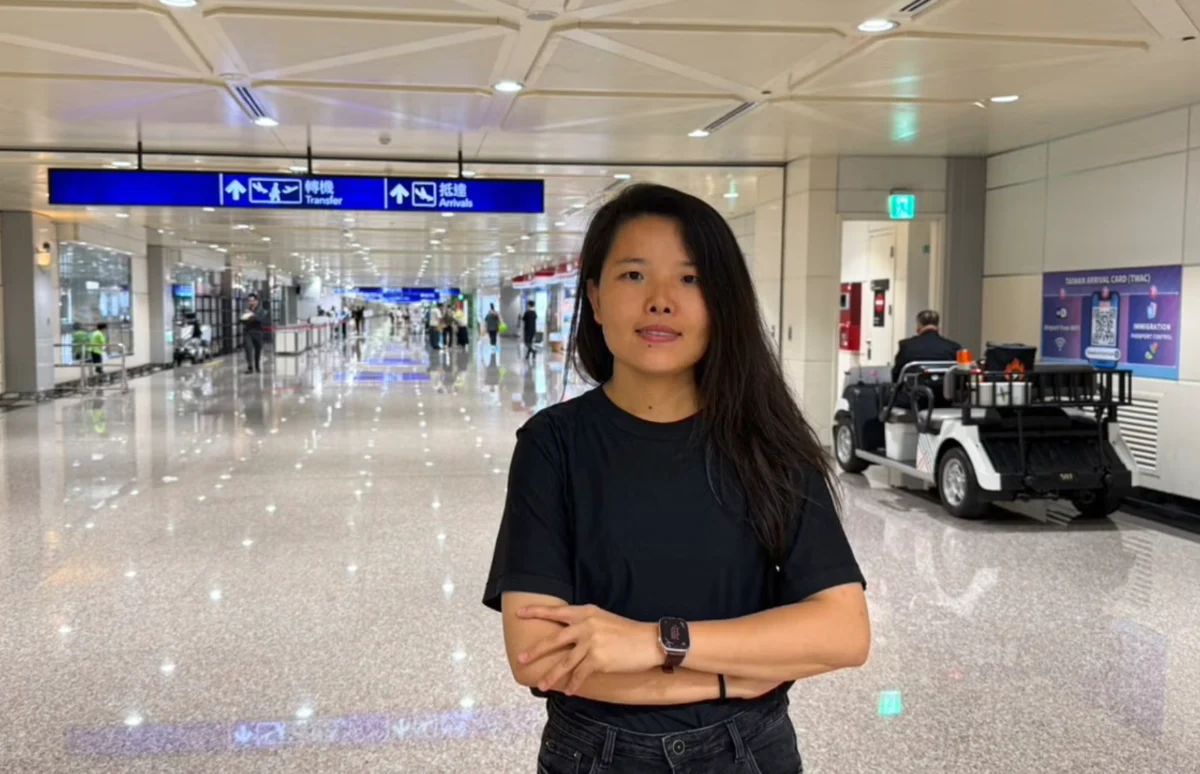
Taiwan announced on a recent Friday that it had granted "temporary accommodation" to a Chinese national, a disclosure that followed reports from a prominent human rights group identifying the individual as Ruth Wang, a lawyer known for representing leaders of an unregistered Protestant church in Beijing. This incident casts a fresh spotlight on the complex humanitarian and political dynamics between Beijing and Taipei, particularly concerning human rights and religious freedom in mainland China.
The Mainland Affairs Council (MAC), Taiwan’s top policymaking body responsible for cross-strait relations, issued a carefully worded statement confirming assistance to a "Chinese national transferring through a Taiwanese airport." The MAC underscored that the aid was provided "on humanitarian grounds" and that the government was "following up on the matter," without explicitly naming the individual or detailing the specifics of their situation. This cautious language is characteristic of Taiwan’s approach to sensitive cases involving Chinese citizens, as it navigates its democratic principles against the backdrop of Beijing’s claims of sovereignty over the island.

A Lawyer Under Pressure: Ruth Wang and the Zion Church Case
According to ChinaAid, a US-based Christian human rights organization, Ruth Wang, a partner at Beijing’s Vdoor Law Firm, arrived in Taiwan on Wednesday, actively "seeking protection from Taiwanese authorities." Wang’s decision to flee China, as reported by ChinaAid and subsequently by the Associated Press, stemmed from "concerns about increasing government pressure related to her legal work and representation of detained Beijing Zion Church leaders." Her flight underscores the escalating risks faced by human rights lawyers in China, especially those involved in politically sensitive cases.
Ruth Wang’s legal practice centered on defending members of the Zion Church, one of Beijing’s largest unregistered Protestant "house churches." Unlike state-sanctioned religious institutions regulated by the government-controlled Three-Self Patriotic Movement, unregistered churches operate outside official oversight, often attracting hundreds or thousands of adherents seeking greater religious autonomy. This independence has increasingly made them targets of the Chinese Communist Party (CCP), which views any large, organized group not under state control as a potential challenge to its authority.

The Zion Church, once boasting over 1,500 members, has been at the forefront of the CCP’s intensified crackdown on religious freedom. In September of a recent year, authorities initiated a systematic campaign against the church, leading to its forced closure. This campaign included the eviction of the church from its premises, the confiscation of its property, and the freezing of its assets. A month later, in October, several key members and leaders of the Zion Church were detained on charges of "suspicion of the illegal use of information networks." These charges are frequently leveraged by Chinese authorities against individuals or groups perceived as challenging state control, particularly those using online platforms to organize or communicate outside official channels.
Among those detained was Ezra Jin, also known by his Chinese name Mingri, the charismatic founder of the Zion Church. Jin’s detention drew international attention, notably from the United States. In a significant diplomatic intervention, then-US President Donald Trump reportedly raised Jin’s case directly with Chinese President Xi Jinping. This high-level advocacy is believed to have played a crucial role in Jin’s subsequent release in July of the following year, though the precise terms or conditions of his release remain unclear. Despite Jin’s release, ChinaAid reports that eight other Zion Church members detained in October remain in custody, highlighting the ongoing plight of religious prisoners in China.
Timeline of Events

- September (Previous Year): Chinese authorities initiate a systematic crackdown on Beijing’s Zion Church, leading to its forced closure, eviction from its premises, and confiscation of assets.
- October (Previous Year): Several leaders and members of Zion Church, including founder Ezra Jin, are detained on "suspicion of the illegal use of information networks."
- July (Current Year): Ezra Jin is released from detention following an intervention by then-US President Donald Trump, who raised his case with Chinese President Xi Jinping. Eight other Zion Church members remain detained.
- Wednesday (Recent Past): Ruth Wang, a lawyer representing Zion Church leaders, arrives in Taiwan, seeking protection from Taiwanese authorities due to increased government pressure related to her legal work.
- Thursday (Recent Past): ChinaAid publicly reports Ruth Wang’s arrival in Taiwan and her request for protection, citing information it obtained and reporting by the Associated Press.
- Friday (Recent Past): Taiwan’s Mainland Affairs Council issues a statement confirming it has provided "temporary accommodation on humanitarian grounds" to a "Chinese national transferring through a Taiwanese airport," without explicitly naming Ruth Wang.
The Broader Context: China’s Tightening Grip on Religion and Dissent
The flight of Ruth Wang and the persecution of the Zion Church are symptomatic of a broader, intensified crackdown on religious freedom and civil society under the leadership of President Xi Jinping. The CCP has historically viewed organized religion with suspicion, seeing it as a potential alternative loyalty or source of social cohesion outside state control. Under Xi, this suspicion has hardened into a comprehensive policy known as "sinicization," which aims to bring all religions in China – including Protestantism, Catholicism, Islam, and Buddhism – firmly under the Party’s control and align them with socialist values and Chinese culture.
This policy has manifested in various forms:

- Demolition of Churches and Crosses: Across provinces like Zhejiang and Henan, authorities have demolished churches, removed crosses from steeples, and replaced religious iconography with propaganda slogans.
- Detention and Persecution of Religious Leaders: Numerous pastors, priests, and religious figures have been detained, imprisoned, or placed under strict surveillance. Beyond Protestant house churches, Catholic bishops and priests who refuse to join the state-sanctioned Catholic Patriotic Association have faced similar pressures.
- Restrictions on Religious Education and Youth: New regulations prohibit minors from attending religious services or receiving religious instruction, effectively severing the transmission of faith to younger generations.
- Surveillance and Data Collection: Advanced surveillance technologies, including facial recognition and artificial intelligence, are increasingly deployed to monitor religious gatherings and identify adherents.
The crackdown extends beyond religious groups to human rights lawyers, activists, and civil society organizations. The "709 crackdown" of 2015, which saw over 300 lawyers, legal assistants, and human rights defenders detained or interrogated, remains a stark reminder of the risks involved in defending sensitive cases in China. Lawyers like Wang, who take on cases involving religious freedom or political dissent, often find themselves under immense pressure, facing disbarment, harassment, and even detention. Their families are also frequently targeted, adding another layer of coercion.
Taiwan’s Delicate Balancing Act
Taiwan’s decision to provide "temporary accommodation" to Ruth Wang, while framed in humanitarian terms, is inherently political given the fraught relationship across the Taiwan Strait. Taiwan, a self-governing democracy, frequently expresses solidarity with victims of human rights abuses in mainland China, positioning itself as a beacon of freedom and democracy in the region. However, it must do so without provoking Beijing, which considers Taiwan a breakaway province to be reunified with the mainland, by force if necessary.

Taiwan does not have a formal asylum law that specifically covers Chinese citizens. Cases like Wang’s are typically handled on an ad-hoc basis under existing immigration regulations, often leveraging humanitarian considerations or specific provisions for individuals in transit. The MAC’s emphasis on Wang "transferring through a Taiwanese airport" suggests such a mechanism was likely employed, allowing Taiwan to offer temporary refuge without establishing a precedent for formal asylum that could be politically explosive. This approach allows Taiwan to uphold its humanitarian values and democratic image without directly challenging Beijing’s "One China" principle in a way that could escalate tensions.
Beijing’s reaction to such incidents is often predictable: a strong condemnation of any perceived interference in its internal affairs, an assertion of its sovereignty, and a warning against external forces "meddling" in cross-strait issues. While no immediate official statement from Beijing regarding Ruth Wang’s case was publicly available, it is highly probable that Chinese authorities would view Taiwan’s actions as a provocative gesture, further straining an already tense relationship. Beijing typically demands the repatriation of Chinese citizens who have fled, particularly those involved in sensitive legal or political cases.
Implications and Future Outlook

The case of Ruth Wang carries several significant implications:
- Heightened Cross-Strait Tensions: While Taiwan’s response was measured, any incident involving a Chinese citizen seeking refuge in Taiwan has the potential to exacerbate cross-strait animosity. It underscores the fundamental ideological divide between democratic Taiwan and authoritarian China.
- International Scrutiny on China’s Human Rights Record: The incident will likely draw renewed international attention to China’s deteriorating human rights situation, particularly concerning religious freedom and the persecution of lawyers. International human rights organizations, like ChinaAid, play a crucial role in bringing these cases to light and advocating for global pressure on Beijing.
- The Plight of Human Rights Defenders: Wang’s flight serves as a stark reminder of the extreme pressures faced by human rights lawyers in China, many of whom continue to work under constant threat. It highlights the difficult choices these individuals must make between continuing their work and ensuring their safety and that of their families.
- Taiwan’s Role as a Sanctuary: Despite lacking a formal asylum framework for Chinese citizens, Taiwan continues to be seen by some as a potential refuge for those fleeing persecution in mainland China. Each such case tests Taiwan’s resolve and its ability to balance humanitarian concerns with political pragmatism.
- Future of Religious Freedom in China: The ongoing detention of Zion Church members and the broader "sinicization" campaign indicate that the CCP’s suppression of unregistered religious groups is unlikely to abate. The incident signals a continued struggle for religious communities seeking to practice their faith outside state control.
As Taiwan carefully monitors Ruth Wang’s situation, the global community will also be watching, understanding that this seemingly individual case is deeply intertwined with broader geopolitical struggles over human rights, freedom, and the future of cross-strait relations. The provision of "temporary accommodation" by Taiwan is more than a simple humanitarian gesture; it is a subtle but firm assertion of democratic values in the face of escalating authoritarianism.


 Azzam Bilal Chamdy