Asro
Asro
More than a thousand people are missing and hundreds found dead after a massive mudslide ripped through a valley in the Himalayas at the China-Nepal border, devastating communities in Tibet and Nepal. The catastrophic event, which unfolded on the morning of Wednesday, August 26th, has prompted urgent rescue operations and raised renewed alarms about the escalating impacts of climate change in the world’s highest mountain range.
Catastrophic Deluge Unleashed in the Himalayas
The disaster was initiated by an ice-rock avalanche that struck a river at the valley’s base, triggering a violent flash flood. This initial surge then morphed into a devastating mudslide that surged downhill, obliterating villages and infrastructure in its path. The sheer scale of the destruction has overwhelmed local authorities, with casualty figures expected to rise as search and rescue efforts continue in the treacherous terrain.
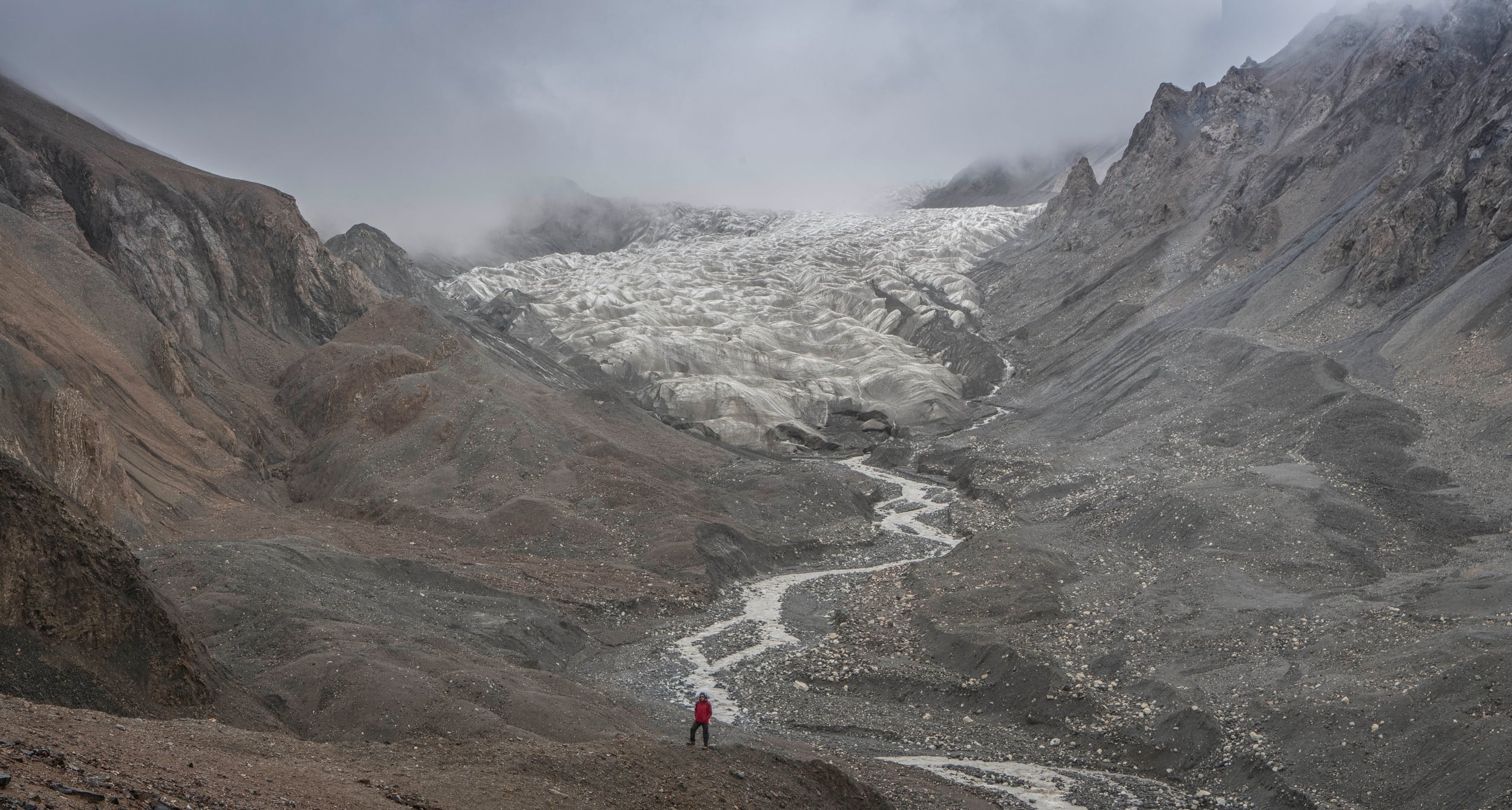
While initial assessments are still underway, experts are urging caution against pinpointing climate change as the sole, immediate trigger for this specific incident. However, they unanimously agree that the pervasive effects of rising global temperatures and accelerated glacier melt are likely significant contributing factors, exacerbating the inherent geological vulnerabilities of the region.
A Pattern of Growing Instability
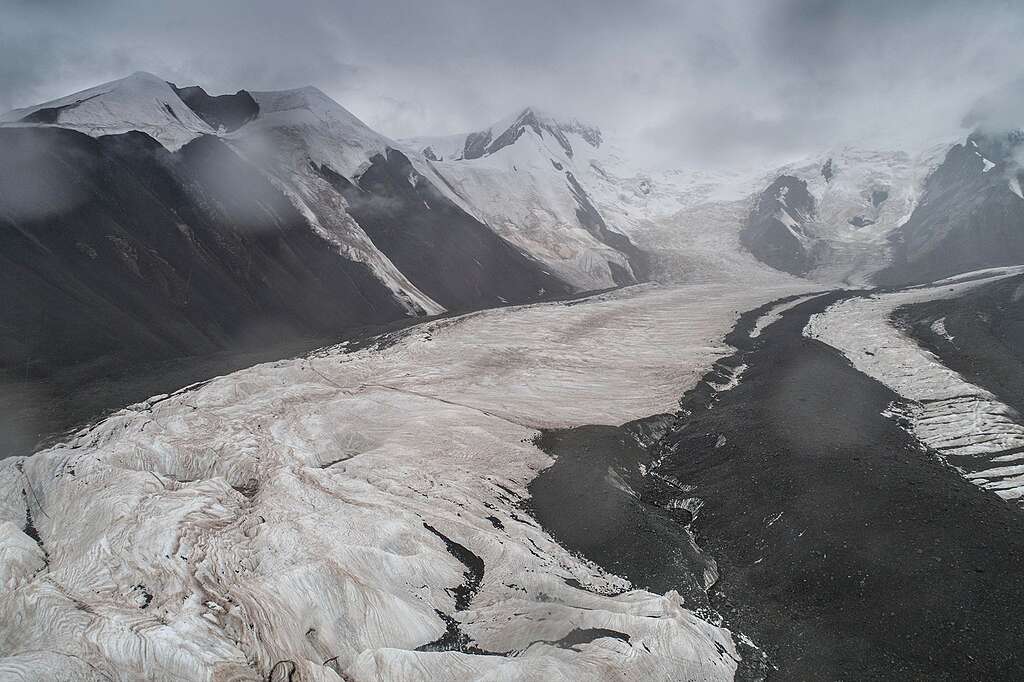
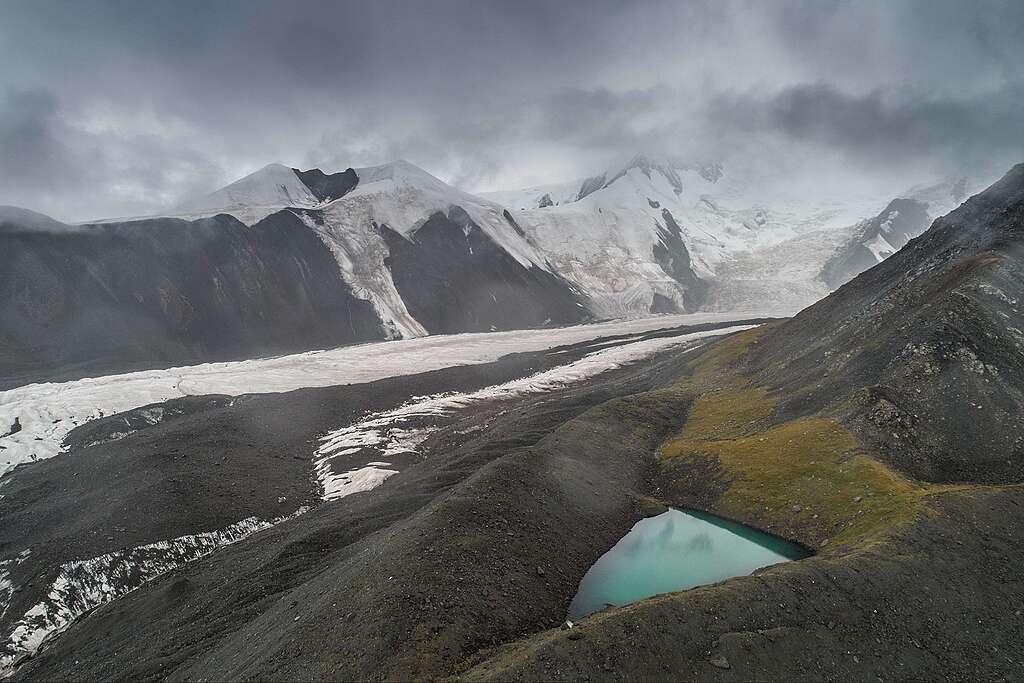
This tragic event echoes a similar disaster that struck the same border region last year: a glacial outburst flood. Such events occur when meltwater accumulates behind natural dams of ice and debris at the base of glaciers, forming glacial lakes. When these moraine walls fail, the immense pressure of the accumulated water is released, unleashing a destructive torrent downstream.
The precise cause of the recent mudslide is still under investigation, but it undeniably underscores the precarious state of permafrost regions in the Himalayas and the Tibetan Plateau. These high-altitude, historically frigid zones are warming at a rate approximately twice the global average. Between 1981 and 2020, the region experienced an average temperature increase of 0.5 degrees Celsius every decade, accompanied by a concerning rise in precipitation of roughly 14 millimeters per decade.

These statistics, while stark, only partially convey the profound geological ramifications of such rapid climate shifts in these sensitive mountain ecosystems. The fragility of high-altitude environments, characterized by unstable soil, altered river dynamics, and the potential for localized events to trigger cascading chain reactions, amplifies the vulnerability of communities residing in these areas. The impact of climate-induced natural disasters in these regions is therefore multifaceted and demands a comprehensive approach to mitigation and adaptation.
Scientific Warnings and Policy Responses
The destructive force witnessed in the Himalayas is not an entirely unforeseen consequence. A comprehensive report released in 2018 by Greenpeace East Asia, in collaboration with the Chinese Academy of Sciences and the Gansu Provincial Academy, meticulously analyzed the impact of climate change on glaciers across China and Asia. This report explicitly highlighted the escalating risks posed by the increasing instability of high-altitude glacier regions and strongly advocated for the implementation of robust early warning systems and enhanced risk prevention measures.
In the years since this critical assessment, the Chinese government has enacted significant national strategies aimed at addressing climate change. These include the "National Climate Change Adaptation Strategy 2035" and the "Qinghai-Tibet Plateau Ecological Protection Law." Both documents emphasize the imperative to confront climate-related risks and bolster monitoring and early warning mechanisms in these vulnerable areas.
Despite these policy advancements, critical gaps remain in climate adaptation efforts within these complex, high-altitude environments, particularly concerning the warming permafrost. The current infrastructure for real-time risk monitoring and effective on-the-ground emergency management mechanisms requires substantial upgrades to adequately address the evolving threats.
The Narrow Window for Response
The past decade has witnessed a discernible increase in the frequency and intensity of glacial outburst floods across the Himalayas. Both Nepal and China have undertaken measures to counter these threats, including enhanced disaster assessment protocols, the deployment of remote sensing technologies, sophisticated flood simulation modeling, and improved cross-border information exchange.
However, the chilling reality of the speed at which these events can unfold was starkly illustrated by a 2022 simulation conducted in a neighboring river valley. This valley shared geological and geographical similarities with the site of the recent disaster, including the presence of a glacial lake, a steep canyon, and a border crossing within the valley. The simulation projected that a glacial lake outburst flood in this scenario could reach a nearby town within a mere 5 to 11 minutes and impact the China-Nepal border in approximately 30 minutes. This critical finding underscores the extremely limited timeframe available for effective response and evacuation, highlighting the urgent need for enhanced preparedness and immediate action.
Broader Implications and Future Outlook
The devastating mudslide in the Himalayas serves as a stark and tragic reminder of the interconnectedness of global climate patterns and local environmental realities. The region, often referred to as the "Third Pole," plays a critical role in the global climate system, with its glaciers and permafrost storing vast amounts of frozen water and influencing weather patterns across Asia.
The accelerating melt of these glaciers and the thawing of permafrost not only contribute to sea-level rise but also increase the risk of catastrophic natural disasters like the one that has just occurred. This event is likely to intensify calls for more aggressive global action to reduce greenhouse gas emissions and for increased investment in climate adaptation strategies, particularly in vulnerable mountain regions.
The human cost of this disaster is immeasurable, with families torn apart and communities irrevocably altered. The loss of life and the displacement of thousands underscore the urgent need for international cooperation in disaster preparedness, early warning systems, and long-term adaptation planning. As climate change continues to reshape our planet, the fragile beauty and critical importance of the Himalayas demand our immediate and sustained attention. The lessons learned from this tragedy must translate into concrete actions to safeguard both the environment and the lives of the people who call these majestic mountains home.


 Neng Nana
 Azzam Bilal Chamdy