Rifan Muazin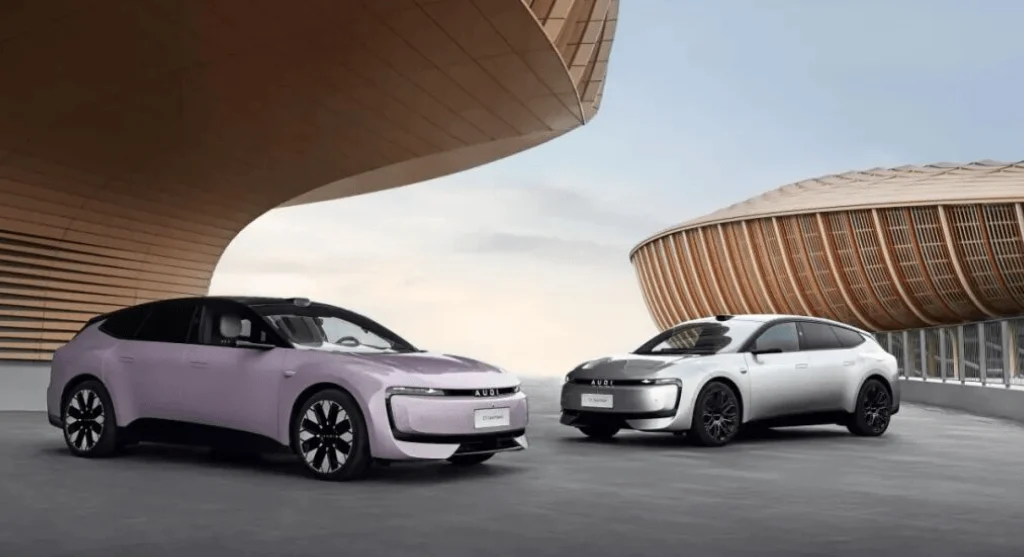
Audi’s comprehensive plan to strategically redistribute its operations within the critical Chinese market has reportedly reached a broad finalization, signaling a significant shift in its approach to the world’s largest automotive landscape. According to an industry report cited by IT Home, the proposed arrangement would see SAIC Audi, the brand’s joint venture with SAIC Motor, assume stewardship of a dedicated, China-specific "AUDI" electric-vehicle brand. Concurrently, the traditional Audi four-ring brand and its extensive global product lineup, encompassing both internal combustion engine (ICE) and other electric vehicle offerings, would continue to be managed by FAW Audi, Audi’s long-standing partnership with China’s FAW Group. This reported bifurcation aims to streamline brand identity and accelerate market responsiveness within the increasingly complex and competitive Chinese automotive sector, particularly concerning electric vehicles.
The report further indicates that SAIC Audi and Audi are already deep into the development of four distinct "AUDI" models, leveraging the advanced ADP 2.0 digital platform. The inaugural model from this new strategic direction is anticipated to debut in 2028, underscoring a long-term commitment to this specialized brand identity. While the German luxury automaker has not yet officially confirmed these reported restructuring details, the move aligns with broader industry trends and Audi’s known efforts to optimize its presence and product strategy in China.
Background and Context: Audi’s Enduring Legacy and Emerging Challenges in China
Audi’s journey in China began in the early 1990s, establishing itself as one of the pioneering premium foreign brands to enter the market through its partnership with FAW Group. The FAW-Volkswagen Automotive Co., Ltd. joint venture, established in 1991, saw Audi vehicles become synonymous with luxury, prestige, and quality among Chinese consumers. For decades, Audi enjoyed immense success, often leading the premium segment, and leveraging its "first-mover" advantage to build a robust sales network and a loyal customer base. This partnership has been instrumental in Audi’s global growth, with China consistently representing Audi’s single largest market.
However, the Chinese automotive landscape has undergone a dramatic transformation, particularly in the last decade. The government’s aggressive push for electrification, coupled with the rapid rise of sophisticated domestic EV manufacturers like BYD, Nio, Xpeng, and Li Auto, has reshaped consumer expectations and competitive dynamics. These local players have demonstrated remarkable agility, integrating cutting-edge digital technologies, advanced battery solutions, and intuitive user interfaces that often surpass those offered by traditional foreign brands. The "software-defined vehicle" has become a key battleground, and legacy automakers, including Audi, have faced challenges in adapting their global development cycles to the accelerated pace and specific demands of the Chinese market.
Recognizing the need for increased capacity, faster product development cycles, and a deeper integration with local supply chains and digital ecosystems, Audi announced its second joint venture with SAIC Motor in 2016, formally established as SAIC Audi in 2021. This move was initially met with some apprehension from FAW, leading to complex negotiations to ensure a balanced approach that would not cannibalize existing operations. The SAIC Audi partnership was intended to expand Audi’s footprint, particularly in the burgeoning premium electric vehicle segment, and leverage SAIC’s extensive experience in the Chinese market and its supply chain. Initial SAIC Audi models, such as the A7L sedan and Q5 e-tron SUV, were introduced to the market, but the strategic differentiation between the two joint ventures has remained a subject of ongoing discussion and refinement.
The Reported Restructuring: A Dual-Brand, Dual-Partner Strategy Unpacked
The reported finalization of this operational redistribution represents a significant evolution of Audi’s dual-partner strategy in China. By assigning a distinct "AUDI" electric-vehicle brand to SAIC Audi, the German automaker appears to be creating a dedicated entity focused entirely on the unique demands and rapid innovation cycles of the Chinese EV market. This "AUDI" brand would likely entail a separate design language, localized software development, bespoke digital services, and potentially even distinct marketing and retail strategies, all tailored to appeal directly to Chinese new-energy vehicle (NEV) consumers who prioritize connectivity, smart features, and a seamless digital experience. The development of four new models on the ADP 2.0 digital platform, with the first slated for 2028, underscores the long-term strategic intent behind this new brand. The ADP 2.0 platform is expected to be highly adaptable, facilitating rapid iteration and integration of local technologies, from advanced driver-assistance systems (ADAS) to in-car infotainment.
In contrast, FAW Audi would retain responsibility for the globally recognized Audi four-ring brand. This means it would continue to produce and sell Audi’s core portfolio, including its popular ICE models (like the A4, A6, Q5, Q7) and electric vehicles developed on global platforms such as the Premium Platform Electric (PPE), co-developed with Porsche. This arrangement allows FAW Audi to maintain its focus on the established premium segment, catering to customers who value Audi’s global heritage, consistent design philosophy, and performance attributes. It also ensures a clear demarcation, preventing potential brand confusion and internal competition between the two joint ventures, which had been a point of concern for industry observers since the inception of SAIC Audi.
Chronology of Audi’s China Market Evolution
- 1988: Audi begins local production in China through a technical partnership with FAW.
- 1991: FAW-Volkswagen Automotive Co., Ltd. is officially established, marking Audi’s formal joint venture presence.
- 1990s – 2010s: Audi experiences phenomenal growth, consistently leading the premium segment, with models like the A6 becoming iconic among Chinese executives and government officials.
- 2016: Audi announces its intention to form a second joint venture with SAIC Motor, sparking initial concerns from FAW.
- 2017: After extensive negotiations, Audi, FAW, and SAIC sign a strategic framework agreement, paving the way for the SAIC Audi partnership while reassuring FAW of continued investment.
- 2021: SAIC Audi officially commences operations, with the introduction of its first localized models, including the Audi A7L and the Audi Q5 e-tron, targeting new market segments.
- 2022-2023: Audi intensifies its EV strategy in China, recognizing the rapid shift in consumer preferences and the growing dominance of local EV brands. Discussions and reports surface regarding the need for clearer differentiation between the two JVs.
- Late 2023 / Early 2024 (Reported): The restructuring plan to assign a China-specific "AUDI" EV brand to SAIC Audi and retain the global four-ring brand with FAW Audi is broadly finalized.
- 2028 (Projected): Launch of the first new "AUDI" model developed by SAIC Audi on the ADP 2.0 digital platform.
The Evolving Chinese Automotive Landscape and Competitive Pressures
China remains the world’s largest automotive market, with annual sales consistently exceeding 20 million units. More significantly, it is the global leader in new energy vehicle (NEV) adoption, including battery electric vehicles (BEVs) and plug-in hybrid electric vehicles (PHEVs). In 2023, NEV sales in China reached approximately 9.5 million units, representing a substantial portion of the total market and demonstrating robust growth. While foreign premium brands like Audi, BMW, and Mercedes-Benz continue to hold strong positions in the overall luxury segment, their performance in the pure-electric premium segment has been more challenging.
Local Chinese EV manufacturers have rapidly innovated, offering vehicles with highly competitive pricing, advanced battery technology (including BYD’s Blade Battery and CATL’s Qilin Battery), sophisticated software stacks, and features specifically designed for Chinese consumers, such as advanced voice assistants, expansive digital screens, and seamless integration with popular local apps. Brands like Nio, Xpeng, and Li Auto have also built strong communities and unique service models that resonate deeply with their target demographics.
Audi’s sales in China, while still robust, have faced headwinds in recent years, particularly in the transition to electrification. In 2023, Audi delivered approximately 729,000 vehicles in mainland China and Hong Kong, representing a modest increase from the previous year. However, its share of the rapidly expanding NEV market remains smaller compared to its traditional dominance in ICE vehicles. This competitive pressure from agile domestic players, coupled with the need to accelerate EV development and localization, provides the strategic impetus for the reported restructuring.
Strategic Rationale and Potential Implications
The reported dual-brand, dual-partner strategy carries significant strategic implications for Audi’s future in China:
- Enhanced Agility and Localization: By dedicating SAIC Audi to a China-specific EV brand, Audi can empower this entity to operate with greater autonomy and speed, free from the constraints of global product cycles. This allows for faster development, deeper localization of technology (especially software and connectivity features), and a more tailored response to rapidly shifting Chinese consumer preferences.
- Clear Brand Differentiation: The separation of the "AUDI" EV brand for SAIC and the traditional Audi four-ring brand for FAW eliminates potential overlap and confusion. It allows each joint venture to focus on distinct market segments and customer expectations without direct internal competition over the same product lines.
- Mitigating Market Risk: The "don’t put all your eggs in one basket" principle applies here. Having two distinct pathways for growth, one focused on the global premium narrative and the other on a hyper-localized EV strategy, could provide Audi with greater resilience in a volatile market.
- Leveraging Partner Strengths: SAIC Motor brings significant experience in large-scale manufacturing, local supply chain integration, and a deep understanding of the Chinese consumer market, particularly in the volume segments where EV adoption is surging. FAW, on the other hand, provides a long-established premium manufacturing base, distribution network, and brand loyalty. This split optimizes the utilization of each partner’s unique strengths.
- Addressing the "Software-Defined Vehicle" Gap: The ADP 2.0 platform and the focus on a new EV brand suggest a concerted effort to close the gap with domestic players in software, connectivity, and digital user experience. A dedicated brand can build these capabilities from the ground up, unencumbered by legacy systems.
- Global Learning: Insights gained from the SAIC Audi "AUDI" brand’s development and market performance in China could potentially inform Audi’s global EV strategy, particularly in areas of rapid software development and digital integration.
However, challenges remain. Executing a dual-brand strategy effectively requires careful coordination, avoiding internal resource conflicts, and ensuring both brands maintain Audi’s core values of quality and innovation. Consumer perception of a "China-specific" brand versus the global Audi brand will also be crucial.
Official Stance and Industry Reactions
As of the latest reports, Audi has not officially confirmed the details of this restructuring. This "no comment" stance is typical for ongoing strategic discussions and negotiations, especially those involving complex joint ventures and significant market reorientation.
Industry analysts, however, widely interpret this reported move as a strategic imperative for Audi to remain competitive and relevant in its most important market. "This isn’t just about splitting operations; it’s about fundamentally rethinking how a global premium brand can thrive in China’s unique and hyper-competitive EV ecosystem," commented a Beijing-based automotive consultant, who wished to remain anonymous due to client relationships. "The local players are setting new benchmarks for speed and digital integration. Audi needs a dedicated, agile arm that can move at that pace."
Other observers suggest that this dual-brand, dual-partner approach is a pragmatic solution to balance the demands of Audi’s global brand consistency with the necessity for extreme localization in China’s NEV sector. It acknowledges that the Chinese EV market is not just another segment but an entirely different playing field requiring a tailored strategy.
Technological Alignment and Future Prospects
The emphasis on the ADP 2.0 digital platform for the new SAIC Audi models highlights Audi’s commitment to leveraging advanced technology. Digital platforms are crucial for modern EVs, enabling over-the-air (OTA) updates, seamless integration of smart cockpit features, advanced driver-assistance systems (ADAS), and robust connectivity. By developing these models specifically for China, SAIC Audi can integrate local AI technologies, high-definition mapping, and popular Chinese digital services, offering an intuitive and integrated user experience that resonates with local consumers.
Looking ahead, the success of this reported restructuring will hinge on several factors: the clarity of brand positioning for both FAW Audi and SAIC Audi’s "AUDI" brand, the speed and quality of product development for the new EV models, and Audi’s ability to maintain its premium image while adapting to local market dynamics. This strategic realignment is not merely an operational adjustment; it is a fundamental re-evaluation of how a storied German luxury brand intends to secure its future dominance in the most dynamic and challenging automotive market in the world. The 2028 launch of the first SAIC Audi "AUDI" model will be a critical milestone, offering the first tangible evidence of this bold new direction.


 Neng Nana