Azzam Bilal Chamdy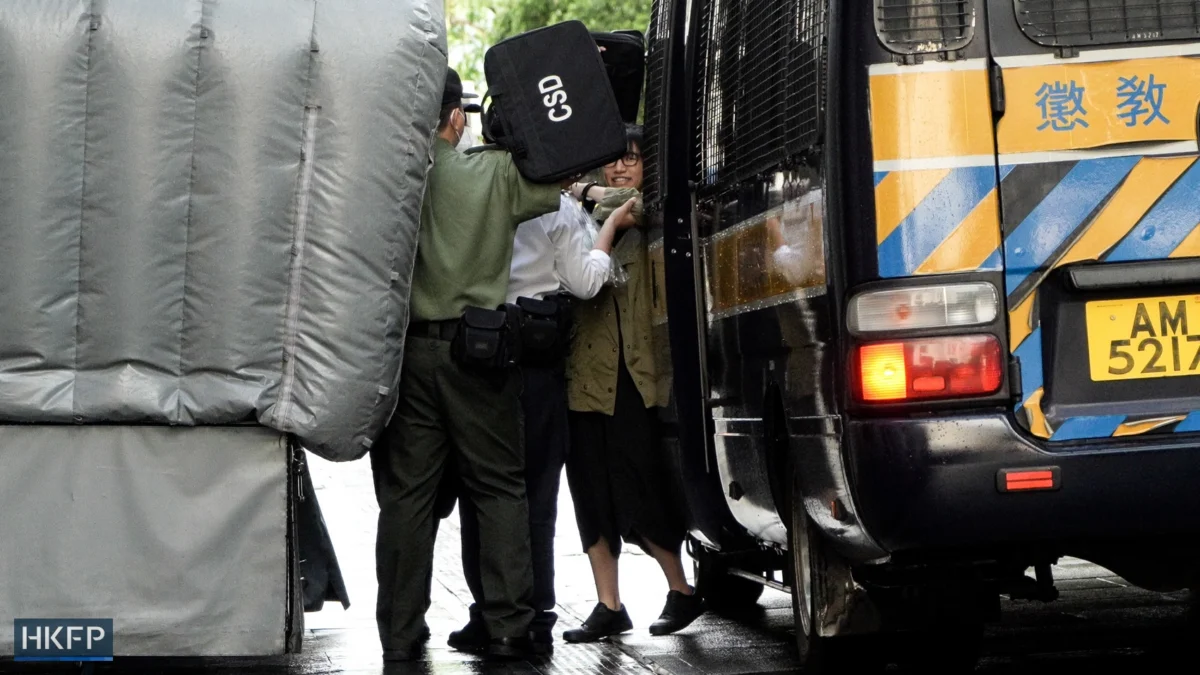
In August, Hong Kong’s national security landscape was marked by significant legal developments, including the conviction of prominent activists for their roles in organizing the annual Tiananmen Square vigil and a crucial appeal hearing in the landmark "Hong Kong 47" case. These events, alongside shifts in international immigration policies and rare non-custodial sentences, paint a complex picture of the city’s evolving legal and political environment under Beijing’s stringent national security laws. The month’s developments underscore the ongoing impact of these laws on civil society, democratic movements, and the lives of individuals associated with them.

Conviction of Tiananmen Vigil Organizers: A Defining Moment
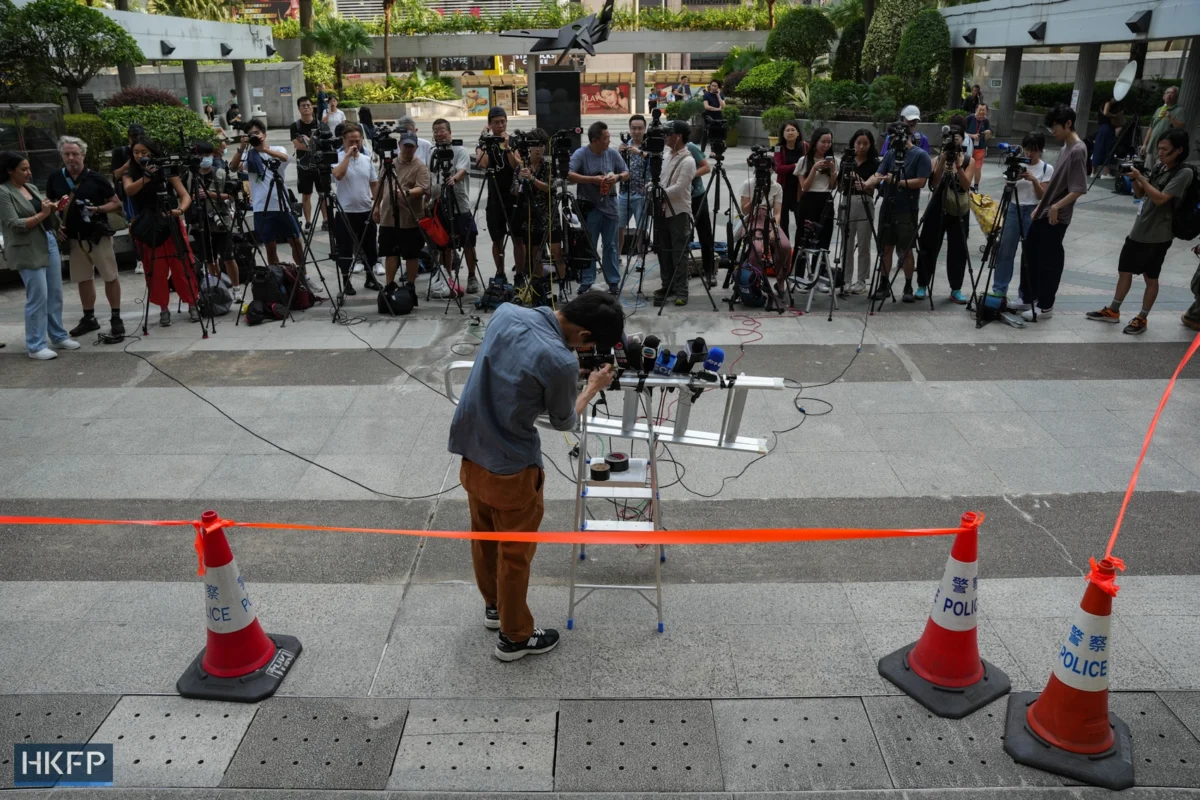
August 21st witnessed a pivotal moment in Hong Kong’s legal history as veteran pro-democracy activists Chow Hang-tung and Lee Cheuk-yan, along with their now-dissolved organization, the Hong Kong Alliance in Support of Patriotic Democratic Movements of China, were found guilty of inciting subversion. The verdict, delivered by three national security judges, marks a significant turning point in the city’s efforts to suppress dissent, particularly concerning commemorations of the 1989 Tiananmen Square crackdown.
For over three decades, the Hong Kong Alliance served as the primary organizer of an annual candlelight vigil in Victoria Park. This vigil was a poignant and widely attended event, a rare public space in the Greater China region where citizens could openly mourn the victims of the Chinese Communist Party’s violent suppression of pro-democracy protests in Beijing and advocate for democratic reforms in mainland China. The conviction of Chow and Lee, both former leaders of the Alliance, effectively criminalizes the act of remembrance and advocacy associated with the Tiananmen Square massacre.
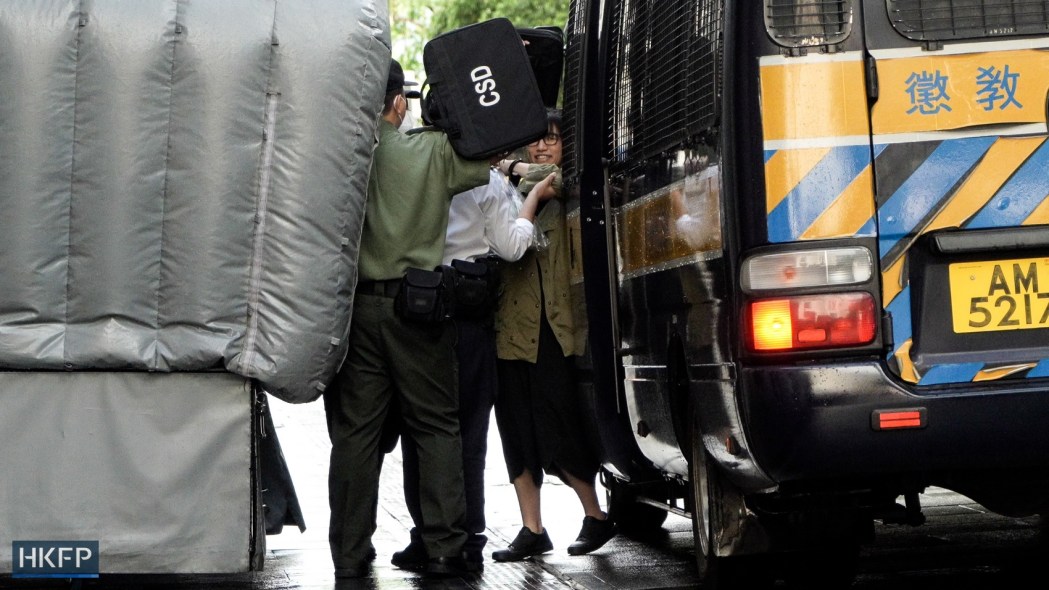
Chow Hang-tung, a barrister and a key figure in the Alliance, articulated the profound implications of the verdict during her mitigation hearing. She stated that the court’s decision essentially declared "pursuing democracy is a crime." However, her attempt to further elaborate on this sentiment was cut short by the presiding judge, Alex Lee, who disallowed her from reading her mitigation statement in full. This restriction on her ability to speak highlights the perceived sensitivity surrounding discussions of democracy and political freedoms within the context of national security prosecutions.
Lee Cheuk-yan, a former lawmaker and prominent labor rights activist, and Albert Ho, another former lawmaker who pleaded guilty at the trial’s commencement in January, also faced sentencing. Both Chow and Lee, who have been in custody since September 2021, face a maximum penalty of ten years imprisonment. Ho, having pleaded guilty, is expected to receive a more lenient sentence. The sentencing was scheduled to occur within two weeks of the verdict.

The government’s response to the convictions was swift, with officials expressing approval for the court’s decision. Conversely, overseas human rights organizations and pro-democracy advocates voiced deep concern, viewing the verdict as a further erosion of freedoms and a chilling effect on civic space in Hong Kong. The international community closely monitors these cases, interpreting them as indicators of Hong Kong’s autonomy and adherence to the rule of law.
The "Hong Kong 47" Case: A Glimmer of Hope in Appeals
Amidst the convictions related to the Tiananmen vigil, the "Hong Kong 47" national security case saw a significant development. On August 10, eleven defendants from this landmark case were granted permission to appeal to the Court of Final Appeal, Hong Kong’s highest judicial body. This decision offers a potential avenue for legal recourse for those convicted in what is considered the city’s largest national security prosecution to date.

The "Hong Kong 47" case involves 47 former lawmakers, activists, and ordinary citizens accused of conspiracy to commit subversion. The charges stemmed from their participation in an unofficial pro-democracy primary election held in July 2020, intended to select candidates for the Legislative Council election. The government alleged that these primaries were part of a plot to destabilize the city and overthrow its government.
Among the eleven defendants granted leave to appeal are prominent figures such as journalist-turned-activist Gwyneth Ho and former League of Social Democrats chair Leung Kwok-hung, widely known as "Long Hair." Their appeal will focus on challenging the Court of Appeal’s earlier decision, which upheld their convictions for conspiracy to commit subversion under the Beijing-imposed National Security Law (NSL). The granting of permission to appeal signifies that the Court of Final Appeal believes there are arguable points of law to be considered, potentially revisiting the interpretation and application of the NSL in this high-profile case.

The trials and subsequent appeals in cases like the "Hong Kong 47" are closely watched as they set precedents for the application of the NSL. The outcome of these appeals could have far-reaching implications for the future of political dissent and civil liberties in Hong Kong.
International Responses and Emigration Trends
The intensifying national security climate in Hong Kong has prompted several countries to offer pathways for residents seeking to leave. However, August also saw shifts in these policies. Canada announced the closure of its "lifeboat" immigration scheme for Hongkongers at the end of the month. Introduced in the wake of the NSL’s enactment in 2020, this program was designed to provide a route to permanent residency for those who felt their freedoms were compromised.

Immigration, Refugees and Citizenship Canada reported that the scheme received applications from approximately 48,560 individuals, with 13,370 already granted permanent residency. The closure of this pathway signifies a potential reduction in emigration options for Hongkongers looking to relocate.
In contrast, the United Kingdom confirmed that former Hong Kong lawmaker Wu Chi-wai would not face deportation. Wu, who was convicted under the NSL for conspiracy to subvert the state and received a prison sentence of four years and five months, experienced entry difficulties upon arriving in the UK with his British National (Overseas) (BNO) passport. UK Minister for Migration and Citizenship Jo White acknowledged the importance of assessing BNO passport holders’ cases individually, stating that overseas convictions should not automatically lead to the refusal of settlement applications. This assurance provides a measure of relief for individuals with past convictions who hold BNO status and seek refuge or resettlement in the UK.

Meanwhile, Chinese activist Zhang Xinyan, who is wanted by the Hong Kong government, successfully arrived in Canada in early August. Zhang, a dissident and practitioner of Falun Gong, had been detained in Thailand for an extended period. Her arrival in Vancouver marks a significant development, as she had been facing potential extradition to Hong Kong. The Hong Kong Parliament, an organization formed by Hong Kong activists based in Canada and banned by Hong Kong authorities, had elected Zhang as a member, leading to the national security police issuing a warrant for her arrest. Her resettlement in Canada, facilitated by advocacy groups, highlights the complex international dimension of Hong Kong’s national security crackdown.
A Rare Non-Custodial Sentence and Prosecution Statistics
In a notable departure from the trend of custodial sentences for national security offenses, a Hong Kong man received an 18-month probation order in August for writing "seditious words" in a public bathroom. Leung Kai-lok, a 19-year-old individual described by the defense as having autism, was convicted of sedition and three counts of criminal damage. The sedition charge related to graffiti found in a Tsim Sha Tsui commercial building bathroom on three occasions. While he pleaded guilty to the criminal damage charges, the sedition conviction resulted in the relatively rare non-custodial sentence for such offenses. This case stands out against the backdrop of numerous individuals facing lengthy prison terms for activities deemed to endanger national security.

Official figures released by the Security Bureau as of August 1 provide a stark overview of the NSL’s impact. A total of 415 individuals had been arrested for suspected acts endangering national security since the law’s introduction. Of these, 212 individuals and five companies have been formally charged, with 185 individuals and four companies either convicted or awaiting sentencing. Specifically under the Beijing-imposed National Security Law, 103 people and four companies have been charged, resulting in 82 convictions. Furthermore, 14 individuals have been charged under Article 23 of the Basic Law (which predates the NSL but is often invoked in conjunction), with 13 of them convicted. These statistics underscore the pervasive reach of national security legislation in Hong Kong.
The legal and political developments in Hong Kong throughout August underscore a continued tightening of the security apparatus, with significant implications for freedom of expression, assembly, and the broader democratic landscape. The convictions related to the Tiananmen vigil serve as a stark reminder of the authorities’ determination to control historical narratives and public commemorations. Meanwhile, the ongoing legal challenges, such as the appeals in the "Hong Kong 47" case, highlight the resilience of some within the pro-democracy movement and the judiciary’s role in navigating the complex legal framework. The international community’s engagement, through immigration policies and diplomatic statements, further emphasizes the global significance of Hong Kong’s situation.

 Basiran
 Reynand Wu