Basiran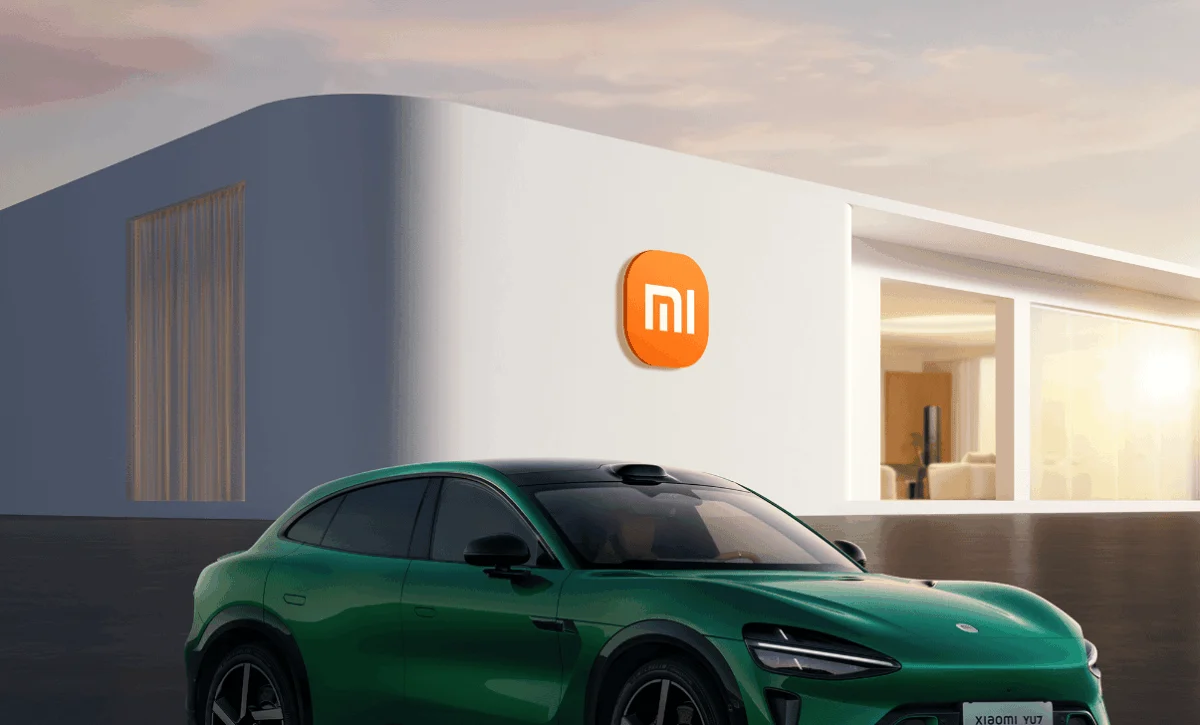
Xiaomi, the Chinese technology conglomerate, has taken a significant preparatory step towards its ambitious global automotive expansion by signing initial agreements with its first cohort of European car dealers. These pivotal agreements were formalized during IFA 2026 in Berlin, marking the commencement of establishing critical sales and distribution channels for Xiaomi vehicles across the European continent. This strategic move underscores the company’s intent to translate its domestic electric vehicle (EV) success into a formidable international presence, with an anticipated export commencement in 2027.
Context of the IFA 2026 Event and Xiaomi’s Strategic Trajectory
The choice of IFA 2026 in Berlin, traditionally a premier trade show for consumer electronics and home appliances, as the venue for these automotive agreements is highly symbolic. It underscores Xiaomi’s identity as a technology company first and foremost, leveraging its established brand recognition in smart devices to pivot into the increasingly tech-driven automotive sector. For years, IFA has served as a launchpad for innovation, and Xiaomi’s announcement there signals its intent to position its vehicles not merely as transportation but as sophisticated, connected smart devices on wheels, aligning with the show’s futuristic ethos.
Xiaomi’s journey into the automotive industry has been a closely watched development. First announced in March 2021 by CEO Lei Jun, the company committed an initial investment of 10 billion yuan (approximately $1.4 billion USD) to its smart electric vehicle business, signaling a long-term commitment to the sector. This declaration ignited considerable industry interest, given Xiaomi’s extensive ecosystem of smartphones, smart home devices, and IoT products, all of which present synergistic opportunities with connected vehicles. The company’s "human x car x home" smart ecosystem strategy is central to its automotive vision, aiming to create a seamless user experience across all aspects of daily life.
The culmination of years of intensive research, development, and significant investment saw the unveiling of the Xiaomi SU7, its inaugural electric sedan, in late 2023, followed by its official market launch in China in early 2024. The SU7 garnered substantial attention for its sleek design, competitive pricing, advanced smart features powered by Xiaomi’s HyperOS, and impressive performance specifications, including rapid acceleration and long-range capabilities. Its domestic reception, characterized by robust pre-orders and a strong initial sales performance, has evidently emboldened Xiaomi to accelerate its international ambitions.
Chronology of Xiaomi’s Automotive Ambitions
Xiaomi’s foray into the automotive sector has followed a meticulously planned timeline:
- March 2021: CEO Lei Jun officially announces Xiaomi’s entry into the smart electric vehicle business, committing significant investment.
- Late 2021 – 2023: Intensive R&D, talent acquisition, and establishment of manufacturing facilities, including a state-of-the-art factory in Beijing.
- December 2023: Global debut of the Xiaomi SU7 electric sedan, showcasing its design, technology, and performance specifications.
- Early 2024: Official launch and commencement of sales for the Xiaomi SU7 in the Chinese domestic market, generating significant consumer interest and strong initial orders.
- IFA 2026, Berlin: Signing of initial dealer agreements in Europe, marking the formal initiation of international sales channel development.
- 2027: Targeted commencement of overseas vehicle exports, with an initial focus on developed markets and specifically right-hand-drive countries.
This structured approach, moving from foundational investment and domestic market validation to strategic international partnerships, reflects a calculated expansion strategy designed to mitigate risks and capitalize on existing brand equity.
The European Market Landscape: Opportunities and Challenges
Europe represents a critical battleground for global EV manufacturers. The continent has been at the forefront of the electric vehicle transition, driven by stringent emissions regulations, ambitious decarbonization targets set by the European Union, and growing consumer awareness regarding climate change. Countries like Norway, Germany, France, and the UK have seen rapid adoption rates, supported by robust charging infrastructure development and various governmental incentives. According to recent market analyses, Europe is projected to remain one of the fastest-growing EV markets globally, with significant demand for innovative, high-performance, and technologically advanced electric vehicles.
However, the European market is also intensely competitive and fragmented. Established European automotive giants such as Volkswagen, Mercedes-Benz, BMW, and Stellantis are heavily invested in their own EV portfolios, leveraging decades of brand loyalty, extensive service networks, and deep understanding of regional consumer preferences. Furthermore, other Chinese EV manufacturers, including BYD, Nio, Xpeng, and Geely’s brands, are also aggressively expanding into Europe, creating a crowded landscape.
For Xiaomi, entering this market presents both immense opportunities and significant challenges. The opportunity lies in tapping into a technologically savvy consumer base that values innovation and connectivity, areas where Xiaomi has a proven track record with its electronics. The challenge, however, will be to build trust and credibility in a new product category, adapt its vehicles to diverse European regulatory standards (e.g., Euro NCAP safety ratings, specific charging protocols, data privacy laws like GDPR), and overcome potential brand perception hurdles associated with a new entrant.
Strategic Rationale for European Entry and Dealer Network Establishment
Xiaomi’s decision to prioritize Europe for its initial international automotive push is multifaceted. Beyond the market’s inherent size and growth potential for EVs, Europe’s sophisticated automotive culture and demanding consumers serve as an excellent proving ground for global ambitions. Success here would lend significant credibility to Xiaomi’s automotive brand on a worldwide scale. The continent’s regulatory push towards electrification also creates a favorable environment for new EV entrants, as it levels the playing field to some extent compared to internal combustion engine (ICE) vehicles.
The agreements signed at IFA 2026 are more than just handshakes; they are foundational to Xiaomi’s logistical and operational success in Europe. These agreements are expected to encompass:
- Sales Channels: Establishing showrooms and digital sales platforms to reach consumers.
- Service and Maintenance: Setting up authorized service centers, ensuring access to trained technicians and genuine spare parts, which is crucial for consumer confidence and long-term ownership experience.
- Logistics and Distribution: Developing efficient supply chains for vehicle delivery, potentially involving local hubs and transportation networks.
- Brand Building and Marketing: Collaborating on local marketing strategies to effectively communicate Xiaomi’s automotive brand values and product advantages to European consumers.
Developing a robust dealer network is a capital-intensive and time-consuming endeavor. Xiaomi’s early engagement in this process, nearly a year before its targeted export date, indicates a methodical and cautious approach. This early groundwork allows for comprehensive training of dealer staff, establishment of inventory systems, and fine-tuning of after-sales support infrastructure, all critical components for a successful market entry.
Initial Export Strategy: Focus on Right-Hand-Drive Markets
Xiaomi’s stated intention to initially focus on developed markets, specifically right-hand-drive (RHD) countries, provides insight into its market entry strategy. This approach is likely driven by several factors:
- Reduced Complexity: Focusing on RHD models initially allows Xiaomi to streamline its manufacturing and supply chain processes for a specific vehicle configuration, potentially accelerating time to market for these regions.
- Key Developed Markets: Major RHD developed markets include the United Kingdom, Ireland, Australia, New Zealand, Japan, and Singapore. These markets typically have high purchasing power, strong demand for advanced technology, and often robust EV adoption rates.
- Testing Ground: Entering a select group of RHD markets can serve as a controlled environment to test international logistics, marketing strategies, and after-sales support before undertaking a broader rollout into left-hand-drive (LHD) markets, which represent the majority of continental Europe.
- Competitive Dynamics: While the UK, for instance, is a competitive market, focusing on RHD might allow Xiaomi to fine-tune its offerings and brand messaging in a slightly less crowded immediate segment compared to the LHD heartland of Europe.
This phased rollout demonstrates a pragmatic approach to international expansion, allowing Xiaomi to gather valuable feedback and refine its operations before scaling up.
Analyst Perspectives and Broader Implications
Industry analysts largely view Xiaomi’s move as a natural progression for a technology giant with significant capital and a strong innovation culture. The convergence of consumer electronics and automotive technology, often termed "software-defined vehicles," plays directly into Xiaomi’s strengths. Analysts suggest that Xiaomi’s deep expertise in user experience design, AI, and connectivity could give it a distinct advantage, allowing it to differentiate its vehicles through seamless integration with its existing ecosystem.
However, skepticism remains regarding the execution. The automotive industry has notoriously high barriers to entry, encompassing stringent safety regulations, complex supply chains, and the immense cost of scaling production and distribution globally. While Xiaomi has demonstrated rapid learning and execution in China, replicating that success in diverse international markets will be a significant test.
The broader implication of Xiaomi’s entry, alongside other Chinese EV makers, is the acceleration of competition within the global electric vehicle market. This intensified competition is likely to drive further innovation, push down prices, and expand consumer choices. For incumbent European automakers, it represents a new wave of challengers that are agile, technologically advanced, and often backed by substantial state or private capital. It may compel traditional automakers to further integrate advanced technology, refine their software capabilities, and streamline their production processes to remain competitive.
Looking Ahead: The 2027 Export Target
The 2027 export target remains the critical milestone for Xiaomi’s international automotive aspirations. Between now and then, the company will need to finalize its dealer networks, establish robust logistics for vehicle shipping and parts distribution, secure all necessary regulatory approvals and certifications for each target market, and ramp up production to meet anticipated demand. Furthermore, a significant investment in brand building and marketing will be essential to translate its tech brand recognition into automotive trust and desirability among European consumers.
Xiaomi’s strategic agreements at IFA 2026 are more than just a headline; they represent a concrete, forward-looking step in a meticulously planned global expansion. As the company prepares to export its intelligent electric vehicles, the automotive world watches keenly to see if Xiaomi can replicate its tech empire’s success on the demanding roads of Europe and beyond.


 Rifan Muazin
 Ali Ikhwan