Siti Muinah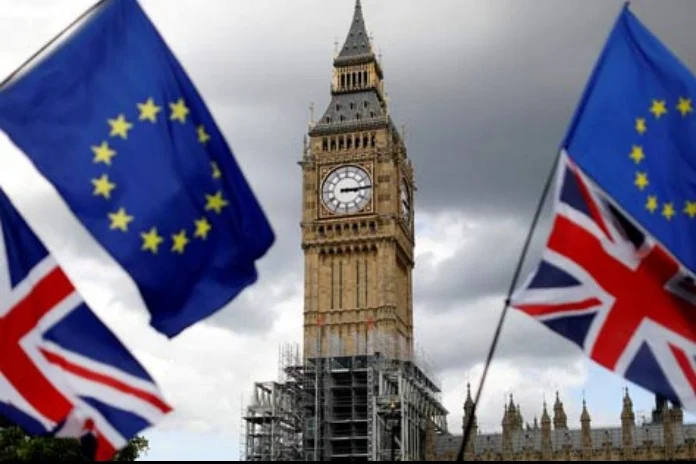
Brexit Secretary David Davis expressed optimism on Sunday that a comprehensive trade deal between Britain and the European Union could be finalized within a year of the UK’s departure, citing a dramatic reduction in the odds of a "no-deal" scenario following a pivotal agreement reached in Brussels. This statement from Davis, a key figure in the UK’s Brexit negotiations, signals a potential acceleration in the ongoing discussions concerning the future relationship between the two entities. The progress, achieved after intense negotiations, is seen as a critical step towards unlocking the next phase of talks, focusing on the post-Brexit economic partnership.
Breakthrough in Brussels Paves Way for Trade Talks
The agreement, struck on Friday between Prime Minister Theresa May and European Commission President Jean-Claude Juncker, is described by Davis not as a legally binding document but as a crucial "statement of intent." This declaration, he explained, was instrumental in convincing EU leaders to greenlight discussions on the UK’s future relationship with the bloc. Without this initial breakthrough in Brussels, the European Council would likely not have been in a position to endorse the commencement of these vital follow-on negotiations. The significance of this agreement lies in its ability to move the Brexit process beyond the immediate complexities of the withdrawal and into the more intricate realm of future economic ties.
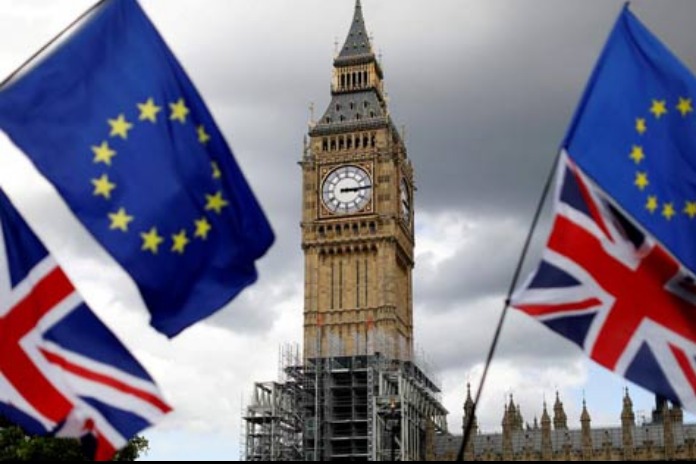
The agreement’s primary objective, as articulated by Davis, is to pave the way for a robust free-trade arrangement that eliminates tariffs on goods. He enthusiastically characterized the desired outcome as a "Canada plus plus plus" deal. This ambitious aspiration draws inspiration from the comprehensive free trade agreement between Canada and the EU, but Davis envisions an even more expansive scope for the UK. Crucially, his vision includes the inclusion of financial services within this tariff-free framework, a move deemed essential for safeguarding one of Britain’s most lucrative sectors. The City of London, a global financial hub, and its associated multi-billion-dollar banking cluster are cornerstones of the British economy, and their continued competitiveness is a paramount concern for the government.
Davis further elaborated on his preference for a bespoke Brexit deal, stating, "We’ll probably start with the best of Canada, and the best of Japan and the best of South Korea and then add to that the bits that are missing which is the services." This approach underscores a desire to cherry-pick the most advantageous elements from existing international trade agreements and tailor them to Britain’s specific economic needs, with a particular emphasis on services. This strategy suggests a willingness to explore innovative trade models that go beyond traditional goods-focused agreements.

Timeline of Key Brexit Developments
The journey to this point has been a protracted and often contentious one. Following the historic referendum on June 23, 2016, where 51.9% of voters opted to leave the European Union, the UK government triggered Article 50 of the Treaty on European Union on March 29, 2017, initiating the two-year countdown to departure. This triggered a period of intense negotiation, often characterized by political divisions within the UK and complex legal and economic considerations.
- June 23, 2016: UK votes to leave the EU in a referendum.
- March 29, 2017: Prime Minister Theresa May triggers Article 50, formally beginning the withdrawal process.
- December 8, 2017: A preliminary agreement is reached in Brussels on the terms of the UK’s withdrawal, including citizens’ rights, the financial settlement, and the border between Northern Ireland and the Republic of Ireland. This agreement allows for the commencement of trade talks.
- December 11, 2017: Brexit Secretary David Davis expresses optimism about a future trade deal and a reduced risk of a no-deal Brexit.
Economic Implications and the "Canada Plus Plus Plus" Vision
The pursuit of a comprehensive free trade agreement is driven by the economic imperative to maintain and enhance Britain’s global trading position post-Brexit. The UK economy, heavily reliant on services, particularly financial services, faces significant challenges in adapting to a new trading relationship with its largest market. The "Canada plus plus plus" concept aims to mitigate these challenges by ensuring preferential access for British businesses.

Supporting Data:
- The financial services sector contributed approximately £132 billion to the UK economy in 2016, representing 7% of total UK GDP.
- The EU accounts for approximately 45% of UK exports, making it the UK’s largest trading partner.
- Tariffs, even at relatively low rates, can significantly impact the competitiveness of goods and services, potentially leading to increased costs for consumers and businesses.
The inclusion of financial services in a tariff-free trade deal is particularly significant. Currently, UK financial institutions benefit from "passporting rights," which allow them to operate freely across the EU single market. The loss of these rights post-Brexit could necessitate costly restructuring and reduced market access for British firms. Davis’s vision suggests an attempt to negotiate a bespoke arrangement that preserves a substantial degree of this access.

The Northern Ireland Border: A Persistent Challenge
A central and highly sensitive issue in the Brexit negotiations has been the border between Northern Ireland, which is part of the UK, and the Republic of Ireland, which will remain an EU member. The commitment to maintaining a frictionless and invisible border, as reiterated by Davis, is paramount to the Good Friday Agreement, which brought an end to decades of conflict in Northern Ireland.
The preliminary agreement in Brussels included provisions for the border, though the exact mechanisms remain a subject of ongoing discussion and potential future refinement. Davis assured that a solution would be found, even in the event of a "no-deal" Brexit, suggesting that contingency plans are being developed to avoid a hard border. The implications of a hard border are significant, potentially disrupting trade, impacting local communities, and risking a resurgence of political instability. The EU, for its part, has insisted on maintaining the integrity of its single market and customs union, making a frictionless border without the UK remaining within these structures a complex challenge.

Opposition’s Perspective and Future Political Landscape
The main opposition Labour Party, through its Brexit spokesman Keir Starmer, has articulated a different vision for Britain’s future relationship with the EU. Starmer has emphasized the desire for a partnership that preserves the benefits of the European single market and the customs union. This stance reflects a concern that the current government’s approach may lead to economic dislocation and a weaker trading position for the UK. Labour’s position suggests a preference for a closer economic alignment with the EU than the current Conservative government appears to be pursuing.
Prime Minister Theresa May is expected to convene a formal cabinet meeting in the coming days to discuss the progress of the Brexit talks. This meeting will be crucial for consolidating the government’s position and outlining the next steps in the negotiation process. The preliminary agreement includes a divorce bill of approximately 39 billion pounds (52.2 billion U.S. dollars), but the final payment is contingent upon the successful negotiation of a future trade deal. This financial aspect underscores the interconnectedness of the withdrawal and future relationship negotiations, with significant economic consequences tied to the outcome of both.

Broader Impact and Future Outlook
The successful negotiation of a comprehensive trade deal within a year would represent a significant achievement for the UK government and could provide much-needed clarity and stability for businesses and citizens. It would signal a move towards a more predictable post-Brexit economic landscape. However, the path ahead remains fraught with challenges. The details of the trade agreement, particularly concerning services and regulatory alignment, will be critical in determining the long-term economic impact of Brexit.
Furthermore, the political ramifications of the ongoing negotiations are substantial. Divisions within the UK parliament and among the public regarding the nature of the UK’s relationship with the EU are likely to persist. The ability of the government to secure a deal that is acceptable to both the EU and a majority in the UK parliament will be a key determinant of the country’s future trajectory. The statement from David Davis, while optimistic, highlights the ambitious nature of the task ahead, requiring skillful diplomacy and a willingness to compromise from both sides to achieve a mutually beneficial outcome. The coming months will be crucial in determining whether the "Canada plus plus plus" vision can be translated into a tangible and beneficial trade agreement for Britain.


 Nana Wu
 Suro Senen