Nana
Nana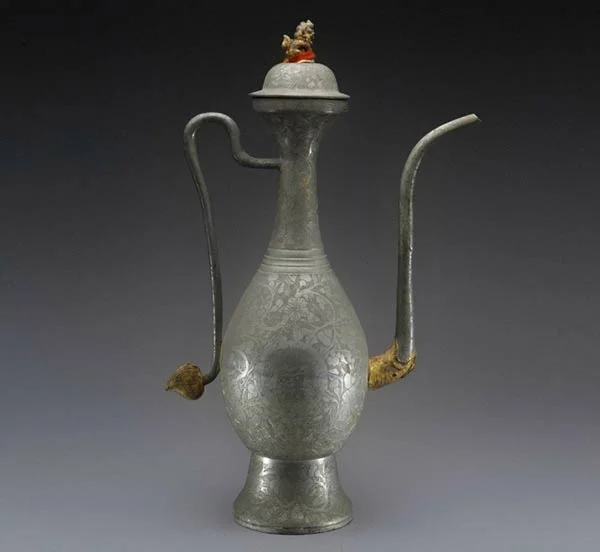
As the 21st solar term of the year, Major Snow (Daxue), arrives this Thursday, signaling a significant drop in temperatures and the onset of heavier snowfall, a palpable sense of winter’s embrace settles across the land. This traditional period, deeply embedded in agricultural and cultural calendars, evokes images of cozy hearths and the warming comfort of shared spirits. In anticipation of this wintry transition and to celebrate the enduring cultural significance of this season, the Palace Museum in Beijing has generously shared a curated selection of its exquisite collection of ancient wine vessels with the public via its official microblog on Sina Weibo. This initiative offers a fascinating glimpse into China’s rich history of winemaking and the artistry surrounding its consumption, connecting contemporary audiences with millennia-old traditions.
A Glimpse into Ancient Conviviality and Craftsmanship
The Palace Museum’s digital exhibition, accessible to netizens worldwide, showcases a diverse array of artifacts that highlight the evolution of wine vessels throughout Chinese history. Among the featured items are gong, ancient wine vessels typically shaped in animalistic forms, which enjoyed considerable popularity from the late Shang Dynasty (c. 16th century – 11th century BC) through the early Western Zhou Dynasty (c. 11th century – 771 BC). These gong were not merely utilitarian objects but also served as potent symbols of status, power, and ritualistic significance. Their anthropomorphic and zoomorphic designs often reflected beliefs about the cosmos, the natural world, and the divine, underscoring the integral role of wine in ancient ceremonies and aristocratic life.
Complementing the gong are wine pots, characterized by their distinctive long necks, ample bellies, and rounded feet. These vessels, designed for both storage and pouring, demonstrate a practical elegance that has persisted through centuries. The selection presented by the Palace Museum offers a tangible connection to the lives of those who lived in imperial China, providing insights into their social customs, aesthetic sensibilities, and technological advancements in metallurgy and craftsmanship.
The Historical Tapestry of Chinese Wine Vessels
The history of winemaking and the vessels used to contain and serve it in China stretches back thousands of years, intertwined with the very fabric of its civilization. Archaeological evidence suggests that fermentation of grains and fruits for alcoholic beverages dates back to as early as the Neolithic period. By the Shang and Zhou Dynasties, wine, often brewed from grains like millet, had become a central element in religious rituals, ancestral worship, and courtly banquets. The intricate bronze gong from this era, often adorned with elaborate motifs such as taotie masks and mythical creatures, are testament to the sophisticated bronzeworking techniques of the time and the profound symbolic importance attributed to these vessels. These artifacts were often unearthed from the tombs of royalty and high-ranking officials, indicating their status as precious possessions, imbued with spiritual and social meaning.
The development continued through subsequent dynasties. The Han Dynasty (206 BC – 220 AD) saw advancements in ceramic technology, leading to the production of more refined wine ewers and cups. During the Tang Dynasty (618-907 AD), with increased trade and cultural exchange, especially along the Silk Road, new varieties of wine and drinking customs were introduced. Porcelain, a quintessential Chinese invention, began to feature prominently in tableware, including wine vessels, admired for their delicate beauty and hygienic properties.
The Ming (1368-1644 AD) and Qing (1644-1911 AD) Dynasties, periods of great imperial prosperity and cultural flourishing, witnessed the creation of some of the most exquisite wine vessels. The Palace Museum’s collection, largely drawn from the imperial collections of these later dynasties, reflects this pinnacle of craftsmanship. The mentioned tin-made wine pot from the Qing Dynasty, for instance, showcases the mastery of metalwork, likely intended for practical use by the imperial household or nobility, while still maintaining a high degree of aesthetic refinement. These later vessels often incorporated a wider range of materials, including silver, gold, jade, and cloisonné, in addition to ceramics and tin, demonstrating a diverse palette of artistic expression.
The Palace Museum’s Digital Outreach: Bridging Past and Present
The Palace Museum, a UNESCO World Heritage site and one of the world’s most visited museums, has increasingly embraced digital platforms to disseminate its vast cultural heritage. This initiative to share images of wine vessels on Sina Weibo is part of a broader strategy to engage younger generations and a global audience. By presenting these historical artifacts in a readily accessible format, the museum aims to foster a deeper appreciation for China’s rich material culture and its connection to seasonal traditions.
The choice to coincide this unveiling with the Major Snow solar term is particularly poignant. In traditional Chinese culture, winter is a season of introspection, rest, and gathering. The practice of warming wine, often enjoyed with friends and family around a crackling fire, embodies the spirit of communal warmth and shared comfort during the coldest months. The featured wine vessels, therefore, become more than just historical objects; they are catalysts for imagining past convivial moments and understanding the enduring human desire for connection and solace in the face of nature’s might.
Supporting Data and Context
The Palace Museum houses an unparalleled collection of imperial artifacts, numbering over 1.8 million items. Within this vast repository, thousands of objects relate to the production, storage, and consumption of alcoholic beverages. These range from large ceremonial bronze vessels dating back over three millennia to delicate porcelain ewers and cups from the imperial kilns of Jingdezhen. The sheer volume and diversity of these artifacts underscore the central role that wine and its associated accoutrements played in Chinese courtly life, religious practices, and social customs for centuries.
Historically, the production of wine in China varied. While grain-based wines (like huangjiu, often translated as yellow wine) were prevalent for millennia, the introduction of grape cultivation and winemaking techniques, particularly during periods of increased contact with Western Asia and later Europe, broadened the scope of Chinese alcoholic beverages. The vessels themselves evolved to accommodate these different types of drinks, with considerations for temperature control, aroma preservation, and ease of pouring.
The Shang Dynasty bronzes, for example, are often incredibly heavy and were likely used in ritualistic contexts, where wine played a crucial role in communicating with ancestors and deities. The intricate designs, often featuring animal motifs, were believed to ward off evil spirits and appease the gods. The Western Zhou Dynasty continued this tradition, with bronze vessels becoming even more elaborate and serving as important markers of social hierarchy and political power.
By the Tang Dynasty, porcelain vessels gained prominence. These were lighter, more aesthetically pleasing, and easier to clean, making them suitable for everyday use as well as for more formal occasions. The famous celadon glazes and the development of blue-and-white porcelain during later dynasties further enhanced the beauty and desirability of these wine containers.
The Qing Dynasty, particularly the reigns of Kangxi, Yongzheng, and Qianlong, is considered a golden age for imperial ceramics and metalwork. The imperial workshops in Beijing and Jingdezhen produced an astonishing array of finely crafted objects, including wine vessels made from porcelain, jade, enamel, and precious metals. These items were often commissioned for the emperor, empress, and other members of the imperial family, and their exquisite craftsmanship reflects the immense wealth and artistic sophistication of the era. The tin wine pot mentioned in the original article, while perhaps not as visually opulent as some jade or gold pieces, would have represented a high-quality, functional item for its time, showcasing the versatility of materials used in imperial households.
Broader Impact and Implications
The Palace Museum’s digital engagement serves several important functions. Firstly, it democratizes access to cultural heritage, allowing individuals who cannot physically visit Beijing to experience the richness of China’s artistic and historical legacy. This is particularly relevant in an era of increasing global interconnectedness.
Secondly, it fosters cultural dialogue. By sharing these artifacts, the Palace Museum invites international audiences to learn about Chinese traditions, historical practices, and aesthetic values. This can help to break down cultural barriers and promote mutual understanding.
Thirdly, it contributes to the preservation and study of cultural heritage. By documenting and disseminating images of its collection, the museum creates a digital archive that can be used by researchers, educators, and the general public for years to come. Furthermore, such public engagement can generate increased interest in museum visits and in the broader field of cultural heritage preservation.
The timing of this exhibition, coinciding with the Major Snow solar term, is a subtle yet effective way to connect ancient traditions with contemporary life. It reminds us that while the world has changed dramatically, the human desire for warmth, comfort, and connection during the winter months remains a constant. The artistry of these ancient wine vessels speaks to a time when such desires were met with exquisite craftsmanship and deeply ingrained cultural practices.
The implications of this digital outreach extend beyond mere historical curiosity. It highlights the evolving role of museums in the 21st century, moving beyond passive exhibition to active engagement and digital dissemination. This approach is crucial for ensuring that cultural heritage remains relevant and accessible to future generations, particularly in a world increasingly dominated by digital media. The Palace Museum’s initiative sets a precedent for how other cultural institutions can leverage technology to share their treasures and connect with a global audience, transforming how we learn about and appreciate history. By presenting these artifacts not just as objects of antiquity, but as symbols of enduring human experiences and traditions, the Palace Museum is ensuring that the whispers of ancient conviviality continue to resonate in the modern age, especially as winter’s chill deepens.

 Asep Darmawan
 Rifan Muazin