Rifan Muazin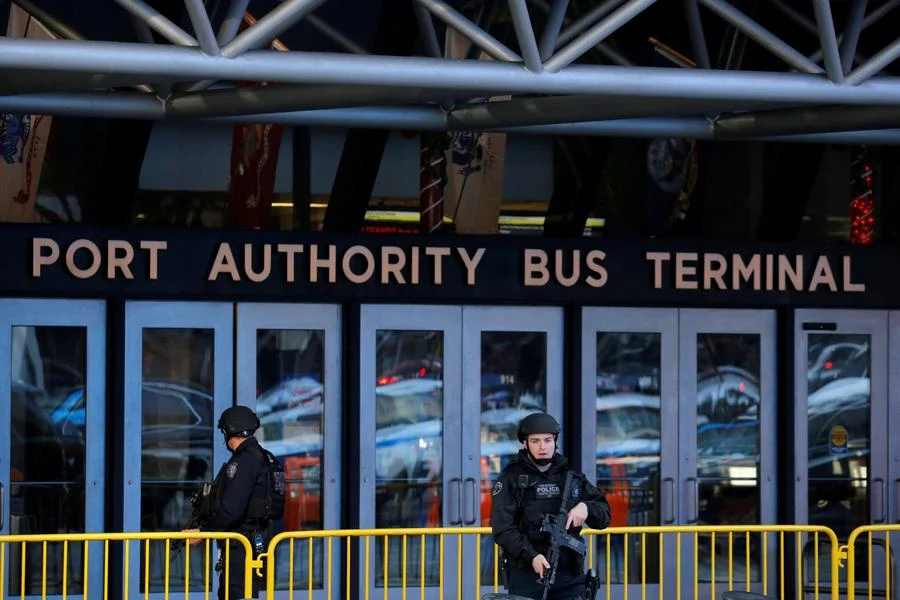
By WANG LINYAN and ZHANG RUINAN
A rudimentary explosive device detonated in a busy subway passageway beneath Times Square and the Port Authority Bus Terminal in Midtown Manhattan on Monday morning, an incident New York City officials swiftly characterized as an attempted terrorist attack. The blast, which occurred at approximately 7:20 AM during the peak of the morning commute, injured the alleged perpetrator and three bystanders. The event sent shockwaves through the city, disrupting transit and prompting heightened security measures.
The suspect, identified by authorities as Akayed Ullah, a 27-year-old Bangladeshi national residing in Brooklyn, sustained serious injuries and was transported to Bellevue Hospital Center for treatment. The device, described by officials as a "pipe bomb" and a "crude explosive," was reportedly affixed to Ullah’s body using Velcro and zip ties. The explosion, though partially detonated, caused significant panic and disruption within one of the nation’s busiest transportation hubs.
The Incident Unfolds Amidst Morning Commute
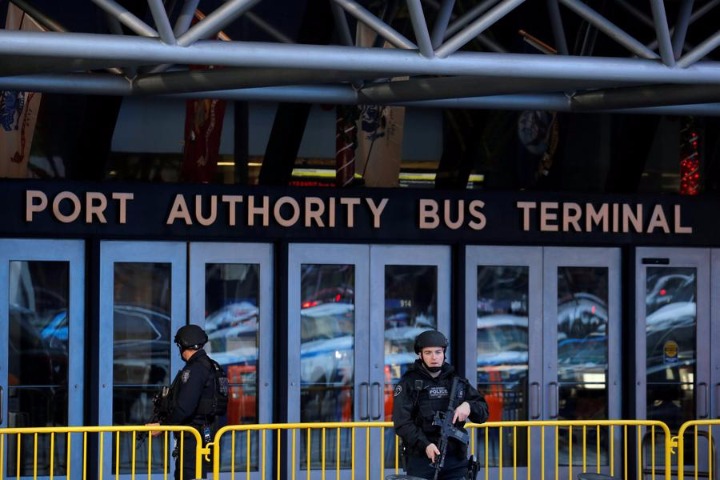
The explosion occurred in a subterranean corridor connecting the Times Square-42nd Street subway station complex to the Port Authority Bus Terminal, a critical artery for millions of commuters daily. At the time of the blast, the area was teeming with individuals traveling to work and other destinations. The immediate aftermath saw a chaotic scene, with commuters fleeing the area in fear and law enforcement and emergency services converging on the location.
Authorities reported that two commuters and a Port Authority police officer sustained non-life-threatening injuries. These injuries were attributed to the blast itself and the subsequent panic and stampede that ensued. The swift response of emergency personnel, including the New York City Fire Department and the New York Police Department (NYPD), was credited with preventing further casualties.
Official Response and Investigation
Mayor Bill de Blasio, speaking at a press conference held shortly after the incident, unequivocally labeled the explosion as an attempted terrorist attack. "This was an attempted terrorist attack," de Blasio stated, emphasizing that the choice of location and timing was deliberate, aimed at inflicting maximum disruption and fear. He assured the public that no other explosive devices had been discovered and that the city’s security agencies were working diligently to ensure public safety.
Governor Andrew Cuomo, also present at the press conference, echoed the Mayor’s sentiments, condemning the act of violence and reaffirming the resilience of New Yorkers. "The terrorists want to undermine that," Governor Cuomo remarked, referring to the diverse and interconnected nature of New York City. "They yearn to attack New York City." He praised the quick actions of the Port Authority Police officer who confronted the suspect, potentially preventing a more catastrophic outcome.

The Federal Bureau of Investigation (FBI) and the Department of Homeland Security (DHS) were immediately involved in the investigation, working in conjunction with the NYPD and other local agencies. Initial reports suggested that the device may have malfunctioned or detonated prematurely, limiting its destructive potential. Investigators were reportedly examining the remnants of the explosive device for clues about its construction and Ullah’s potential motives and connections.
Suspect Profile and Background
Akayed Ullah, the suspected perpetrator, was identified as a resident of Brooklyn and a native of Bangladesh. While initial reports indicated he acted alone, investigators were exploring his background, including his immigration status, employment history, and any potential links to extremist ideologies or groups. The motive behind the attack remained under active investigation, but the targeting of a major transit hub during rush hour pointed towards an intent to cause widespread fear and disruption.
The use of a "homemade explosive device" suggested a degree of premeditation and an attempt to circumvent conventional security measures. The affixing of the device to his body indicated a potential suicide mission, although the premature detonation may have altered the intended outcome. Information regarding Ullah’s recent activities, travel history, and online presence was being scrutinized by intelligence agencies.
Impact on Commuters and City Infrastructure
The explosion triggered immediate disruptions across the city’s transit system. Several subway lines serving the Times Square-42nd Street station were temporarily suspended or rerouted, causing significant delays and stranding thousands of commuters. The Port Authority Bus Terminal also experienced temporary closures and diversions, impacting bus services to and from the metropolitan area.

Eyewitness accounts painted a picture of confusion and fear. Monica Gannon, a commuter who had planned to take a bus to New Jersey, expressed her relief at having waited before boarding. "We are stuck here," Gannon said, describing the uncertainty and the desire to return home. "Now we are waiting for all this to be over and go back home."
Alicia Carmona, who was evacuated from the terminal, recounted her harrowing experience. "It was terrible, and I was so scared when I saw some people running," she said. Carmona, who was scheduled to pick up her niece from LaGuardia Airport, found her plans disrupted due to the transit closures and the ongoing security situation.
The incident underscored the vulnerability of public transportation systems to terrorist threats and the challenges of maintaining security in densely populated urban environments. The swift deployment of law enforcement personnel and the activation of counter-terrorism protocols were crucial in managing the immediate crisis and restoring a semblance of order.
Broader Context and Implications
The attempted bombing in New York City occurred against a backdrop of heightened global concerns about terrorism. In recent years, various cities worldwide have faced similar attacks targeting public spaces and transportation networks. The incident served as a stark reminder that even sophisticated security measures can be challenged by determined individuals or groups.

New York City, as a global financial and cultural hub, has long been a target of interest for terrorist organizations. The city’s diverse population and its symbolic significance as a beacon of democracy and freedom make it a prime target for those seeking to sow discord and spread fear. Mayor de Blasio’s remarks about New York being a "beacon of the world" and a testament to the successful coexistence of diverse communities resonated with the city’s identity and its resolve to resist such attacks.
The incident also highlighted the ongoing efforts by law enforcement and intelligence agencies to counter the threat of homegrown terrorism. The reliance on rudimentary explosives and the potential for individuals to radicalize online present complex challenges for prevention and intervention.
Supporting Data and Analysis
While specific details regarding the explosive device were still emerging, reports indicated it was a crude pipe bomb, a common feature in improvised explosive devices (IEDs). The effectiveness of such devices can vary greatly depending on their construction and the amount of explosive material used. However, even a small explosion in a confined space like a subway passageway can cause significant injuries and panic.
The Port Authority Bus Terminal, a critical infrastructure node, handles an estimated 250,000 passengers and 5,000 buses daily. The Times Square-42nd Street subway station is one of the busiest transit hubs in the world, serving 13 subway lines and accommodating millions of passengers annually. The choice of this location for an attack was clearly intended to maximize disruption and impact.

The injured parties, two commuters and a Port Authority police officer, represent the potential victims of such attacks. The fact that their injuries were non-life-threatening underscores the possibility that the device may not have been fully operational or that the perpetrator’s intent was not solely to inflict mass casualties, but also to create terror and disruption.
A City’s Resilience
New York City has a history of confronting and overcoming adversity, including terrorist attacks. The response to the Monday morning incident demonstrated the city’s enduring spirit and its commitment to maintaining its open and inclusive character. While the event was unsettling, the swift response of emergency services, the clear communication from city officials, and the resilience of its residents were all crucial in managing the aftermath.
The investigation into Akayed Ullah’s motives and any potential accomplices was ongoing, with authorities vowing to pursue all leads. The incident served as a critical reminder of the persistent threat of terrorism and the importance of vigilance and preparedness. The city’s ability to absorb such shocks and continue to function underscores its remarkable resilience.
The aftermath of the explosion saw a renewed focus on security at public transportation facilities across the nation. Federal and local agencies were reviewing their security protocols and enhancing their presence in key transit hubs. The incident was expected to fuel ongoing debates about counter-terrorism strategies, immigration policies, and the challenges of preventing radicalization in the digital age. The resolve of New Yorkers to remain a symbol of diversity and openness, as articulated by their mayor, remained a powerful counter-narrative to the forces of terror.


 Nana Wu
 Suro Senen