Nana Muazin
China is reportedly mulling a bid to host the United Nations climate talks in 2028, known as COP33, a move that could significantly reshape global climate diplomacy and burnish Beijing’s image as a leading force in the fight against global warming. This potential bid, confirmed by two sources familiar with the discussions to AFP on Friday, represents a strategic play by the world’s second-largest economy to assert its influence on the international stage, particularly in an area where it has both immense challenges and significant capabilities. The proposal, first reported by Bloomberg News, is still in its early stages, with no final decision made by Beijing nor a clear timeline for such an announcement. The selection of the host nation for COP33 is not an immediate requirement, allowing time for internal deliberation and regional consultations.
Understanding the UN Climate Talks (COPs)
The United Nations Climate Change Conferences, or COPs (Conference of the Parties), are annual summits held under the auspices of the UN Framework Convention on Climate Change (UNFCCC). Established in 1992, the UNFCCC is an international environmental treaty addressing climate change, with the ultimate objective of stabilizing greenhouse gas concentrations in the atmosphere at a level that would prevent dangerous anthropogenic interference with the climate system. The COPs serve as the supreme decision-making body of the Convention, bringing together heads of state, ministers, negotiators, scientists, businesses, and civil society representatives from nearly every country in the world to negotiate and agree on policies to tackle climate change.

These conferences are critical for advancing global climate action, reviewing progress, and making decisions to implement the UNFCCC and, more recently, the Paris Agreement. The Paris Agreement, adopted at COP21 in 2015, is a legally binding international treaty on climate change, aiming to limit global warming to well below 2 degrees Celsius, preferably to 1.5 degrees Celsius, compared to pre-industrial levels. Hosting a COP is a prestigious and logistically demanding undertaking, often seen as an opportunity for the host nation to demonstrate its commitment to environmental stewardship, foster international cooperation, and showcase its own climate initiatives and green technologies.
The Rotation System and the Asia-Pacific Slot
The selection of the host country for the annual UN climate gatherings operates on a rotational basis among five regional groups: Africa, Asia-Pacific, Eastern Europe, Latin America and the Caribbean (GRULAC), and Western Europe and Others (WEOG). This system ensures equitable geographical representation over time. Following a predetermined sequence, the 2028 summit, COP33, is allocated to the Asia-Pacific regional group. This systematic approach ensures that different parts of the world get to host and shape the climate agenda, bringing diverse perspectives and priorities to the forefront.
For instance, COP31 is scheduled to take place in Turkey, followed by COP32 in Ethiopia in 2027, representing the Eastern European and African blocs, respectively. The Asia-Pacific region’s turn for COP33 has seen some prior interest and withdrawals. Notably, India had initially expressed interest in hosting COP33 but withdrew its offer in April without providing specific reasons. This withdrawal opened the door for other nations within the Asia-Pacific bloc to put forward their bids. South Korea has also previously signaled its interest in hosting, setting up a potential competition should China formally proceed with its bid. The Chinese embassy in Washington did not immediately respond to requests for comment regarding the potential bid, reflecting the preliminary nature of the discussions.
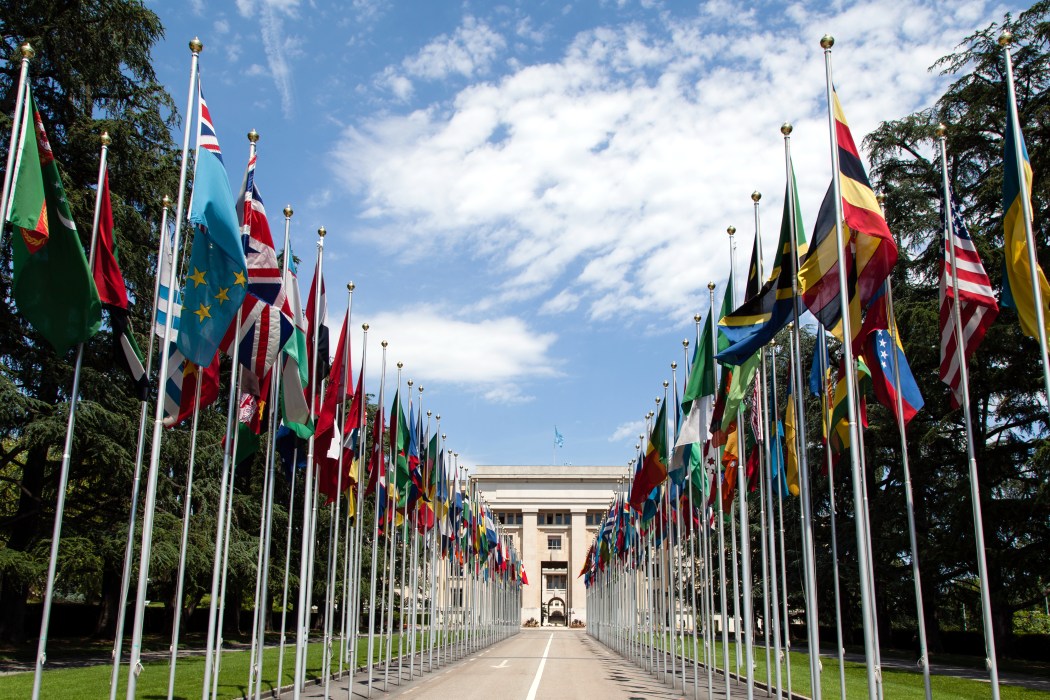
The UNFCCC secretariat, the body responsible for organizing the climate conferences, confirmed the procedural steps for host country selection. A spokesperson told AFP, "We have not been informed by the Asia-Pacific Regional Group on the nomination of the host country for COP33." The secretariat emphasized that "Regional groups hold consultations first to determine which country from their respective regions will offer to host on behalf of the group. Once agreed, the chair of that regional group formally sends an official nomination to the secretariat." This indicates that China’s internal deliberations would need to be followed by a consensus-building process within the Asia-Pacific group before an official nomination could be forwarded.
China’s Strategic Rationale: Global Leadership and Green Ambitions
China’s potential bid to host COP33 in 2028 is underpinned by a complex interplay of geopolitical ambitions, economic interests, and a desire to project global leadership. In recent years, Beijing has actively sought to position itself as a counterweight to the United States on various international issues, including climate change. This ambition has become particularly pronounced during periods when the U.S. has appeared to waver in its commitment to global climate action.
Under former President Donald Trump, the U.S. withdrew from the landmark Paris Agreement not once but twice, signaling a significant departure from international climate efforts and prioritizing domestic fossil fuel production. This created a vacuum in global climate leadership that China, despite its own substantial emissions profile, has been eager to fill. Hosting UN climate talks would provide China with a prominent platform to boost its credentials as a climate leader, showcasing its domestic efforts and advocating for its preferred approach to global climate governance.

Economically, China stands to benefit significantly from its leadership in green technologies. The country has emerged as the world’s leading exporter of a wide array of renewable energy and electric vehicle components, including solar panels, wind turbines, electric vehicles, and advanced batteries. According to the International Energy Agency (IEA), China accounts for over 80% of global solar PV manufacturing capacity and a significant share of global wind turbine production. It also dominates the electric vehicle battery supply chain. Hosting COP33 would offer an unparalleled opportunity to showcase these technological advancements to a global audience, potentially stimulating further international demand for Chinese green products and fostering partnerships in the burgeoning global green economy. This aligns with China’s broader industrial strategy to dominate key strategic emerging industries.
The Unwelcome Spotlight: China’s Climate Record and Challenges
While hosting COP33 offers immense opportunities for China, it also comes with a significant challenge: the "unwelcome spotlight" on its own environmental record. With a population of over 1.4 billion and a massive manufacturing industry that underpins global supply chains, China is by far the world’s largest emitter of greenhouse gases, accounting for approximately 27% of global CO2 emissions. This fact often overshadows its impressive investments in renewable energy and its ambitious long-term climate pledges.
China has pledged to achieve carbon neutrality before 2060 and to peak its economy-wide greenhouse gas emissions before 2030. These are significant commitments, especially for a developing economy. However, the immediate targets are often seen as less ambitious. For instance, the country has targeted only a modest 7-10 percent reduction in economy-wide greenhouse gas emissions by 2035 compared to peak levels, a target that critics argue could allow for continued growth in emissions in the short to medium term. Furthermore, despite its renewable energy boom, China remains heavily reliant on coal for its energy security, continuing to approve and build new coal-fired power plants. This dual track of aggressive renewable deployment alongside persistent coal use presents a complex narrative that would undoubtedly face intense scrutiny from international delegates, environmental groups, and media if China were to host the climate summit. The host nation is typically expected to set a strong example, and China would need to navigate these complexities carefully to maintain credibility.

Geopolitical Dynamics: The US-China Climate Relationship
The potential timing of COP33 in 2028 adds another layer of geopolitical complexity, particularly concerning the critical US-China relationship. Climate cooperation has historically been a rare but significant area of collaboration between the two global powers, particularly under former Presidents Joe Biden and Barack Obama. These periods saw joint declarations and agreements that helped build momentum for international climate action, including the lead-up to the Paris Agreement.
However, this cooperation has been punctuated by periods of tension and disruption. Alden Meyer, a senior associate at the climate change think tank E3G, aptly noted that "The dynamics between the US and China have been a force for both progress and tension over the 35-year history of the climate regime, and the larger US-China relationship will continue to be challenging regardless of the outcome of the next election."
The 2028 summit would likely fall just days after the U.S. presidential election to replace the incumbent, potentially setting the stage for a dramatic shift in U.S. climate policy. If a Democrat were to be elected, it could spur renewed climate collaboration between the U.S. and China, potentially injecting significant momentum into global climate negotiations at COP33. Conversely, if a Republican administration, particularly one led by a figure like Donald Trump, were to take office, it could lead to a rollback of U.S. climate commitments and heightened geopolitical tensions, making China’s role as host even more challenging and potentially isolating. The optics of China hosting the world’s premier climate conference while the U.S. potentially disengages would be a powerful symbol of shifting global power dynamics.

Implications for Global Climate Governance
Should China proceed with and win the bid to host COP33, the implications for global climate governance would be profound. It would solidify China’s position at the forefront of international climate diplomacy, allowing it to shape the agenda, influence narratives, and potentially broker agreements in ways that align with its national interests and development model. This could lead to a greater emphasis on technological solutions, green industrial policy, and South-South cooperation, areas where China has significant expertise and influence.
However, it would also place an unprecedented level of responsibility and scrutiny on China. As host, Beijing would be expected to facilitate an ambitious outcome, bridging divides between developed and developing nations, and encouraging stronger commitments from all parties. Its own climate policies, particularly its reliance on coal and its short-to-medium-term emissions trajectory, would be under an intense magnifying glass. Success would require China to demonstrate not just leadership in rhetoric and technology, but also concrete progress on its domestic emissions reductions and a willingness to engage transparently with international concerns.
Moreover, the sheer scale and logistical demands of hosting a COP are immense. Thousands of delegates, observers, and media personnel descend upon the host city, requiring extensive infrastructure, security, and organizational capacity. China, with its proven ability to host large-scale international events, certainly possesses the logistical prowess. However, the political management of such a diverse and often contentious gathering would be a significant test of its diplomatic capabilities.

In conclusion, China’s reported interest in hosting COP33 in 2028 is more than just an offer to provide a venue; it is a strategic maneuver with far-reaching implications. It signals China’s intent to assert itself as a principal architect of global climate solutions, leverage its economic power in green technologies, and navigate the complex geopolitical landscape, particularly in relation to the United States. While presenting an opportunity to advance its global standing, it also opens Beijing to unprecedented scrutiny regarding its own environmental record, setting the stage for a fascinating and potentially pivotal moment in the ongoing global effort to address climate change.


 Sagoh
Sagoh
 Asro
Asro