Jia Lissa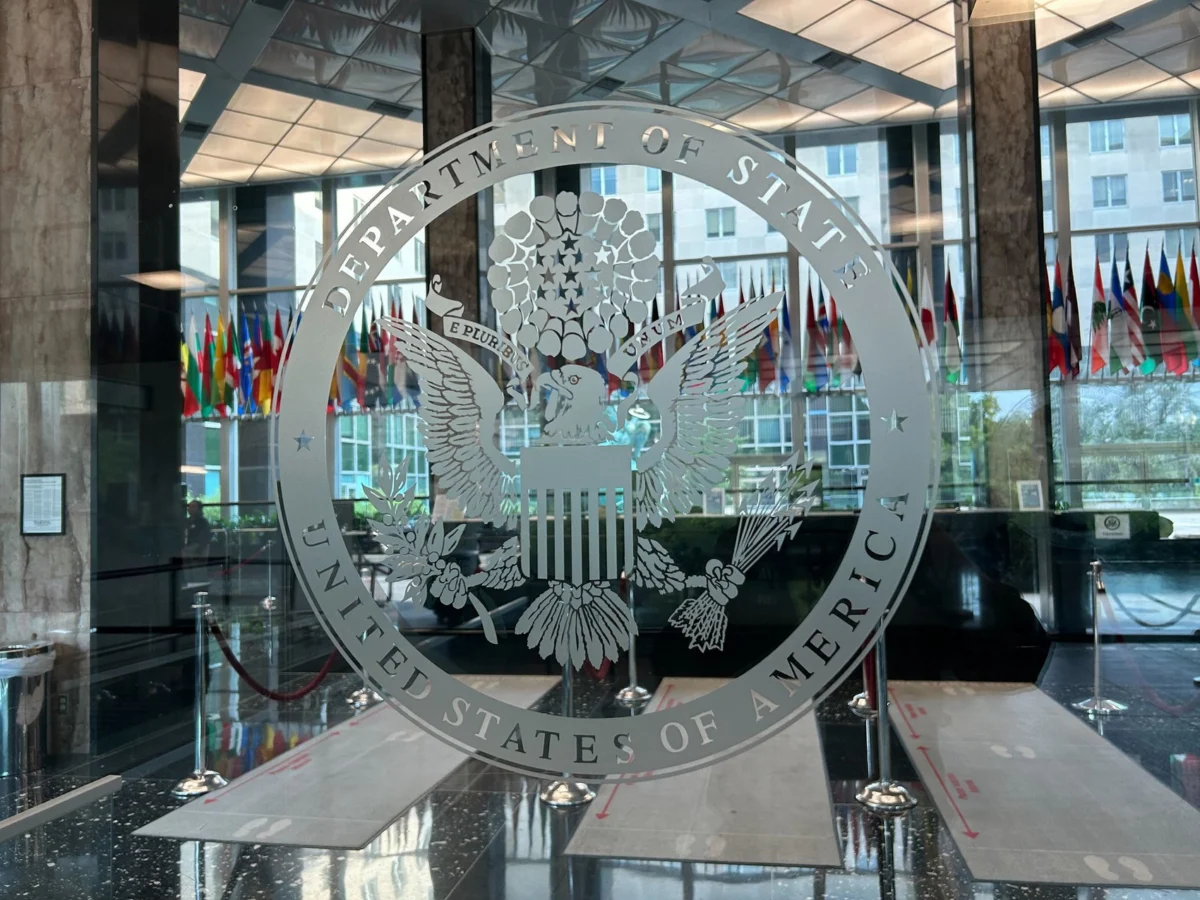
Beijing, China – China vehemently refuted claims from Washington on Friday that it has improperly held a United States citizen since early June, asserting that the American individual is suspected of violating Chinese law. The diplomatic spat comes at a particularly sensitive juncture, just weeks before a highly anticipated meeting between Chinese leader Xi Jinping and US President Donald Trump, underscoring the persistent friction in an already complex bilateral relationship. The US State Department had, on Thursday, officially designated Min Zin as "wrongfully detained," a move that significantly escalates the diplomatic pressure on Beijing.
Beijing’s Official Rebuttal and Legal Justification
During a routine press conference in Beijing, Chinese foreign ministry spokesman Lin Jian addressed the US accusation directly and forcefully. "China is a country governed by the rule of law, and there is no such thing as so-called wrongful detention," Lin stated, pushing back against the US State Department’s characterization of Min Zin’s custody. His remarks reiterated Beijing’s long-standing position on its judicial independence and sovereignty, often invoked when foreign governments raise concerns about the detention of their citizens.

Lin elaborated on China’s justification for Min Zin’s detention, asserting, "It is understood that the relevant US individual in question is suspected of engaging in activities that endanger China’s national security, thereby violating Chinese law." He further affirmed that "The Chinese judicial authorities are handling the case in accordance with the law," implying that due process is being followed under China’s legal framework. This framing of the issue as a matter of national security and adherence to domestic law is a standard response from Beijing when facing international criticism regarding detentions, especially those involving foreign nationals. The specific nature of the alleged activities that "endanger China’s national security" was not disclosed, a common practice in cases deemed sensitive by Chinese authorities. Such lack of transparency often fuels concerns from international observers and governments about the fairness and impartiality of the judicial process.
The US Designation: What "Wrongfully Detained" Signifies
The US State Department’s decision to designate Min Zin as "wrongfully detained" is not merely a rhetorical stance; it carries significant diplomatic weight and triggers specific governmental actions. This designation, authorized under the Robert Levinson Hostage Recovery and Hostage-taking Accountability Act, signifies that the US government believes a foreign government is detaining an American citizen unlawfully or unjustly, often for political leverage or without adherence to international legal norms. Such a classification allows the US government to dedicate additional resources and diplomatic tools to secure the individual’s release, including direct negotiations, sanctions, and public advocacy. It elevates the case from a routine consular matter to a high-priority national security concern.
The criteria for such a designation typically include a lack of credible evidence for the charges, denial of fair trial guarantees, politically motivated charges, or conditions of detention that violate international human rights standards. While the State Department did not publicly detail the specific reasons behind Min Zin’s designation, the very act implies a strong belief that his detention falls outside acceptable legal and humanitarian parameters, as understood by international law and US standards. This move is often seen as a critical step in escalating diplomatic pressure, signaling to the detaining country that the US considers the matter a grave bilateral issue rather than a purely internal legal affair.

Profile of Min Zin: Scholar, Advocate, and the Institute for Strategy and Policy Myanmar
Min Zin is a prominent figure in the field of Southeast Asian studies, particularly renowned for his expertise on Myanmar. He is the founder and executive director of the Institute for Strategy and Policy Myanmar (ISP-M), a leading independent think tank dedicated to comprehensive research on the intricate political, resource, and conflict dynamics within Myanmar. Established to provide in-depth analysis and policy recommendations, ISP-M’s work is crucial for understanding a nation plunged into civil war following the military coup in February 2021.
His research and that of ISP-M have focused extensively on the complex interplay of internal and external forces shaping Myanmar’s trajectory. This includes detailed examinations of the internal political struggles between the military junta and various pro-democracy and ethnic armed organizations, the exploitation of natural resources, and the widespread conflicts that have displaced millions. Crucially, some of ISP-M’s publications have delved into China’s substantial and multifaceted influence in Myanmar’s borderlands. These analyses often explore Beijing’s strategic interests in the region, including its Belt and Road Initiative projects, cross-border trade, and its alleged support for certain ethnic armed factions. Such research, while vital for informed policy-making and academic understanding, can be perceived as sensitive by countries like China, especially when it touches upon geopolitical influence and internal affairs of neighboring states. Min Zin’s work, by shedding light on these intricate relationships, may have inadvertently placed him in a precarious position given Beijing’s heightened sensitivities regarding national security.
The Yunnan Connection: Geopolitical Significance of the Border Region

Min Zin was taken into custody on June 3 in China’s southwestern province of Yunnan. The geographical context of his arrest is highly significant. Yunnan shares an extensive and porous border with Myanmar, making it a critical hub for cross-border trade, cultural exchange, and, at times, illicit activities and security concerns. The region is strategically vital for China, serving as a gateway to Southeast Asia and a key component of its Belt and Road Initiative, with projects such as the China-Myanmar Economic Corridor (CMEC).
Beijing has a profound interest in maintaining stability along its Myanmar border, not only for economic reasons but also due to security implications. The ongoing civil conflict in Myanmar, exacerbated since the 2021 coup, has led to significant instability, including refugee flows, drug trafficking, and the presence of various armed groups. China is widely believed to exert considerable influence over several ethnic armed organizations operating in Myanmar’s northern border regions, often leveraging these relationships to protect its economic investments and secure its borders. Research that critically examines this influence, as Min Zin’s ISP-M has done, can be seen by Beijing as potentially undermining its foreign policy objectives or even its national security, particularly if it exposes sensitive details about its engagements with non-state actors or its strategic maneuvering in the region. The detention in Yunnan, therefore, is not merely coincidental but deeply intertwined with the geopolitical complexities of the China-Myanmar frontier.
Escalating Diplomatic Stakes: A Pre-Summit Challenge
The timing of the US State Department’s "wrongful detention" designation for Min Zin is strategically significant, coming just a month before an anticipated high-level meeting between Chinese leader Xi Jinping and US President Donald Trump. Such summits are meticulously planned and typically aim to foster dialogue, de-escalate tensions, and potentially forge agreements on pressing global and bilateral issues. The introduction of a "wrongful detention" case onto the agenda just weeks prior injects a potent element of discord, forcing human rights and consular issues to the forefront of discussions that might otherwise focus on trade, technology, or regional security.

This move by Washington elevates Min Zin’s case from a consular matter to a major bilateral diplomatic challenge, directly testing the willingness of both nations to address contentious issues ahead of crucial talks. It signals that the US is unwilling to compartmentalize human rights concerns from broader geopolitical discussions, and that the treatment of its citizens abroad remains a high priority. Historically, China has been accused of "hostage diplomacy," using the detention of foreign nationals as leverage in broader diplomatic disputes. Notable examples include the detention of Canadian citizens Michael Kovrig and Michael Spavor following Canada’s arrest of Huawei executive Meng Wanzhou, and the cases of Australian journalists and academics. While Beijing consistently denies these allegations, such incidents inevitably cast a shadow over bilateral relations and create an atmosphere of distrust. The designation of Min Zin underscores this recurring pattern and adds another layer of complexity to the already fraught relationship between the world’s two largest economies, making the upcoming Xi-Trump summit even more challenging.
A Pattern of Concern: Other Foreign Nationals and "Hostage Diplomacy" Allegations
Min Zin is not the first, nor likely the last, US citizen to face such an ordeal in China. He becomes the second American officially designated as "wrongfully detained" by Washington, joining seismologist Youlin Chen, who has been held on espionage charges since 2024. Chen’s case, like Min Zin’s, highlights the deep concerns the US has about China’s legal system, particularly regarding charges related to national security or espionage, which are often vaguely defined and carry severe penalties.
The cases of Chen and Min Zin fit into a broader pattern of foreign nationals, including academics, journalists, businesspeople, and activists, being detained in China under opaque circumstances. Human rights organizations and Western governments have frequently criticized China’s judicial system for its lack of transparency, limited access to independent legal counsel, and extremely high conviction rates, particularly in cases involving state security. Charges such as "endangering national security" or "espionage" are often applied broadly, making it difficult for defendants to understand the specific allegations against them or mount an effective defense. Furthermore, these individuals are frequently denied adequate consular access, and their families are left with little information about their well-being or the progress of their cases.

This pattern of detentions, especially when individuals are held without clear evidence or due process, fuels allegations of "hostage diplomacy" – the practice of detaining foreign citizens to exert political pressure on their home governments. While China maintains that all detentions are handled strictly in accordance with its laws, the repeated accusations from various Western nations suggest a systemic issue that profoundly impacts international trust, bilateral relations, and the willingness of foreign nationals to live, work, or conduct research within China.
Chronology of Events
To understand the rapidly unfolding diplomatic situation, a brief chronology of key events is essential:
- February 2021: A military coup in Myanmar overthrows the democratically elected government, plunging the country into a protracted civil war and becoming a central focus of Min Zin’s research at ISP-M.
- 2024: US seismologist Youlin Chen is detained in China on espionage charges, marking the first recent instance of a US citizen being held on such grounds and later designated "wrongfully detained."
- June 3 [Current Year]: Min Zin, the US citizen and founder of ISP-M, is taken into custody in China’s Yunnan province, which borders Myanmar. The specifics of his arrest and initial charges remain undisclosed by Chinese authorities.
- [Recent] Thursday: The US State Department officially designates Min Zin as "wrongfully detained," signaling Washington’s belief that his detention is unlawful or politically motivated and activating heightened diplomatic efforts for his release.
- [Recent] Friday: Chinese foreign ministry spokesman Lin Jian publicly refutes the US claim, asserting that Min Zin is suspected of violating Chinese national security laws and that his case is being handled lawfully.
- Approximately One Month from Now: A high-stakes meeting is anticipated between Chinese leader Xi Jinping and US President Donald Trump in Washington, with Min Zin’s detention now a prominent and contentious item on the diplomatic agenda.
Implications for Academic Freedom and International Relations

The detention of Min Zin, a respected scholar focusing on a geopolitically sensitive region, carries profound implications for academic freedom and international relations. For scholars and researchers, particularly those studying China’s role in its periphery or other sensitive topics, this incident sends a chilling message. It suggests that academic inquiry, even when conducted by independent organizations like ISP-M, can be construed as a threat to national security, leading to severe consequences. This could foster self-censorship, deter crucial research, and undermine international academic collaboration, especially in fields critical for understanding global dynamics.
More broadly, Min Zin’s case, alongside that of Youlin Chen and other foreign nationals, exacerbates the existing strain in US-China relations. It reinforces Western perceptions of China’s opaque legal system and its willingness to use detentions as a tool of statecraft, regardless of the humanitarian costs or diplomatic fallout. Such incidents erode trust, complicate high-level dialogues, and make it more challenging to find common ground on critical global issues. They also influence travel advisories and the overall perception of safety for foreign nationals in China, potentially impacting business, tourism, and educational exchanges. The ongoing dispute over Min Zin’s detention serves as a stark reminder of the fundamental differences in legal systems, human rights standards, and geopolitical interests that continue to define the complex and often adversarial relationship between the United States and China.
Conclusion
The diplomatic standoff over Min Zin’s detention exemplifies the persistent challenges in US-China relations, where human rights and legal principles frequently clash with national security assertions and geopolitical interests. China’s steadfast refusal to acknowledge "wrongful detention" and its insistence on adherence to its domestic laws sets a firm line, while the US designation highlights its commitment to protecting its citizens and upholding international norms. As the date for the Xi-Trump summit approaches, Min Zin’s case will undoubtedly loom large, serving as a critical test of the willingness of both global powers to navigate their profound differences and find a path toward resolution, or risk further escalating an already tense diplomatic landscape. The outcome of this particular case will be closely watched, not only for Min Zin’s fate but also for its broader implications on the future trajectory of US-China interactions and the principles of international law.

 Sagoh
Sagoh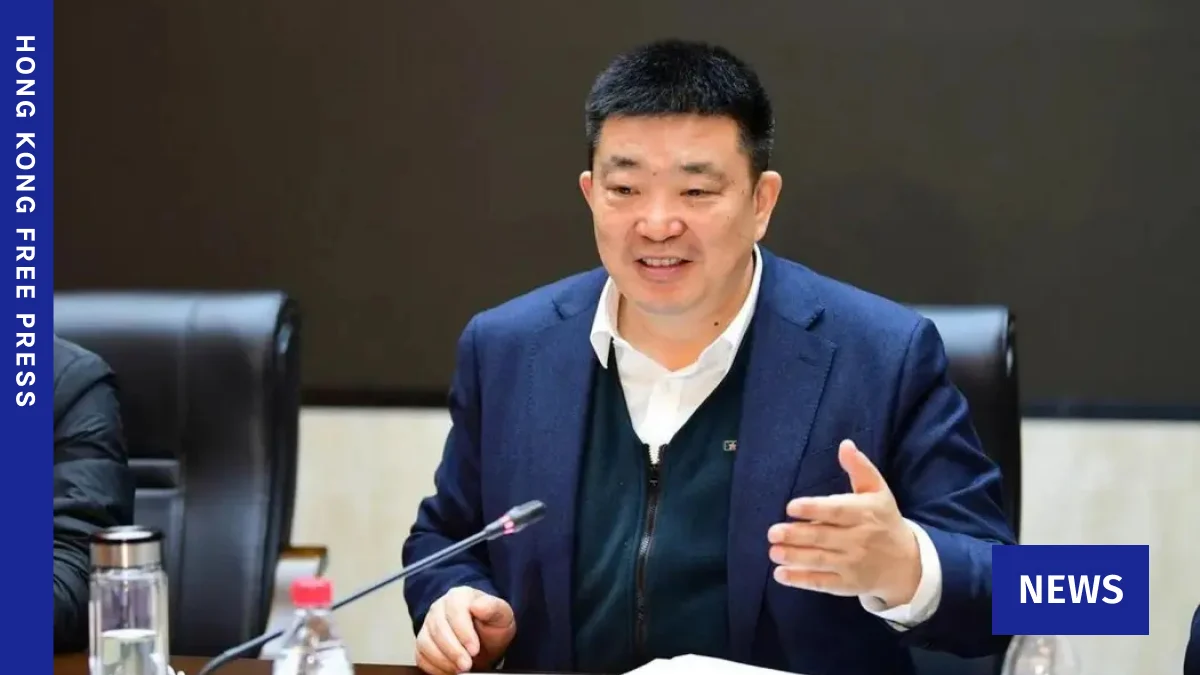
 Asro
Asro