Sagoh
Sagoh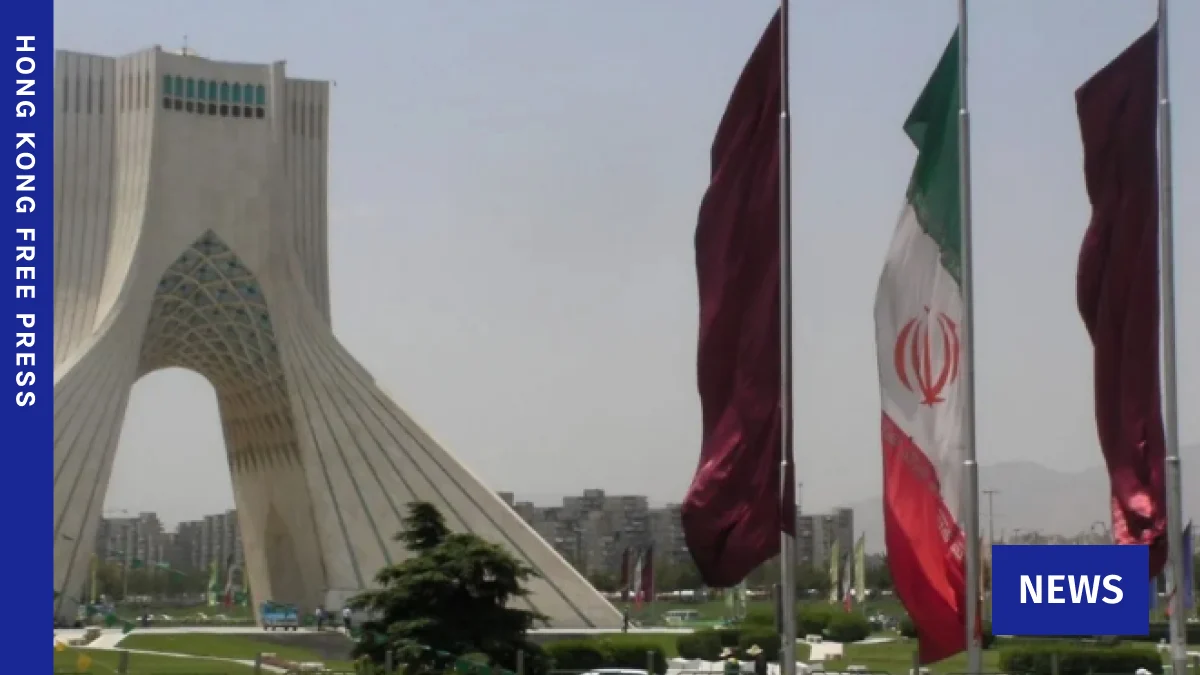
Beijing, China – China on Friday unequivocally stated that "sanctions and pressure" imposed by the United States would not resolve the burgeoning Middle East conflict, a direct rebuttal to Washington’s vigorous campaign urging global governments, including Beijing, to join efforts to economically isolate Iran. The diplomatic standoff underscores a growing chasm between the world’s two largest economies on critical international policy, particularly concerning stability in the volatile Gulf region.
The pronouncement from Beijing comes as the United States intensifies its "maximum pressure" strategy against Tehran, vowing to "collapse" the Iranian regime through stringent economic measures. Iran, for its part, has vehemently denounced these actions as "economic terrorism" and asserted their ultimate futility. This heated exchange unfolds nearly six months into what both sides perceive as an escalating "war" of attrition, marked by economic warfare, regional proxy confrontations, and heightened military posturing.
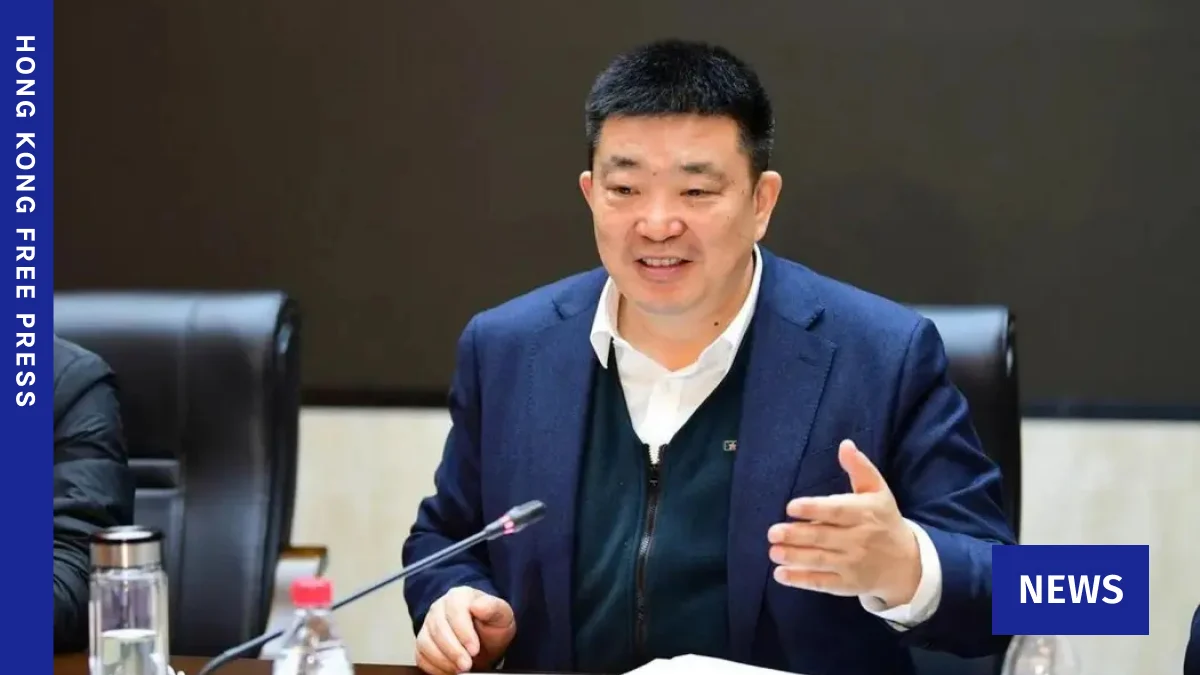
Speaking at a regular press briefing in Beijing, Chinese foreign ministry spokesman Lin Jian articulated China’s principled opposition to the US approach. "Sanctions and pressure will not help resolve the issue," Lin stated, emphasizing Beijing’s consistent stance that such unilateral coercive measures are counterproductive and often exacerbate tensions rather than alleviating them. He further urged "all relevant parties to take responsible measures and resolve the problem through political and diplomatic means," reiterating China’s long-held advocacy for multilateralism and dialogue in addressing international disputes.

The US push for global cooperation against Iran was underscored by Treasury Secretary Scott Bessent, who robustly defended President Donald Trump’s strategy of economic pressure on Tehran. When pressed on whether the United States would actively compel China to participate in this campaign, Bessent adopted a nuanced tone, noting that "many conversations are best to have in private." However, he made it clear Washington’s expectation, calling on Beijing "to get with the programme." This public call signals the US administration’s intent to broaden the scope of its sanctions regime and to enlist key economic partners, even those with substantial ties to Iran, into its strategic orbit.
In response to Bessent’s comments, Spokesman Lin reiterated China’s demand for "responsible measures" to resolve the ongoing "war." He firmly stated, "China opposes illegal unilateral sanctions that have no basis in international law and are not authorised by the UN Security Council." This statement highlights a fundamental disagreement between Washington and Beijing regarding the legitimacy and efficacy of unilateral sanctions. China maintains that only sanctions approved by the United Nations Security Council carry the weight of international law, framing US actions as an infringement on national sovereignty and global economic order.
The Escalating Six-Month Standoff: A Deeper Look
The reference to a "war" that began nearly six months ago points to a significant escalation in US-Iran relations, likely commencing around February 2025. While the exact nature of this "war" remains a subject of intense international speculation, it has been widely characterized by a series of events that have pushed the region to the brink. This period has seen a dramatic increase in tit-for-tat actions, including alleged cyberattacks targeting critical infrastructure in both nations, heightened naval confrontations in the Persian Gulf, and intensified proxy conflicts across Yemen, Syria, and Iraq. Economic measures, such as the targeting of Iran’s oil exports and financial institutions by the US, have been met with Iranian threats to disrupt global shipping lanes and accelerate its nuclear program. This ongoing tension forms the critical backdrop against which China’s current diplomatic push for de-escalation must be understood.

The "maximum pressure" campaign initiated by the US administration following its unilateral withdrawal from the Joint Comprehensive Plan of Action (JCPOA) in 2018 has seen several phases of intensification. The current phase, commencing approximately six months prior to China’s recent statement, appears to represent a new peak in this strategy, leading to the "war" terminology now being employed by both sides. This period has likely witnessed increased military drills, strategic deployments, and a more aggressive posture from both Washington and Tehran, further destabilizing an already fragile region.
Historical Context and China’s Strategic Interests
China’s current stance is deeply rooted in its consistent foreign policy principles and long-standing strategic interests in the Middle East. Historically, China has been a significant importer of Iranian crude oil, and despite US sanctions, Beijing has often found ways to maintain these crucial energy ties, albeit sometimes through indirect or reduced channels. The economic relationship between China and Iran extends beyond oil, encompassing trade in goods, infrastructure development, and technological cooperation, particularly under China’s Belt and Road Initiative (BRI). Iran, geographically positioned at a critical nexus between East and West, is a vital partner in Beijing’s ambitious global infrastructure project.
China’s opposition to unilateral sanctions is not solely driven by its economic ties to Iran but also by its broader foreign policy doctrine of non-interference in the internal affairs of sovereign states and its advocacy for a multipolar world order governed by international law and UN-sanctioned mechanisms. Beijing views unilateral sanctions as a tool of coercion that undermines national sovereignty, distorts global trade, and sets dangerous precedents for international relations. This principled position is frequently articulated in various diplomatic forums and underscores China’s broader critique of what it perceives as US hegemony and unilateralism.

The unraveling of the JCPOA in 2018, when the Trump administration withdrew from the multilateral nuclear agreement, marked a pivotal moment. The deal, which offered Iran sanctions relief in exchange for curbs on its nuclear program, was a product of years of painstaking international diplomacy involving China, Russia, the UK, France, Germany, and the US. Its abandonment by Washington left a significant void, leading to the current cycle of escalation and renewed calls from Beijing for a return to diplomatic engagement and respect for international agreements.
Economic Realities and Global Implications
The US campaign aims to cripple Iran’s economy by cutting off its oil exports and isolating its financial sector. While these sanctions have undoubtedly inflicted severe hardship on the Iranian populace, leading to high inflation, currency depreciation, and economic stagnation, they have not achieved the stated US goal of regime collapse. Iran has demonstrated a degree of resilience, adapting to the pressures through various economic maneuvers, including increasing non-oil exports, fostering domestic production, and seeking alternative trade partners.
China’s role as Iran’s largest trading partner and a major consumer of Iranian oil complicates the US strategy. Beijing’s continued engagement, even if reduced or disguised, provides a crucial lifeline to Tehran, blunting the full impact of US sanctions. For the US, pressuring China to fully comply with sanctions poses a significant diplomatic challenge, as it risks further antagonizing a crucial economic rival and global power. The global economy, still grappling with post-pandemic recovery and supply chain disruptions, is also highly sensitive to any major disruption in oil markets that could result from a complete cutoff of Iranian crude.

Furthermore, the divergence between the US and China on this issue has broader implications for global governance. It highlights the growing challenges to the existing international rules-based order, where different interpretations of international law and sovereign rights clash. The US insistence on secondary sanctions, which penalize third-country entities for doing business with sanctioned entities, is particularly contentious, viewed by many nations as an extraterritorial application of US law that infringes upon their sovereignty.
Statements from Related Parties and International Responses
While the immediate focus remains on the US-China dynamic, other international actors have also expressed concerns. European powers, who remain signatories to the JCPOA (albeit in a weakened state), have consistently advocated for de-escalation and a return to diplomacy. They have sought to establish mechanisms to facilitate legitimate trade with Iran, though these efforts have largely been overshadowed by the overwhelming force of US secondary sanctions. Russia, another signatory to the JCPOA and a strategic partner of both China and Iran, has similarly condemned US unilateralism and called for a political resolution to the conflict.
Iran, through its various official channels, has maintained a defiant posture. Foreign Minister Hossein Amir-Abdollahian, in recent statements, has likened US sanctions to "economic warfare" and a "criminal act against the Iranian people." Tehran has also frequently warned that any further escalation of tensions could lead to unpredictable consequences for regional and global security, emphasizing its right to self-defense and its commitment to protecting its national interests.

Fact-Based Analysis of Implications and Future Outlook
The current diplomatic impasse between Washington and Beijing over Iran carries significant implications for regional stability, global energy markets, and the future of international relations. The US "maximum pressure" campaign, while undeniably inflicting economic pain, has not yielded a change in Iranian behavior or leadership, leading to a dangerous stalemate. China’s unwavering opposition to unilateral sanctions provides a crucial counter-narrative and a practical alternative for Iran, effectively diluting the intended impact of the US strategy.
The situation risks a further militarization of the Middle East, with continued proxy conflicts and potential direct confrontations. Global oil prices remain sensitive to any developments in the Persian Gulf, and prolonged instability could lead to significant economic repercussions worldwide. For the international rules-based order, the unilateral application of sanctions by a major power, challenged by another, creates a precedent that could undermine the authority of multilateral institutions like the UN.
Moving forward, the resolution of this conflict appears deeply entwined with broader US-China relations. A cooperative approach, perhaps involving a revived multilateral diplomatic effort centered around the JCPOA, would be the most constructive path. However, given the current geopolitical climate and the entrenched positions of both Washington and Tehran, such an outcome appears distant. China’s call for political and diplomatic means, backed by its refusal to endorse unilateral sanctions, signals that any resolution will likely require a fundamental shift in strategy from the US or a significant concession from Iran, neither of which seems imminent. The "war" in the Middle East, characterized by economic pressure and geopolitical rivalry, is set to continue casting a long shadow over global affairs.

 Asro
Asro