Dwi Wanna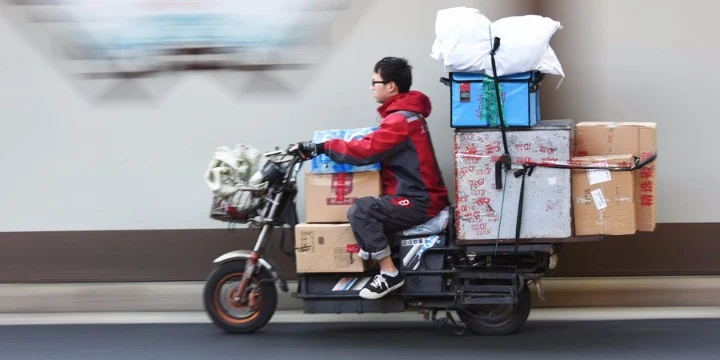
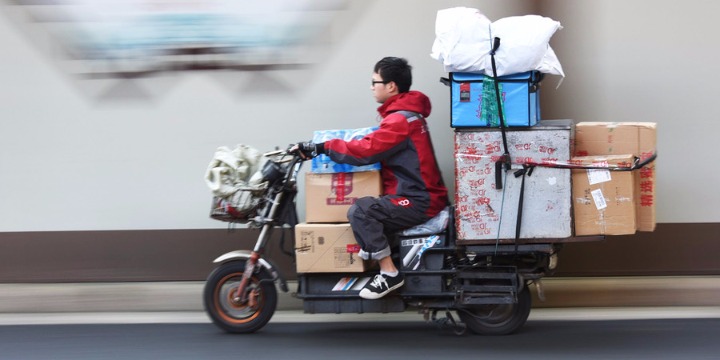
In China, a nation celebrated for its unparalleled advancements in the digital economy and the proliferation of sophisticated delivery services, a comprehensive survey conducted by 58.com, a prominent online marketplace operator, has unveiled a stark paradox: couriers have been overwhelmingly identified as the loneliest occupation. The findings, first reported by cyol.com, indicate that a significant 69.57 percent of respondents cast their votes for delivery personnel, underscoring a profound social dimension to the country’s rapid economic transformation. This revelation casts a spotlight on the often-overlooked human cost of efficiency and convenience in an increasingly digitized society.
The demanding nature of courier work, characterized by its relentless pace, physical exertion, and repetitive tasks, emerged as a primary contributor to this widespread sentiment of isolation. Delivery couriers are required to navigate bustling urban landscapes daily, covering vast distances to ensure timely parcel delivery, often under intense time pressure. As one courier, identified only by his surname Liu, explained to cyol.com, "Except for the moment when you hand the parcel to the client, you barely have time to communicate with anyone." This poignant statement encapsulates the core of the issue: while technology facilitates seamless transactions, it simultaneously reduces opportunities for meaningful human interaction, relegating daily exchanges to fleeting, transactional moments. The work, described as both "heavy and dull," mandates a solitary existence for much of the working day, contrasting sharply with traditional employment models that often foster camaraderie and social engagement among colleagues.
Following closely behind couriers, financial staff secured the unenviable position of the second loneliest occupation, garnering 67.39 percent of the votes. This finding highlights a different facet of occupational isolation, rooted not in physical solitude but in the intense psychological pressures inherent to the sector. The report elucidated that jobs within the financial industry are typically high-stress environments, demanding constant vigilance and adaptability to volatile market changes. Professionals in this field are expected to maintain an unrelenting pace, absorbing new information and reacting swiftly to economic shifts at any given moment. This perpetual state of alertness and the high stakes involved can easily engender feelings of anxiety and profound loneliness, despite often working within bustling office environments. The pressure to perform, coupled with the competitive nature of the industry, can lead individuals to internalize stress and withdraw, further exacerbating feelings of isolation.
The Rise of the Gig Economy and China’s Delivery Phenomenon
The context for these findings is deeply embedded in China’s extraordinary economic trajectory over the past two decades. The nation’s e-commerce sector has exploded, becoming the largest in the world, driven by platforms like Alibaba (Taobao, Tmall), JD.com, and Pinduoduo. This digital retail revolution necessitated the parallel development of a massive and highly efficient logistics and delivery infrastructure. Millions of individuals have found employment in this burgeoning "gig economy," a model characterized by flexible, temporary, or freelance jobs, often mediated by digital platforms.
The sheer scale is staggering. By 2023, China’s express delivery industry was processing tens of billions of parcels annually, with some estimates placing the figure well over 100 billion. This monumental volume is handled by a workforce estimated to be in the millions, many of whom are migrant workers from rural areas seeking economic opportunities in urban centers. These couriers are the backbone of the "last-mile delivery" system, ensuring that everything from groceries to electronics reaches consumers within hours or days. While the gig economy offers a degree of flexibility and lower barriers to entry for workers, it also often comes with precarious employment conditions, limited social safety nets, and, as the survey suggests, significant social isolation. The algorithms that dictate routes and delivery times prioritize efficiency above all else, often leaving little room for human interaction or breaks.
Beyond the Top Two: A Glimpse into Other Isolated Professions
While the full list of the top five loneliest occupations was not extensively detailed in the initial report, the mention of "New media operator" at No. 5 offers further insight into the diverse causes of occupational loneliness in modern China.
No. 5 New media operator
The image accompanying this entry depicted a 23-year-old new media operator working for a travel agency, posing in her rental room in Wuhan. This profession, relatively nascent in the digital age, involves managing social media accounts, creating content, and engaging with online communities. While seemingly connected to the world through digital platforms, these roles often require long hours spent in front of screens, often working independently or remotely, and constantly chasing trends and engagement metrics. The pressure to maintain an active online presence and generate viral content can lead to a blurring of work-life boundaries, making genuine offline social interaction scarce. The perceived constant "connection" online can, ironically, mask profound real-world isolation, as interactions are often superficial or performative rather than deeply personal. This role exemplifies how even digitally-centric jobs, designed for connectivity, can contribute to feelings of loneliness due to their demanding, often solitary, and screen-intensive nature. Other professions that might logically feature on such a list, given the prevailing work culture and economic trends in China, could include certain IT professionals, research scientists, long-haul truck drivers, or even specific roles within large, hierarchical organizations where communication is highly formalized and personal interaction minimized.
Driving Factors: Urbanization, Work Culture, and Digital Disconnection
Several macro-level trends contribute to the prevalence of occupational loneliness in China. Rapid urbanization has seen millions migrate from close-knit rural communities to anonymous urban sprawls, often leaving behind established social networks. In the bustling megacities, despite being surrounded by millions, individuals can feel profoundly isolated, struggling to forge new connections in a highly competitive and fast-paced environment.
Furthermore, China’s demanding work culture, famously encapsulated by the "996" schedule (9 AM to 9 PM, six days a week), leaves little time or energy for social activities outside of work. This relentless pursuit of economic growth and personal advancement often comes at the expense of work-life balance and social well-being. Employees are frequently expected to dedicate themselves fully to their careers, with personal lives taking a secondary role. This high-pressure environment, coupled with long working hours, naturally erodes opportunities for leisure, hobbies, and social interaction, which are crucial for mental health and combating loneliness.
The pervasive reliance on digital communication and entertainment also plays a dual role. While connecting people across distances, it can also lead to a decrease in face-to-face interactions. Online communities, while valuable, often cannot fully replicate the depth and intimacy of in-person relationships, potentially exacerbating feelings of isolation when real-world connections are lacking.
The Silent Epidemic: Mental Health Implications for the Workforce
The findings of the 58.com survey resonate with broader concerns about mental health in China. Historically, mental health issues have been stigmatized, but there is growing recognition of their prevalence and impact on the workforce. Studies indicate a rising incidence of anxiety, depression, and stress-related disorders among Chinese professionals, particularly those in high-pressure or isolating roles. Occupational loneliness is not merely a subjective feeling; it is a significant risk factor for various mental and physical health problems, including depression, cardiovascular disease, and reduced cognitive function. For employers, a workforce grappling with loneliness can translate into decreased productivity, higher rates of absenteeism, increased turnover, and reduced overall job satisfaction. The economic implications of a mentally unwell workforce are substantial, impacting innovation, efficiency, and long-term economic sustainability.
Industry and Expert Responses: A Call for Greater Support
While specific official responses to this particular survey were not detailed in the original report, the implications are clear, prompting a need for proactive measures from various stakeholders. Industry leaders in the delivery and financial sectors, for instance, are increasingly facing pressure to acknowledge and address worker well-being. This might involve initiatives such as promoting team-building activities, establishing clearer boundaries for working hours, providing mental health support services, and exploring technological solutions that foster rather than hinder human connection. For delivery companies, this could mean optimizing routes to allow for short breaks or designated social zones, or leveraging technology to connect couriers with each other.
Mental health experts and sociologists would likely emphasize the need for a societal shift towards greater work-life balance and destigmatization of mental health issues. They might advocate for corporate wellness programs, accessible counseling services, and public awareness campaigns to foster a more supportive environment. Academics might also call for further research into the long-term effects of gig economy work on social cohesion and individual well-being. Government bodies and labor unions, where applicable, could play a pivotal role in establishing policies that safeguard worker rights, promote reasonable working hours, and ensure access to social security and mental healthcare for all employees, including those in the gig economy. The challenge lies in balancing economic growth and efficiency with the fundamental human need for connection and well-being.
Charting a Path Forward: Addressing Occupational Loneliness
Addressing the pervasive issue of occupational loneliness in China requires a multi-faceted approach. Companies must take greater responsibility for the social and psychological welfare of their employees, moving beyond purely performance-driven metrics to embrace a more holistic view of human capital. This includes fostering a culture of empathy, providing opportunities for genuine social interaction, and offering robust mental health support.
From a societal perspective, there is a need to re-evaluate the prevailing work ethic and encourage a healthier balance between professional ambition and personal well-being. Educational institutions can play a role in preparing future generations for the complexities of the modern workforce, including strategies for maintaining social connections and managing stress. Urban planners could also consider designing spaces that encourage community interaction, mitigating the isolating effects of dense urban environments.
Ultimately, the findings from the 58.com survey serve as a crucial barometer of the social consequences of China’s rapid modernization. While technological innovation and economic prowess have brought unprecedented prosperity, they have also inadvertently created conditions that foster social isolation for significant portions of the workforce. Recognizing and actively addressing this challenge is not merely a matter of social welfare but an imperative for sustainable development, ensuring that human well-being remains at the heart of China’s continued progress. The conversation around occupational loneliness must evolve from a whispered concern to a prioritized agenda item for policymakers, industry leaders, and society as a whole.


 Evan Lee Salim
 Suro Senen