Suro Senen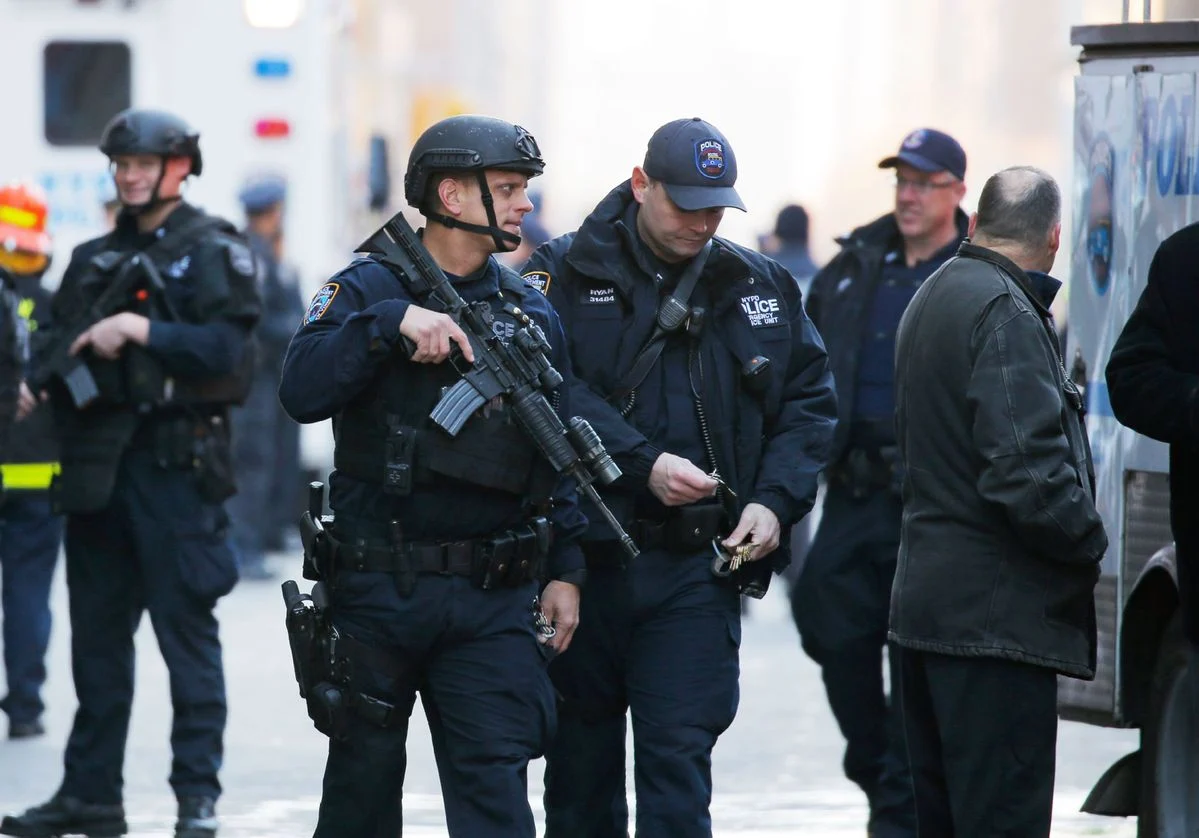
NEW YORK – A pre-dawn explosion near the bustling New York Port Authority Bus Terminal on Monday morning sent shockwaves through Manhattan, injuring four people and igniting immediate security concerns in one of the world’s busiest transit hubs. Authorities identified the suspected perpetrator as Akayed Ullah, a 27-year-old man who allegedly detonated an improvised explosive device attached to his body. The incident, which occurred around 7:20 am local time, prompted a swift law enforcement response and a significant disruption to daily commutes.
The Incident Unfolds
The explosion occurred in a subterranean passageway connecting the Port Authority Bus Terminal to the Times Square-42nd Street subway station, a critical nexus for millions of commuters and tourists. According to New York City Police Commissioner James O’Neil, the device was a crude, low-tech explosive. Ullah, the alleged bomber, sustained the most serious injuries, with preliminary reports indicating his injuries were more severe than those of the three other individuals affected by the blast.
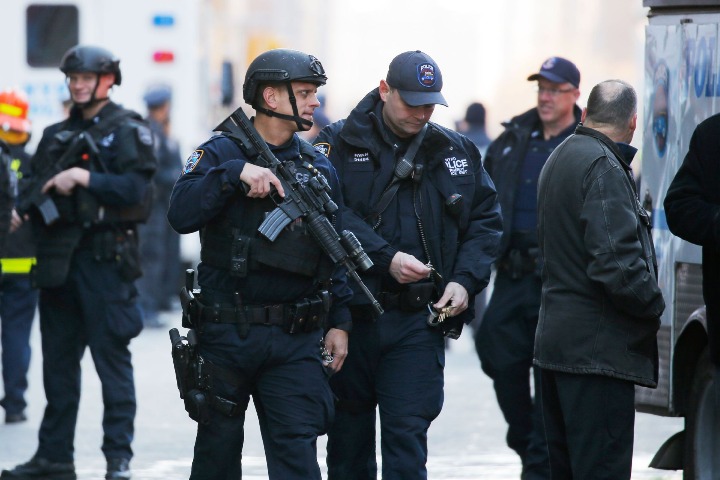
The three other injured parties suffered relatively minor injuries, primarily described as ringing in the ears and headaches, consistent with the concussive force of an explosion. Emergency services were immediately dispatched to the scene, and the area was quickly cordoned off by the New York Police Department (NYPD) and federal law enforcement agencies. The swift mobilization of first responders played a crucial role in managing the immediate aftermath and ensuring the safety of the public.
Suspect Identification and Investigation
Commissioner O’Neil confirmed that the suspect, identified as Akayed Ullah, was apprehended at the scene and is currently in custody. While details regarding Ullah’s background and potential motives were sparse immediately following the press conference, the NYPD stated that the incident was captured on transit system video surveillance. This footage, along with further witness interviews, is considered vital to the ongoing investigation. Police have appealed to the general public for any information that might assist in their inquiry, underscoring the collaborative nature of counter-terrorism efforts.
The investigation quickly expanded to involve multiple agencies, including the FBI and the Department of Homeland Security, highlighting the national security implications of the event. The focus of the investigation is to determine the suspect’s motivations, any potential affiliations, and whether he acted alone or as part of a larger network. The use of an improvised explosive device (IED) suggests a degree of planning, even if the technology itself was rudimentary.
Background and Context
The Port Authority Bus Terminal is a colossal transportation hub, serving an estimated 250,000 people daily, with over 65 million passengers annually. Its location in close proximity to Times Square, a globally recognized landmark and a magnet for tourists, makes it a high-profile target. The area’s dense population and intricate underground transit system present significant security challenges.
This incident occurred within the broader context of heightened global security awareness, particularly in major urban centers. New York City has a long history of being a target for terrorist attacks, most notably the September 11, 2001 attacks. As such, the city maintains a robust counter-terrorism infrastructure and protocols, which were evidently activated following Monday’s explosion.
The nature of the device – an "improvised, low-tech explosive device" – suggests a perpetrator who may not have had access to sophisticated weaponry or training, but who possessed the knowledge to assemble a functional explosive. This type of threat requires a multifaceted approach to security, encompassing both visible deterrence and intelligence gathering.
Timeline of Events (Based on available information)
- Monday, December 11, 2017, approximately 7:20 am local time: An explosion occurs in a passageway near the New York Port Authority Bus Terminal.
- Immediately following the explosion: Law enforcement and emergency services are dispatched to the scene.
- Shortly after the incident: The suspect, identified as Akayed Ullah, is apprehended. Four individuals, including the suspect, sustain injuries.
- Later Monday morning: New York City Police Commissioner James O’Neil holds a press conference near the scene, providing initial details about the incident and the suspect.
- Ongoing: Investigations by the NYPD, FBI, and other federal agencies are underway, including review of surveillance footage and witness interviews.
Supporting Data and Analysis
The use of an IED in a crowded public space is a tactic often employed by individuals or groups seeking to maximize casualties and create widespread fear. While the number of injured was relatively low in this instance, the potential for greater harm was significant given the location and time of the attack.
The fact that the device was attached to the suspect’s body, often referred to as a "suicide belt" or "body-worn explosive device," suggests a potential intent for self-sacrifice, although this remains to be confirmed by the investigation. Such devices, while potentially devastating, can also be prone to malfunction or premature detonation, which may have contributed to the limited number of casualties.
The investigation will likely delve into the suspect’s online activities, travel history, financial records, and any known associations to understand the radicalization process and any external influences. The effectiveness of counter-terrorism efforts often hinges on the ability to identify and disrupt such pathways to violence before an attack can be carried out.
Official Responses and Public Reactions
The immediate and coordinated response from law enforcement agencies underscored the seriousness with which such incidents are treated in New York City. Commissioner O’Neil’s press conference, while brief, aimed to provide reassurance to the public while emphasizing the ongoing nature of the investigation. The call for public assistance is a standard practice in such cases, leveraging the eyes and ears of the community to gather intelligence.
Mayor Bill de Blasio, in a statement following the incident, emphasized that New York City has faced and overcome such challenges before. He reaffirmed the city’s resilience and its commitment to not being intimidated by acts of violence. The sentiment of resilience is a cornerstone of New York’s public response to security threats, often expressed through a determination to continue daily life.
Reactions from transit authorities and security experts focused on the ongoing need for vigilance and the continuous evaluation of security measures in high-traffic areas. The incident serves as a stark reminder that even in well-secured environments, determined individuals can pose a threat.
Broader Impact and Implications
The explosion at the Port Authority Bus Terminal has several broader implications:
- Heightened Security Measures: The incident is likely to trigger a review and potentially an enhancement of security protocols at major transportation hubs across New York City and potentially nationwide. This could include increased visible police presence, more advanced screening technologies, and greater integration of intelligence gathering.
- Public Perception and Fear: While authorities strive to project confidence and control, such events can inevitably lead to increased public anxiety. The perception of safety in public spaces can be significantly impacted, leading to changes in travel behavior and a greater demand for visible security.
- Counter-Terrorism Strategies: The investigation into Akayed Ullah’s background and motivations will inform ongoing counter-terrorism strategies. Understanding how individuals become radicalized and acquire the means to carry out attacks is crucial for developing effective prevention methods.
- Economic Impact: Disruptions to major transit hubs can have a ripple effect on the local economy, affecting businesses that rely on commuter traffic and tourism. While the immediate disruption may be temporary, sustained security concerns can have longer-term economic consequences.
- International Context: As a global city, New York’s security is of international interest. An attack, even a relatively contained one, can have implications for how other countries perceive security in the United States and influence international travel advisories.
The incident at the Port Authority Bus Terminal, while thankfully resulting in limited casualties, serves as a potent reminder of the persistent threat of terrorism and the complex challenges involved in safeguarding densely populated urban environments. The ongoing investigation will be crucial in understanding the full scope of this event and in reinforcing the layered security measures that protect millions of lives daily.


 Nana Wu