Suro Senen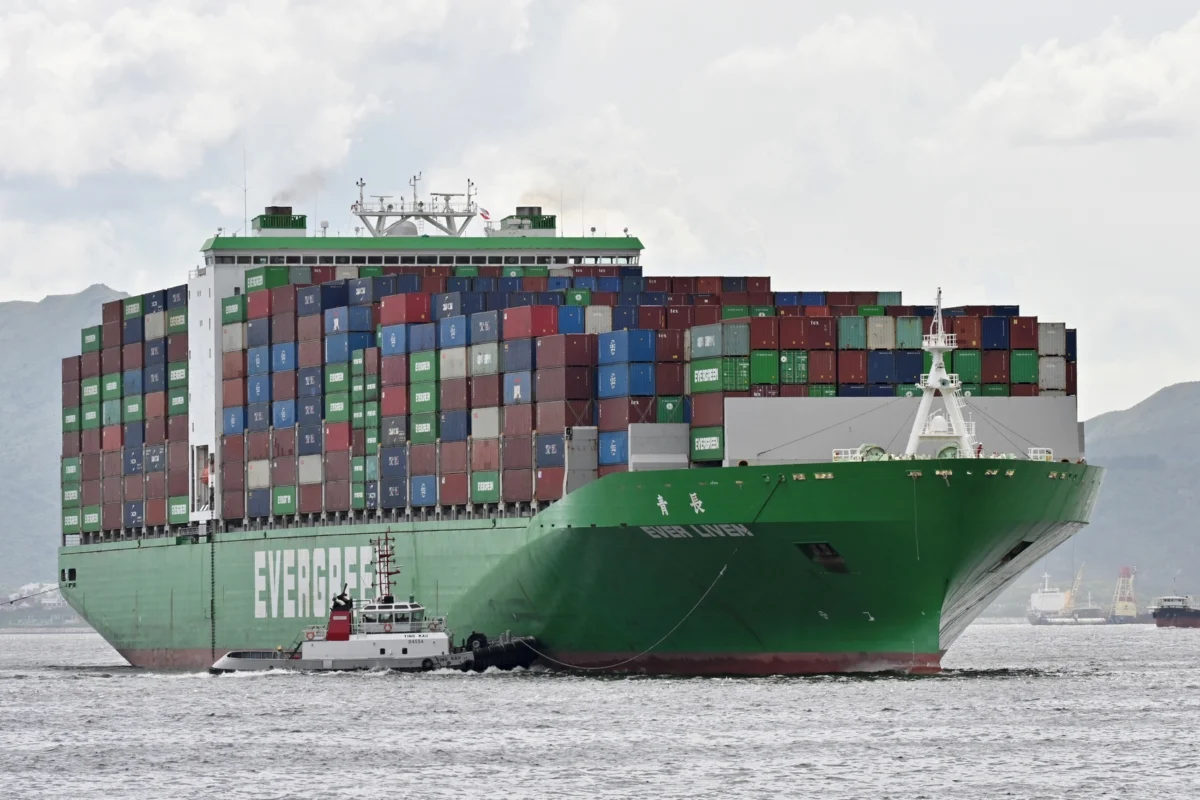
Chinese exports and imports soared in July, propelled by a burgeoning global artificial intelligence (AI) boom that has significantly amplified overseas demand for its advanced tech products. Official data released on Friday showcased the manufacturing powerhouse’s robust trade performance, extending its reliance on external markets even as domestic consumption continues to present challenges. This remarkable surge is poised to bring China’s trade surplus close to last year’s historic highs, simultaneously intensifying international discussions surrounding global trade imbalances, particularly with major partners like the United States and the European Union. The figures underscore China’s critical role in global supply chains, especially in high-tech sectors, but also highlight the escalating trade tensions that accompany its economic ascent.
The AI Boom: A Driving Force for Chinese Exports
The primary catalyst for China’s impressive export growth in July has been the surging global investment in artificial intelligence infrastructure. As companies worldwide race to develop and deploy AI capabilities, the demand for specialized data-processing equipment, high-performance semiconductors, and related electronic components manufactured in China has experienced an unprecedented uptick. This trend is clearly reflected in the latest figures from the General Administration of Customs (GAC), which reported a substantial 23.9 percent year-on-year climb in exports last month, comfortably exceeding Bloomberg’s forecast of 23.0 percent. This robust performance indicates that China is not merely a supplier of low-cost goods but has firmly established itself as a pivotal player in the high-value technology segment.

Further underscoring this AI-driven surge, overseas shipments of computers and related parts recorded an astonishing 45.2 percent jump on year during the first seven months of the year. This category encompasses a wide array of products essential for AI development and deployment, including advanced graphics processing units (GPUs) critical for training complex AI models, high-density servers, sophisticated data storage solutions, and cutting-edge network hardware that forms the backbone of modern data centers. Industry analysts suggest that China’s established manufacturing prowess, coupled with its highly sophisticated and integrated supply chains, has positioned it as an indispensable supplier in this rapidly expanding technological frontier. Julian Evans-Pritchard, an economist at Capital Economics, noted that "Export and import values remain elevated, helped by soaring global demand for electronics and green tech products," a sentiment that encapsulates the current dynamics favoring China’s tech-heavy export basket. The country’s capacity to produce these complex goods at scale and often at competitive prices makes it an attractive partner for global tech giants and startups alike, despite ongoing geopolitical friction.
Historical Context: Exports as a Pillar of Economic Resilience
China, the world’s second-largest economy, has increasingly leaned on its robust export sector as a vital engine for growth, particularly in recent years. Last year, the nation achieved a historic trade surplus nearing an staggering US$1.2 trillion. This colossal surplus served as a critical buffer, helping to sustain its vast manufacturing sector through a prolonged period of subdued domestic consumption. Factors such as a downturn in the real estate market, cautious consumer spending post-pandemic, and structural adjustments within the economy have collectively dampened internal demand, making external trade an even more crucial component of economic stability.
The current trajectory indicates that China’s trade surplus is on pace to match or even surpass last year’s record. Through the end of July, the surplus had already reached US$687 billion, highlighting the sustained strength of its export-oriented economy. While beneficial for domestic employment, industrial output, and the accumulation of foreign exchange reserves, such a significant and persistent trade imbalance inevitably draws attention and concern from global trading partners. The reliance on exports also exposes the Chinese economy to external shocks, including fluctuations in global demand, protectionist policies from other nations, and geopolitical tensions.

July Trade Performance: A Detailed Look at the Figures
Beyond the headline figures, a deeper examination of July’s trade data reveals a complex picture of China’s economic interactions with the world. Exports, as mentioned, performed strongly at 23.9 percent year-on-year. This performance was not solely reliant on AI-related components; other sectors, including electric vehicles (EVs), solar panels, lithium-ion batteries, and various other renewable energy technologies (often grouped under "green tech products"), also contributed significantly to the overall outbound shipments. China has made substantial investments in these emerging industries, positioning itself as a global leader and benefiting from the worldwide push towards decarbonization.
Imports, while strong, showed a slight deceleration compared to the previous month. They increased by 27.5 percent in July, extending this year’s generally strong performance. However, this figure was slower than the robust 36 percent surge observed in June and also fell short of Bloomberg’s forecast of 29.5 percent growth. This slight miss in import growth, despite overall strength, suggests that while Chinese industries are actively importing components and raw materials for their export-oriented production lines, the underlying domestic demand for consumer goods, capital equipment, or broader industrial inputs for internal consumption may not be accelerating at the same pace. This disparity continues to highlight the challenge Beijing faces in rebalancing its economy towards greater reliance on domestic consumption rather than external trade, a key goal articulated in its "dual circulation" economic strategy.
Rising Global Scrutiny Over Trade Imbalances
The "yawning gap" created by China’s massive and growing trade surplus has increasingly "raised eyebrows abroad," particularly within the European Union. European leaders and policymakers have voiced growing concerns about what they perceive as a "flood" of Chinese exports, especially in strategic sectors like electric vehicles, solar panels, and now potentially AI components, which they fear could "squeeze out local manufacturers" and undermine domestic industries. This sentiment is amplified by accusations of state subsidies and unfair trade practices that allegedly give Chinese companies an undue competitive advantage.

This perceived imbalance has led to calls for protectionist measures, anti-dumping investigations, and demands for greater market reciprocity from Beijing. Senior EU officials, including European Commission President Ursula von der Leyen and Trade Commissioner Valdis Dombrovskis, have repeatedly highlighted the need for a "level playing field" and warned against the potential for "de-industrialization" in Europe if the current trend continues unchecked. Beijing, for its part, has consistently insisted that it "never deliberately pursued a trade surplus," framing its trade dynamics as a natural outcome of its industrial capabilities, efficient supply chains, and global division of labor. Chinese officials argue that its exports offer competitive choices to global consumers and contribute to global economic growth.
However, the internal dialogue within China’s leadership also acknowledges the need for greater balance. The Communist Party’s Politburo, the powerful decision-making body headed by President Xi Jinping, urged a more "balanced" trade development at a key meeting late last month. This indicates an awareness of the international pressure and a potential willingness to address the issue, even if the practical implementation of such rebalancing policies remains a complex and formidable challenge, requiring structural reforms and sustained efforts to boost domestic demand.
Expert Perspectives and Future Negotiations
Economists are closely monitoring these developments and anticipating a period of heightened diplomatic and economic negotiations. Zhiwei Zhang, president and chief economist at Pinpoint Asset Management, commented in a note following Friday’s data release that "Export growth continued to support the economy in July." He further articulated the expectation that "intense negotiations between China and (its) major trading partners in coming months on what can be done to make trade more balanced." These negotiations are likely to encompass a broad range of issues, including market access for foreign companies in China, intellectual property rights protection, the role of state subsidies in Chinese industries, and transparency in trade practices.

The balancing act for China involves maintaining its manufacturing competitiveness and export prowess, which are crucial for employment, technological advancement, and overall economic stability, while simultaneously mitigating international friction arising from significant trade surpluses. The global economic landscape, already grappling with supply chain disruptions, inflationary pressures, and a push towards economic nationalism in many countries, adds further complexity to these potential negotiations. The outcome will significantly influence future trade flows and the stability of the multilateral trading system.
Geopolitical Headwinds and Resilient Trade Flows
The impressive trade growth in July has been achieved despite considerable external pressures on the global trading system. The ongoing conflict in the Middle East has introduced volatility into energy markets, disrupted key shipping routes (such as through the Red Sea), and added to logistics costs and overall uncertainty for global trade. Simultaneously, simmering trade frictions between Beijing and Washington continue to cast a long shadow over international commerce, prompting companies to diversify supply chains and re-evaluate their global manufacturing footprints. These persistent geopolitical challenges underscore the remarkable resilience of China’s trade infrastructure and its adaptive capacity to navigate a turbulent global environment. The ability of Chinese exporters to maintain momentum amidst such headwinds speaks to the underlying strength and competitiveness of its industrial base.
The Persistent China-US Trade Flare-up
Relations between the world’s two largest economies remain particularly strained, despite intermittent efforts to ease tensions. China’s shipments to the United States rose 17 percent year-on-year last month, according to Friday’s data, illustrating that economic ties remain robust even as political rhetoric and policy actions suggest otherwise. This sustained flow of goods brought China’s surplus with its superpower rival to nearly US$171 billion through the end of July this year, a figure that continues to be a major point of contention in bilateral discussions, fueling arguments in Washington for continued tariffs and trade restrictions.

A Timeline of Recent China-US Trade Tensions:
The latest trade figures arrive just days after a fresh flare-up in trade tensions, highlighting the cyclical and often confrontational nature of disputes between Beijing and Washington.
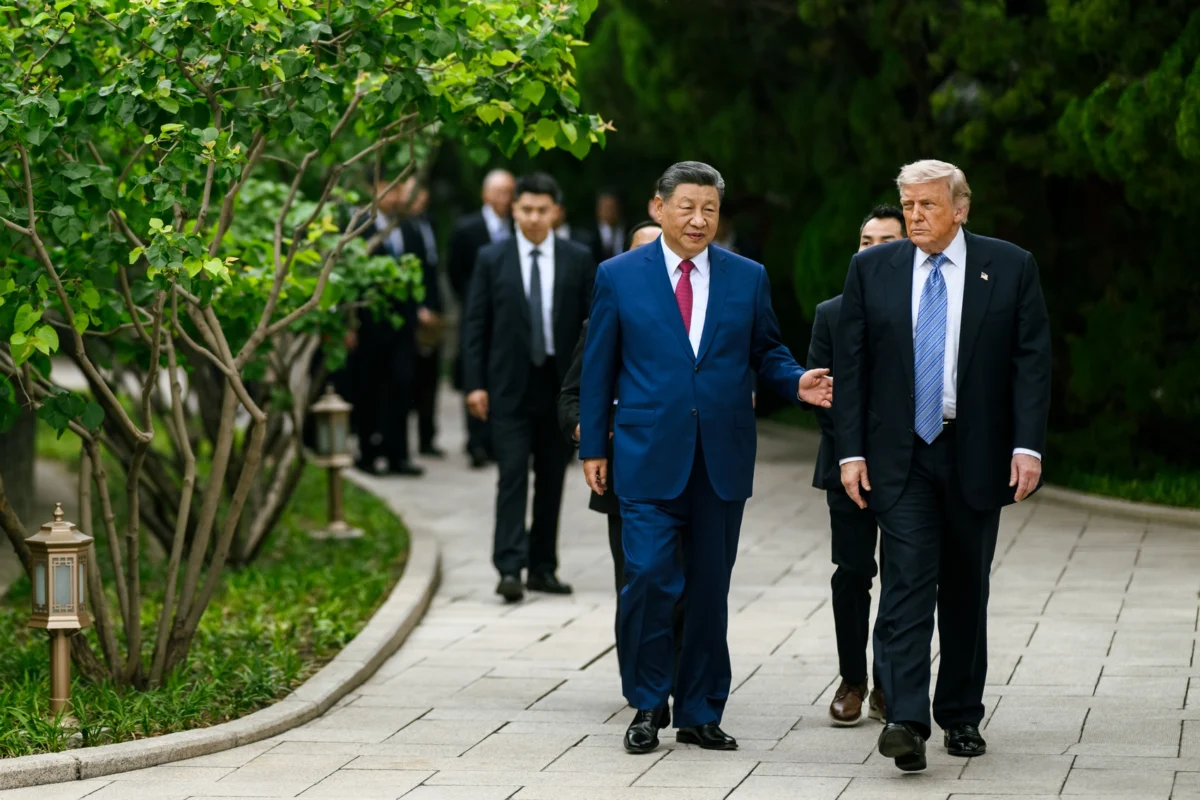
- October 2024: The "escalating trade war" from the previous year, characterized by rounds of tariffs and retaliatory measures initiated during the Trump administration, reached a temporary "truce" when then-US President Donald Trump met with President Xi Jinping. This period saw attempts to de-escalate, though many punitive tariffs on hundreds of billions of dollars worth of goods remained in place, continuing to affect businesses on both sides.
- Mid-2025 (Recent Past): Washington intensified its pressure on Beijing, citing growing concerns over alleged forced labor practices in certain regions of China and perceived national security risks associated with Chinese technology and data security. This led to new sanctions, export controls, and restrictions targeting specific Chinese entities and sectors deemed critical for US national security or human rights concerns.
- Late July 2025 (Current Period): In a direct retaliatory move on Wednesday, just prior to the release of the latest trade data, Beijing announced new restrictions on drone exports, particularly targeting the United States. Concurrently, China blacklisted six US firms, accusing them of undermining its national security or sovereignty through their involvement in defense or technology sectors. These actions demonstrate a persistent tit-for-tat dynamic that continues to define the complex relationship between the two economic giants.
- Late September 2025 (Upcoming): The relationship is set to undergo further intense scrutiny in the coming weeks as officials prepare for a scheduled state visit by President Xi Jinping to the United States. This high-level meeting is anticipated to be a critical juncture for addressing the myriad of trade, technology, human rights, and geopolitical issues that divide the two nations. Analysts will be watching closely for any signs of progress towards a more stable economic relationship, or conversely, a further deepening of mistrust and rivalry, which could have significant implications for global trade and investment flows.
Broader Implications and Future Outlook
The robust trade performance in July, largely driven by the AI boom, provides a significant boost to China’s economy, reinforcing its position as a global manufacturing and export hub. This success underpins domestic employment, drives technological upgrading, and strengthens China’s geopolitical influence. However, it also brings into sharper focus the structural imbalances within the Chinese economy and its relationships with key trading partners. The continued reliance on exports, while currently successful, makes China vulnerable to shifts in global demand, protectionist sentiments abroad, and the ongoing efforts by various nations to de-risk or decouple supply chains from China.
For the global economy, China’s continued export strength means a steady supply of goods, potentially helping to ease inflationary pressures in some sectors and providing cost-effective components for industries worldwide. Yet, the widening trade surplus with countries like the US and those in Europe will inevitably lead to increased calls for market reciprocity, fair competition, and adherence to international trade norms. The "green tech" and AI sectors, in particular, are emerging as new battlegrounds for industrial dominance and trade policy, with many Western nations viewing China’s rapid advancements in these areas as a potential threat to their own industrial bases.

Looking ahead, the challenge for Beijing will be to navigate these complex international dynamics while simultaneously fostering stronger domestic consumption to create a more balanced and sustainable growth model. This involves addressing structural issues such as income inequality, enhancing social safety nets, and stimulating consumer confidence. The upcoming high-level dialogues, especially the one between President Xi and his US counterpart, will be crucial in shaping the trajectory of global trade and economic cooperation in the coming months. The world will be watching to see if dialogue can temper the rising tide of trade friction, or if the current patterns will lead to further economic fragmentation and increased barriers to international trade. The long-term stability of the global economic order may well depend on how these fundamental trade imbalances and geopolitical tensions are addressed.

 Evan Lee Salim
 Jia Lissa