Layla Zulfa
BEIJING — The Cyberspace Administration of China (CAC), in conjunction with several high-level state departments, has officially released a comprehensive set of regulations aimed at the burgeoning Multi-Channel Network (MCN) industry. Titled the Provisions on the Management of Multi-Channel Distribution Services for Internet Information Content, the new framework establishes a rigorous oversight system for agencies that manage social media influencers, livestreamers, and content creators across the country’s vast digital landscape. Set to take effect on September 1, 2026, the regulations represent a significant escalation in the Chinese government’s efforts to formalize the "KOL" (Key Opinion Leader) economy and ensure that digital content aligns with national security, social stability, and socialist core values.
The provisions are formulated under the authority of the PRC Cybersecurity Law and the Measures on the Management of Internet Information Services. They address a wide array of industry practices, from the technical verification of traffic data to the ideological vetting of content distributed by professional agencies. The move signals the end of the "wild growth" era for MCNs, which have transformed from niche talent agencies into multi-billion-dollar entities capable of shaping public opinion and consumer behavior on a massive scale.
A Multi-Agency Approach to Digital Governance
In a notable display of regulatory coordination, the State Internet Information Office (CAC) will not act alone. Under Article 3, the governance of multi-channel distribution services will involve a "joint-force" approach. This includes the Ministry of Public Security, the Ministry of Culture and Tourism, the State Administration for Market Regulation (SAMR), the National Radio and Television Administration (NRTA), and the National Press and Publication Administration (NPPA).
Each department is tasked with oversight based on its specific jurisdiction. For instance, the SAMR will handle issues related to unfair competition and advertising, while the Ministry of Public Security will focus on criminal activities such as the spread of rumors or online fraud. Local cyberspace offices at the provincial and municipal levels are also mandated to establish localized monitoring and coordination mechanisms, ensuring that the reach of the law extends beyond the central government in Beijing.
Defining the Scope of MCN Operations
The regulations provide a clear legal definition for "Internet information content multi-channel distribution services." According to Article 30, this refers to services provided to internet user accounts for activities such as content planning, production, distribution, marketing, promotion, and agency management. This definition effectively covers the entire lifecycle of professional content creation on platforms like Douyin (TikTok’s Chinese counterpart), Kuaishou, Weibo, and Bilibili.
Under the new rules, any entity operating as an MCN must undergo formal business registration. Specifically, their business scope must explicitly include the phrase "Internet information content multi-channel distribution services." Existing agencies have been granted a 30-day grace period from the date the provisions take effect to update their registrations. This transparency is intended to eliminate "shadow agencies" that operate without official oversight, often evading taxes or facilitating unregulated commercial endorsements.
Platform Obligations and Accountability
A cornerstone of the new provisions is the shifting of "first-line" responsibility onto internet service platforms. Under Article 7, platforms are required to sign formal entry agreements with MCNs. They are prohibited from providing services to any agency that fails to meet the registration requirements outlined in the law.
Furthermore, platforms must implement a tiered management system for MCNs. This system will evaluate agencies based on their compliance history, the number of followers managed by their signed creators, and the overall credit rating of their accounts. Perhaps most importantly for public transparency, Article 11 mandates that platforms must prominently display the name of the MCN agency on the profile pages of any signed creator. This "tagging" system ensures that users are aware when a creator is part of a professional network rather than an independent individual.
Platforms that find MCNs in violation of these rules are empowered—and required—to take restrictive measures. These include issuing warnings, suspending profit-sharing capabilities, restricting account functions, or even blacklisting the agency entirely.
Strict Prohibitions: Combatting "Traffic Fraud" and Social Disorder
Article 17 of the provisions lists eleven categories of prohibited behaviors that have long plagued the Chinese internet. These regulations aim to dismantle the infrastructure of "clickbait" and "manufactured outrage." Prohibited activities include:
- Data Fabrication: Artificially inflating follower counts, view numbers, "likes," and comments through automated bots or manual "click farms."
- Emotional Manipulation: Inciting public anger, provoking group confrontation, or fostering regional discrimination to generate traffic.
- Fake Personas: Fabricating backgrounds, life stories, or "human settings" (renshe) that mislead the public for commercial gain.
- Rumor Mongering: Recycling old news as current events or synthesizing false information to confuse the public.
- Illegal Marketing: Promoting goods or services that infringe on intellectual property or fail to meet safety standards.
The government’s focus on "traffic fraud" is backed by recent data. In 2023 and 2024, the CAC’s "Operation Qinglang" (Clean and Bright) campaign resulted in the deletion of millions of pieces of illegal information and the closure of thousands of accounts for "malicious marketing." The new provisions codify these enforcement actions into permanent law.
Enhanced Protection for Minors
The role of minors in the influencer economy is a major focal point of the legislation. Article 18 explicitly prohibits MCN agencies from providing livestreaming distribution services to children under the age of 16. For minors over the age of 16 who wish to engage in livestreaming or content creation, the MCN must verify their identity and obtain the explicit consent of a parent or legal guardian.
These measures are designed to prevent the exploitation of children for "kid-influencer" accounts, which have faced public backlash in China for prioritizing commercial profit over education and healthy development. Agencies are also warned against producing content that might induce minors to engage in dangerous activities or develop unhealthy consumption habits.
Regulatory Timeline and Industry Context
The path to these 2026 regulations has been building for several years:
- 2020-2021: Initial guidelines for the livestreaming industry were released, focusing on individual creators.
- 2022: The CAC issued a draft for public comment regarding MCN management, noting that MCNs controlled a disproportionate amount of online traffic.
- 2024: Broadened enforcement against "self-media" (zi meiti) accounts that spread misinformation regarding the economy and government policies.
- September 1, 2026: The current provisions officially become the law of the land.
The MCN industry in China has seen explosive growth. Market research indicates that as of 2023, there were over 25,000 MCN agencies operating in mainland China, managing millions of creators. The market size for MCN-related services is estimated to exceed 50 billion RMB (approx. $7 billion USD), with livestream e-commerce being the primary revenue driver. By formalizing the 2026 provisions, the government is bringing this massive economic sector under the same level of scrutiny as traditional media outlets.
Penalties and Implications
The provisions establish a tiered penalty system for non-compliance. Under Article 26, agencies found in violation of the rules may face warnings, public criticism, and orders to rectify their behavior within a specific timeframe. Financial penalties range from 10,000 RMB to 100,000 RMB for standard violations. However, for severe cases—particularly those that harm public health, safety, or national interests—fines can reach up to 200,000 RMB.
Beyond fines, the "Social Credit" aspect of the regulation is the most potent deterrent. Article 27 allows authorities to include repeat offenders on a "serious dishonesty list" (blacklist) for the internet sector. Being blacklisted effectively bars an agency from operating on any major platform and may prevent its legal representatives from starting new ventures in the technology or media space for a set period.
Expert Analysis: The Future of the Chinese Internet
Industry analysts suggest that the new regulations will lead to a period of consolidation. Smaller MCNs that lack the resources to maintain a dedicated "content management team" (as required by Article 6) may be forced to merge with larger entities or exit the market.
"This is about the professionalization of responsibility," says a Beijing-based digital media consultant. "In the past, when a creator got into trouble for a fake product or a scandalous comment, the MCN often claimed they were just a service provider with no control. Now, the law says the MCN is the publisher. They are legally responsible for every bit of data and every word spoken by their talent."
Furthermore, the requirement for agencies to coordinate with the "National Network Identity Verification" system (Article 13) suggests a move toward a more integrated, real-name digital ecosystem. By linking professional agencies directly to state-verified identities, the government aims to create a "traceable" internet where anonymity can no longer be used as a shield for illegal marketing or political subversion.
As the September 2026 deadline approaches, platforms and agencies are expected to begin a massive "compliance audit," re-evaluating their signed talent and purging accounts that do not align with the strict new standards of the Provisions on the Management of Multi-Channel Distribution Services for Internet Information Content.

 Reynand Wu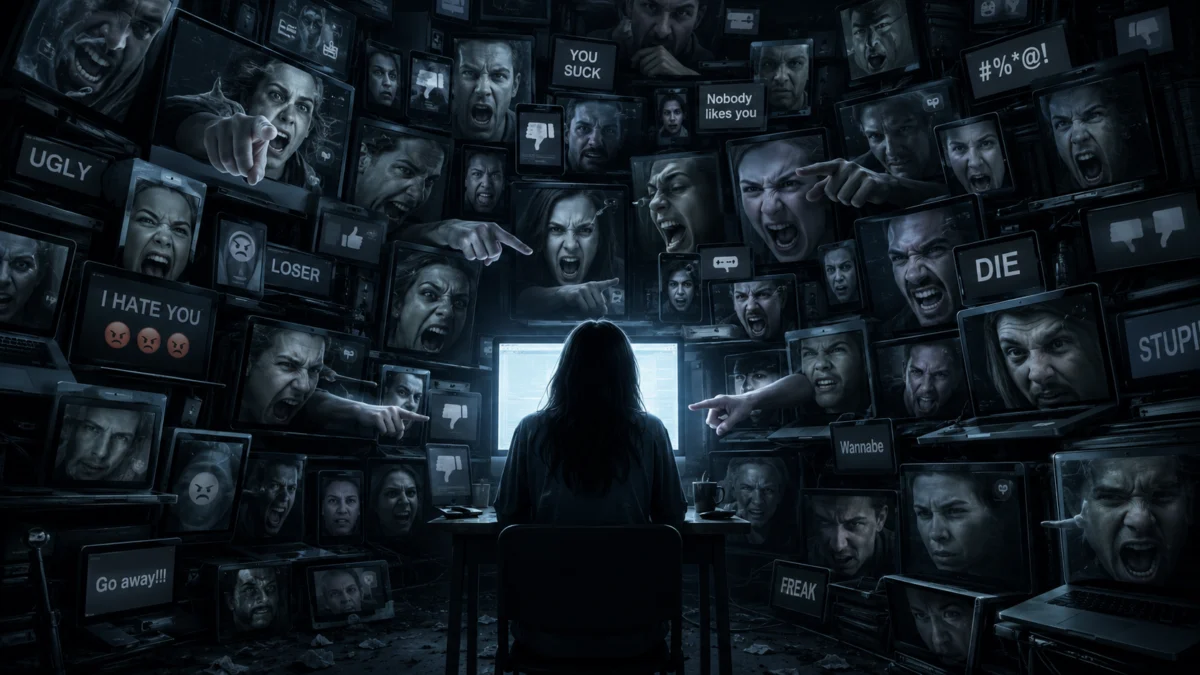
 Asep Darmawan