Azzam Bilal Chamdy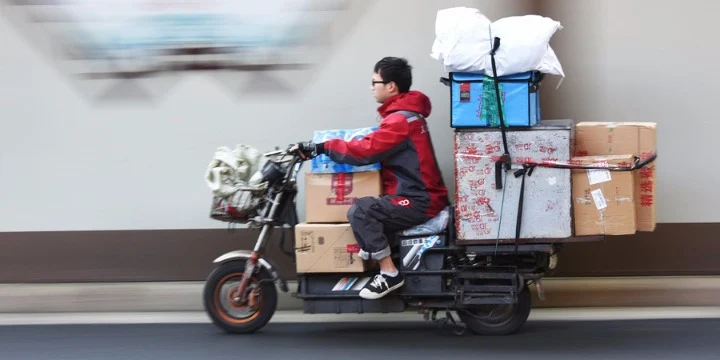
In China, a nation where the digital economy has fueled an unprecedented surge in delivery services, couriers have been identified as the loneliest occupation, according to a significant survey conducted by 58.com, a prominent online marketplace operator. The findings, reported by cyol.com, revealed that a substantial 69.57 percent of respondents voted for delivery personnel as experiencing the highest levels of professional isolation. This statistic underscores a critical, often overlooked, aspect of the modern workforce in a country renowned for its rapid economic expansion and technological adoption.
Immediately following couriers, financial staff emerged as the second loneliest profession, garnering 67.39 percent of the votes. The survey pointed to the inherent pressures of this sector, characterized by high stress levels and the relentless demand to adapt to dynamic industry changes, as primary contributors to feelings of anxiety and solitude among its workers. The detailed list, which included new media operators among the top five, sheds light on the evolving landscape of work and its profound impact on mental well-being across various sectors of the Chinese economy.
The Digital Economy’s Unsung Heroes: The Plight of Couriers
The rise of China’s delivery services industry over the past decade has been nothing short of phenomenal. Propelled by the explosive growth of e-commerce giants like Alibaba, JD.com, and Pinduoduo, as well as food delivery platforms such as Meituan and Ele.me, the sector has become an indispensable backbone of urban life. Millions of parcels and food orders are processed and delivered daily, creating a vast logistical network that employs an estimated 10 million couriers nationwide. This industry is a testament to China’s efficiency and consumer demand for instant gratification, but beneath the surface of convenience lies a demanding reality for those who make it possible.
The survey’s designation of couriers as the loneliest profession highlights the severe disconnect between the essential nature of their work and the social interaction it affords. The report specifically noted that delivery work is both "heavy and dull," requiring couriers to "run around every day." A courier surnamed Liu, interviewed by cyol.com, succinctly captured this sentiment: "Except for the moment when you hand the parcel to the client, you barely have time to communicate with anyone." This brief, transactional exchange stands in stark contrast to the sustained social interactions often found in other professions.
A typical day for a courier in China is a grueling marathon. Starting early in the morning and often extending late into the night, their shifts are characterized by relentless deadlines, navigating congested urban landscapes, and enduring all types of weather conditions. They operate under immense pressure to meet delivery quotas, which directly impact their earnings. Each successful delivery is a race against time, with sophisticated algorithms optimizing routes and penalizing delays. The constant pressure to perform, coupled with the largely solitary nature of their tasks—moving from one drop-off point to another, often communicating only through apps—contributes significantly to their feelings of isolation.
Beyond the physical demands, the mental toll is considerable. Couriers frequently face public impatience, demanding customers, and the stress of potential traffic accidents or logistical errors. The lack of a stable community, with many couriers being migrant workers living far from their families, further exacerbates feelings of loneliness. While their smartphones connect them to their dispatchers and customers, these digital interactions often replace meaningful human connections, creating a paradox of hyper-connectivity alongside profound isolation.
Financial Sector: High Stakes, High Stress, High Isolation
The financial industry in China, mirroring its global counterparts, is a high-octane environment characterized by rapid change, intense competition, and substantial pressure. Ranking as the second loneliest profession, with 67.39 percent of votes, financial staff often find themselves in a vortex of market volatility, regulatory shifts, and demanding client expectations. The survey’s report accurately described the job as "high stress and requires people to keep pace with changes in the industry at any time, can easily make people feel anxious and lonely."
Roles within the financial sector, such as investment bankers, traders, financial analysts, and even back-office support staff, often entail exceptionally long working hours. The pursuit of deals, the monitoring of global markets across time zones, and the continuous analysis of complex data frequently lead to a blurred line between work and personal life. Socializing with colleagues might occur, but it is often within the confines of the office, driven by project deadlines rather than genuine social connection. The competitive nature of the industry can also foster an environment where individual success is paramount, sometimes at the expense of camaraderie.
Furthermore, the high-stakes nature of financial decisions, where billions can be won or lost, places immense psychological burdens on individuals. The constant need for precision, the responsibility for clients’ wealth, and the pressure to outperform competitors can lead to chronic stress, anxiety, and burnout. For many, the mental energy expended at work leaves little capacity for social engagement outside of it, leading to a self-perpetuating cycle of isolation. The sophisticated, often abstract, nature of financial work can also be isolating, as the specifics of their day-to-day tasks may be difficult to explain or relate to friends and family outside the industry.
The Solitary Screen: New Media Operators in the Digital Age
While the survey provided the full list of the top five, it explicitly named "New media operator" as the fifth loneliest occupation. This profession, a relatively new entrant into the modern workforce, epitomizes the paradoxes of the digital age. New media operators are the architects of online content, managing social media platforms, creating viral campaigns, analyzing digital trends, and engaging with online communities. Their work is inherently connected, yet often performed in profound isolation.
The provided image of a 23-year-old new media operator working for a travel agency, captured in her rental room in Wuhan, Hubei province, succinctly illustrates this reality. Much of their work involves solitary screen time: researching, writing, editing, designing, and monitoring performance metrics. While they communicate with vast online audiences, these interactions are largely mediated through screens, lacking the depth and nuance of face-to-face human connection. The pressure to constantly innovate, stay relevant, and generate engaging content in a rapidly evolving digital landscape can be overwhelming. The "always-on" nature of their job blurs work-life boundaries, as they must monitor social trends and respond to audience engagement around the clock.
This constant digital immersion, while creating a sense of global connection, can paradoxically lead to real-world isolation. The pursuit of online validation and the demands of content creation can consume personal time, reducing opportunities for offline social activities and fostering feelings of detachment. Like couriers, new media operators are often physically alone while performing highly interconnected tasks, highlighting a growing trend in modern work environments.
Broader Societal Shifts: Understanding Occupational Loneliness in Modern China
The findings of the 58.com survey are not isolated anomalies but reflect broader societal and economic transformations occurring in China. Rapid urbanization, the shift from traditional communal living to more individualized lifestyles, and the increasing emphasis on career advancement have all contributed to a changing social fabric. Millions of young people move to major cities for work, often leaving behind family and established social networks. This phenomenon, sometimes referred to as "empty nest youth," applies not just to rural elderly but also to young urban professionals who find themselves socially untethered.
The intense work culture prevalent in many Chinese industries, often characterized by "996" (9 am to 9 pm, 6 days a week) or even "007" (midnight to midnight, 7 days a week) schedules, leaves little room for personal life or social engagement. This relentless pursuit of economic growth and individual success, while driving national prosperity, comes at a significant human cost. The prioritization of work often means sacrificing hobbies, personal relationships, and community involvement, which are vital buffers against loneliness.
Furthermore, the pervasive influence of technology, while facilitating communication, has also inadvertently contributed to social isolation. While apps like WeChat connect people, they can also replace genuine face-to-face interactions with superficial digital exchanges. This "alone together" phenomenon, where individuals are constantly connected but deeply isolated, is a growing concern globally and particularly relevant in China, given its high smartphone penetration and digital dependency. The stigma surrounding mental health issues in China also plays a role, making it difficult for individuals to openly discuss feelings of loneliness, anxiety, or depression, thereby exacerbating their isolation.
Addressing the Challenge: Corporate Initiatives and Societal Awareness
The insights from the 58.com survey serve as a crucial wake-up call for both employers and society at large regarding the mental well-being of the workforce. While the survey itself provides a snapshot, the implications are far-reaching, impacting productivity, employee retention, and overall societal health. Addressing occupational loneliness requires a multi-faceted approach.
For industries like logistics and finance, companies must explore strategies to foster greater social interaction and support networks among employees. For couriers, this could involve creating more communal spaces at distribution centers, organizing team-building activities, or implementing mentorship programs that connect seasoned couriers with newer ones. Leveraging technology to create virtual communities for support and shared experiences, rather than just task management, could also be beneficial. Some logistics companies are beginning to experiment with "courier stations" that offer rest areas, meals, and even basic social amenities, though these are not yet widespread.
In the financial sector, where stress is inherent, promoting a healthier work-life balance is paramount. This includes setting realistic expectations regarding working hours, encouraging regular breaks, and providing access to mental health resources such as counseling services. Corporate wellness programs, stress management workshops, and initiatives that promote social bonding outside of work pressures could help mitigate feelings of isolation.
For new media operators and other knowledge workers, flexible work arrangements, including hybrid models, can offer a better balance, but employers must also ensure that remote work does not lead to complete social detachment. Regular check-ins, virtual team events, and dedicated opportunities for creative collaboration can help maintain a sense of belonging.
From a broader societal perspective, there needs to be a greater public discourse around mental health and occupational well-being. Government bodies, labor unions, and non-governmental organizations can play a vital role in advocating for better working conditions, promoting work-life balance, and destigmatizing mental health issues. Educational campaigns and public awareness initiatives can encourage individuals to seek help and build stronger social connections.
The Path Forward: Balancing Economic Growth with Employee Well-being
The findings of the 58.com survey underscore a critical challenge facing China’s rapidly developing economy: how to balance relentless economic growth and technological advancement with the psychological and social well-being of its workforce. The loneliness experienced by couriers, financial staff, and new media operators is a stark reminder that human connection and mental health are as crucial to a thriving society as economic output.
As China continues its trajectory as a global economic powerhouse, the well-being of its vast workforce will increasingly become a key determinant of sustainable development. Ignoring the pervasive issue of occupational loneliness risks long-term consequences, including decreased productivity, higher rates of employee turnover, and a decline in overall societal happiness. By acknowledging these challenges and implementing thoughtful, human-centric solutions, China has the opportunity to lead the way in creating a work environment that not only drives prosperity but also nurtures the mental and social health of its people. The journey ahead involves a cultural shift, encouraging a re-evaluation of work priorities and fostering a society where professional success does not come at the cost of profound isolation.

 Evan Lee Salim
 Suro Senen