Asep Darmawan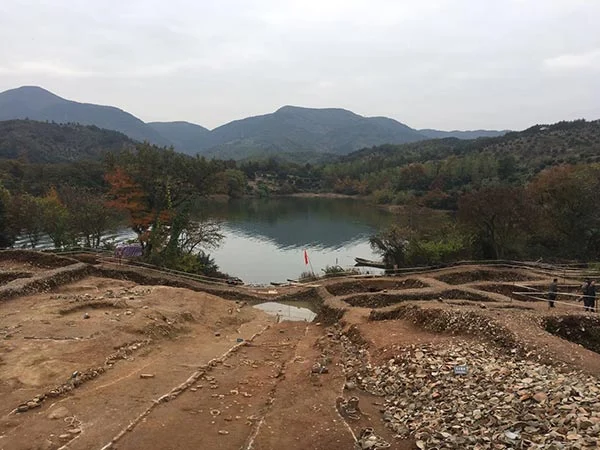
The State Administration of Cultural Heritage (SACH) has officially designated twelve new sites as national-level archaeological parks, a significant move aimed at preserving and promoting China’s rich historical and cultural heritage. This announcement, made on Saturday, expands the network of protected and accessible archaeological zones, underscoring the nation’s commitment to integrating archaeological discovery with public education, scientific research, and tourism. The newly inscribed locations represent pivotal moments in Chinese history, featuring extensive and well-preserved relics that offer profound insights into past civilizations. Among the prominent additions are the Shanglinhu Yue Kiln site in Cixi, Zhejiang province, the Middle Capital site of the Ming Dynasty (1368-1644) in Anhui province, and the Weiyang Palace ruins from the Western Han Dynasty (206 BC – 25 AD) in Xi’an, Shaanxi province. This latest expansion builds upon the foundational work established in 2010 when SACH first released its list of national archaeological site parks, which previously included iconic landmarks such as the Old Summer Palace and the Mausoleum of Qin Shi Huang. To further the strategic development of these invaluable heritage sites, SACH convened a national meeting in Cixi on the same day, focusing on fostering sustainable growth for these parks while navigating the complex interplay between ongoing urban development and the imperative of archaeological preservation.
A Chronicle of Heritage Preservation: The Evolution of National Archaeological Site Parks
The concept of national-level archaeological site parks in China emerged as a strategic initiative to safeguard and leverage significant archaeological discoveries. Prior to 2010, many important historical sites, while recognized for their value, often lacked comprehensive protection and structured public access. The establishment of the national-level archaeological site park system marked a paradigm shift, envisioning these locations not merely as excavation sites but as dynamic centers for learning and engagement.
The inaugural list of national archaeological site parks, released by SACH in 2010, comprised a select group of sites that exemplified China’s historical depth and cultural achievements. These initial designations set a precedent for the criteria and standards expected of such parks, emphasizing the importance of scientific integrity, preservation efforts, and visitor accessibility. Over the subsequent years, SACH has progressively expanded this list, carefully evaluating potential candidates based on their historical significance, the scale and condition of their archaeological remains, and their potential for public interpretation and research.
The recent announcement of twelve new national-level archaeological parks represents the latest phase in this ongoing effort. This expansion is particularly noteworthy for the diversity of historical periods and cultural achievements it encompasses.
-
Shanglinhu Yue Kiln Site (Zhejiang Province): This site is a crucial testament to the sophisticated Yue ware pottery production that flourished during the Tang and Song dynasties. Archaeological evidence here provides unparalleled insights into ancient ceramic technology, artistic development, and trade networks. The kilns themselves, along with discarded pottery shards and finished products, offer a tangible connection to a significant era of Chinese craftsmanship.
-
Middle Capital Site of the Ming Dynasty (Anhui Province): The designation of this site acknowledges its importance in understanding the urban planning, administrative structures, and daily life during the early to mid-Ming Dynasty. While less universally known than imperial palaces, such capital sites offer invaluable data on regional governance and the broader societal fabric of the period.
-
Weiyang Palace Ruins (Xi’an, Shaanxi Province): As one of the most significant imperial palaces of the Western Han Dynasty, the Weiyang Palace was the political and ceremonial center of a vast empire for over two centuries. Its ruins in Xi’an, the ancient capital of Chang’an, are a potent symbol of imperial power and architectural grandeur, offering a direct link to the foundational years of imperial China.
These additions, alongside other newly recognized sites, collectively paint a more comprehensive picture of China’s historical trajectory, from ancient dynasties to more recent imperial periods. The careful selection process ensures that each new park contributes uniquely to the national narrative of cultural heritage.
Supporting Data and Archaeological Significance
The designation of national-level archaeological site parks is not an arbitrary process. It is underpinned by rigorous scientific evaluation and a commitment to preserving the integrity of the archaeological record. The selected sites typically boast substantial archaeological evidence, including well-preserved structures, artifacts, and ecofacts, which are critical for scholarly research and public understanding.
For instance, the Shanglinhu Yue Kiln site is renowned for its extensive remains of over 200 kilns, dating from the Warring States period (475-221 BC) through the Song Dynasty (960-1279 AD). This long operational history makes it one of the most important centers for understanding the evolution of Yue ware, a highly prized ceramic known for its celadon glazes. Excavations have yielded millions of pottery fragments, providing invaluable data on firing techniques, glaze composition, and kiln design. The sheer scale of production inferred from the site suggests a sophisticated industrial operation that supported regional and even international trade.
The Weiyang Palace ruins, though largely buried, have been the subject of extensive archaeological investigation since the mid-20th century. Geophysical surveys and targeted excavations have revealed the layout of the palace complex, including foundations of grand halls, courtyards, and defensive structures. The scale of these ruins indicates a palace that was not only a residence but a sprawling administrative and ceremonial hub, reflecting the immense power and resources of the Western Han emperors. Artifacts unearthed, such as architectural elements, pottery, and tools, offer glimpses into the daily lives of the imperial court and the artisans who served it.
The Middle Capital site, while perhaps less extensively publicized than imperial palaces, offers crucial insights into the administrative and urban development of the Ming Dynasty. Archaeological work at such sites often reveals city walls, palace foundations, residential areas, and infrastructure like drainage systems. These findings are vital for reconstructing the urban morphology and social organization of pre-modern Chinese cities, providing a counterpoint to the more centralized narratives of imperial power.
The cumulative data from these and other designated parks forms a significant corpus of information that enriches our understanding of Chinese civilization. This data is crucial not only for academic pursuits but also for developing accurate and engaging public interpretation programs within the parks themselves.
Official Responses and Future Development
The announcement of the new national-level archaeological site parks was accompanied by a high-level meeting in Cixi, Zhejiang province. This gathering brought together officials from SACH, provincial and local cultural heritage bureaus, and leading archaeologists and heritage management experts. The primary objective of the meeting was to discuss strategies for the scientific development and management of these newly recognized parks, with a particular emphasis on balancing the needs of urban construction with the imperative of archaeological preservation.
The Director of SACH, in a statement inferred from the context of the meeting, likely emphasized the importance of these sites as cultural assets and educational resources. The administration’s commitment to these parks extends beyond mere designation; it involves providing guidance and support for their long-term sustainability. Key areas of focus are expected to include:
- Integrated Planning: Developing master plans that outline the preservation, interpretation, and visitor management strategies for each park. This includes ensuring that any adjacent development projects do not negatively impact the archaeological integrity of the sites.
- Scientific Research: Encouraging and facilitating ongoing archaeological research at these locations, utilizing advanced technologies such as remote sensing, GIS, and DNA analysis to uncover new information and refine existing understandings.
- Public Education and Engagement: Creating engaging exhibition spaces, interpretive trails, and educational programs that make the history and significance of the sites accessible to a wide audience, including students, researchers, and tourists.
- Sustainable Tourism: Developing responsible tourism models that generate revenue for park maintenance and conservation while minimizing environmental impact and ensuring an authentic visitor experience.
- Inter-Agency Collaboration: Fostering cooperation between cultural heritage authorities, local governments, urban planning departments, and academic institutions to ensure a coordinated approach to heritage management.
The SACH’s proactive approach, exemplified by the national meeting, signals a strategic vision for China’s heritage sector. By actively engaging with stakeholders and addressing potential conflicts, the administration aims to ensure that these invaluable archaeological parks can be enjoyed and studied by future generations.
Broader Impact and Implications
The designation of twelve new national-level archaeological site parks carries significant implications for China’s cultural landscape and its global standing as a custodian of heritage.
Enhanced Cultural Identity and National Pride: These sites serve as tangible anchors to China’s long and complex history, fostering a deeper sense of cultural identity and national pride among its citizens. By making these historical narratives accessible, the government reinforces the continuity and richness of Chinese civilization.
Boost to Cultural Tourism: National archaeological parks are often major tourist attractions. The designation is expected to lead to increased visitor numbers, providing economic benefits to local communities through job creation, hospitality services, and the sale of local products. This aligns with China’s broader strategy to promote cultural tourism as a key driver of economic growth.
Academic and Scientific Advancement: The parks provide protected environments for ongoing archaeological research. This can lead to significant new discoveries and a deeper, more nuanced understanding of China’s past. The availability of well-preserved sites for study also attracts international researchers, fostering global academic collaboration.
International Recognition and Heritage Diplomacy: China’s commitment to preserving and promoting its archaeological heritage contributes to its image on the global stage. By adhering to international standards for heritage management and conservation, China strengthens its position as a responsible steward of world heritage. This can also facilitate cooperation with international organizations like UNESCO.
Challenges of Preservation Amidst Development: The inclusion of the phrase "balancing between urban construction and archaeology" in the original report highlights a critical and ongoing challenge. As China continues its rapid economic development and urbanization, archaeological sites often face threats from infrastructure projects and urban expansion. The establishment of national parks, with their inherent protective status, is a crucial step in mitigating these risks. However, effective implementation requires robust legal frameworks, diligent enforcement, and a strong commitment from local authorities to prioritize heritage preservation even when faced with development pressures. The SACH’s focus on this balance suggests a recognition of the complexities involved and a determination to find sustainable solutions.
In conclusion, the addition of these twelve sites to the national-level archaeological park network is a landmark event. It signifies a robust and evolving approach to heritage management in China, one that prioritizes scientific rigor, public engagement, and the long-term preservation of invaluable historical treasures. As these parks are developed and managed, they will undoubtedly serve as vital windows into China’s past, enriching both national understanding and global appreciation of its profound cultural legacy.


 Rifan Muazin