Muslim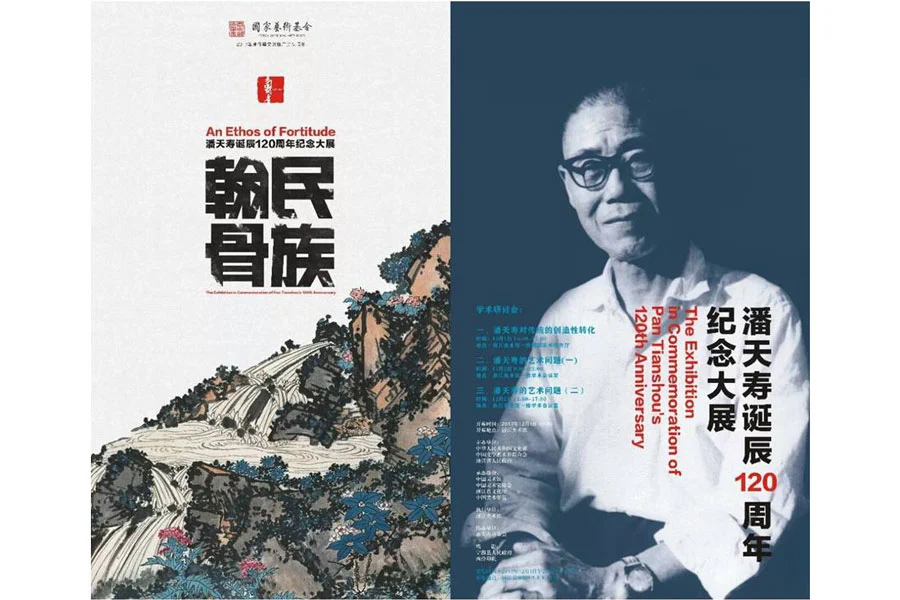
The exhibition, hailed as the most comprehensive display of the renowned artist’s legacy to date, features over 120 pieces of Pan Tianshou’s seminal artwork and personal manuscripts. This monumental presentation offers an unprecedented opportunity for the public to engage with the profound artistic and intellectual contributions of one of the 20th century’s most influential figures in Chinese painting and art education. The Zhejiang Art Museum, a prominent cultural institution situated in the heart of Pan’s birthplace province, provides a fitting and resonant venue for this significant commemoration.
Pan Tianshou, born in Zhejiang province in 1897, emerged as a towering figure whose impact extended far beyond his individual artistic output. His career was characterized by a steadfast dedication to the principles of traditional Chinese art while simultaneously embracing innovative approaches that pushed the boundaries of the medium. His influence as an educator was equally profound, shaping generations of artists and intellectuals through his leadership roles at prestigious institutions. He served as president of the Zhejiang Academy of Fine Arts, which later evolved into the esteemed China Academy of Art, a testament to his vision and commitment to fostering artistic talent. Furthermore, his esteemed positions as vice-president of the China Artists Association and vice-president of the Xiling Seal Engravers Society underscore his widespread recognition and respect within the national art community.
A Legacy Forged in Resilience and Innovation
The exhibition’s title, "An Ethos of Fortitude," aptly captures the spirit that defined Pan Tianshou’s life and work. Throughout his career, he navigated periods of immense social and political upheaval in China, from the turbulent early decades of the Republic to the transformative post-1949 era. His artistic philosophy was deeply rooted in the enduring strength and resilience of the Chinese spirit, often conveyed through his powerful depictions of nature, particularly birds and flowers, rendered with a distinctive bold brushwork and an acute sense of composition.
Born into a scholarly family in Ninghai County, Zhejiang, Pan Tianshou displayed an early aptitude for calligraphy and painting. His formal artistic education began at the Zhejiang Provincial First Normal School, where he studied under the tutelage of renowned artists like Lu Xun and Jing Hengyi. This period laid the foundation for his lifelong exploration of artistic principles. By the 1920s, Pan had begun to forge his unique style, characterized by a departure from the more delicate and ornate aesthetics prevalent at the time, towards a more robust and expressive approach. His works from this era, often featuring stark contrasts and monumental forms, signaled a departure from convention and an assertion of individual artistic will.
The Scope of the Exhibition
The extensive collection on display at the Zhejiang Art Museum encompasses a wide chronological and thematic range of Pan Tianshou’s oeuvre. Visitors can expect to encounter his iconic ink paintings, including his celebrated "birds and flowers" series, which are renowned for their dynamic energy and symbolic depth. These works are not merely decorative; they often carry layers of meaning, reflecting philosophical concepts and Pan’s deep connection to the natural world. The exhibition also features his less frequently displayed but equally significant calligraphic works and rare personal manuscripts, offering intimate glimpses into his creative process, his intellectual musings, and his pedagogical philosophies.
The sheer volume of works—over 120 pieces—makes this exhibition a landmark event. It allows for a comprehensive appreciation of Pan’s artistic evolution, from his early experimental phases to his mature and highly recognizable style. The inclusion of manuscripts is particularly crucial, as it provides context for his artistic theories, his critiques of contemporary art practices, and his vision for the future of Chinese art. These documents shed light on his rigorous approach to teaching and his unwavering commitment to upholding the integrity of traditional artistic values while encouraging innovation.
Pan Tianshou’s Enduring Influence as an Educator
Pan Tianshou’s role as an educator cannot be overstated. His tenure as president of the Zhejiang Academy of Fine Arts (now the China Academy of Art) was a pivotal period for the institution. He championed a curriculum that balanced the study of classical Chinese art with the incorporation of modern artistic concepts and techniques. He believed in cultivating not just skilled painters, but also individuals with a strong moral compass and a deep understanding of cultural heritage. His pedagogical approach emphasized rigorous training, critical thinking, and the development of a personal artistic voice.
His influence extended beyond the academy walls. As vice-president of the China Artists Association, he played a significant role in shaping national art policies and fostering a vibrant artistic community. His involvement with the Xiling Seal Engravers Society, a prestigious organization dedicated to the art of seal carving, further demonstrates his broad engagement with various facets of Chinese artistic practice. Through these leadership roles, Pan Tianshou actively worked to preserve and promote traditional Chinese arts while simultaneously advocating for their relevance in a rapidly changing world.
Contextualizing Pan Tianshou in 20th Century China
Understanding Pan Tianshou’s work requires an appreciation of the tumultuous historical backdrop against which he produced his art. The 20th century in China was a period of profound transformation, marked by the fall of the imperial system, the establishment of the Republic, years of civil war, and the eventual founding of the People’s Republic of China. These seismic shifts deeply impacted the cultural landscape, leading to debates about the role of traditional arts in a modernizing nation.
Pan Tianshou emerged as a powerful advocate for the preservation and evolution of Chinese painting. He recognized the challenges posed by Western artistic influences and the societal pressures to embrace modernization at the expense of cultural heritage. His art can be seen as a powerful assertion of Chinese artistic identity, a testament to the enduring strength and beauty of its traditions. His "Ethos of Fortitude" was not just a personal philosophy; it was a broader statement about the resilience of Chinese culture itself. He believed that true modernity did not necessitate the abandonment of the past, but rather a synthesis that honored tradition while embracing new possibilities.
Supporting Data and Artistic Analysis
The exhibition, by showcasing over 120 pieces, allows for a detailed analysis of Pan Tianshou’s artistic techniques. His masterful use of ink washes, his bold and decisive brushstrokes, and his innovative compositions are all on full display. For instance, his iconic depictions of eagles, often rendered with a powerful sense of movement and gravitas, are interpreted by art historians as symbolic representations of national strength and determination. Similarly, his delicate yet strong renderings of lotuses and other flora are seen as metaphors for purity, resilience, and the enduring spirit of nature.
Data from art market analyses consistently shows strong demand for Pan Tianshou’s works, with major pieces fetching significant prices at auction. This sustained interest underscores his enduring appeal and his status as a master artist. The current exhibition, by bringing together such a large and diverse collection, is likely to further solidify his position in the art historical canon and inspire new scholarly research.
Potential Reactions and Broader Implications
The opening of "An Ethos of Fortitude" is expected to draw significant attention from art enthusiasts, scholars, collectors, and the general public alike. Art critics are likely to commend the Zhejiang Art Museum for its ambitious undertaking in organizing such a comprehensive retrospective. The exhibition serves as a vital platform for re-examining Pan Tianshou’s contributions in the context of contemporary art discourse.
The broader implications of this exhibition are manifold. Firstly, it offers a crucial opportunity to educate younger generations about the richness and complexity of Chinese artistic heritage, fostering a deeper appreciation for traditional art forms. Secondly, it provides a valuable case study for understanding how artists navigate periods of significant societal change, offering insights into the intersection of art, culture, and politics. The exhibition’s focus on "fortitude" may also resonate deeply in the current global climate, serving as a reminder of the power of resilience and the enduring strength of cultural identity.
Furthermore, the exhibition contributes to Hangzhou’s growing reputation as a significant cultural hub in China. By hosting such a prominent exhibition, the Zhejiang Art Museum reinforces its commitment to showcasing and preserving China’s artistic treasures, attracting both domestic and international visitors. The event is more than just an art exhibition; it is a cultural dialogue, a historical commemoration, and a powerful testament to the enduring legacy of Pan Tianshou, an artist whose work continues to inspire and provoke thought over a century after his birth. The sheer scale and depth of the exhibition promise to leave a lasting impression on all who have the opportunity to experience it, solidifying Pan Tianshou’s place as a pivotal figure in the annals of Chinese art history.

 Asep Darmawan
 Rifan Muazin