Laily UPN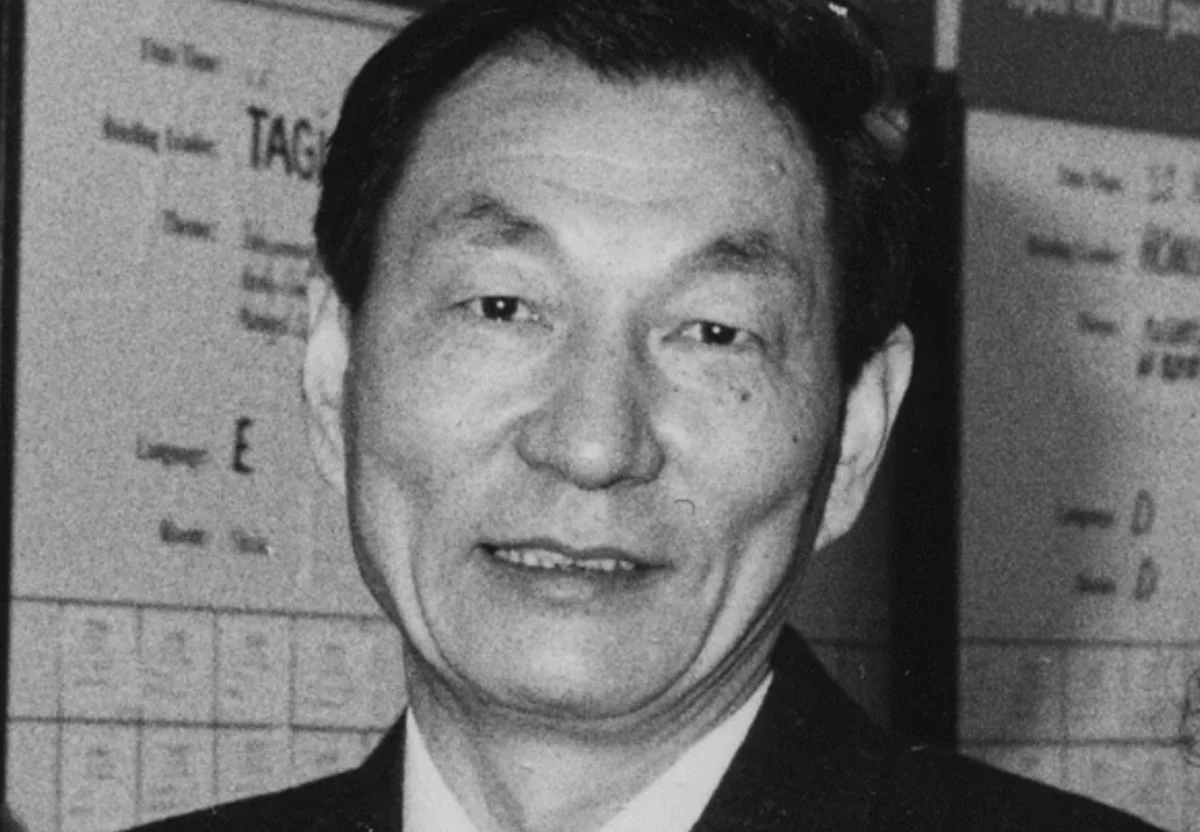
China is observing a period of national mourning for former Premier Zhu Rongji, who passed away last week at the age of 97. The tributes, marked by lowered flags at government buildings and widespread online commemorations, underscore the significant impact of the reformist leader who helmed the world’s second-largest economy during a pivotal era of its integration into the global marketplace. His funeral is scheduled to take place on Tuesday, culminating in the cremation of his remains, a standard practice for high-ranking officials in China.

A Statesman of Reform and Restructuring
Zhu Rongji, widely regarded as an "outstanding proletarian revolutionist and statesman" by the official Xinhua news agency, served as premier from 1998 to 2003. This period was characterized by his bold and often tough-minded approach to restructuring China’s state-owned enterprises (SOEs) and combating corruption. His tenure is credited with laying critical groundwork for China’s accession to the World Trade Organization (WTO) in 2001, a move that dramatically accelerated the nation’s economic opening and subsequent growth.
During his premiership, flags were flown at half-mast across Beijing, including at the iconic Tiananmen Square, a highly symbolic gesture of respect for a figure of national importance. The solemnity of these official observances was mirrored on social media platforms, where Zhu’s passing became a top trending topic. On Weibo, China’s microblogging platform, a sentiment of gratitude and remembrance dominated public discourse. One widely shared comment encapsulated the public’s feelings: "Thank you for everything you have done for this land – we will always remember you."

A Career Forged in Revolution and Governance
Born in 1928 in central China, Zhu Rongji rose through the ranks of the Communist Party of China following the revolution that brought Mao Zedong to power in 1949. His career trajectory included significant leadership roles, notably as mayor of Shanghai, a vibrant economic hub. His success in Shanghai, where he championed efficiency and modernization, paved the way for his national ascent, culminating in his appointment as vice premier and subsequently premier.
His leadership coincided with that of President Jiang Zemin, another key figure in China’s economic reforms. Together, they navigated the complexities of modernizing a centrally planned economy while preparing it for the challenges and opportunities of globalization. Zhu’s pragmatic and results-oriented leadership style earned him a reputation for decisiveness, even as his reform policies often involved difficult and unpopular decisions.

Key Achievements and Enduring Legacy
Zhu Rongji’s premiership was defined by several landmark achievements:
- State-Owned Enterprise (SOE) Reform: He spearheaded a massive overhaul of China’s SOEs, a process that involved significant downsizing, layoffs, and the closure of inefficient or loss-making enterprises. While this led to considerable social upheaval and job losses for millions, it was seen as essential for creating a more competitive and market-oriented economy. The aim was to transform these entities into modern corporations capable of competing on a global scale.
- WTO Accession: Zhu was a driving force behind China’s successful negotiations to join the WTO. This monumental achievement opened Chinese markets to foreign investment and trade, while also requiring China to adhere to international trade rules. It marked a critical step in China’s integration into the global economic system and is widely seen as a catalyst for its subsequent economic boom.
- Anti-Corruption Campaign: Zhu launched a vigorous campaign against corruption, a persistent problem within the Chinese bureaucracy. He understood that graft undermined public trust and hindered economic development. His personal commitment to integrity was evident in his own words, where he expressed a desire to be remembered as an "honest official, not a corrupt one."
- Financial Sector Modernization: He also focused on reforming China’s banking and financial systems, strengthening regulatory oversight and improving their capacity to support economic growth.
The impact of these reforms is undeniable. China’s GDP grew significantly during and after his tenure, transforming it from a developing nation into a global economic powerhouse. The dismantling of inefficient SOEs, though painful at the time, ultimately fostered greater productivity and innovation. The accession to the WTO integrated China into global supply chains and spurred unprecedented export growth.

Public Mourning and Online Tributes
The official mourning period reflects the enduring respect for Zhu Rongji’s contributions to China’s development. The lowered flags serve as a visible reminder of his stature, while social media buzz highlights the connection many Chinese citizens felt with his leadership. The online tributes, often expressing gratitude for his reformist vision, indicate that his legacy is viewed positively by a significant portion of the population, who associate his era with economic progress and improved living standards.
The mention of a farewell gathering attended by senior leaders of the ruling Communist Party before his cremation underscores the continued significance of his role in the party’s history. These events are typically characterized by solemn speeches that reiterate the deceased official’s contributions to the nation and the party’s ideology.

Context of China’s Economic Transformation
Zhu Rongji’s reforms occurred during a period of immense transition for China. The country was moving away from a rigid, centrally planned economy towards a socialist market economy. This shift involved navigating ideological debates, managing social unrest arising from economic restructuring, and asserting China’s presence on the international stage. Zhu’s pragmatic approach, often characterized by a willingness to take calculated risks and confront entrenched interests, was instrumental in steering China through these complex challenges.
His premiership was a critical juncture, consolidating the economic opening initiated by Deng Xiaoping and setting the stage for the continued rapid growth that has characterized China in the 21st century. The decisions made under his leadership, particularly regarding SOE reform and WTO entry, have had long-lasting and profound implications for both China and the global economy.

Looking Ahead: The Enduring Impact of Zhu Rongji’s Policies
As China bids farewell to Zhu Rongji, the nation is reflecting on the profound changes he helped usher in. His legacy is intertwined with the dramatic economic transformation of China, a journey that has lifted hundreds of millions out of poverty and reshaped the global economic landscape. While the reforms he championed were not without their social costs, their overall impact on China’s modernization and its rise as a global economic power is widely acknowledged. His commitment to integrity and his decisive leadership continue to be points of reference in discussions about China’s development trajectory. The current generation of Chinese leaders, while pursuing their own economic agendas, operate within the framework of an economy significantly shaped by Zhu Rongji’s groundbreaking work.

 Nila Kartika Wati
 Basiran