Siti Muinah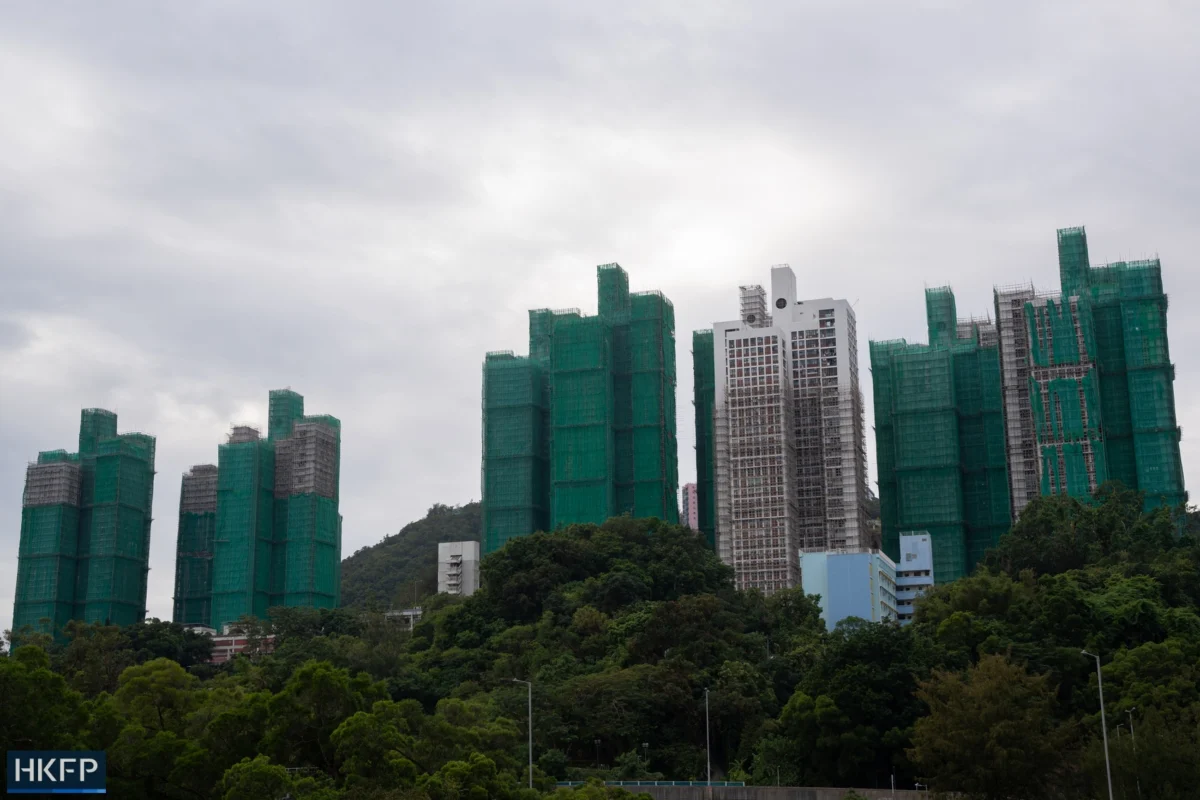
Hong Kong’s Competition Commission has launched a significant enforcement action, conducting raids at 12 premises in an operation codenamed "Hunter" that targets alleged bid-rigging activities. The investigation centers on 28 building renovation projects valued at approximately HK$500 million. The raids, which took place on Wednesday, August 12, 2026, included the offices of four unnamed building contractors, signalling a broad and intensive effort by the city’s competition authority to curb anti-competitive practices within the crucial building maintenance sector.
This latest operation is a direct escalation of an ongoing probe initiated in January 2026. During the initial phase, the Competition Commission searched the offices of 14 companies, encompassing project contractors and consultancy firms, in relation to suspected bid-rigging involving building renovation contracts worth an estimated HK$700 million. The findings from that earlier investigation have now evidently provided sufficient grounds to broaden the scope of the inquiry and intensify enforcement.

Unearthing a Hidden Syndicate
The Competition Commission revealed in a statement released on Thursday that a critical breakthrough occurred during the January raids. Among the evidence seized, the Commission uncovered a series of suspicious text messages. These messages allegedly exposed the potential existence of a distinct and previously undetected bid-rigging syndicate. This syndicate is believed to have attempted to manipulate the outcome of tender processes for building maintenance projects.
According to the watchdog’s statement, the intercepted communications indicated that a contractor, not initially under investigation, had actively sought to recruit other firms through intermediaries to submit "cover bids." Cover bids are essentially non-competitive offers submitted with the intention of making a pre-determined winning bid appear legitimate. The revealed conversation suggests a sophisticated scheme designed to artificially influence the tender results, thereby undermining fair competition.

The contractor suspected of orchestrating this alleged bid-rigging operation is said to have provided pricing instructions to other firms. Within the syndicate, these instructions were reportedly referred to as "homework," a clandestine term highlighting the coordinated nature of their illicit activities aimed at manipulating tender outcomes. The scale of the alleged manipulation is substantial, with the 28 building renovation projects under scrutiny spread across 12 districts of Hong Kong. Alarmingly, the Commission noted that some of these projects had not yet been awarded, indicating that the syndicate may have been actively seeking to influence future contracts as well.
A Pattern of Enforcement Following a Tragic Fire
The intensified crackdown on bid-rigging in the building maintenance market is intrinsically linked to the devastating fire that occurred at Wang Fuk Court in Tai Po in November 2025. This catastrophic event, which claimed the lives of 168 people and displaced thousands, making it one of the city’s worst fire disasters in decades, cast a stark spotlight on potential systemic failures within the building maintenance and renovation industry.

In the wake of the Tai Po fire, the Competition Commission has been increasingly vocal about the prevalence of anti-competitive behaviour. In March 2026, the Commission took legal action by suing a purported "building maintenance cartel." This cartel was accused of securing contracts for multiple housing estates, collectively worth nearly HK$700 million, through a combination of bid-rigging and other illicit practices. Notably, the fire-hit Wang Fuk Court was among the locations where these alleged malpractices took place.
During a public inquiry into the Tai Po fire held in July 2026, the Competition Commission made a strong appeal for anti-competition behaviour, including bid-rigging, to be criminalised. The watchdog described such practices as "widespread" and "systematic" within Hong Kong, underscoring the deep-rooted nature of the problem. Currently, breaches of Hong Kong’s Competition Ordinance are treated as civil matters, with cases heard by the Competition Tribunal. While the Tribunal has the power to impose sanctions such as substantial fines and director disqualifications, the Commission’s call for criminalisation signals a desire for stronger deterrents.
The public inquiry into the Wang Fuk Court blaze revealed that non-fire-retardant construction materials had been used in a major renovation project at the Tai Po housing estate. This choice of materials was identified as a contributing factor to the rapid spread of the fire. Furthermore, suspicions of bid-rigging were raised concerning the tender process for the HK$336 million renovation project at Wang Fuk Court itself. An independent committee tasked with investigating the fire is expected to submit its report in October 2026, which will detail the causes of the tragedy and the systemic failures that contributed to the high casualty count.

The Scope and Implications of Bid-Rigging
Bid-rigging is a form of price-fixing and market allocation that subverts the integrity of the tendering process. It typically involves agreements between potential bidders to refrain from competing genuinely. This can manifest in several ways, including:
- Cover Bidding: As alleged in the current investigation, one party arranges for others to submit non-competitive bids to ensure a specific outcome.
- Bid Rotation: Bidders agree to take turns winning contracts in different tenders.
- Complementary Bidding: Bidders submit bids that are intentionally too high or otherwise unattractive to ensure a designated winner secures the contract.
- Market Division: Competitors agree to divide the market geographically or by product/service type, allocating specific tenders to each other.
The economic consequences of bid-rigging are significant. It leads to inflated prices for consumers, property owners, and government bodies, as competition is artificially suppressed. This not only results in financial losses but can also compromise the quality of goods and services procured, as contractors may have less incentive to innovate or provide value when their success is predetermined.

In the context of building maintenance and renovation, bid-rigging can have particularly serious implications. It can lead to substandard materials being used, improper construction techniques being employed, and a general neglect of safety standards, as was tragically highlighted by the Wang Fuk Court fire. The HK$500 million figure involved in the current investigation represents a substantial amount of public and private funds that could have been misallocated due to these alleged anti-competitive practices.
The Competition Commission’s proactive stance, demonstrated through the "Hunter" operation and its preceding investigations, reflects a growing commitment to ensuring a level playing field in Hong Kong’s economy. The systematic nature of the alleged bid-rigging within the building maintenance sector suggests that this is not an isolated issue but rather a pervasive problem that requires sustained regulatory attention.
Official Statements and Future Outlook

While the Competition Commission has not named the four raided contractors, the operation’s scale and its connection to previous investigations indicate a serious threat to fair competition. The Commission’s mandate, under the Competition Ordinance, is to prevent anti-competitive practices that harm consumers and businesses. The current investigation aims to gather further evidence to determine if specific clauses of the ordinance, such as the prohibition of anti-competitive agreements, have been violated.
The Competition Commission has consistently emphasized the importance of whistleblowers in uncovering such practices. The breakthrough in the "Hunter" operation, stemming from the analysis of text messages seized in January, underscores the value of diligent evidence gathering and the potential for digital communications to reveal clandestine activities.
The broader implications of this ongoing crackdown extend beyond the immediate financial impact. By targeting bid-rigging in a sector critical to urban infrastructure and residential safety, the Commission is sending a clear message to the industry. The call for criminalisation of such offences, if enacted, would represent a significant shift in regulatory enforcement, potentially leading to more severe penalties and a stronger deterrent effect.

As the investigation progresses, the public will be keen to see the outcome and any potential legal actions that may arise. The Competition Commission’s commitment to rooting out bid-rigging, particularly in light of the Tai Po fire tragedy, highlights the critical role of competition law in safeguarding public interest and ensuring the integrity of essential services within Hong Kong. The success of Operation "Hunter" and subsequent enforcement actions will be a key indicator of the effectiveness of Hong Kong’s regulatory framework in combating complex cartel behaviour. The ongoing scrutiny of the building maintenance sector is expected to continue, with potential for further investigations and enforcement actions as more information comes to light.


 Sagoh
Sagoh
 Laily UPN