Muslim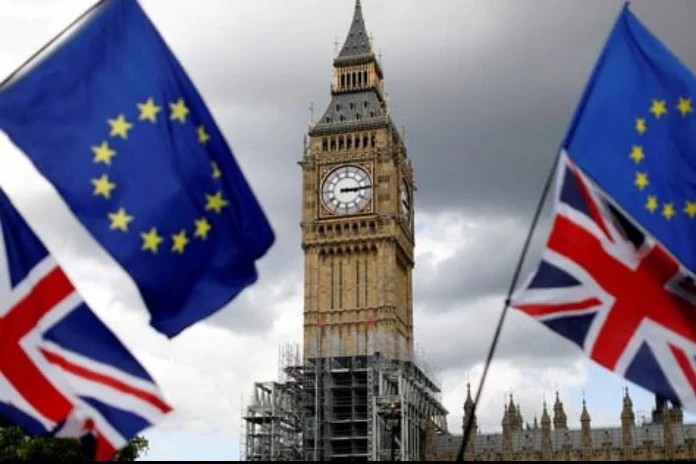
Brexit Secretary David Davis expressed optimism on Sunday that a comprehensive trade agreement between Britain and the European Union could be finalized within a year, following a significant breakthrough in withdrawal negotiations. The declaration comes after Prime Minister Theresa May secured a preliminary deal in Brussels on Friday, a development that Davis asserted has "dramatically" reduced the likelihood of the UK exiting the bloc without any trade arrangements in place.
A Crucial Turning Point in Brexit Negotiations
The agreement reached in Brussels, though described by Davis as a "statement of intent" rather than a legally binding document, is viewed as a pivotal moment that paves the way for the next crucial phase of discussions: the future relationship between the UK and the EU. European Commission President Jean-Claude Juncker’s recommendation to the European Council to open these talks was contingent upon this initial progress. Without this accord, the path towards defining Britain’s post-Brexit economic and political landscape would have remained considerably more uncertain.
The primary objective for the UK, as articulated by Davis, is to establish a free-trade agreement that eliminates tariffs on goods. He ambitiously described his desired outcome as a "Canada plus plus plus" deal. This terminology draws a parallel to the comprehensive free trade agreement between Canada and the EU, but Davis envisions a more ambitious arrangement for the UK. Critically, he seeks to extend tariff-free access to include financial services, a sector that represents a substantial portion of the British economy, particularly the City of London’s global financial hub and its multi-billion dollar banking cluster.
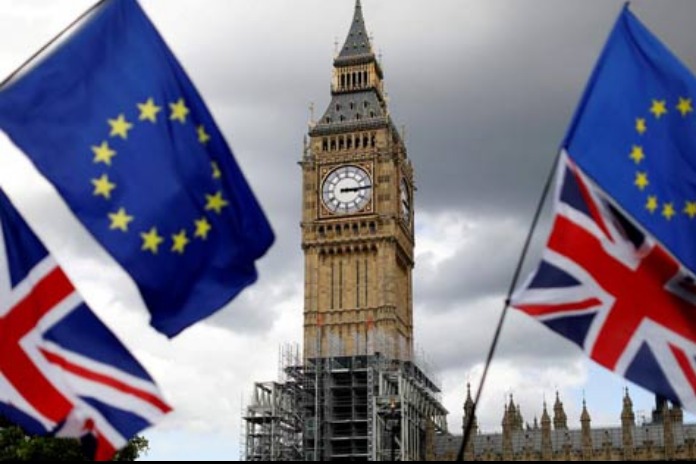
Davis further elaborated on his vision for a bespoke Brexit deal, stating, "We’ll probably start with the best of Canada, and the best of Japan and the best of South Korea and then add to that the bits that are missing which is the services." This suggests a desire to cherry-pick the most advantageous elements from existing trade agreements and integrate them with specific provisions for the UK’s service-based economy. This approach underscores the UK’s ambition to forge a unique trading relationship that leverages its strengths while mitigating potential economic disadvantages of leaving the EU’s single market and customs union.
The Path to a Trade Deal: A Projected Timeline
Davis’s assertion that a substantive trade deal could be struck within a year offers a degree of clarity and potential reassurance to businesses and markets grappling with the complexities of Brexit. The timeline, while ambitious, signals a commitment to moving beyond the initial withdrawal phase and focusing on the long-term economic partnership. This period of negotiation will undoubtedly be closely scrutinized by all parties involved, with significant implications for investment, employment, and consumer prices across the UK and the EU.
Addressing the Border Issue: A Commitment to Frictionless Movement
A persistent and highly sensitive issue in the Brexit negotiations has been the border between Northern Ireland and the Republic of Ireland. Davis reiterated Britain’s commitment to maintaining a "frictionless and invisible" border. This objective is crucial for preserving the Good Friday Agreement, a landmark peace accord that ended decades of sectarian conflict. The commitment suggests that even in the event of a "no deal" scenario, the UK government would actively seek solutions to avoid reintroducing a hard border, which could reignite tensions and disrupt the fragile peace. The specifics of how this will be achieved, particularly in the absence of a comprehensive trade deal that might naturally align regulatory frameworks, remain a subject of intense discussion and innovation.

Opposition’s Perspective: Seeking Continued Integration
In contrast to Davis’s vision of a bespoke deal, Keir Starmer, the Brexit spokesman for the main opposition Labour Party, articulated a preference for a closer partnership with the EU. Starmer indicated that Labour desires an arrangement that would retain the benefits of the European single market and the customs union. This stance suggests a desire to minimize economic disruption by maintaining a high degree of integration with the EU’s existing economic structures, a position that diverges significantly from the current government’s stated aims. The differing approaches from the government and the opposition highlight the deep divisions within British politics regarding the desired nature of the UK’s future relationship with the EU.
The Financial Undertakings and Future Trade
The agreement reached in Brussels includes a commitment from Britain to a divorce settlement estimated at around 39 billion pounds (approximately 52.2 billion U.S. dollars). However, it is crucial to note that this final sum is contingent upon the successful negotiation and agreement of a future trade deal between the UK and the EU. This linkage underscores the interconnectedness of the withdrawal process and the future economic partnership. The finalization of the divorce bill is therefore intertwined with the ability of both sides to forge a mutually beneficial trade arrangement.
Background and Context: The Journey to the Brussels Agreement
The agreement reached on Friday in Brussels marked a significant milestone after months of often fraught negotiations. The initial stages of the Brexit talks were dominated by complex issues such as citizens’ rights, the financial settlement, and the Irish border. Progress was slow, with the EU often expressing frustration at the UK’s perceived lack of clarity and decisiveness.

The negotiations have been a test of political will and diplomatic skill for both sides. For the UK, the challenge has been to reconcile the mandate of the 2016 referendum to leave the EU with the practicalities of disentangling from a deeply integrated economic and political bloc. For the EU, the objective has been to ensure the integrity of the single market, protect the rights of its citizens, and avoid setting a precedent that could encourage other member states to leave.
The preliminary deal in Brussels addressed several key areas, including:
- Citizens’ Rights: Guarantees for EU citizens living in the UK and UK citizens living in the EU, ensuring their rights to live, work, and access services are protected.
- Financial Settlement: The commitment to pay a sum to cover the UK’s outstanding financial obligations to the EU budget.
- Irish Border: An agreement to avoid a hard border on the island of Ireland, with the UK proposing a "common regulatory framework" for goods in Northern Ireland and the rest of the UK. This aspect of the agreement has been particularly contentious and subject to ongoing interpretation.
The breakthrough in Brussels was seen by many as a testament to Prime Minister Theresa May’s resilience and her ability to navigate internal political divisions within her own Conservative Party, as well as the complexities of the EU negotiations. However, the deal still requires ratification by both the UK Parliament and the European Parliament, a process that is expected to be challenging.

Analysis of Implications: Navigating the Path Ahead
The prospect of a trade deal within a year, as suggested by David Davis, offers a potential roadmap for businesses and investors. However, the devil will be in the details. The "Canada plus plus plus" model, while aspirational, faces significant hurdles. The EU’s commitment to protecting the integrity of its single market means that any bespoke agreement for the UK will likely involve trade-offs. The inclusion of financial services in a tariff-free arrangement, for instance, would require a level of regulatory alignment that could be difficult to achieve without compromising the UK’s ability to diverge from EU rules.
The divergence in approach between the government’s desire for a more distant relationship and Labour’s preference for closer ties highlights the fundamental choices facing the UK. The outcome of these deliberations will shape the nation’s economic future for decades to come.
The commitment to a frictionless border in Ireland, while politically necessary, presents complex practical challenges. The proposed "common regulatory framework" for goods in Northern Ireland could lead to a de facto customs border in the Irish Sea, creating new trade barriers between Great Britain and Northern Ireland. Finding a solution that satisfies all parties and respects the integrity of both the UK and the EU’s internal markets will require considerable ingenuity and compromise.

The financial settlement, while agreed in principle, remains tied to the success of future trade talks. This linkage could create leverage for both sides during the upcoming negotiations, but it also introduces an element of uncertainty. The final cost of Brexit to the UK treasury will only become clear once the comprehensive trade agreement is finalized.
In conclusion, the recent agreement in Brussels represents a significant step forward in the complex and multifaceted process of Brexit. While optimism for a swift trade deal has been expressed by key figures in the UK government, the path ahead remains fraught with challenges. The ability of the UK and the EU to forge a new, mutually beneficial relationship will depend on their willingness to compromise, their capacity for innovative solutions, and their commitment to preserving peace and prosperity for all their citizens. The coming year will be critical in determining the ultimate shape of Britain’s post-Brexit future.


 Nana Wu
 Suro Senen