Nana Muazin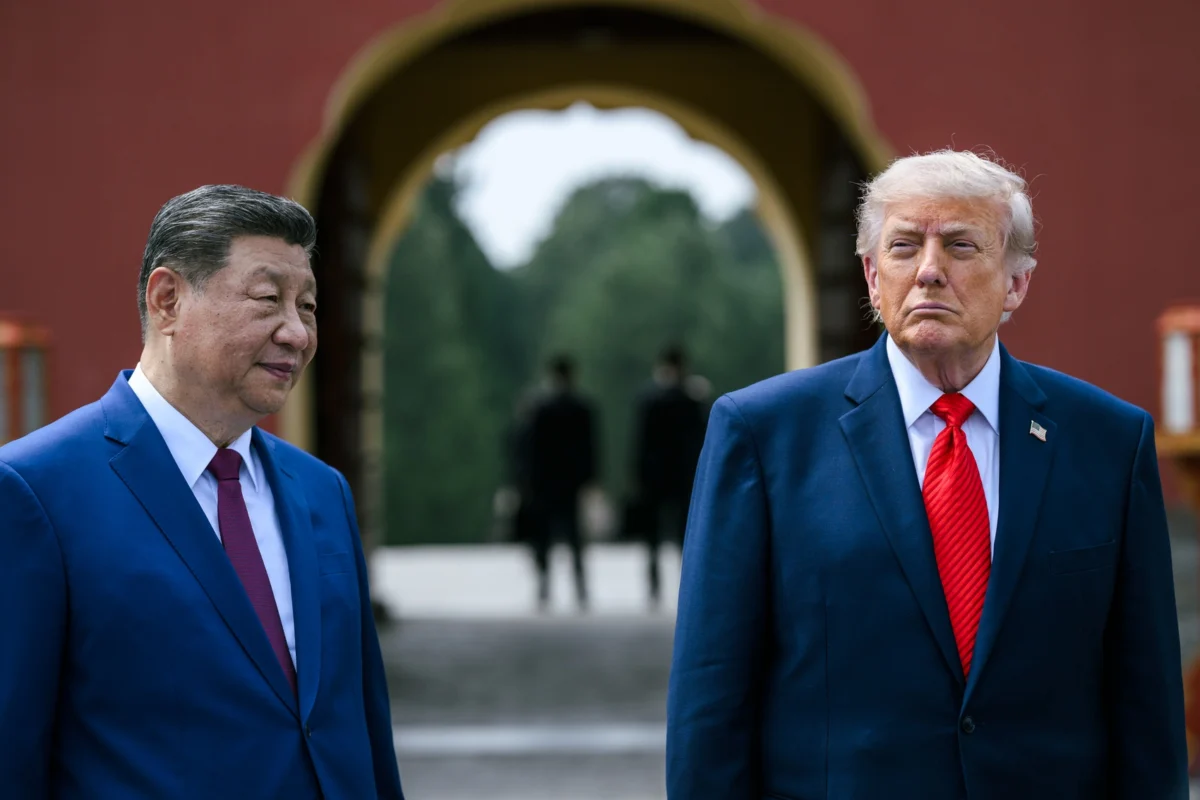
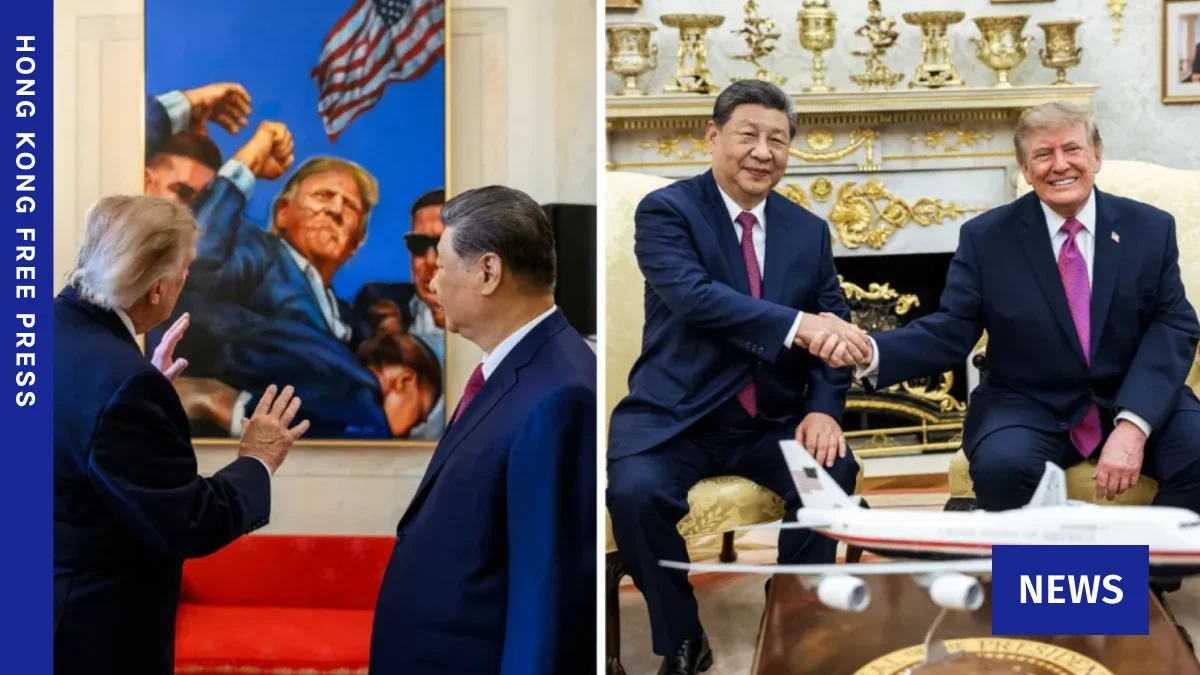
US President Donald Trump faces mounting pressure to formulate a decisive response to the rapidly increasing success of Chinese artificial intelligence (AI) models. These models, often lauded for their cost-effectiveness, are increasingly being preferred by numerous companies globally, even over the more powerful, yet considerably pricier, American versions developed by industry leaders like Anthropic and OpenAI. This burgeoning preference for Chinese alternatives has ignited a fervent debate within the Trump administration, prompting a review of existing policies and the consideration of new, potentially far-reaching, restrictions.
The "Distillation" Controversy: Allegations of Illicit Copying
The controversy reached a critical juncture this week with the launch of Kimi K3 by the Chinese AI firm Moonshot. White House officials have vociferously alleged that Kimi K3 was developed by "stealing" the advanced capabilities of Anthropic’s most powerful model, Claude, through a process known as "distillation." While distillation is a widely recognized and utilized method across the AI industry—typically involving the training of a smaller, more efficient "student" model to replicate the behavior and outputs of a larger, more complex "teacher" model—US officials contend that Chinese firms are deploying it "at scale to illicitly copy proprietary American systems."
AI distillation, in its legitimate application, serves to optimize models for specific tasks or to reduce computational requirements, making them more accessible and efficient for deployment on various hardware. However, the American accusation centers on the alleged unauthorized and systematic extraction of intellectual property. This implies that Chinese companies are not merely learning from publicly available research but are actively reverse-engineering or exploiting the outputs of proprietary US models to create directly competitive products without incurring the significant research and development costs borne by their American counterparts.

Anthropic, a leading US AI developer, has been particularly vocal on this issue. Earlier this year, the company formally alerted US lawmakers to the practice, specifically accusing Chinese firms Moonshot, DeepSeek, and MiniMax of engaging in "industrial-scale distillation" of its Claude models. Sarah Heck, Anthropic’s Head of Public Policy, articulated the company’s strong condemnation on X (formerly Twitter), asserting that illicit distillation "is IP theft and industrial espionage" and constitutes "a national challenge that creates serious national security risks for the United States and democratic allies." This statement underscores the gravity with which the US AI industry views the alleged practices, elevating the debate from a commercial dispute to a matter of national security and technological sovereignty.
Escalating US Government Response
The Trump administration has signaled a robust and multi-faceted response to these allegations. Michael Kratsios, Director of the White House Office of Science and Technology Policy (OSTP), publicly decried the distillation practice, further suggesting that Moonshot may have circumvented existing US export curbs on powerful AI chips from Nvidia, which are crucial for building and training advanced AI products. This allegation, if substantiated, would represent a direct challenge to the US strategy of limiting China’s access to cutting-edge semiconductor technology vital for AI development.
In a tangible step towards enforcement, the Commerce Department’s Bureau of Industry and Security (BIS), the agency responsible for export controls, has initiated a formal investigation into Chinese firms, including Moonshot, regarding their use of these restricted Nvidia chips. A spokesperson for the Commerce Department confirmed this investigation to The Information, indicating the administration’s resolve to scrutinize the entire AI supply chain.
Further amplifying the pressure, Treasury Secretary Scott Bessent this week openly threatened sanctions against China. These potential financial penalties could target specific Chinese AI companies, individuals, or even broader sectors deemed complicit in intellectual property theft or circumvention of US controls. Reports also suggest that the US government is actively weighing a more sweeping measure: a potential ban or significant curbs on foreign-made open-source models that are frequently developed through distillation. Such a move would represent a dramatic escalation, impacting not only Chinese companies but potentially the broader global AI ecosystem.

A Deep Dive into the US-China Tech Rivalry: Historical Context
This current dispute over AI models is not an isolated incident but rather the latest, and arguably most significant, front in the ongoing technological rivalry between the United States and China. For years, the two economic superpowers have been locked in a strategic competition for dominance in critical technologies. Previous flashpoints include the US blacklisting of Chinese telecommunications giant Huawei over national security concerns, stringent export controls on advanced semiconductors, and a protracted trade war that saw tariffs imposed on billions of dollars worth of goods.
The strategic importance of AI cannot be overstated; it is widely considered the foundational technology of the 21st century, pivotal for economic growth, national defense, scientific research, and global influence. The US has long viewed its leadership in AI as a critical component of its global technological supremacy. Consequently, Washington has implemented a series of measures designed to slow China’s progress in this field, most notably by restricting Beijing’s access to high-end chips manufactured by companies like Nvidia, essential for training and deploying sophisticated AI models. The current shift in focus from hardware (chips) to software and intellectual property (AI models and their training data/methods) signifies an evolution in this geopolitical tech struggle, indicating that the US is now confronting challenges at multiple layers of the AI stack. The core objective remains the same: to maintain a technological edge and prevent adversaries from exploiting perceived vulnerabilities.
The Economic Landscape: Cost vs. Power
The market dynamics driving the preference for Chinese AI models are rooted in a fundamental trade-off between raw power and economic accessibility. US AI giants like Anthropic, OpenAI, and Google have invested colossal sums into developing cutting-edge proprietary models that are undeniably powerful, boasting superior capabilities in complex reasoning, nuanced language understanding, and multimodal generation. However, this power comes at a significant financial cost, making these models expensive to license and operate. Furthermore, proprietary models are typically offered "as is," limiting customization options for users.

In contrast, Chinese firms are increasingly offering "good enough" AI models that are significantly more cost-effective. While they might not always match the peak performance of their American counterparts, their efficiency, lower operational costs, and often greater flexibility – especially in the context of open-source or open-weight models – make them highly attractive. For many businesses, particularly startups and those operating with tighter budgets, a model that performs adequately at a fraction of the cost is a compelling proposition. This economic advantage fuels the "increasing success" of Chinese AI models in the global marketplace, enabling broader adoption and fostering an ecosystem where innovation can occur without the prohibitive entry barriers imposed by high-cost proprietary solutions. The allure of open-source models, in particular, lies in their transparency, the ability for programmers to customize their source code, and the freedom from vendor lock-in, all of which are deeply appreciated by startups and companies seeking greater autonomy over their AI infrastructure.
Industry Divided: The Battle for AI’s Future
The proposed US policy changes have sharply divided the American tech industry, highlighting the complex tension between national security, economic competitiveness, and the principles of open innovation.
US AI Giants’ Perspective: Companies like Anthropic and OpenAI are at the forefront of advocating for stricter controls. Their business models rely heavily on proprietary technology and intellectual property. The alleged "industrial-scale distillation" directly threatens their competitive advantage, potentially undermining years of costly research and development. Furthermore, both OpenAI and Anthropic are reportedly facing "huge financial pressure" ahead of anticipated Initial Public Offerings (IPOs) in the coming months. Wall Street scrutinizes business performance meticulously before public listings, and any erosion of their proprietary advantage or market share due to cheaper, copied alternatives could negatively impact their valuations. Their lobbying efforts in Washington, framing open-model AI as a security threat, are thus seen as a strategic move to protect their investments and solidify their market positions.
US Startup Community’s Counter-Argument: On the other side of the debate stands a significant portion of the US startup community. Represented by groups like the "Little Tech Association," a coalition of 179 startups collectively penned a letter to the Trump administration on Wednesday, urging caution against any outright ban or strict curbs on foreign-made open-source models. Their argument is rooted in the principles of competition and accessibility. They contend that "denying American startups access to models available abroad would stifle competition, entrench incumbents, and function as a tax on intelligence." They argue that open-source models, regardless of their origin, foster innovation by providing affordable, customizable tools that empower smaller players to compete with the established giants. Bill Gurley, a prominent former venture capitalist, echoed this sentiment in The Washington Post, stating, "Lobbyists are urging Washington to treat open-model AI as a security threat. In fact, it is something more familiar: proper competition that should be welcomed." For startups, access to a diverse range of AI tools, including cost-effective foreign options, is crucial for fostering a vibrant and competitive innovation ecosystem.

Nvidia’s Stance: Adding another layer of complexity is the position of Jensen Huang, CEO of Nvidia, a company that designs the indispensable graphic processing units (GPUs) that form the core infrastructure for nearly all advanced AI development, regardless of whether it’s for proprietary or open-source models, or for US or Chinese firms. Huang firmly believes that American companies should "absolutely" be allowed to use Chinese AI models. Speaking to Axios, he stated, "These Chinese models are excellent. Open source models that are excellent should be used." Nvidia’s perspective is influenced by its position as a global supplier; its business thrives on the widespread adoption and development of AI, irrespective of national origin. Restricting access to certain models could potentially fragment the market and reduce the overall demand for the high-performance chips that are Nvidia’s bread and butter.
The "Kimi Panic" and the Administration’s Internal Debate
The internal dynamics within the Trump administration further complicate the policy formulation. David Sacks, a former chief on AI policy within the White House who retains significant influence and the president’s ear, has openly dismissed the current concerns as "The Kimi Panic." Sacks, a known proponent of a less interventionist approach, argued on X that "President Trump’s light-touch regulatory approach is working… As long as we don’t sabotage ourselves with unnecessary rules, the US will continue to win." His statement highlights a key ideological divide: whether heavy-handed regulation and protectionist measures are ultimately beneficial for long-term US technological leadership, or if they risk stifling the very innovation they aim to protect. This internal debate underscores the challenging balancing act for the administration: how to protect national interests and intellectual property without inadvertently hamstringing the domestic AI ecosystem and alienating key industry stakeholders.
Potential Policy Implications and Broader Impact
The decisions made by the Trump administration in response to the "Kimi Panic" will have profound and far-reaching implications across economic, geopolitical, and technological landscapes.

Economic Impact:
- For US Startups: Imposing bans or strict curbs on foreign-made open-source models would likely result in higher operational costs and limited choices for American startups. This could slow down their innovation cycles, reduce their competitiveness against larger, incumbent US AI firms, and potentially force some to seek opportunities in less restrictive markets abroad. The "tax on intelligence" feared by the Little Tech Association could become a reality, hindering the very entrepreneurial spirit the US prides itself on.
- For US AI Giants: While such restrictions might offer a temporary market advantage to companies like Anthropic and OpenAI by reducing competition from cheaper alternatives, it risks alienating the broader tech ecosystem that relies on open-source tools. This could foster resentment and potentially drive developers towards non-US platforms in the long run.
- For Chinese AI: Sanctions and export controls could further isolate China’s AI industry, but they could also galvanize Beijing’s efforts towards greater indigenous innovation and self-reliance, potentially leading to a more bifurcated global AI landscape.
Geopolitical Ramifications:
- Escalation of US-China Tech War: The current dispute could significantly escalate the ongoing tech rivalry, potentially leading to further decoupling of technological ecosystems. This could result in a "digital iron curtain," where different regions operate on distinct, incompatible AI standards and platforms.
- Impact on International Norms: The debate challenges existing international norms around intellectual property in the digital age. Defining and enforcing IP rights for AI models, especially when "distillation" blurs the lines between learning and copying, presents a complex legal frontier that could shape future international agreements and disputes.
- Global Supply Chains: Any new restrictions could further disrupt global supply chains, impacting not just AI software but also the hardware components that power it, leading to increased costs and reduced efficiency worldwide.
Technological Trajectory:
- Future of Open-Source AI: The fate of open-source AI hangs in the balance. If restrictions are broadly applied, it could stifle the collaborative spirit that has driven much of AI’s rapid advancement. Conversely, if open-source models are deemed a legitimate form of competition, it could accelerate global AI progress by making powerful tools accessible to more developers.
- Defining AI IP: The controversy forces a critical examination of what constitutes intellectual property in AI. Is it the training data, the model architecture, the weights, or the outputs? Clear definitions and international consensus are urgently needed but difficult to achieve.
- Pace of Global AI Development: Fragmentation and protectionism could slow down the overall pace of global AI development by limiting cross-border collaboration and the sharing of knowledge and tools. An open and competitive environment, as advocated by Nvidia’s CEO, is often seen as conducive to faster progress.
National Security:
- The core dilemma for the US government is how to effectively balance perceived national security threats from foreign AI models with the economic benefits of fostering a competitive and innovative domestic AI industry. Overly restrictive policies, while aiming to protect, could inadvertently weaken the US’s long-term competitive edge by increasing costs and limiting access to vital tools for its own innovators.
Conclusion: A Pivotal Moment for AI Governance

The current predicament facing the Trump administration is a microcosm of the larger, complex challenges confronting global AI governance. The decisions made in response to the alleged illicit distillation of US AI models, and the broader debate around foreign-made open-source technologies, will have long-lasting consequences. These choices will not only shape the trajectory of the AI industry in the United States and China but also profoundly influence the future of US-China relations, the global technological landscape, and the very principles of innovation and competition that define the digital age. The administration must navigate a treacherous path, balancing the imperative of national security and intellectual property protection with the benefits of open markets, competition, and the collaborative spirit that has historically fueled technological advancement. This moment represents a pivotal juncture in the global race for AI supremacy, demanding a nuanced and strategically informed response.

 Jia Lissa
 Azzam Bilal Chamdy