Muslim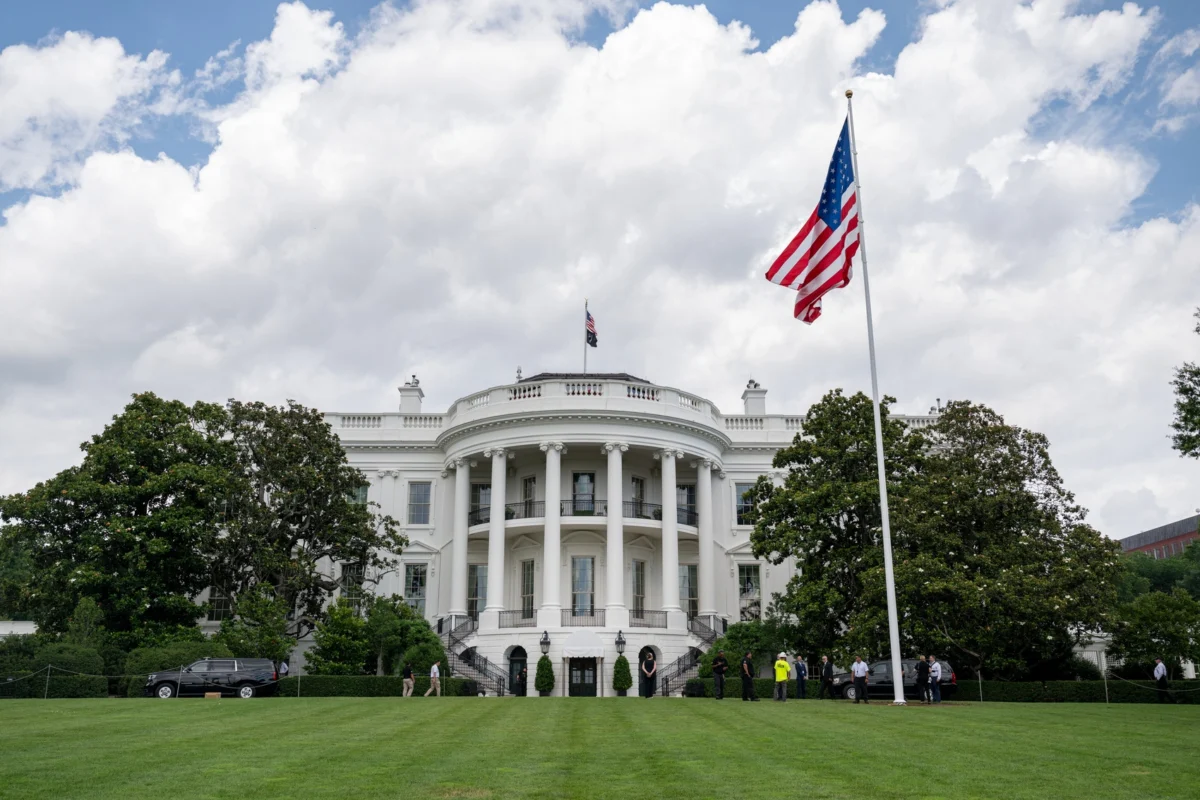
In July, Hong Kong’s vibrant cultural scene found itself at the center of intense scrutiny, marked by a series of events that have reverberated both locally and internationally. The month witnessed the dramatic raids on two independent bookstores, including one with a distinguished 50-year history, leading to the seizure of books and the arrest of staff members. These actions, alongside broader national security-related developments, have sparked significant concern among booklovers and human rights advocates worldwide, particularly in Taiwan. This report provides a comprehensive overview of these key events, offering context, reactions, and implications for Hong Kong’s civil liberties and cultural freedom.

Bookstore Raids and Arrests: A Crackdown on Sedition
The most prominent incident occurred on July 15, when Hong Kong’s national security police executed raids on two independent bookstores: Have a Nice Stay and Greenfield Bookstore. The operation resulted in the arrest of five individuals on suspicion of committing sedition. A government statement released that evening detailed the allegations, stating that the arrested individuals were suspected of engaging in acts with seditious intent, an offense categorized under Article 23 of the city’s homegrown security law.
The police investigation alleged that the five individuals were involved in the display and sale of materials deemed to possess seditious intent. According to the authorities, these contents were believed to incite hatred towards the Hong Kong government, the judiciary, and law enforcement bodies. State-backed media outlet Wen Wei Po reported that Hong Kong Customs had previously identified certain books as seditious within shipments arriving from overseas, suggesting a coordinated effort to identify and suppress potentially subversive literature.

The joint operation between Hong Kong Customs and the Police Force underscored the government’s commitment to enforcing the national security law. Hong Kong’s Security Minister, Chris Tang, defended the raids and arrests, asserting that the law’s provisions are clear. However, on July 17, Tang clarified that authorities would not provide a definitive list of prohibited books. Instead, he placed the onus on booksellers to exercise due diligence and ensure that all titles on their shelves comply with the law, a stance that has created an environment of uncertainty for the literary community.
The Closure of Greenfield Bookstore and a Wider Trend
The impact of these raids was swiftly felt within the independent bookselling community. Just two weeks after the police operation, Greenfield Bookstore, a venerable establishment that had been serving readers since 1976, announced its impending closure. In heartfelt social media posts, the bookstore expressed gratitude to its patrons for their support over its five-decade existence, stating, "Thank you for walking with us, through wind and rain, for 50 years since our opening." While the exact date of closure was not specified, it marked the end of an era for a significant cultural landmark.

Greenfield Bookstore’s announcement followed a concerning trend of independent bookstores ceasing operations. Merely days before the July 15 raids, Have a Nice Stay had announced its own closure, citing financial difficulties and "unclear red lines" – a veiled reference to the increasingly restrictive environment. Prior to that, Elmbook had also declared the closure of its physical store, a decision made after the bookstore, along with Luck Win Bookshop, reportedly faced a ban from participating in the annual Hong Kong Book Fair. These closures collectively signal a chilling effect on the city’s independent literary spaces, raising alarms about the future of free expression and cultural diversity in Hong Kong.
International Reactions and Concerns from Taiwan
The events in Hong Kong did not go unnoticed on the international stage. Booklovers in Taiwan, a city with strong cultural and democratic ties to Hong Kong, expressed significant concern and solidarity. Reports emerged that Hong Kong authorities were actively monitoring publications being shipped from Taiwan, searching for "banned books." A Taiwanese official, Liang Wen-chieh, deputy minister of Taiwan’s Mainland Affairs Council (MAC), confirmed this monitoring on July 23. He stated that Hong Kong’s national security authorities were scrutinizing imported publications, though no official list of prohibited titles had been released. This practice has led to apprehension among Taiwanese publishers, prompting concerns about self-censorship and the potential chilling of cross-border cultural exchange.

Further amplifying these concerns, a Taiwan branch of the logistics firm Jaguar Logistics issued a notice to its clients regarding new policies for shipping to Hong Kong. The company declared it would no longer transport "prohibited publications" and required clients to provide detailed lists of book titles in their shipments. Significantly, the firm also stated it would not ship books to bookstores under investigation by Hong Kong police, directly impacting businesses like Have a Nice Stay and Greenfield Bookstore. This logistical hurdle adds another layer of difficulty for the flow of information and cultural materials into the city.
Broader National Security Developments in July
The bookstore raids were part of a larger pattern of national security-related actions throughout July, highlighting the continued implementation and expansion of Beijing’s security framework in Hong Kong.

US Ends State of Emergency Over Hong Kong
In a notable development, the United States confirmed on July 17 that it would not extend its state of emergency pertaining to perceived threats from Beijing’s national security law in Hong Kong. This decision led to the lifting of sanctions previously imposed on several top Hong Kong officials. The state of emergency had been declared by then-US President Donald Trump in July 2020, following the imposition of the national security law, which was deemed to undermine Hong Kong’s autonomy and pose an "unusual and extraordinary threat" to US national security. While the preferential trade treatment for Hong Kong, revoked in 2020, remains uncertain regarding restoration, the end of the state of emergency marks a shift in the US’s formal stance on the national security threat emanating from the city.
Joshua Wong to Face Sentencing
Prominent Hong Kong activist Joshua Wong was slated to plead guilty and face sentencing for a foreign collusion charge in September, marking his second conviction under the national security law. According to the Judiciary’s court diary, Wong was scheduled for a plea and sentence hearing at the High Court on September 2. He faces accusations of conspiring with self-exiled activist Nathan Law and "other persons unknown" between July and November 2020 to solicit sanctions and hostile actions against Hong Kong and China from foreign entities. Wong is already serving a prison sentence for a separate national security offense.

Dentist Fired After Solo Protest
In late July, a Hong Kong dentist reported being terminated from her position days after staging a solo protest. Lee Ying-chi held a demonstration on the seventh anniversary of the 2019 Yuen Long mob attack, a violent incident that occurred during the city’s pro-democracy protests. Lee brought a watermelon to Yuen Long MTR station, a symbolic act referencing one of the alleged attackers nicknamed "Watermelon Man." She stated that her employer asked her to resign, citing the need to protect the clinic’s partnership with the government. The Yuen Long incident, where over 100 men attacked commuters and protesters at the MTR station, remains a sensitive topic, and police response at the time drew widespread criticism.
Wanted Activist Detained in Bangkok
Mid-July saw reports of an activist wanted by Hong Kong’s national security police being detained in Thailand. Zhang Xinyan, who had been in Thailand since her arrest in May for alleged visa overstaying, was reportedly prevented from boarding a flight to Canada for resettlement. Zhang is wanted for subversion, having been involved in the "Hong Kong Parliament," a group of overseas activists advocating for a shadow legislature. After a period of detention and advocacy by international supporters, Zhang was eventually permitted to leave Thailand and arrived in Vancouver in early August.

Mentally Impaired Waiter Sentenced for Inciting Subversion
On July 20, a 23-year-old waiter, Chan Ho-hin, was sentenced to two years and four months imprisonment for inciting subversion. His offense involved promoting a pro-Taiwan political party, the Revive the Republic of China Freedom Party, through online posts and public posters. While defense lawyers highlighted Chan’s mild intellectual disability and argued he was merely repeating online content, Judge Stanley Chan acknowledged the mental condition but stressed the importance of not treating national security risks lightly.
Two Men with Autism Plead Guilty to Secession Conspiracy
In early July, two Hong Kong men, Chan Tai-sum, 27, and Ng Chi-tung, 25, pleaded guilty to conspiracy to commit secession. They were involved with a Taiwan-based group advocating for Hong Kong independence. Their defense submitted that both defendants have autism, with one having sought treatment since childhood and the other diagnosed in primary school. Their lawyers argued for leniency, citing their conditions and one defendant’s prior sedition conviction. The judge remanded them pending sentencing, noting the seriousness of national security offenses regardless of the defendants’ circumstances.

Statistics on National Security Cases
As of July 1, the Hong Kong Security Bureau reported that a total of 409 individuals had been arrested for offenses related to endangering national security since the implementation of the national security law. Of these, 212 individuals and five companies had been charged, with 183 individuals and four companies convicted or awaiting sentencing. Specifically, 103 individuals and four companies were charged under Beijing’s national security law, resulting in 79 convictions. Furthermore, 14 individuals were charged under Article 23, with 12 of them convicted. These figures underscore the extensive reach of national security legislation across various segments of Hong Kong society.
The events of July paint a stark picture of the evolving landscape in Hong Kong, where the assertion of national security concerns continues to shape the city’s cultural and civic life. The raids on bookstores, the subsequent closures, and the ongoing prosecution of activists highlight the narrowing space for dissent and free expression, prompting continued international observation and concern.

 Layla Zulfa
 Ammar Sabilarrohman