Evan Lee Salim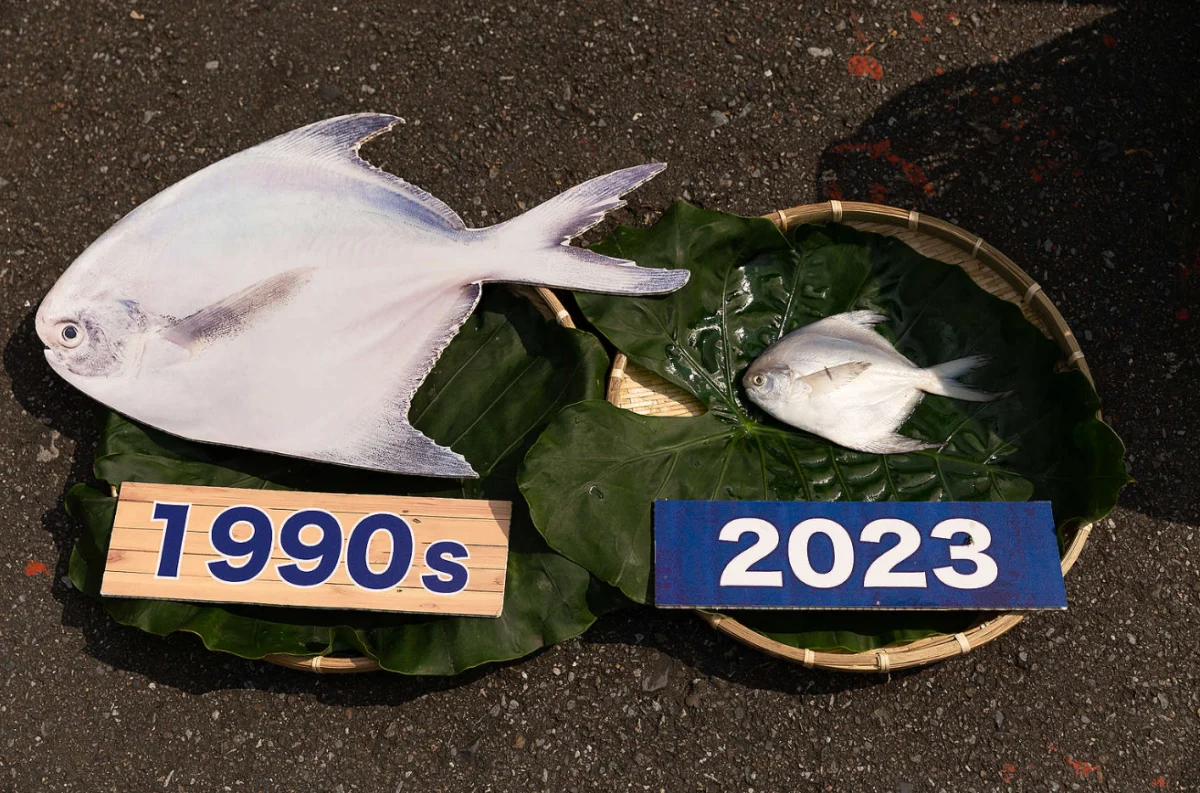
Protecting the ocean, a task often perceived as monumental and distant, is being actively embraced by a dedicated group of volunteers in Taiwan. Moving beyond conventional conservation efforts like beach cleanups, these individuals are engaging directly with the complexities of marine ecosystems and the human element of the fishing industry. In 2025, their commitment manifested in early morning vigils at fishing ports in Daxi, Yilan, and in vibrant educational booths on the streets of Taichung, demonstrating a multifaceted approach to ocean protection accessible to the general public.
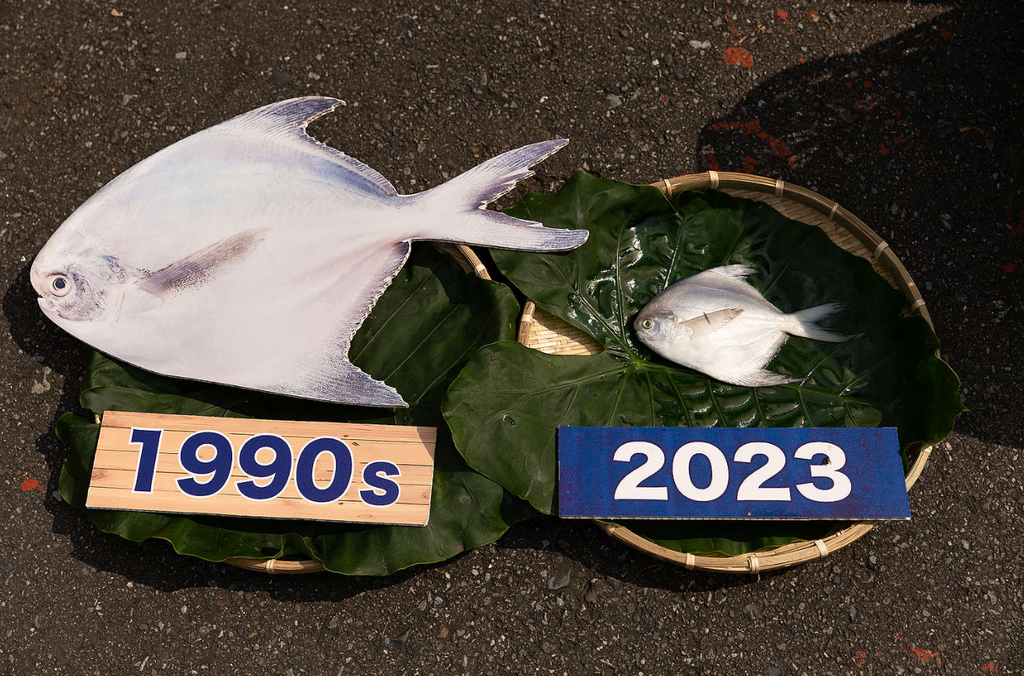
Taiwan, an island nation intrinsically linked to the sea, boasts an extraordinary marine biodiversity, home to over 3,000 recorded fish species, representing approximately one-tenth of the global total. This rich marine environment, however, faces escalating threats. Coastal overfishing, coupled with habitat degradation, inadequate fisheries management, and the pervasive impacts of climate change—including coral bleaching and ocean acidification—are systematically eroding these once-thriving underwater ecosystems. A significant report in 2025 highlighted the dire situation, noting that 24 out of 40 commonly caught fish species in Taiwan failed to reach 50% of their sexual maturity length (Lm50), with species like silver pomfret and star pomfret showing over 90% of samples below this critical threshold, signaling severe overfishing.

The Citizen Scientist Fish Survey Project: Unveiling the Shrinking Seas
Recognizing the urgent need for empirical data to inform policy and conservation, Greenpeace launched the "Citizen Scientist Fish Survey Project" in 2023. This initiative empowers ordinary citizens to contribute directly to scientific understanding by meticulously recording fish species and their lengths at bustling fishing ports. The project represents a pioneering collaboration between citizen scientists, ocean experts, and data scientists. Associate Professor He Xuanqing from the Department of Aquaculture at National Kaohsiung University of Science and Technology, and Associate Professor Xu Weiyuan from the Department of Computer Science and Information Engineering and the Department of Environmental Biology and Fisheries Science at National Taiwan Ocean University, joined forces with Greenpeace to integrate artificial intelligence with the invaluable efforts of trained volunteers. This groundbreaking approach aims to collect empirical data on the body lengths of common coastal fish species, thereby illuminating the direct correlation between current fishing practices and the alarming trend of diminishing fish sizes.
Now in its fourth year, the project has cultivated a robust network of over 35 dedicated citizen scientists. These volunteers are crucial to two distinct roles: "fishing port survey volunteers" and "fish labeling volunteers."
The Role of Fishing Port Survey Volunteers:

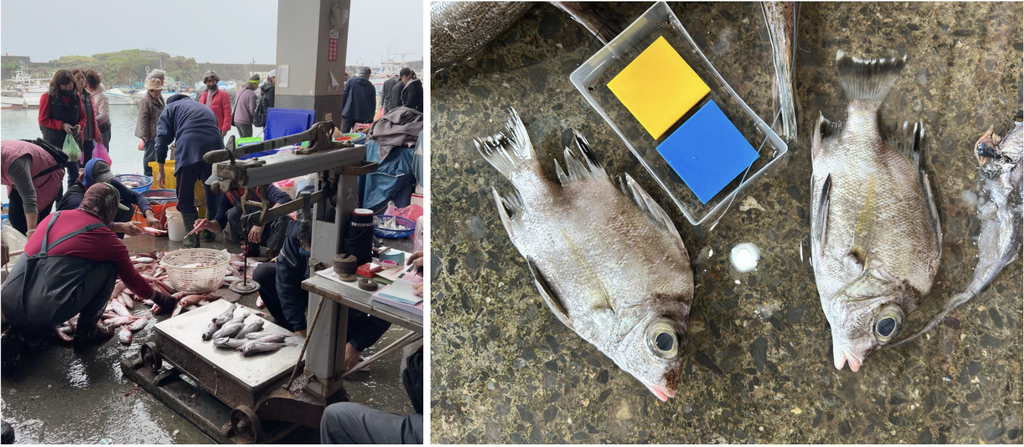
These frontline volunteers undertake the critical task of gathering firsthand visual data. Before commencing their duties, they participate in rigorous training camps designed to familiarize them with common target fish species. On designated days, they meticulously visit fish markets in key locations across Taiwan, including Daxi and Nanfangao in Yilan, Kezailiao and Qianzhen Fishing Ports in Kaohsiung, Donggang in Pingtung, and Magong Fishing Port in Penghu. Their mission is to arrive before dawn, when the freshest catches are brought ashore. Armed with a specially designed scale reference object, they photograph target fish species, capturing vital data that will form the backbone of scientific analysis.
The Role of Fish Labeling Volunteers:
Complementing the field data collection, fish labeling volunteers play a pivotal role in data processing and AI development. These volunteers, possessing a keen eye for detail and species identification, meticulously classify and label hundreds of photographs uploaded by their counterparts. Using specialized computer software, they mark each fish species within the images. This painstaking process over time builds an expansive database, which is instrumental in training AI tools for automated fish species identification and body length estimation. This initiative marks the first instance in Taiwan of developing an AI system that combines both these crucial functionalities for marine research.
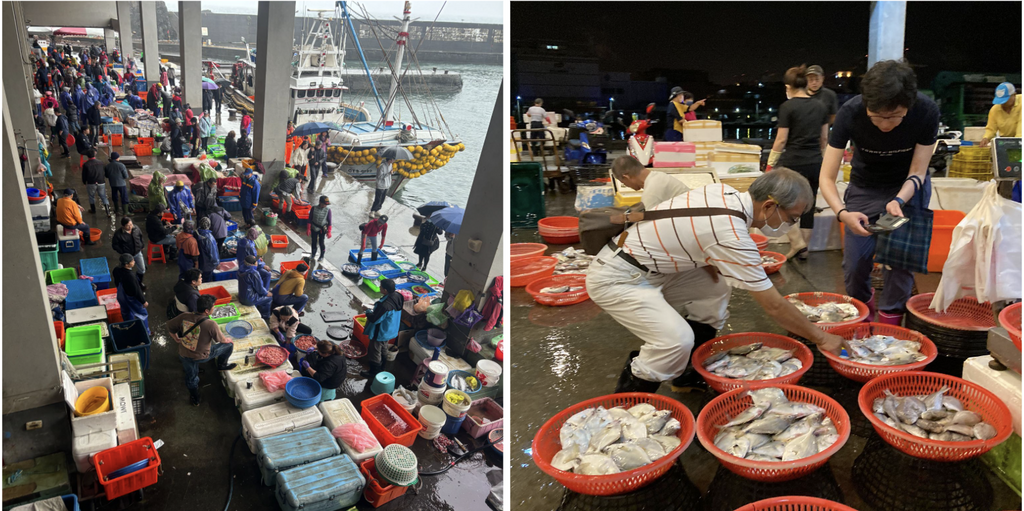
In its inaugural year, 2023, the project focused on 40 common nearshore fish species, resulting in the collection of an impressive 18,180 fish sample photographs from five major fishing ports.
Alarming Findings: The Visible Impact of Overfishing
The initial release of the survey results on World Oceans Day 2024 delivered a stark warning: fish are indeed getting smaller. Data from 40 common fish species revealed that a staggering 24 species had more than half of their samples falling below the "50% sexual maturity length (Lm50)." This metric is crucial as it indicates the age at which a fish is capable of reproducing, ensuring the sustainability of future populations. The species exhibiting the most severe overfishing trends, with proportions below Lm50 exceeding 90%, included silver pomfret, star pomfret, greater amberjack, pomfret, and black seabass. These findings underscored the dire need for immediate and effective fisheries management reforms.
In response to these alarming revelations, the initially one-year Citizen Scientist Fish Survey Project was extended into a long-term volunteer monitoring program. The scope of the project was further expanded to encompass 45 fish species in 2025. Over the past three years, volunteers have collectively contributed over 24,227 photos, providing sustained support for Greenpeace’s ongoing marine conservation advocacy in Taiwan.
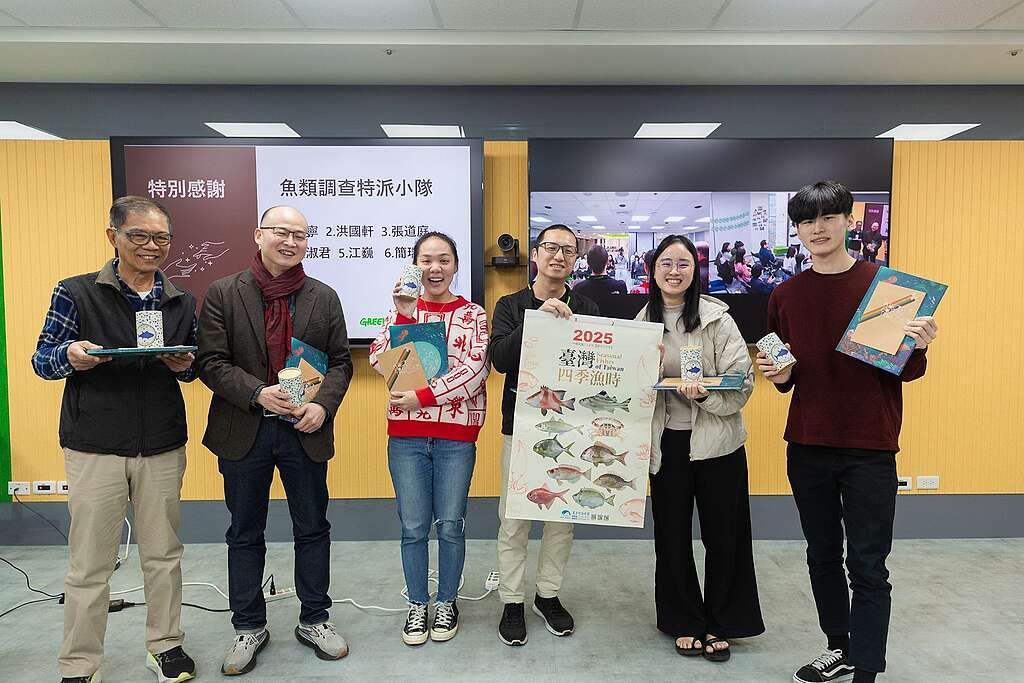
Voices from the Frontlines: Fishermen’s Struggles and Migrant Worker Exploitation
The insights gleaned from the fish survey project extend beyond mere data points. Volunteers reported hearing direct warnings from fish vendors about declining catches and the increasing difficulty of the fishing industry. Fishermen themselves expressed a deep-seated contradiction, lamenting the diminishing catches while witnessing unchecked fishing practices by commercial vessels. "They are also unable to control it," observed one volunteer, highlighting the powerlessness felt by many in the face of unsustainable exploitation.
For volunteers with personal ties to coastal communities, the visible changes in the marine environment are particularly poignant. One volunteer from Donggang, deeply affected by the sight of an unusually small red snapper, realized the severity of overfishing and felt compelled to move from passive consumption to active advocacy. Another volunteer from Malaysia expressed shock at seeing rare species, typically found in marine museums, appearing in the bloody scenes of fish markets, underscoring the extent of biodiversity loss.
Beyond the ecological concerns, an anonymous volunteer shed light on the grim realities faced by migrant workers in the distant-water fishing fleet. Reports of unsanitary and chaotic conditions on board, including direct showering in communal areas, painted a distressing picture of harsh working environments. This testimony brought to the forefront the interconnectedness of marine conservation and the fundamental dignity and labor rights of individuals throughout the entire industry chain.
Empowering the Public: Volunteer-Designed Ocean Education Booths
The scope of ocean protection initiatives extends beyond the immediate concerns of overfishing. Volunteers have recognized the need to educate the public on a broader spectrum of marine issues, including the ethical implications of distant-water fishing, fisheries labor rights reform, and the controversial potential of deep-sea mining. To this end, Greenpeace has facilitated the development of innovative ocean education booths, with lesson plans and outreach strategies entirely designed and executed by volunteers themselves.
In 2024 and 2025, the Greenpeace Community Outreach Campaign Team initiated the "Taichung Ocean Volunteer Project." This program aimed to empower volunteers in Taichung, a region without a permanent Greenpeace office, to become self-sufficient in organizing public awareness campaigns, including booth preparation and curriculum development.
Building Capacity: Experienced Volunteers Mentor New Recruits
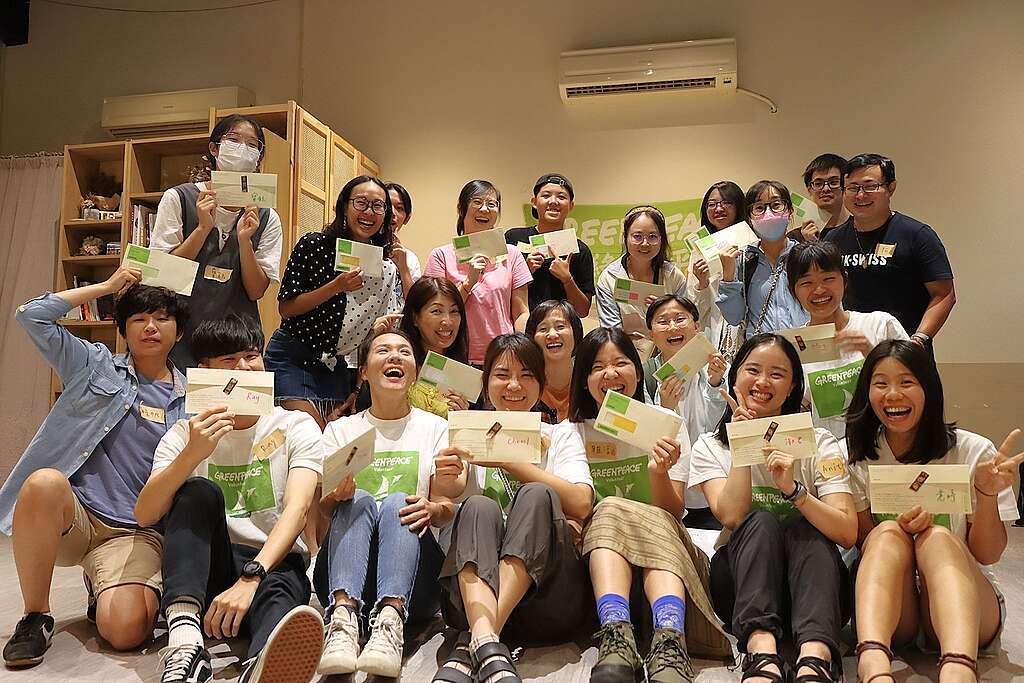
The "Ocean Booth Volunteer Project Training Camp" served as a cornerstone of this initiative. The first camp, held from August 31 to September 1, 2024, saw 18 volunteers engage in intensive training. They were divided into three thematic groups: "Deep-sea mining," "Distant-water issues" (encompassing overfishing and fisheries labor rights), and "Nearshore issues" (focusing on Taiwan’s Marine Conservation Act and sustainable seafood practices).
A distinctive feature of this program is the mentorship model, where experienced Greenpeace volunteers serve as group leaders. These seasoned advocates share their practical experience in booth advocacy, guiding new recruits through the entire process of conceptualizing and executing an ocean advocacy action from the ground up.
Greenpeace’s social media marketing team also contributed to the training, equipping volunteers with essential digital outreach skills to amplify their message through online platforms. The second training camp, held from August 16 to 17, 2025, involved 19 volunteers and focused on "Coral bleaching," "Marine protected areas," and "Overfishing."
Volunteer Ingenuity: Creative Educational Tools and Activities
The volunteers’ commitment to engaging the public is evident in their inventive approach to booth design and activities. During New Year’s events, volunteers ingeniously crafted "marine debris pens" using driftwood, fishing nets, and lines salvaged from ocean waste. These pens were then used to invite the public to create ocean-themed spring couplets, a unique blend of artistic expression and environmental awareness.
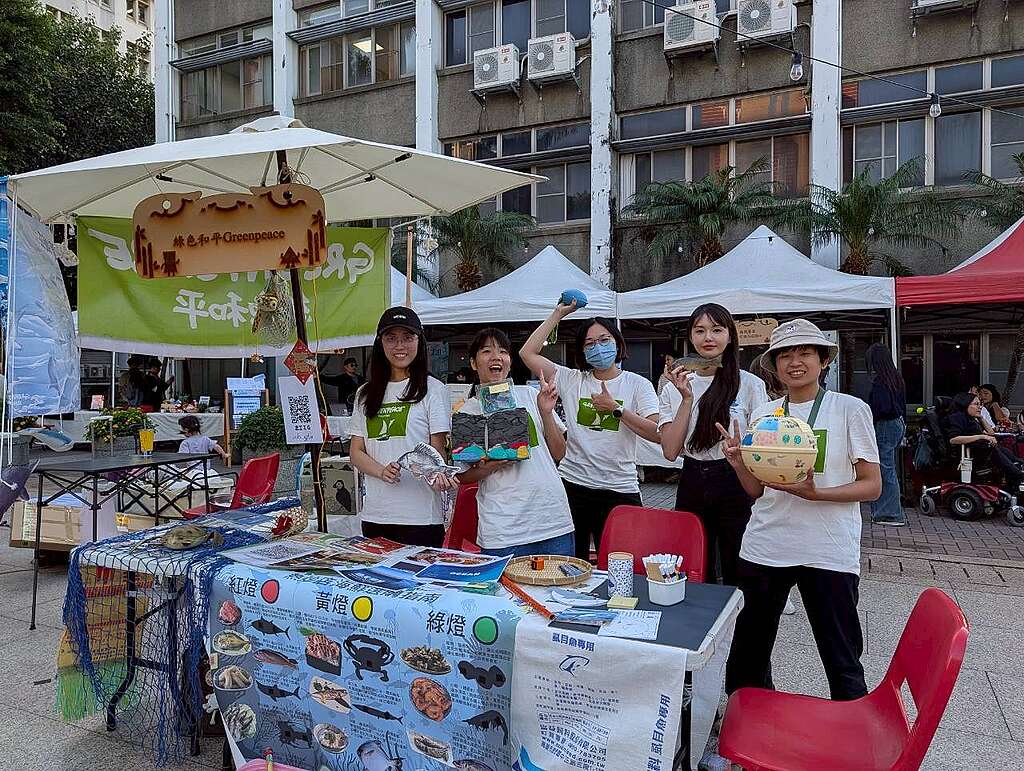
To simplify complex sustainable seafood guidelines, volunteers developed an accessible "red, yellow, green light" system. This visual aid categorizes seafood based on resource abundance: green for abundant (consume regularly), yellow for decreasing resources (consume occasionally), and red for endangered (avoid consumption).
A particularly engaging interactive activity, the "Seafood purchasing guide for stir-fry restaurants," was designed to captivate visitors. Participants, including children, would "fish" for seafood models from a box and then compare their catch against the poster to determine its "light category." This playful yet informative approach educates individuals on making ocean-friendly choices in their daily dining and shopping habits.
Another remarkable creation is the "Tuna Human Cans," a handcrafted 3D model designed to raise awareness about the broader implications of tuna consumption. The exterior resembles a conventional tuna can, but its interior reveals cardboard cutouts of fishermen, dolphins, sharks, and tuna. This tool effectively links fishing methods, the working conditions of distant-water fishermen, and the ecological impact on marine life to the final product. By encouraging participants to interact with these elements, volunteers transform abstract issues into tangible learning experiences, often directing interested individuals to the documentary "Before You Eat" via QR codes for further exploration.
Measurable Impact: Volunteers Catalyze Public Engagement
Over the past three years, the dedication of Greenpeace ocean volunteers has demonstrably brought critical ocean issues into the public consciousness. Their creative booth activities and consistent public engagement have yielded significant results:
- Over 2,000 individuals have been directly inspired to take protective actions.
- More than 1,000 educational conversations have been initiated, fostering deeper understanding.
- Over 500 individuals have pledged to adopt sustainable seafood choices.
- More than 300 new volunteers have joined the cause, expanding the movement.
- Over 200 educational activities have been conducted, reaching a broad audience.
These numbers represent not just statistics, but the tangible impact of dedicated individuals transforming abstract concerns into concrete public engagement.
Collective Strength and Future Imperatives
The volunteers themselves reflect on the profound impact of their collective efforts. Senior volunteer A-Kuan emphasizes the importance of making the invisible visible: "Just because you cannot see it does not mean it is not happening." Their innovative tools and interactive games aim to bridge this gap, illuminating the human rights exploitation intertwined with the seafood on our tables.
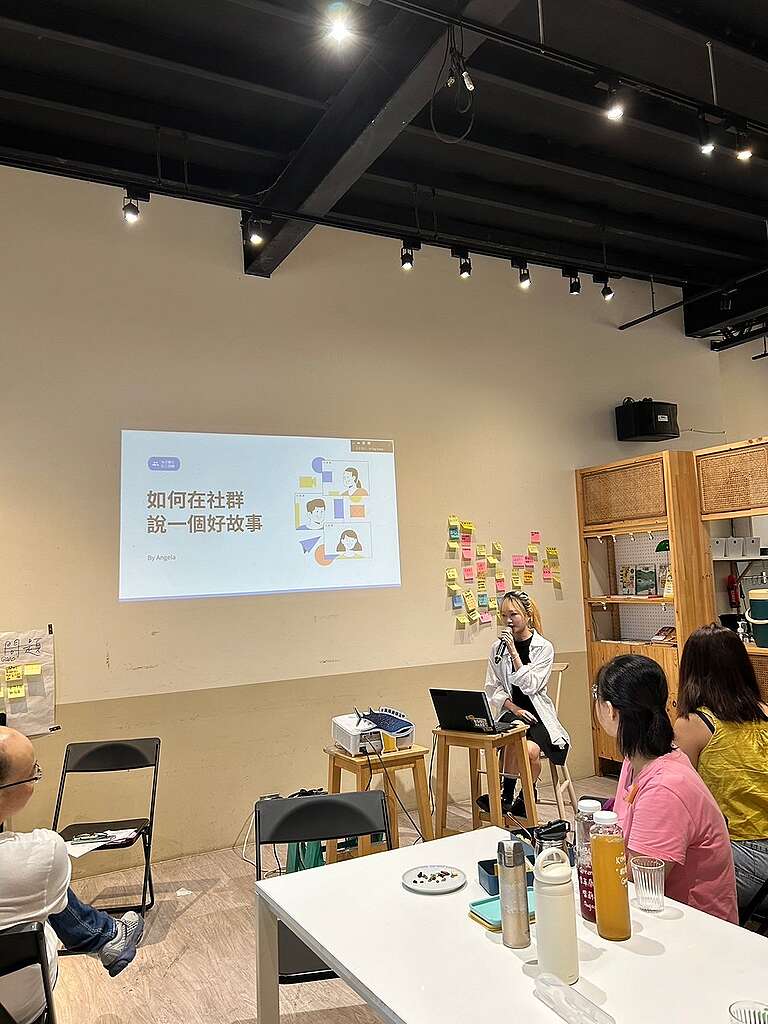
Volunteer Yixuan highlights the development of communication skills, noting how team members quickly adapted their opening lines and engagement strategies based on audience response and available tools. This adaptability is crucial for effective outreach.
For Baoyu, who has participated for two consecutive years, the unwavering support and mutual respect among fellow volunteers have been the primary motivator. "Because the initial volunteer experience was so good, everyone was willing to listen and accept each other’s opinions, so we continued until now," she shared, underscoring the power of community in sustaining advocacy efforts.
The network woven by these volunteers has expanded significantly, from meticulous data collection at fishing ports to creative public outreach events. Each piece of data gathered and every conversation held is a step towards restoring the health of our increasingly depleted seas. While thousands of photos have been collected and countless individuals reached, the challenges facing our oceans remain substantial.
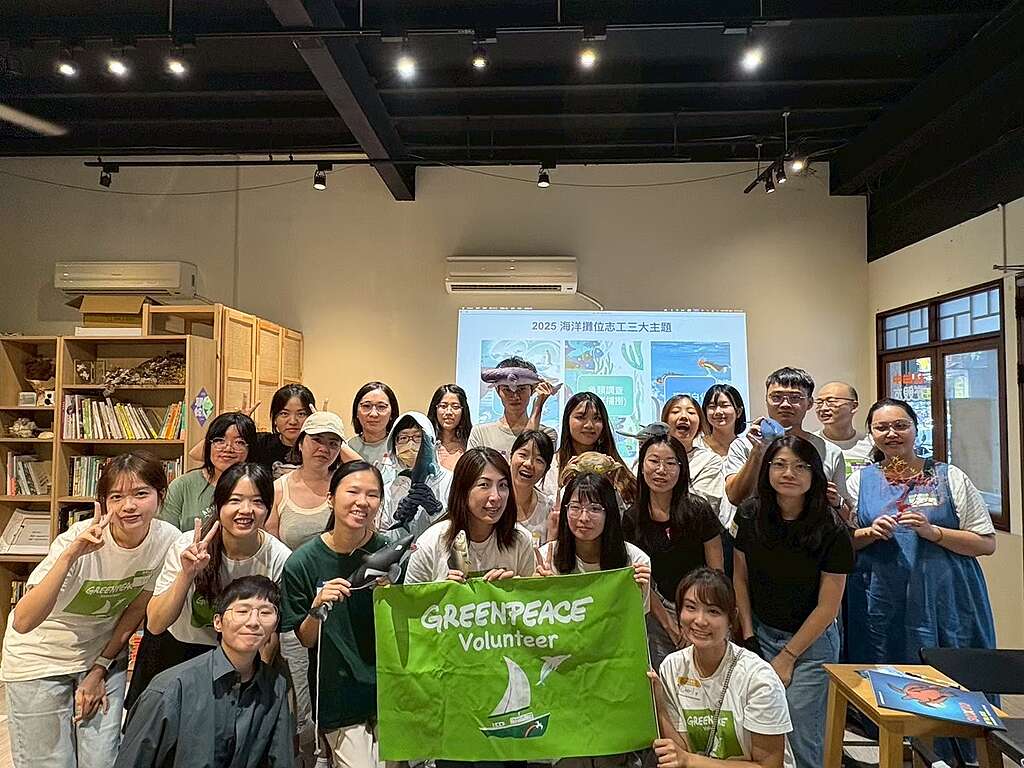
The baton of ocean protection continues to be passed on. Individuals interested in contributing to this vital cause can join by registering as a "fish survey volunteer" to participate in frontline data collection, or by joining Greenpeace volunteers and following their Instagram community for updates and engagement opportunities. The future of our oceans hinges on collective action, and these volunteers are demonstrating that even individual efforts, when united, can create a powerful wave of change.


 Asro
Asro
 Pevita Pearce