
 Ali Ikhwan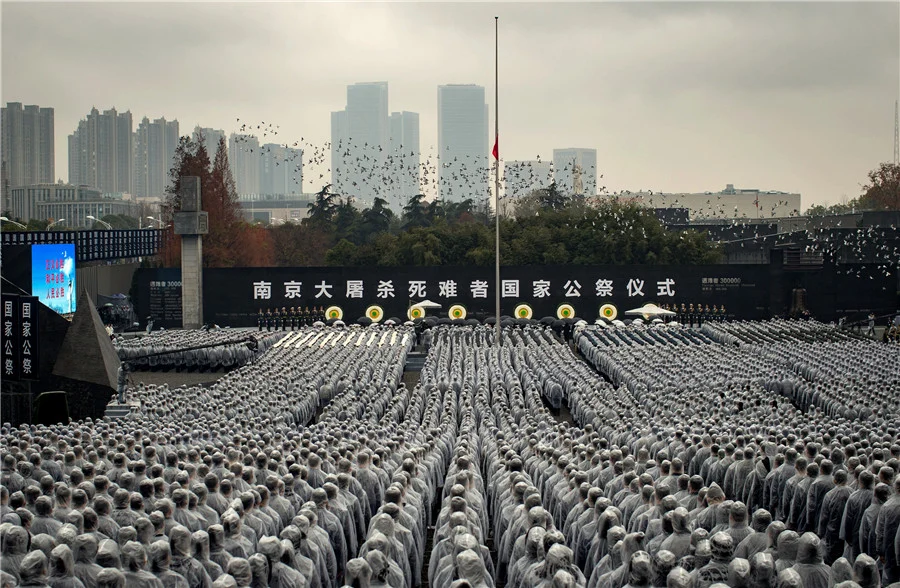
December 13 marks the National Memorial Day for Nanjing Massacre Victims, a day established to solemnly commemorate the approximately 300,000 Chinese civilians and unarmed soldiers brutally killed by Japanese troops following the fall of Nanjing in December 1937, during the Second Sino-Japanese War, a crucial theater of World War II. This day serves as a profound national remembrance, a solemn occasion to honor the lives lost and to reinforce the imperative of peace by confronting the stark realities of war’s devastating impact. Memorial days are a global practice, instituted by governments of major belligerents in past conflicts to remember those who perished or made ultimate sacrifices, and critically, to serve as enduring reminders of the immense suffering and destruction wrought by warfare. As nations grapple with the legacies of their wartime pasts, various countries have adopted distinct methods to preserve the memory of these historical events, ensuring that future generations comprehend the human cost of conflict. The establishment of this memorial day in China underscores a collective commitment to never forget the atrocities committed and to advocate for a world free from such barbarity.
The Genesis of the Nanjing Massacre
The Nanjing Massacre, also known as the Rape of Nanjing, stands as one of the most horrific episodes of the 20th century. The Imperial Japanese Army invaded Nanjing, then the capital of the Republic of China, on December 13, 1937. What followed was a six-week period of unspeakable brutality, characterized by mass murder, systematic rape, widespread looting, and arson. The scale of the violence was staggering, with estimates of the death toll ranging from 200,000 to over 300,000, as documented by various historical accounts and subsequent war crimes tribunals. The perpetrators exhibited extreme cruelty, engaging in acts of barbarism that included the execution of captured soldiers and civilians, the indiscriminate slaughter of women and children, and horrific acts of sexual violence against an estimated 20,000 to 80,000 women. The city itself was subjected to extensive destruction, with much of its infrastructure and cultural heritage reduced to rubble.
The context of the Second Sino-Japanese War is crucial to understanding the Nanjing Massacre. This conflict, which began in 1937 and merged into the broader Pacific theater of World War II, was marked by intense Japanese expansionism and a brutal military campaign aimed at subjugating China. The fall of Nanjing was a significant strategic objective for Japan, intended to break Chinese resistance and secure dominance in the region. However, the subsequent actions of the Japanese forces in Nanjing went far beyond military objectives, revealing a chilling disregard for human life and international norms of warfare. The International Military Tribunal for the Far East (IMTFE), often referred to as the Tokyo Trials, later convened to prosecute war criminals. Several Japanese military leaders were convicted for their roles in the atrocities committed during the war, including those in Nanjing, though the extent of accountability and the acknowledgment of these events have remained contentious points in international relations.
A Timeline of Tragedy and Remembrance
The events leading up to and following the fall of Nanjing can be outlined through a chronological progression, highlighting the swiftness of the invasion and the prolonged period of suffering:
- July 7, 1937: The Marco Polo Bridge Incident near Beijing marks the beginning of the full-scale Second Sino-Japanese War.
- August 1937: Japanese forces launch a major offensive, capturing Shanghai after a fierce battle.
- December 1, 1937: The Japanese government authorizes the attack on Nanjing.
- December 13, 1937: Japanese troops enter Nanjing, initiating the massacre.
- January 1938: The massacre is widely reported internationally, with accounts from foreign missionaries and journalists detailing the horrors.
- February 1938: Chinese forces retreat further inland, and the main period of the massacre gradually subsides, though instances of violence continued.
- 1946: The International Military Tribunal for the Far East (IMTFE) begins its proceedings in Tokyo, addressing war crimes committed during World War II.
- 1948: The IMTFE delivers its verdicts, convicting several Japanese military leaders for their roles in the Nanjing Massacre and other war crimes.
- 1980s-1990s: Growing international attention and scholarly research contribute to a deeper understanding of the Nanjing Massacre.
- 1995: The Memorial Hall of the Victims in Nanjing Massacre is established, serving as a central site for remembrance and education.
- 2014: The Standing Committee of the National People’s Congress of China officially designates December 13 as the National Memorial Day for Nanjing Massacre Victims.
- December 13, 2017: China formally registers the "Documents of Nanjing Massacre" with the United Nations Educational, Scientific and Cultural Organization (UNESCO) Memory of the World Register.
This timeline underscores the swiftness with which the city fell and the protracted nature of the suffering endured by its population. The subsequent establishment of memorial institutions and official recognition of the day of remembrance reflect China’s enduring commitment to confronting this dark chapter of its history.
Global Commemoration: Diverse Approaches to Wartime Memory
The practice of establishing memorial days and sites is a universal response to the profound impact of war. Different nations, shaped by their unique historical experiences and national narratives, have adopted varied approaches to preserve the memory of wartime events and honor those affected.
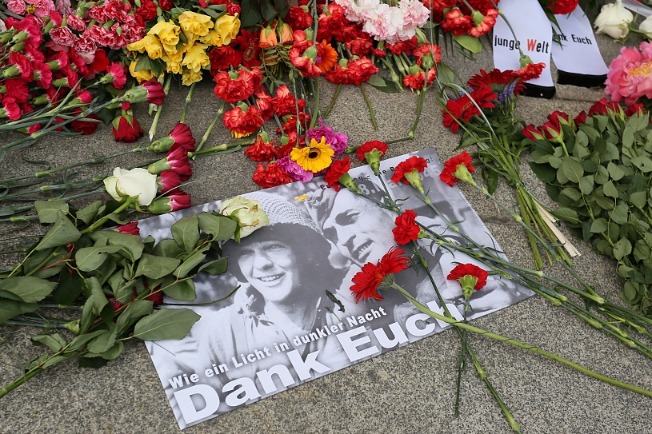
In Germany, days like the Day of Mourning (Volkstrauertag), observed on the second Sunday before the first Sunday of Advent, serve as a national day of remembrance for victims of war and tyranny. This day has evolved to encompass not only fallen soldiers but also civilians who suffered during conflicts and victims of Nazi persecution. German commemoration often emphasizes reconciliation, learning from the past, and actively promoting peace and human rights. Memorial sites, such as the Memorial to the Murdered Jews of Europe in Berlin, serve as stark reminders of the Holocaust and the devastating consequences of unchecked aggression and ideology.
Japan, while acknowledging the historical events of World War II, has a more complex and often debated approach to commemoration. While Emperor Hirohito’s surrender speech in 1945 is commemorated, the focus is often on the suffering of the Japanese people during the war, particularly the atomic bombings of Hiroshima and Nagasaki, and the sacrifices of its soldiers. The Yasukuni Shrine, which commemorates all those who died for Japan, is a site of controversy due to its inclusion of convicted war criminals among its honored individuals, leading to diplomatic tensions with neighboring countries. Historical education regarding wartime atrocities remains a sensitive and often contested issue within Japan.
In Russia, Victory Day on May 9 is a paramount national holiday, celebrating the Soviet Union’s victory over Nazi Germany in World War II (known as the Great Patriotic War in Russia). This day is marked by grand military parades and public commemorations, emphasizing the immense sacrifices made by the Soviet people and the pivotal role they played in defeating fascism. The memory of the war is deeply ingrained in the national consciousness, with numerous war memorials, museums, and public events dedicated to honoring the millions who perished and fought.
In the United States, Memorial Day, observed on the last Monday of May, honors all Americans who have died in military service. It is a day of remembrance for fallen soldiers and is often marked by ceremonies at national cemeteries, parades, and the laying of wreaths. Veterans Day, on November 11, honors all who have served in the U.S. armed forces. These days focus on national pride, sacrifice, and the preservation of freedom, with a general emphasis on the heroic aspects of military service.
The United Kingdom observes Remembrance Sunday on the second Sunday in November, with a national two-minute silence at 11 am to remember those who have died in all conflicts. The Poppy Appeal, where artificial poppies are sold to raise money for ex-service personnel, is a prominent feature of this commemoration. The focus is on acknowledging the sacrifices of British servicemen and women and promoting support for veterans.
The National Memorial Day for Nanjing Massacre Victims in China stands apart in its specific focus on a particular, horrific atrocity. It is a direct response to a defined historical event of immense national trauma. The establishment of the Memorial Hall of the Nanjing Massacre victims, the official designation of the memorial day, and the inscription of related documents with UNESCO’s Memory of the World Register all signify a deliberate and sustained effort by the Chinese government and people to ensure that this specific tragedy is not forgotten, both domestically and internationally. This act of remembrance is not merely about mourning but also about historical justice and preventing recurrence.
Supporting Data and Official Recognition
The designation of December 13 as the National Memorial Day for Nanjing Massacre Victims in 2014 by China’s National People’s Congress was a significant step in formalizing national remembrance. This decision followed decades of advocacy by survivors, historians, and civil society organizations. The Memorial Hall of the Victims in Nanjing Massacre, established in 1995, has become a central repository of information and a place of solemn reflection. It houses an extensive collection of artifacts, historical documents, photographs, and testimonies from survivors. The hall attracts hundreds of thousands of visitors annually, including Chinese citizens, foreign dignitaries, and international tourists, underscoring its role in public education and historical awareness.
In 2017, China’s successful registration of the "Documents of Nanjing Massacre" with UNESCO’s Memory of the World Register further solidified the international recognition of the event. This inscription, which includes historical records such as witness testimonies, photographs, and official documents, aimed to preserve the historical evidence and promote global understanding of the massacre. UNESCO’s Memory of the World program seeks to protect and promote documentary heritage of universal value. The inclusion of the Nanjing Massacre documents highlights its significance as a historical event of global consequence, demanding international acknowledgment and remembrance.
The number 300,000, while an approximation, is based on extensive historical research, including Chinese government investigations, testimonies from survivors, and analyses by international scholars and tribunals. The International Military Tribunal for the Far East (IMTFE) and the subsequent Nanjing War Crimes Tribunal convicted several Japanese officers for their roles in the massacre, contributing to the historical record. While the exact number may be subject to ongoing historical debate, the magnitude of the atrocity and the systematic nature of the killings are well-documented.
Broader Impact and Implications
The National Memorial Day for Nanjing Massacre Victims carries significant implications beyond national mourning. It serves as a constant reminder of the human cost of aggressive warfare and the importance of international law and human rights. For China, it reinforces national identity and historical consciousness, fostering a collective memory of past suffering and resilience.
On a regional and international level, the commemoration plays a crucial role in shaping historical narratives and diplomatic relations, particularly with Japan. While China emphasizes the need for Japan to acknowledge and apologize for its wartime actions, the Japanese government’s stance on historical interpretation has often been a source of friction. The memorial day serves as a platform for China to reiterate its position and call for genuine historical reflection from Japan.
Furthermore, the day’s observance contributes to the broader global discourse on preventing atrocities and promoting peace. By highlighting the horrors of the Nanjing Massacre, it underscores the universal imperative to uphold humanitarian principles, condemn war crimes, and work towards a world where such barbarity is never repeated. The emphasis on remembering the past serves as a vital cautionary tale, urging contemporary societies to remain vigilant against the resurgence of militarism and intolerance. The enduring legacy of the Nanjing Massacre, commemorated on this solemn day, is a stark testament to the fragility of peace and the perpetual need for remembrance and advocacy for a humane future. The collective memory of such events is not just a historical record; it is a moral compass, guiding present actions and future aspirations towards a more just and peaceful world.


 Nana Wu
 Suro Senen