Nana Muazin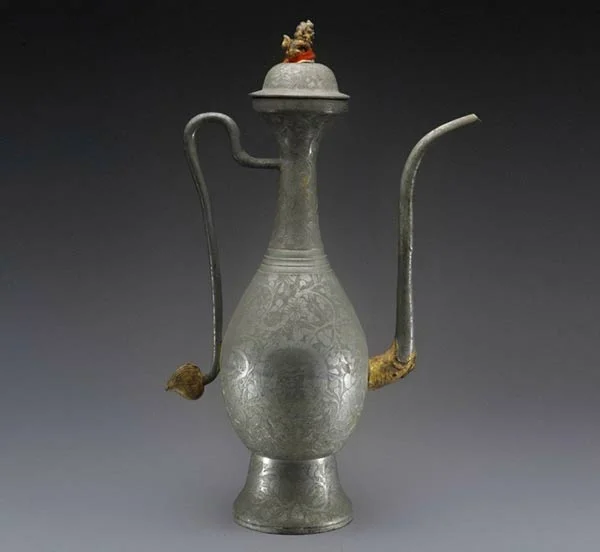
As the nation braces for the arrival of "Major Snow" (大雪), the 21st solar term on the traditional Chinese lunisolar calendar, marking a significant drop in temperature and the onset of heavier snowfall, the Palace Museum in Beijing has opened a virtual window into its rich historical collection of wine vessels. Sharing a curated selection of these ancient artifacts with netizens via the microblogging platform Sina Weibo, the esteemed institution invites the public to connect with centuries of Chinese culture and tradition during the heart of winter. The initiative not only commemorates the changing season but also offers a fascinating glimpse into the historical significance of wine and its associated rituals in Chinese society.
The Significance of Major Snow and Winter Traditions
The arrival of Major Snow, typically falling around December 7th or 8th, signifies the deepest point of winter in many parts of China. Historically, this period has been associated with reduced agricultural activity, increased reliance on stored provisions, and a greater emphasis on indoor pursuits and communal gatherings. The prospect of warming wine by a hearth, as alluded to in the initial announcement, evokes a sense of comfort and nostalgia, deeply ingrained in Chinese winter customs. This seasonal marker provides a fitting backdrop for the Palace Museum’s exhibition, linking the appreciation of ancient artifacts to the sensory experiences of the present season.
A Glimpse into Ancient Chinese Wine Culture
The Palace Museum’s decision to showcase its collection of wine vessels is more than a simple seasonal display; it is an invitation to explore the profound cultural and social importance of wine in ancient China. Wine, far from being merely a beverage, was deeply interwoven with religious ceremonies, diplomatic exchanges, scholarly pursuits, and daily life. The vessels themselves, often crafted with exquisite artistry and symbolic meaning, serve as tangible links to these historical practices.
The Evolution of Wine Vessels: From Shang to Qing Dynasties
The featured collection spans a vast chronological sweep, highlighting the evolution of wine vessel design and craftsmanship across several pivotal dynasties. Among the most ancient and significant are the gong vessels, which played a crucial role from the late Shang Dynasty (c. 16th century – 11th century BC) to the early Western Zhou Dynasty (c. 11th century – 771 BC).
The Gong Vessel: A Symbol of Ritual and Power
The gong is described as an ancient wine vessel, often ingeniously shaped in the form of animals. This anthropomorphic and zoomorphic design was not merely aesthetic; it likely carried symbolic weight, perhaps representing totemic animals, divine creatures, or auspicious symbols relevant to the rituals in which the gong was used. The prevalence of the gong during the Shang and early Western Zhou dynasties is significant. These periods were characterized by complex bronze casting technologies, sophisticated religious practices, and the consolidation of early Chinese states. Bronze vessels, including the gong, were central to ancestor worship, state ceremonies, and feasting rituals, serving as markers of status and authority. The intricate craftsmanship evident in Shang and Zhou bronzes, often featuring elaborate patterns and powerful animal motifs, speaks to the advanced metallurgical skills and the deep symbolic consciousness of these early civilizations. The gong‘s form, often characterized by a stout body, a curved handle, and a spout, facilitated the pouring and serving of wine during these important occasions.
The Wine Pot: A Refined Container
In contrast to the ritualistic gong, the article also mentions the "wine pot" as a type of wine container typically featuring a long neck, a large belly, and round feet. This description suggests a more practical design, likely evolving for ease of storage, pouring, and serving in a broader range of contexts. The long neck could have aided in controlling the flow of wine and minimizing evaporation, while the large belly provided ample capacity. The round feet would have offered stability. While the specific timeframe for the evolution of this particular wine pot design isn’t explicitly detailed for all periods, its mention alongside the gong suggests a progression towards more diversified and potentially more specialized forms of wine containers as Chinese society and its beverage practices developed.
The Qing Dynasty Tin Wine Pot: A Testament to Later Craftsmanship
The accompanying photograph and caption highlight a tin-made wine pot from the Qing Dynasty (1644-1911). This artifact provides a tangible example of later craftsmanship and materials used in wine service. Tin, while not as historically prestigious as bronze or jade for ritual vessels, offered practical advantages for everyday use and decorative embellishment. The Qing Dynasty, a period of extensive cultural exchange and artistic innovation, saw a flourishing of various crafts. The existence of a tin wine pot from this era suggests that while elaborate bronze and ceramic vessels continued to be produced, more accessible and perhaps more portable options were also in vogue. The specific details of this tin wine pot, such as its ornamentation or any unique design features, would further illuminate the material culture of the Qing period and the evolving approaches to wine consumption.
Supporting Data and Context
The Palace Museum’s collection of over 1.8 million cultural relics offers an unparalleled repository of Chinese history and art. Within this vast collection, thousands of artifacts are related to the production, consumption, and storage of beverages, including wine. These include not only vessels but also implements for winemaking, drinking cups, and even historical records detailing the types of wine produced and the occasions for their consumption.
Historical Timeline of Wine Consumption in China:
- Neolithic Period (c. 10,000-2,000 BC): Archaeological evidence suggests early forms of fermented beverages, possibly made from grains and fruits, existed.
- Shang Dynasty (c. 16th century – 11th century BC): Wine played a significant role in religious rituals and royal ceremonies. Bronze vessels like the gong were prominent.
- Zhou Dynasty (c. 11th century – 256 BC): Wine consumption continued to be important, with evolving vessel designs. Poetry from this era often references wine and its effects.
- Han Dynasty (206 BC – 220 AD): Winemaking techniques advanced, with the development of new brewing methods. Wine became more widely accessible.
- Tang Dynasty (618 – 907 AD): Poetry and art frequently depicted scenes of wine drinking, highlighting its social and cultural integration.
- Song Dynasty (960 – 1279 AD): Refined porcelain and ceramic wine vessels became popular. Tea culture also began to rise, sometimes in parallel or contrast to wine.
- Ming and Qing Dynasties (1368 – 1912 AD): A wide array of materials, including tin, porcelain, and enamel, were used for wine vessels.
The Palace Museum’s online exhibition, accessible via Sina Weibo, allows a global audience to engage with these historical objects without needing to be physically present. This digital outreach strategy is increasingly crucial for cultural institutions seeking to broaden their reach and educational impact.
Official Responses and Public Engagement
The Palace Museum’s official Weibo account serves as a primary channel for communicating with the public. By sharing high-resolution images and descriptive text about these ancient wine vessels, the museum aims to:
- Educate the Public: Provide insights into Chinese history, art, and culture through tangible artifacts.
- Promote Cultural Heritage: Raise awareness of the importance of preserving and appreciating historical objects.
- Foster Engagement: Encourage discussion and interaction among netizens, creating a virtual community of cultural enthusiasts.
While direct statements from museum officials regarding this specific Weibo campaign are not provided in the source material, such initiatives are typically driven by a strategic objective to leverage digital platforms for cultural dissemination. The choice of "Major Snow" as a thematic link suggests a deliberate effort to connect historical appreciation with contemporary seasonal experiences, making the content more relatable and engaging for a modern audience.
Broader Impact and Implications
The Palace Museum’s digital exhibition of ancient wine vessels carries several broader implications:
- Democratization of Cultural Access: Online platforms break down geographical and physical barriers, allowing anyone with internet access to explore world-class collections. This is particularly important for cultural heritage institutions that are often located in major urban centers.
- Preservation of Intangible Cultural Heritage: Beyond the physical objects, these exhibitions offer a chance to discuss the intangible aspects of wine culture – the rituals, the social norms, the poetry, and the shared experiences associated with it. This can contribute to the ongoing preservation and revitalization of these traditions.
- Economic and Tourism Potential: Such engaging online content can stimulate interest in visiting the physical museum and in traveling to Beijing, thereby contributing to cultural tourism and the local economy.
- Global Cultural Exchange: By sharing these artifacts online, the Palace Museum participates in a global dialogue about art, history, and material culture, fostering cross-cultural understanding.
- Educational Tool: The curated content can serve as a valuable educational resource for students, researchers, and the general public interested in Chinese history and archaeology.
The continued use of social media by institutions like the Palace Museum signifies a growing recognition of its power as a tool for cultural dissemination and public engagement. As the world becomes increasingly interconnected, these digital initiatives are vital for ensuring that the rich tapestry of human history and culture remains accessible and appreciated for generations to come. The simple act of sharing images of ancient wine vessels, tied to the evocative imagery of a snow-laden winter, demonstrates a thoughtful approach to connecting the past with the present, inviting contemplation on the enduring human traditions of craftsmanship, social gathering, and the appreciation of life’s simple pleasures.

 Asep Darmawan
 Rifan Muazin