Laily UPN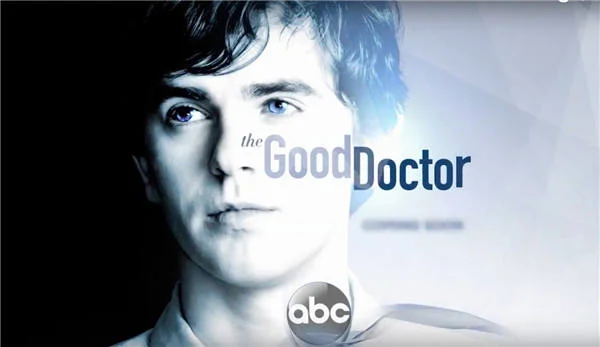
Television viewers and individuals on the autism spectrum are in widespread agreement: the medical drama The Good Doctor has emerged as a significant success, captivating audiences with its compelling narrative and nuanced portrayal of a brilliant surgeon living with autism and savant syndrome. The show, which premiered on ABC, has quickly become a ratings juggernaut, solidifying its position as the top new drama of the fall television season and sparking considerable discussion about neurodiversity in popular culture.
At the heart of the series is Dr. Shaun Murphy, portrayed with remarkable depth by actor Freddie Highmore. Murphy is a young, exceptionally gifted surgical resident recruited into the competitive surgical unit of the prestigious San Jose St. Bonaventure Hospital. From the outset, his unique neurodevelopmental profile presents challenges within the hospital’s hierarchical structure. Many senior staff members express reservations, viewing his autism and savant syndrome as potential liabilities that could compromise patient safety and team cohesion. However, as the season unfolds, Murphy’s extraordinary medical acumen, his innovative problem-solving skills, and his unwavering dedication to his patients gradually win over not only his colleagues but also a vast and engaged television audience. The show skillfully weaves together the emotional intricacies of melodrama with the intellectual stimulation of medical mysteries, creating a viewing experience that is both emotionally resonant and intellectually engaging.
While some critics have characterized The Good Doctor as overly sentimental, this very sentimentality, coupled with its raw emotional honesty, appears to be a key driver of its widespread appeal. The series navigates complex ethical dilemmas, personal struggles, and the triumphs of medical innovation through the lens of Dr. Murphy’s distinctive perspective. This approach has resonated deeply with a diverse audience, many of whom find the show’s portrayal of neurodiversity to be both accurate and inspiring. The series has not only achieved remarkable ratings but has also ignited conversations about the challenges and triumphs faced by individuals with autism in professional settings.
Background and Genesis of a Hit Series
The Good Doctor is an adaptation of a South Korean television series of the same name, which first aired in 2013. The original series was a critical and commercial success in its home country, paving the way for international remakes. The American adaptation, developed for broadcast by David Shore, who also serves as executive producer alongside Daniel Dae Kim, Erin Gunn, David Kim, and Sebastian Lee, was officially ordered to series by ABC in May 2017. The decision to greenlight the show was met with anticipation, given Shore’s track record with successful dramas like House.
The casting of Freddie Highmore as Dr. Shaun Murphy was a pivotal moment in the show’s development. Highmore, known for his roles in Bates Motel and The Art of Getting By, underwent extensive research to prepare for the character. He consulted with organizations dedicated to autism awareness and engaged with individuals on the autism spectrum to ensure an authentic and sensitive portrayal. This commitment to authenticity has been widely praised by viewers and advocates alike. The series’ visual style often incorporates Dr. Murphy’s unique perspective, employing visual metaphors and dream sequences to illustrate his thought processes and sensory experiences, further immersing the audience in his world.
Chronology of Success: From Pilot to Ratings Phenomenon
The journey of The Good Doctor from concept to television staple can be traced through several key milestones:
- May 2017: ABC officially orders the pilot episode to series. This marked the beginning of an ambitious production schedule aimed at meeting a fall premiere.
- September 25, 2017: The series premieres on ABC in the United States. The debut episode immediately garnered significant attention, driven by strong pre-release buzz and the network’s promotional efforts.
- October 2017: Within weeks of its premiere, The Good Doctor establishes itself as a dominant force in the fall television landscape. Ratings data from Nielsen reveal consistently strong viewership, positioning it as the most-watched new drama.
- November 2017: The show continues its impressive ratings run, often ranking among the top 10 most-watched programs of the week. Its performance solidifies its status as a critical and commercial triumph for ABC.
- December 2017: As the first half of its inaugural season concludes, The Good Doctor has firmly cemented its place as a breakout hit. Discussions surrounding its impact on representation and its future trajectory become widespread within the entertainment industry and among advocacy groups.
Supporting Data and Ratings Performance
The success of The Good Doctor is not merely anecdotal; it is demonstrably backed by robust ratings data. Upon its premiere, the show drew an impressive audience of over 11.3 million live viewers, a figure that significantly increased with the inclusion of delayed viewing (three-day and seven-day DVR playback). This made it the most-watched debut of a new series in the 2017-2018 television season.
Furthermore, the series consistently outperformed its competition in its Monday 10 p.m. time slot, often securing the highest ratings among key demographic groups, including adults aged 18-49. The show’s average viewership across its initial episodes placed it firmly in the top tier of network dramas, a remarkable achievement for a new series in an increasingly fragmented media landscape. Its digital footprint also expanded rapidly, with significant engagement on social media platforms, indicating a passionate and active fanbase.
The show’s appeal extends beyond live viewership. Streaming data and on-demand viewing have also contributed to its impressive reach, demonstrating that audiences are consuming the series through various platforms, further amplifying its impact. This multi-platform success underscores the show’s broad appeal and its ability to connect with viewers across different viewing habits.
Reactions from Related Parties and Advocacy Groups
The portrayal of Dr. Shaun Murphy has elicited a range of reactions from individuals and organizations involved with the autism community. Many have expressed gratitude for the show’s efforts to depict a neurodivergent character with complexity and dignity.
"We are encouraged by the positive reception and the conversations The Good Doctor is sparking," stated a spokesperson for Autism Speaks, a leading advocacy organization. "It’s crucial for television to reflect the diversity of our society, and this show appears to be taking a thoughtful approach to portraying an individual with autism in a professional setting. We hope it will foster greater understanding and acceptance."
Similarly, many individuals on the autism spectrum have shared their personal reflections on social media and in online forums. While acknowledging that no single portrayal can represent the entire spectrum of autistic experiences, a common sentiment is that Dr. Murphy’s character offers a relatable and aspirational figure. His struggles with social communication, his unique sensory experiences, and his exceptional talents are seen by many as authentic reflections of their own lived realities.
Freddie Highmore himself has been a vocal advocate for authentic representation. He has stated in interviews that his goal was to create a character that is not defined solely by his autism but is a multifaceted individual with strengths, weaknesses, and aspirations. This nuanced approach has been a key factor in the show’s ability to resonate with both neurotypical and neurodivergent audiences.
Broader Impact and Implications
The success of The Good Doctor carries significant implications for the television industry and for societal perceptions of neurodiversity.
- Increased Representation: The show has brought a prominent neurodivergent character to the forefront of mainstream television, challenging traditional stereotypes and offering a more inclusive narrative. This increased visibility can contribute to greater understanding, empathy, and acceptance of individuals with autism.
- Shifting Perceptions of Disability: By showcasing Dr. Murphy’s exceptional talents and his ability to excel in a demanding profession, the series challenges the often-limited perceptions of disability. It highlights that neurodiversity can be a source of strength and innovation, rather than solely a challenge to be overcome.
- Inspiration for Aspiring Professionals: For young people on the autism spectrum who aspire to careers in STEM fields or other demanding professions, Dr. Murphy serves as a powerful role model. The show demonstrates that with appropriate support and accommodations, individuals with autism can achieve their full potential.
- Marketability of Diverse Stories: The commercial success of The Good Doctor sends a clear message to network executives and production companies: stories featuring diverse characters and perspectives can be highly marketable and can attract substantial audiences. This could pave the way for more inclusive programming in the future.
- Catalyst for Conversation: Beyond entertainment, the show has become a catalyst for important conversations about autism, neurodiversity, workplace inclusion, and the challenges faced by individuals on the spectrum. These discussions, facilitated by the show’s popularity, can lead to a more informed and accepting society.
Analytical Outlook
The enduring appeal of The Good Doctor can be attributed to a confluence of factors: a compelling premise, strong performances, sensitive writing, and a timely focus on neurodiversity. The show’s ability to balance the inherent drama of medical cases with the personal journey of its protagonist has struck a chord with a wide audience. While the medical genre is well-trodden territory, the unique perspective offered by Dr. Shaun Murphy has injected fresh energy and relevance into the format.
The series’ success also underscores a growing societal demand for authentic representation in media. As audiences become more diverse, so too does their appetite for stories that reflect their own experiences and those of their communities. The Good Doctor has tapped into this demand, offering a narrative that is both entertaining and meaningful.
Looking ahead, the continued success of The Good Doctor will likely influence future programming decisions, encouraging networks to explore a wider range of diverse characters and narratives. Its impact extends beyond television ratings, contributing to a broader cultural shift towards greater understanding and acceptance of neurodiversity. The show stands as a testament to the power of storytelling to foster empathy, challenge preconceptions, and celebrate the unique strengths that each individual brings to the world.


 Asep Darmawan
 Rifan Muazin