
 Suro Senen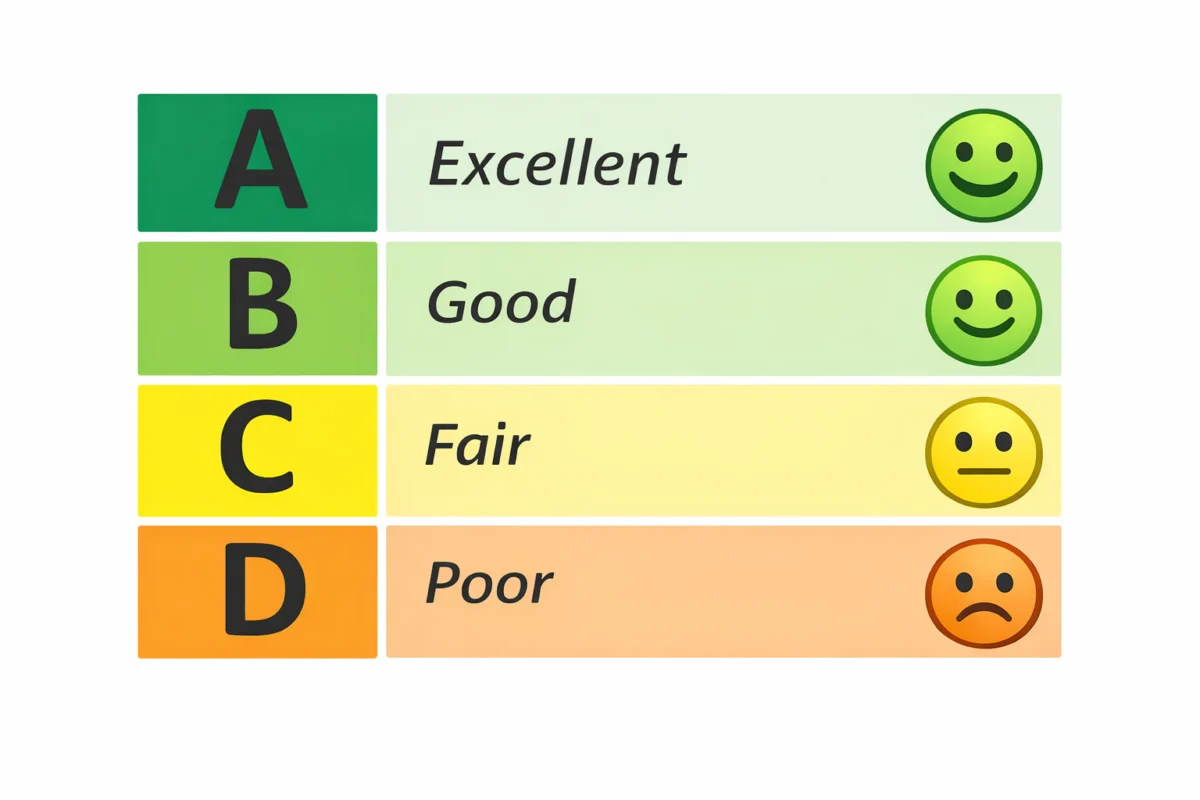
The implementation of China’s comprehensive enterprise credit assessments represents the most significant evolution of the nation’s regulatory landscape, yet it remains one of the most misunderstood systems in global discourse. While international media and popular culture once focused on a hypothetical "citizen-ranking" panopticon that would score every individual’s social behavior, the reality of the Social Credit System (SCS) has always been primarily focused on the corporate sector. By reviewing the recently introduced Implementation Plan for the Establishment of a Comprehensive Enterprise Credit Status Assessment System, a clearer picture emerges of a data-driven, multi-tiered regulatory framework designed to enforce legal compliance and financial transparency for businesses rather than moral policing of the citizenry.
The myth of a singular, all-encompassing "social credit score" for individuals has largely been dispelled among serious policy observers, surviving today mostly as a social media trope. However, the vacuum left by this myth has not been filled with a robust understanding of the actual corporate regulatory system. The real SCS is a sophisticated attempt to integrate government-held administrative data with market-based financial information to create a more efficient, automated, and tiered approach to market oversight.
The Three Pillars of Social Credit
To understand the current implementation plan, one must first recognize that China’s Social Credit System is not a monolith but is composed of three distinct functional pillars: Credit Regulation, Credit Reporting, and Creditworthiness.
Credit Regulation (Xinyong Jianguan) is the most active component of the system. It functions as a mechanism for government agencies to differentiate their regulatory intensity based on a subject’s history of legal compliance. Enterprises with a clean record are rewarded with "green channel" services and reduced inspection frequencies, while those with a history of violations face heightened scrutiny and more frequent audits.

Credit Reporting (Zhengxin) aligns more closely with Western concepts of financial credit. It is managed primarily under the auspices of the People’s Bank of China (PBOC) and focuses on the likelihood of an entity defaulting on loans or contractual obligations. This pillar relies on private and semi-private institutions to assess financial risk, facilitating lending and capital flow within the market.
Creditworthiness (Chengxin) is the most ideological pillar, linked to China’s "Core Socialist Values" campaign. It seeks to foster a culture of honesty and integrity among individuals, businesses, and government officials. While this pillar often garners the most media attention due to its moral overtones, its legal application is strictly limited; the government has clarified that punitive measures can only be triggered by violations of laws and regulations, not by a lack of "creditworthiness" alone.
Chronology of System Development
The evolution of the enterprise credit assessment system has followed a decade-long trajectory of policy experimentation and legislative refinement:
- 2014: The State Council issues the "Planning Outline for the Construction of a Social Credit System (2014–2020)," laying the groundwork for the modern framework.
- 2019: The "Guiding Opinions on Strengthening and Innovating Credit-Based Regulation" are released, officially shifting the focus toward using credit assessments as a tool for differentiated government oversight.
- 2021: The central government begins publishing the "Basic Catalogs of Public Credit Information," standardizing what types of data can be used in government assessments.
- 2022: A draft "Social Credit Law" is released for public comment, attempting to codify the disparate regional and sectoral rules into a unified national legal framework.
- Current Phase: The new implementation plan for "Comprehensive Enterprise Credit Status Assessment" seeks to bridge the gap between government "Public Credit Assessments" and private "Market Credit Assessments."
The Public-Market Information Distinction
The new implementation plan clarifies the relationship between different types of data and how they inform corporate rankings. Central to this is the distinction between Public Credit Information and Market Credit Information.
Public Credit Information consists of data generated or acquired by state authorities during the performance of their duties. This includes business registration details, administrative permits, licenses, and records of administrative penalties (fines, suspensions, or revocations). The government regularly updates a "Basic Catalog" to ensure that only legally sanctioned data points are included in these official assessments.

Market Credit Information is a broader category of data collected by non-state actors, such as industry associations, credit service agencies, and financial institutions. This includes transaction history, fulfillment of commercial contracts, and industry-specific performance metrics.
Structure of the Assessment System
The implementation plan divides assessments into two primary categories: Public Credit Assessments and Market Credit Assessments.
A. Public Credit Assessments
These are conducted by government bodies to measure an enterprise’s legal compliance. They are further divided into:
- Industry Public Credit Assessments: Sector-specific measurements conducted by regulators like the Ministry of Transport or the State Administration for Market Regulation. These assessments determine how much "regulatory rope" a company is given within its specific industry.
- Comprehensive Public Credit Assessments: Managed by the National Development and Reform Commission (NDRC), these provide a holistic view of a company’s compliance across all jurisdictions.
The output of these assessments is typically a four-grade scale: A (Excellent), B (Good), C (Fair), and D (Poor). These grades are shared via the National Credit Information Sharing Platform and are often visible to the public on the "Credit China" website.
B. Market Credit Assessments
These are commercially available products produced by credit reporting institutions. They focus on the risk of default and are used by banks and investors. Interestingly, the new plan encourages these private institutions to incorporate the government’s "Public Credit Assessments" into their models, effectively allowing a company’s regulatory compliance history to influence its ability to secure financing.

Data Inputs and Information Sharing
The transparency of the system is underpinned by the "Public Credit Assessment Data Catalog." The types of information shared across departments include:
- Judicial Information: Records of judgment defaulters, case numbers, and enforcement status.
- Contract Violations: Information on untrustworthiness in corporate accounts and arrears found through judicial procedures.
- Administrative Management: A comprehensive log of permits granted and penalties issued, including the facts of violations and the legal basis for punishment.
- Incentive Lists: Recognition for "Class A" taxpayers or enterprises with high-level Customs certification.
- Serious Untrustworthiness Lists: The "Blacklists" of entities that have committed severe violations of law.
Remediation and the "Right to Repair"
A critical, yet often overlooked, component of the system is the "Credit Repair" (Xinyong Xiufu) mechanism. Recognizing that permanent blacklisting could stifle economic dynamism, the Chinese government has established formal processes for companies to purge their negative records.
Generally, a violation must remain on a company’s record for a minimum period (often six months to three years, depending on the severity). After this period, if the company has rectified the violation, paid all fines, and completed required training or "credit commitments," it can apply to have the record removed from public view. Once a record is "repaired," it is theoretically removed from the databases of regulators and credit reporting institutions alike, allowing the business to return to a neutral or positive standing.
Analysis of Implications and Broader Impact
The shift toward a "Comprehensive Enterprise Credit Assessment" system has profound implications for both domestic and foreign firms operating in China.
1. From Discretionary to Data-Driven Regulation:
Historically, regulatory enforcement in China could be inconsistent or influenced by local protectionism. The SCS aims to automate this process. By using a standardized A-to-D grading system, the central government can ensure that a "Class D" firm in one province is treated with the same level of suspicion in another.

2. The "Digital Hand" in Market Activities:
Observers from organizations like the European Union Chamber of Commerce in China have noted that the SCS acts as a "digital hand," conditioning market actors to align their behavior with state-defined legal and regulatory norms. For foreign firms, this means that compliance is no longer just a legal necessity but a competitive one; a low credit score can lead to higher interest rates, exclusion from government procurement, and a damaged reputation among Chinese consumers.
3. Integration Challenges:
The new plan’s goal of integrating public and market assessments raises questions about functional clarity. If a company is a "Class A" compliant actor but is on the verge of bankruptcy, how should an integrated score reflect that? Conversely, a highly profitable company that frequently commits minor environmental violations may have a high market credit score but a low public credit grade. The government’s attempt to unify these disparate metrics into a "comprehensive" assessment remains a work in progress.
4. The Role of Industry Associations:
The plan highlights a growing role for quasi-regulatory bodies like Chambers of Commerce. These entities are encouraged to perform non-profit market assessments to maintain industry discipline. This suggests a move toward a more "corporatist" model of governance where the state delegates some oversight responsibilities to industry peers.
Conclusion
China’s Comprehensive Enterprise Credit Assessment System is a far cry from the dystopian citizen-ranking myths that once dominated headlines. Instead, it is a massive, data-intensive infrastructure project aimed at modernizing market governance. By categorizing and grading businesses based on their legal and financial history, the Chinese state seeks to reduce the cost of regulation while increasing the cost of non-compliance.
As the system moves toward further integration, the primary challenge will be balancing the need for strict legal enforcement with the flexibility required for a vibrant market economy. For the global business community, understanding the nuances of this system—from the catalogs of data being collected to the procedures for credit repair—is no longer optional; it is a fundamental requirement for navigating the Chinese market in the digital age.


 Muslim
 Nana Muazin