Basiran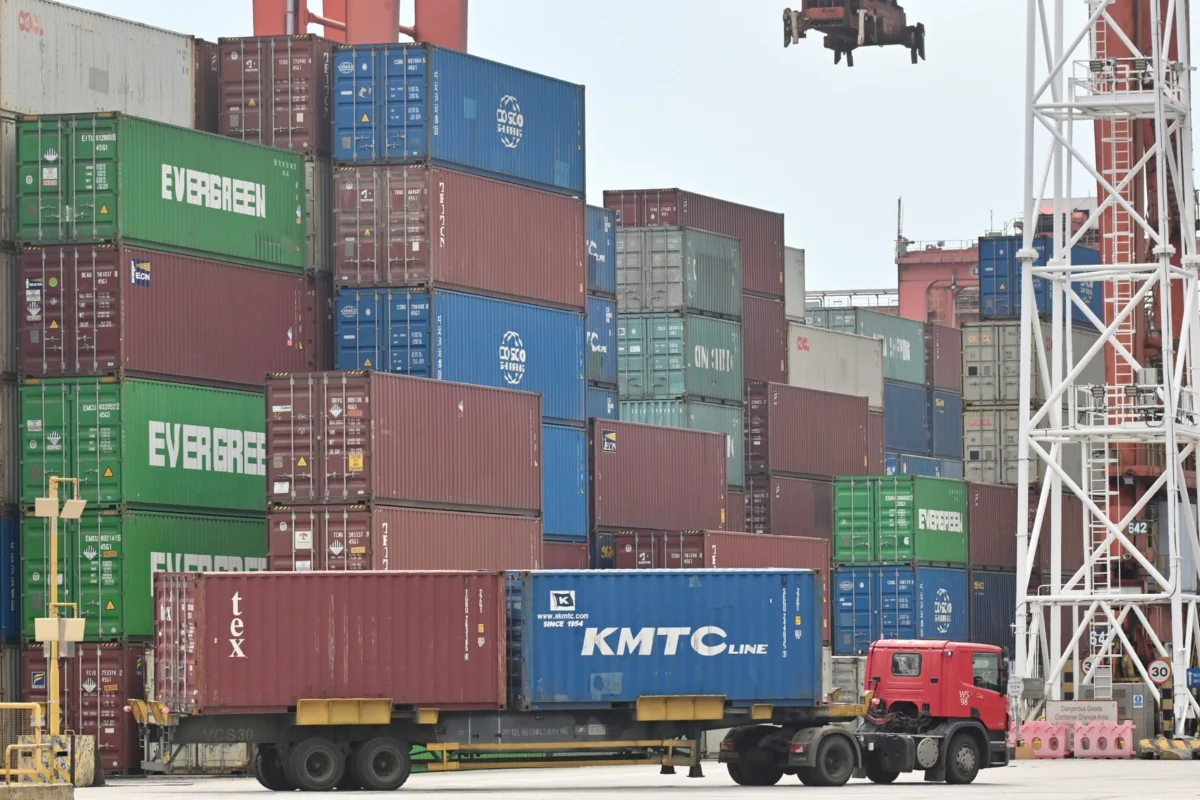
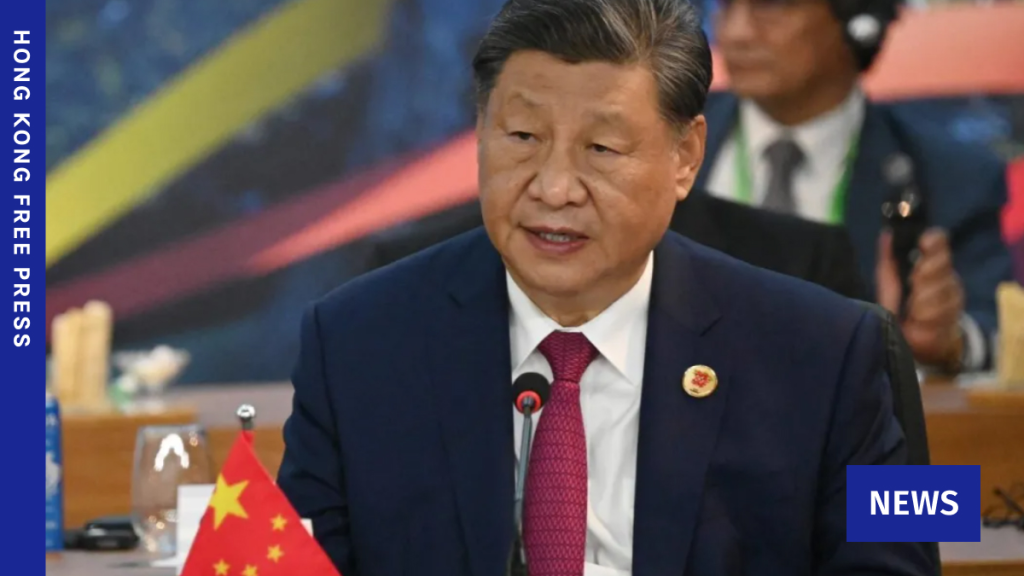
Beijing has issued a forceful condemnation of the United States’ recent imposition of tariffs on China and 59 other nations, citing alleged forced labor concerns as the justification. The move, announced on Friday, drew a stern warning from the Chinese Foreign Ministry against the escalation of a "trade war," signaling renewed tensions between the world’s two largest economies. The new US levies, which vary from 10 to 12.5 percent, target a wide array of goods, with China receiving the highest rate, indicative of the deepening economic friction.
The Genesis of Renewed Tariff Tensions
The tariffs represent a significant shift in the Trump administration’s trade policy, replacing an expiring global duty initially rolled out earlier this year. This latest action follows a pivotal Supreme Court decision in February that had struck down a host of the president’s previous duties, significantly curtailing his ability to unilaterally impose steep levies at will. In the aftermath of this judicial setback, the Trump administration has moved with considerable speed to reconstruct its tariff framework, seeking new legal and policy avenues to maintain its assertive trade stance.

US Trade Representative Jamieson Greer articulated Washington’s rationale, stating that the United States was "rigorously" enforcing a forced labor import ban. Greer underscored the expectation that "it was well past time for our trading partners to do the same," framing the tariffs as a measure to encourage global adherence to ethical labor standards. This declaration highlights a growing trend in international trade where human rights concerns are increasingly intertwined with economic policy, transforming tariffs from purely economic tools into instruments of moral and geopolitical leverage.
Differentiated Tariffs and Global Impact
The structure of the new tariffs reveals a differentiated approach, ostensibly rewarding countries that have already adopted similar prohibitions against forced labor. Economies such as Canada, the European Union, and the United Kingdom, which have demonstrably implemented forced labor import bans, were subjected to the lower 10-percent tariff rate. This tier is designed to incentivize other nations to align their trade policies with US standards regarding labor practices.
Conversely, major trade partners including India and Japan, alongside China, were hit with the higher 12.5-percent tariffs. This categorisation suggests that the US views these nations as either lagging in their enforcement of forced labor prohibitions or as requiring stronger economic pressure to address perceived deficiencies. For China, already accustomed to US trade actions, the 12.5% tariff on a broad range of goods is a direct challenge to its manufacturing and export-oriented economy. For India and Japan, the higher rate could be a point of contention, potentially straining bilateral trade relations despite their strategic alignments with the US in other areas. The widespread application of these tariffs, affecting 60 countries in total, underscores a global reorientation of US trade policy, emphasizing ethical supply chains as a condition for favorable trade terms.

Beijing’s Unyielding Stance
Chinese Foreign Ministry spokesperson Lin Jian’s immediate response was unequivocal. "We oppose all forms of unilateral tariff measures," Lin stated during a news briefing, reflecting China’s consistent opposition to what it perceives as protectionist and arbitrary trade actions by the US. He further cautioned, "Tariff wars and trade wars are not in the interests of any party," a sentiment that echoes Beijing’s long-held view that such conflicts inflict damage on global economic stability and bilateral relations without yielding genuine benefits for either side.
This rhetoric is deeply rooted in China’s historical experience with US trade policies, particularly the "trade war" initiated by the Trump administration several years prior. Beijing consistently frames US tariffs as violations of international trade rules and attempts to stifle China’s economic rise. For China, these new tariffs are not merely an economic irritant but a challenge to its sovereignty and economic development model. The reference to "unilateral measures" also highlights China’s preference for multilateral frameworks and dialogue through bodies like the World Trade Organization (WTO), where it often seeks to challenge US actions.
The Contentious Issue of Forced Labor

The US justification for these tariffs centers on allegations of forced labor, a highly sensitive and contentious issue, particularly in relation to China. While the specific regions or industries targeted by the US ban were not explicitly detailed in the initial announcement, past US actions and reports from human rights organizations frequently point to alleged forced labor practices in China’s Xinjiang Uyghur Autonomous Region. Industries such as cotton production, polysilicon manufacturing, and various electronics assembly lines in the region have been subject to intense international scrutiny. Reports from entities like the United Nations, various non-governmental organizations, and government agencies have detailed concerns about coercive labor practices, including the use of state-sponsored labor transfer programs, which critics argue amount to forced labor.
China vehemently denies these allegations, labeling them as politically motivated fabrications designed to smear its image and impede its economic progress. Beijing maintains that programs in Xinjiang are vocational training and poverty alleviation initiatives, implemented to improve livelihoods and combat extremism, and that all labor is voluntary. The Chinese government views any international intervention or criticism regarding Xinjiang as an infringement on its internal affairs and sovereignty. This fundamental divergence in perspectives on the nature of labor practices in Xinjiang forms the ideological bedrock of the current trade dispute, transforming an economic measure into a profound clash of values and geopolitical narratives.
A Brief Chronology of Recent US-China Trade Dynamics
The latest tariffs are a continuation of a volatile period in US-China trade relations:

- 2018-2019: The Trump administration initiated a wide-ranging trade war, imposing tariffs on hundreds of billions of dollars worth of Chinese goods, citing unfair trade practices, intellectual property theft, and forced technology transfer. China retaliated with its own tariffs on US products.
- October last year: Following intense negotiations, US President Donald Trump and Chinese President Xi Jinping met and reached a "truce," leading to a partial trade deal. This agreement saw China commit to purchasing more US agricultural and manufactured goods, while the US agreed to roll back some tariffs, though many remained in place.
- February this year: The US Supreme Court delivered a significant blow to the Trump administration’s tariff authority, striking down several existing duties. This ruling necessitated a restructuring of the administration’s tariff strategy.
- This year (after February, before new tariffs): President Trump visited Beijing. Following this visit, China issued a statement indicating its willingness to work with the United States on reducing tariffs, signaling a potential de-escalation of trade tensions.
- Friday: The US announced the new tariffs on China and 59 other countries, explicitly citing forced labor concerns, effectively rekindling trade tensions despite earlier signals of cooperation.
This timeline illustrates a cycle of confrontation, limited détente, and renewed friction, suggesting an underlying structural tension that transcends specific administrations or agreements.
Broader Economic and Geopolitical Implications
The re-emergence of tariff disputes carries significant economic implications for both the United States and China, as well as the global economy. For American businesses, these tariffs translate into higher import costs for goods from China, which can be passed on to consumers or absorbed, impacting profitability. Industries heavily reliant on Chinese components or manufacturing, from electronics to apparel, face increased uncertainty and potential supply chain disruptions. While the tariffs are ostensibly aimed at promoting ethical labor, they also risk exacerbating inflationary pressures and hindering economic recovery efforts.
For China, the tariffs directly impact its export-driven economy. While Beijing has sought to diversify its trade partners and strengthen domestic consumption, the US remains a critical market. Reduced access or increased costs for Chinese goods in the US market could slow economic growth, put pressure on employment, and intensify calls for further economic restructuring. The tariffs also serve as a political tool, potentially galvanizing domestic sentiment against perceived US economic aggression.

Beyond the direct economic consequences, the tariffs have profound geopolitical ramifications. They further entrench the economic decoupling narrative, where the US seeks to reduce its reliance on Chinese supply chains and encourage its allies to do the same. This can lead to the fragmentation of global trade systems, making international cooperation on shared challenges more difficult. For countries like India and Japan, being included in the higher tariff tier creates a diplomatic tightrope walk. While they are strategic partners with the US, their own economic interests are deeply intertwined with global trade, including with China. They might express reservations about unilateral actions that could destabilize global commerce, even if they share some of the underlying concerns about forced labor.
The renewed focus on forced labor also places pressure on multilateral institutions like the WTO. China frequently uses the WTO to challenge US tariffs, arguing they violate international trade rules. However, the WTO’s effectiveness has been hampered by US actions that have crippled its dispute settlement mechanism. The broader implication is a weakening of the rules-based international trading system, replaced by a more fragmented and politically driven landscape where economic power is wielded to achieve geopolitical objectives.
Statements and Reactions from Related Parties (Inferred)
While specific statements from the 59 other nations were not immediately available, their reactions can be logically inferred based on their diplomatic and economic positions:

- Canada, European Union, and United Kingdom: These nations, having received the lower 10-percent tariff due to their existing forced labor prohibitions, might offer qualified support for the principle of combating forced labor in global supply chains. However, they are also likely to express concern over the broader use of unilateral tariffs, advocating for multilateral approaches and dialogue to address such issues, given their own reliance on stable international trade.
- India and Japan: As major economies hit with the higher 12.5-percent tariffs, they are likely to voice disappointment or seek clarification from the US. Both countries maintain significant trade relationships globally, including with China, and would prefer trade stability. They might call for dialogue and emphasize their own efforts to ensure ethical labor practices within their supply chains, potentially urging the US to reconsider their higher tariff categorization.
- World Trade Organization (WTO): While not explicitly mentioned, the WTO generally views unilateral tariff actions, especially those taken outside its approved dispute settlement mechanisms, with skepticism. The imposition of tariffs on 60 countries, even with a stated ethical justification, would likely be seen as a challenge to the multilateral trade framework and could prompt calls for member states to resolve disputes through established WTO processes.
The Path Forward: A Precarious Balance
The latest US tariffs and Beijing’s swift condemnation underscore the precarious state of global trade relations, particularly between the US and China. The "truce" reached last October now appears fragile, with underlying ideological and economic frictions resurfacing. The explicit focus on forced labor adds a moral dimension to the trade dispute, making resolution even more complex as it touches upon human rights and national sovereignty, areas where compromise is often difficult.
The coming months will reveal whether this new tariff regime marks a full return to an escalating trade war or if it is a targeted measure intended to exert specific pressure. Both Washington and Beijing face significant domestic and international pressures. For the US, maintaining a strong stance against perceived unfair trade practices and human rights abuses is politically popular, but a prolonged trade war could harm American businesses and consumers. For China, defending its economic model and sovereignty is paramount, but alienating key trade partners could impede its long-term growth ambitions. The warning from Beijing that "tariff wars and trade wars are not in the interests of any party" serves as a stark reminder of the high stakes involved, urging caution while simultaneously signaling China’s readiness to defend its interests against what it perceives as aggressive unilateralism. The global trading community will be closely watching for signs of de-escalation or, more ominously, further confrontation.

 Sagoh
Sagoh
 Asro
Asro